
Understanding the true cost of Amazon delivery is a critical component of savvy personal and business finance in the digital age. It’s not a single, static figure but a dynamic system influenced by membership status, order value, item type, and chosen speed. For many, Amazon represents a significant portion of their online spending, making a deep dive into its delivery economics essential for effective budgeting and expense management. This guide breaks down the financial landscape of Amazon delivery, offering insights into how to forecast, manage, and ultimately minimize your spending.
The Fundamentals of Amazon Delivery Costs
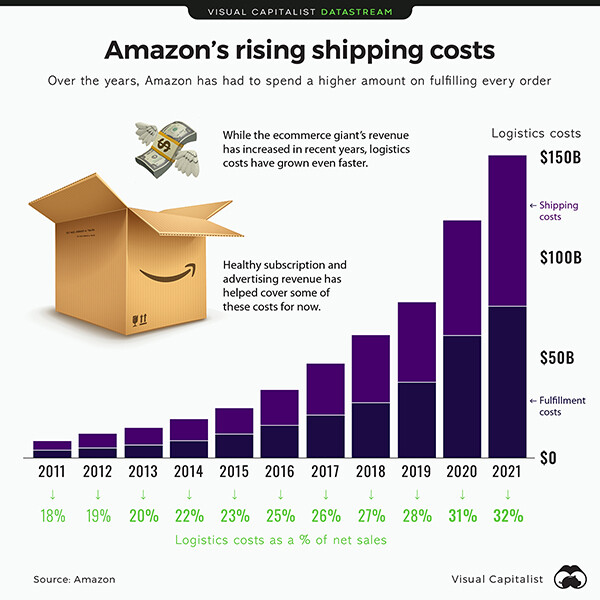
Amazon’s vast fulfillment network offers a spectrum of delivery options, each with its own financial implications. The cost you incur for delivery can vary dramatically depending on your choices and eligibility.
Standard vs. Expedited Shipping
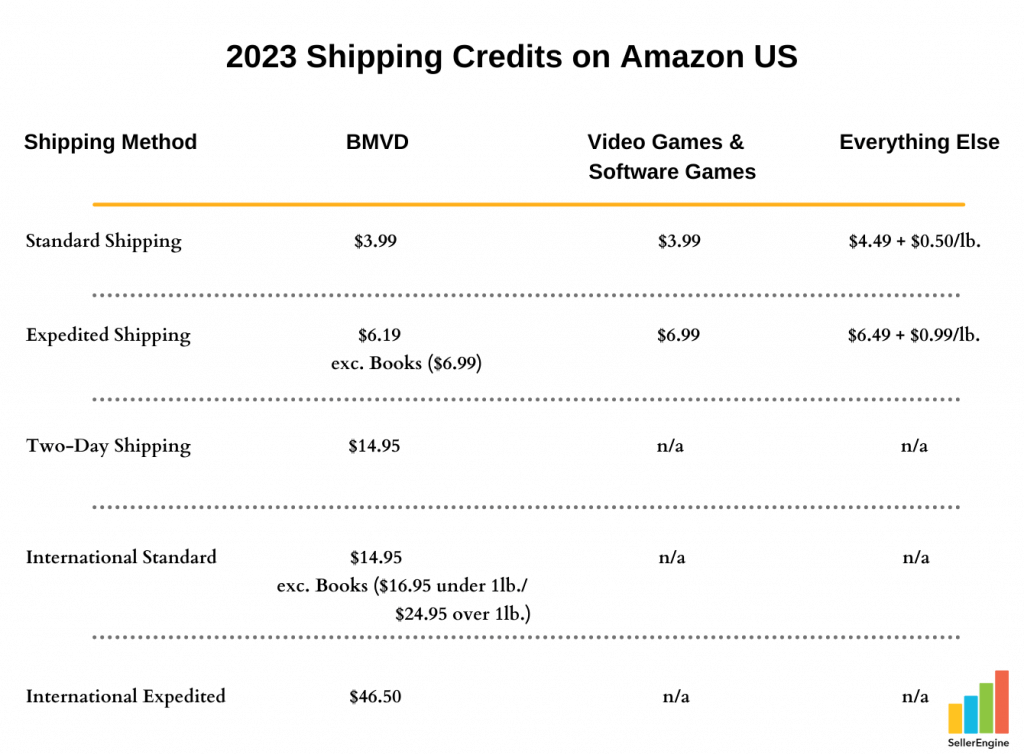
Standard shipping is typically the baseline. For non-Prime members, eligible orders often qualify for free standard shipping if they meet a minimum purchase threshold (e.g., $35 or more). Below this threshold, a per-item or per-shipment fee applies, calculated based on the item’s weight, dimensions, and sometimes its category. These fees are designed to cover the logistics of ground transportation and handling. For Prime members, standard shipping is almost always free, irrespective of order value, providing a core financial benefit of the membership.
Expedited shipping, including two-day, one-day, or even same-day delivery, comes at a premium. While Prime members often enjoy free two-day and sometimes one-day shipping without an additional charge on eligible items and in qualifying regions, same-day delivery usually incurs a nominal fee even for Prime members if the order falls below a specific value (e.g., under $25). For non-Prime members, these faster options always carry a significant additional charge, which can quickly add up, turning a budget-friendly purchase into a costly one. The decision to opt for faster shipping should be weighed against the urgency of the item and its impact on your overall expenditure. Financial prudence often dictates choosing the slowest free option available, unless the cost of delay genuinely outweighs the shipping fee.
Seller-Specific Delivery Fees
It’s also crucial to distinguish between items “Shipped by Amazon” and those from third-party sellers (often marked “Fulfilled by Merchant” or “FBM”). While Amazon’s own fulfillment uses its established pricing structure, FBM sellers set their own shipping rates. These can vary wildly and are not always eligible for Prime benefits or Amazon’s free shipping thresholds. This introduces an additional layer of financial scrutiny: always check the shipping cost for FBM items before adding them to your cart, as what appears to be a good deal on the product itself might be offset by exorbitant shipping fees. This due diligence is vital for managing your total expenditure effectively.
Decoding Prime vs. Non-Prime Delivery Expenses
The decision to become an Amazon Prime member is fundamentally a financial one, weighing an annual or monthly subscription fee against the potential savings on delivery costs and other benefits.
The Financial Case for Prime Membership
Amazon Prime costs a fixed annual or monthly fee, which grants members access to a suite of benefits, with unlimited free expedited shipping being a primary draw. For frequent Amazon shoppers, the financial justification for Prime membership often hinges on a simple calculation: do the accumulated shipping fees you would pay as a non-Prime member exceed the cost of the Prime subscription? For individuals or households placing multiple orders per month, especially those that wouldn’t meet the free shipping threshold for non-Prime members, the answer is often yes. The ability to place small, individual orders without incurring multiple shipping charges can lead to substantial savings over time.
Beyond standard expedited delivery, Prime also offers free one-day and even same-day delivery in many regions on eligible items, provided certain conditions are met (e.g., minimum order value for same-day). This transforms a premium service into a standard benefit, enhancing convenience without additional per-shipment costs. Financially, Prime acts as a pre-paid shipping plan, making all eligible deliveries “free” at the point of transaction, which can simplify budgeting by absorbing a variable cost into a fixed annual expense.
Non-Prime Shipping Fees and Strategies
For those who shop less frequently or whose Amazon purchases primarily consist of items eligible for free standard shipping above a certain threshold, a Prime membership might not be financially optimal. Non-Prime members must carefully navigate Amazon’s shipping fee structure. Standard shipping fees for individual items typically range from $4.99 to $9.99 or more, depending on weight and size. To avoid these charges, non-Prime members must ensure their order total for eligible items reaches the current free shipping threshold, which is typically $35 (though this can change).
A key financial strategy for non-Prime members is order consolidation. Instead of purchasing items as needed, it’s often more economical to accumulate items in your cart until the free shipping threshold is met, then place a single, larger order. While this requires a bit more planning and patience, it directly translates into savings by eliminating individual shipping charges. Another tactic is to search for “add-on” items that push your cart total over the threshold without adding significantly to your overall spending, rather than paying for shipping directly. Understanding these mechanisms is crucial for non-Prime members looking to manage their online shopping budget effectively.
Strategies for Minimizing Your Amazon Delivery Spend
Controlling your Amazon delivery costs is an active process that involves strategic shopping habits and utilizing specific Amazon features. Adopting these financial strategies can lead to considerable savings over time.
Utilizing Free Shipping Thresholds and Order Consolidation
For both Prime and non-Prime members, but especially the latter, leveraging free shipping thresholds is paramount. Non-Prime members should always aim to bundle purchases to reach the minimum order value for free standard shipping. This prevents numerous small shipping fees from accumulating. Even Prime members, while enjoying free shipping on most items, can save on specific categories or faster options by consolidating. For instance, Amazon Fresh grocery orders often have a higher minimum for free delivery, even for Prime members. Planning grocery lists to meet this minimum avoids an additional delivery surcharge. Consolidating reduces the frequency of deliveries, which, while not always directly reflected in per-order costs for Prime members, aligns with a financially conservative approach by optimizing each transaction.
Leveraging Subscribe & Save
Amazon’s Subscribe & Save program offers a powerful financial incentive for recurring purchases. By signing up for regular deliveries of eligible household items, you not only receive a percentage discount (often 5% to 15% off) on the product price, but these subscriptions also almost universally come with free standard shipping, regardless of your Prime status or order value. For items you consistently use—toiletries, pet food, pantry staples—Subscribe & Save can lead to significant long-term savings on both product cost and delivery fees. Managing your subscriptions to maximize the discount (often achieved by having five or more active subscriptions delivered to the same address in a given month) is a smart budgeting move.
Considering Amazon Day
Amazon Day is a delivery option that allows Prime members to choose a specific day of the week to receive all their eligible orders. While its primary benefit is often framed around convenience and reducing packaging, it also serves a subtle financial purpose. By consolidating multiple orders into a single weekly delivery, it can help reinforce the habit of planning purchases, potentially reducing impulse buys and ensuring that all items arrive without additional, forgotten fees. For items that might have specific delivery surcharges (e.g., some large items, though often these are on specialized delivery schedules), Amazon Day helps ensure everything that can be grouped is grouped, streamlining your financial outflow for delivery.
Utilizing Amazon Credit Cards and Rewards
Several Amazon-branded credit cards offer cash back on purchases made on Amazon.com, often at rates like 5%. This cash back, typically issued as a statement credit or points, can effectively reduce the net cost of your purchases, including any delivery fees you might incur. While not directly eliminating delivery costs, converting rewards points to cover parts of your bill means less out-of-pocket expense. Smart use of these financial tools can subtly lower your overall Amazon spending, making even paid delivery options more palatable when truly necessary.
Beyond the Basics: Understanding Niche Delivery Costs
Amazon’s ecosystem extends far beyond standard parcels, encompassing groceries, bulky items, and international shipments, each with its unique delivery cost structure that demands careful financial consideration.
Amazon Fresh and Whole Foods Market Delivery
For grocery deliveries through Amazon Fresh or Whole Foods Market, the financial model shifts. Prime members often get free delivery if their order meets a specific minimum threshold (e.g., $150 in many areas), but below that, a delivery fee applies, which can range from $4.99 to $9.99 or more, depending on the market and the specific delivery window chosen. Non-Prime members generally face higher delivery fees, if the service is even available to them. This means that grocery planning needs to factor in the delivery cost to ensure the convenience doesn’t outweigh the financial benefit of shopping online. Calculating whether the time saved and potential for bulk purchases justify the delivery fee or the effort to reach the free delivery minimum is a key personal finance decision.
Heavy and Bulky Item Surcharges
Purchasing large appliances, furniture, or other heavy and bulky items through Amazon often incurs specialized shipping fees. These items typically require different logistics—specialized carriers, additional handling, and sometimes scheduled delivery appointments. The surcharges can be significant, ranging from tens to hundreds of dollars, depending on the item’s size, weight, and your location. While some large items might offer “free shipping” as part of a Prime benefit or seller promotion, always double-check the final cost, as fine print can reveal additional “special handling” or “oversize item” fees. Budgeting for these larger purchases must explicitly include these potential delivery surcharges to avoid unexpected expenses.

International Shipping Considerations
For items shipped internationally through Amazon, either directly from Amazon Global or via third-party sellers that ship globally, the delivery costs become considerably more complex and expensive. International shipping fees are based on weight, dimensions, destination country, and chosen speed, and they can easily exceed the cost of the item itself. Furthermore, international purchases often involve additional financial liabilities: customs duties, taxes, and brokerage fees imposed by the destination country. Amazon’s “Import Fees Deposit” aims to estimate and collect these upfront, but budgeting for international orders requires a keen awareness of these potential added costs. Failure to account for them can lead to significant overspending or unexpected charges upon delivery, making cross-border shopping a high-stakes financial endeavor without proper planning.
In conclusion, “how much is Amazon delivery” is a multi-faceted question with no single answer. It demands an understanding of membership benefits, shipping thresholds, item specifics, and various service tiers. By applying financial acumen and strategic shopping behaviors, consumers can effectively navigate Amazon’s delivery costs, ensuring their online purchases align with their broader financial goals.
aViewFromTheCave is a participant in the Amazon Services LLC Associates Program, an affiliate advertising program designed to provide a means for sites to earn advertising fees by advertising and linking to Amazon.com. Amazon, the Amazon logo, AmazonSupply, and the AmazonSupply logo are trademarks of Amazon.com, Inc. or its affiliates. As an Amazon Associate we earn affiliate commissions from qualifying purchases.