
Determining “how much is an air ticket” is rarely as simple as looking at a static price tag. In the modern economy, airfare is one of the most volatile commodities a consumer can purchase. Unlike a loaf of bread or a digital subscription, the price of a flight to the same destination can fluctuate by hundreds of dollars within a single hour. For the financially conscious traveler or the business professional, understanding the underlying mechanics of these costs is essential for maintaining a healthy bottom line. This guide explores the financial landscape of airfare, providing a deep dive into dynamic pricing, budgeting strategies, and the fiscal tools available to optimize your travel investment.
Understanding the Variables: Why Air Ticket Prices Fluctuate
To manage travel expenses effectively, one must first understand that airline pricing is an intricate dance of mathematics, psychology, and real-time data. Airlines do not sell “seats”; they sell “fare buckets” based on sophisticated algorithms designed to maximize revenue per available seat mile.
Dynamic Pricing and Revenue Management
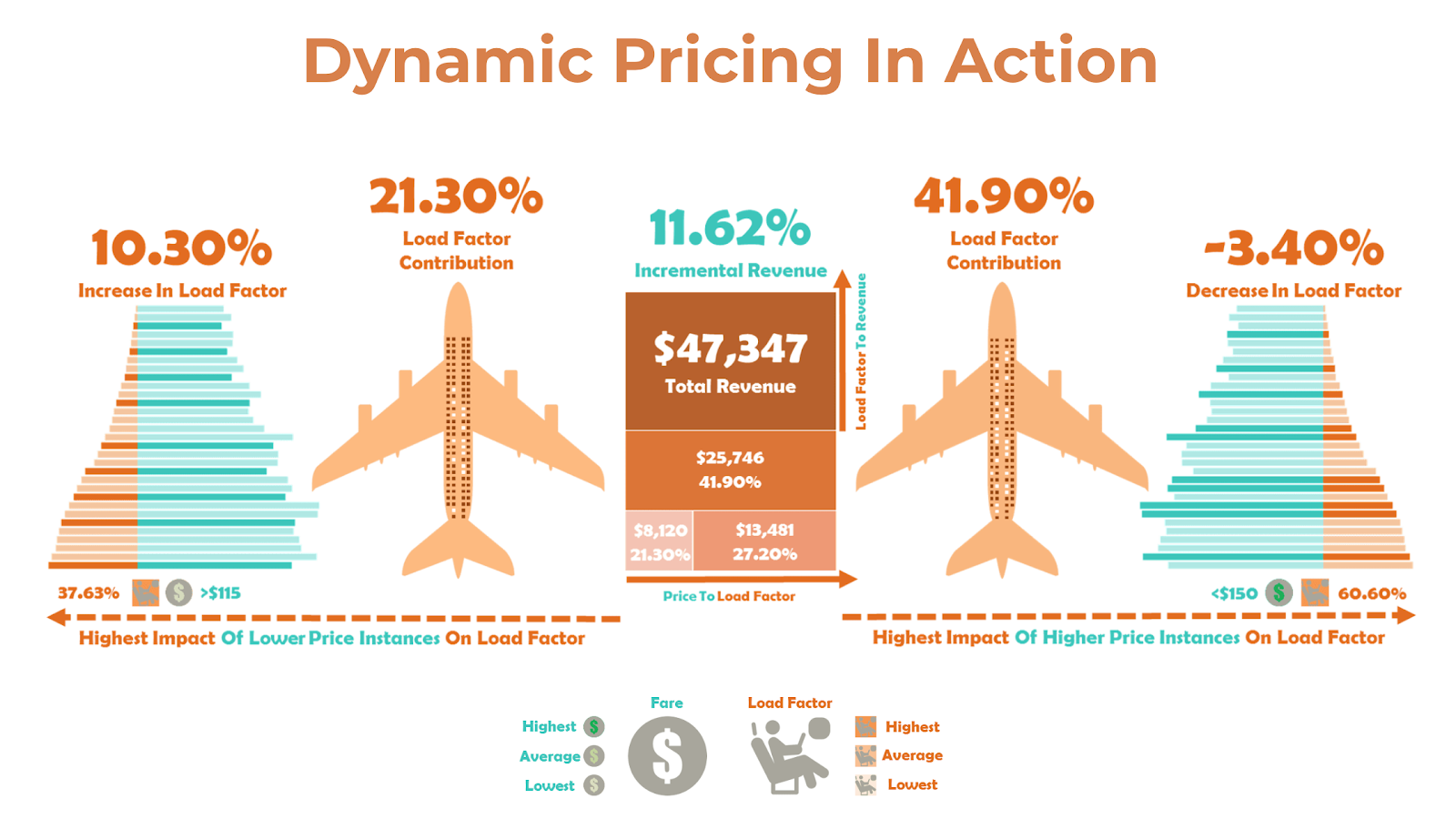
The primary driver behind airfare volatility is dynamic pricing. This is a strategy where businesses set flexible prices for products or services based on current market demands. Airlines utilize “Revenue Management Systems” that analyze historical data, competitor pricing, and even the browsing behavior of potential customers. If a flight is filling up faster than expected, the system automatically triggers a price hike. Conversely, if a plane is half-empty close to departure, prices might drop—though more often, they rise to capitalize on the desperation of last-minute business travelers who are less price-sensitive.
Seasonal Cycles and the Impact of Demand
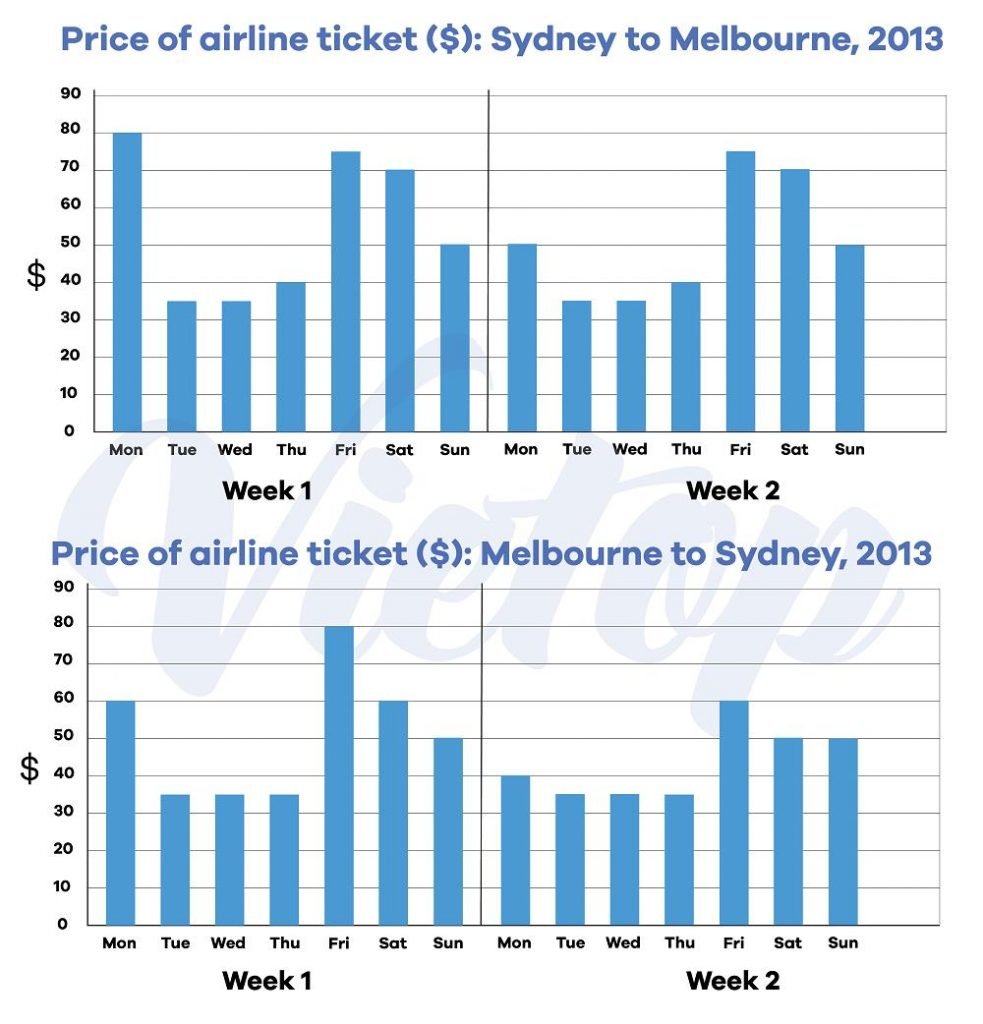
The calendar is perhaps the most significant predictor of cost. In the world of personal finance, timing is everything. Traveling during “peak” seasons—such as mid-summer, the December holidays, or Spring Break—guarantees a higher price point because demand outweighs supply. For those looking to optimize their money, “shoulder seasons” (the periods between peak and off-peak) offer the best value. Financially savvy travelers recognize that flying on a Tuesday or Wednesday is often significantly cheaper than a Friday or Sunday, as the latter dates are dominated by weekend holidaymakers and returning corporate flyers.
Hidden Costs Beyond the Base Fare
When asking how much an air ticket costs, the “sticker price” is often a fiscal illusion. The rise of “unbundled” pricing, particularly among Low-Cost Carriers (LCCs), means that the base fare covers little more than your physical presence on the aircraft. To truly understand the financial impact, one must account for:
- Ancillary Fees: Baggage fees, seat selection, and in-flight meals.
- Taxes and Surcharges: Government-imposed security fees, airport improvement fees, and fuel surcharges.
- Transaction Costs: Foreign transaction fees if booking on international sites or credit card processing fees.
Strategic Budgeting: How to Integrate Travel into Your Personal Finance Plan
Travel is often one of the largest discretionary expenses in a household or small business budget. Treating it as an impulsive purchase can lead to financial strain. Instead, airfare should be approached with the same rigor as an investment portfolio.
Setting a Realistic Travel Fund
A common mistake in personal finance is failing to account for the “true cost” of a trip. An air ticket is merely the gateway expense. A robust budgeting strategy involves researching the average flight costs for your desired destinations a year in advance and setting aside a monthly contribution to a dedicated “Travel Sinking Fund.” By automating savings into a high-yield savings account, you ensure that when the “right” price appears, you have the liquidity to act immediately without dipping into emergency funds or incurring high-interest credit card debt.
The Cost-Benefit Analysis of Non-Stop vs. Layover Flights
From a financial perspective, time is money. A flight with two layovers might be $200 cheaper than a non-stop journey, but it may also cost you an extra 12 hours of travel time. When calculating the value of an air ticket, consider your hourly rate or the value of a day of vacation. If you are a freelancer or a business owner, those 12 hours lost in an airport terminal represent a significant “opportunity cost.” Sometimes, paying the premium for a direct flight is the more fiscally responsible decision when viewed through the lens of productivity and physical well-being.

Using Sinking Funds for Annual Vacations
To avoid the “holiday debt hangover,” incorporate airfare into your annual financial planning. If you know you visit family every December, you can predict that airfare will be at its peak. By utilizing a sinking fund—a way to save money by setting aside a small amount each month for a specific intended use—you spread the cost of an expensive $800 ticket over twelve months ($66/month). This stabilizes your monthly cash flow and prevents the volatility of the airline industry from disrupting your long-term financial goals.
Leveraging Financial Tools to Lower Travel Expenses
In the digital age, consumers have access to a suite of financial tools designed to level the playing field against airline pricing algorithms. Mastering these tools can lead to substantial savings and increased “travel ROI.”
Maximizing Travel Rewards and Credit Card Points
One of the most effective ways to reduce the out-of-pocket cost of an air ticket is through the strategic use of credit card rewards. Many premium financial products offer “sign-up bonuses” that can be worth several round-trip domestic flights or a significant portion of an international ticket.
- Transferable Points: Programs like Chase Ultimate Rewards or Amex Membership Rewards allow you to move points to various airline partners, often yielding a higher “cent-per-point” value than cash back.
- Companion Passes: Certain financial partnerships offer a “buy one, get one” airfare deal, which effectively cuts your travel cost by 50% for the year.
Comparison Tools and Price Tracking Alerts
Technology serves the interest of money management through aggregation. Tools like Google Flights, Skyscanner, and Hopper do more than just list prices; they provide historical data. They can tell you if the current price of $450 is “high,” “low,” or “typical” for your route. Setting “Price Alerts” is a passive but powerful financial strategy. By letting an algorithm monitor the market, you can wait for a “price dip” to execute your purchase, ensuring you never pay more than the market average.
The Role of Travel Insurance in Protecting Your Investment
When you purchase an expensive air ticket, you are essentially entering into a forward contract for a service. If you cannot fulfill your end of that contract (due to illness or emergency), you risk losing 100% of your investment. From a risk management perspective, travel insurance—or using a credit card with built-in trip cancellation protection—is vital. It safeguards your capital against unforeseen events, ensuring that a cancelled trip doesn’t result in a total financial loss.
Corporate and Business Travel: Managing Professional Flight Expenses
For the business professional or entrepreneur, the cost of an air ticket is an operational expense that must be managed to maintain profitability. Business travel requires a different set of financial priorities compared to leisure travel.
Optimizing Business Travel ROI
In business, every dollar spent on airfare must be justified by the potential return on investment (ROI). If a $1,200 last-minute flight facilitates a meeting that closes a $50,000 contract, the expense is negligible. However, for internal meetings or routine check-ins, companies are increasingly using “Virtual Substitution” to save capital. When business travel is necessary, booking through corporate portals can often provide access to negotiated rates and better “change and cancellation” terms, which offers a layer of financial flexibility that standard consumer tickets lack.
Tax Deductions and Reimbursable Expenses
Understanding the tax implications of airfare is crucial for the self-employed and small business owners. In many jurisdictions, the cost of an air ticket for business purposes is a fully deductible business expense. This effectively reduces the “real cost” of the flight by your marginal tax rate. Keeping meticulous records and separating personal travel from professional travel is essential for audit-proofing your finances. Furthermore, savvy professionals ensure they are personally accruing the frequent flyer miles from business-funded tickets, which serves as a non-taxable “rebate” on professional travel.
Conclusion: The Value-Based Approach to Airfare
Ultimately, “how much is an air ticket” is a question of value rather than just price. By understanding the mechanics of dynamic pricing, employing disciplined budgeting strategies, and leveraging modern financial tools, you can navigate the complex world of airfare with confidence. Whether you are traveling for growth, connection, or profit, treating your airfare as a managed financial asset ensures that you get the maximum possible return for every dollar spent. Professional travel planning isn’t just about finding the lowest number—it’s about making your money work harder for you in the global marketplace.
aViewFromTheCave is a participant in the Amazon Services LLC Associates Program, an affiliate advertising program designed to provide a means for sites to earn advertising fees by advertising and linking to Amazon.com. Amazon, the Amazon logo, AmazonSupply, and the AmazonSupply logo are trademarks of Amazon.com, Inc. or its affiliates. As an Amazon Associate we earn affiliate commissions from qualifying purchases.