
In the landscape of modern digital life, subscription services have become a ubiquitous part of our monthly and annual budgets. Among these, Amazon Prime stands out as a colossal offering, bundling an array of services from expedited shipping to digital entertainment. The question “how much is a year of Amazon Prime?” seems straightforward, yet the financial implications and true value extend far beyond a simple sticker price. For the financially savvy consumer, understanding this cost is the first step in a broader assessment of its worth, integrating it into personal budgeting, and making an informed decision about its place in one’s financial ecosystem. This article delves into the various financial facets of an Amazon Prime subscription, guiding you through its direct costs, hidden value, and how to assess its financial prudence for your unique circumstances.
Understanding the Core Cost of Amazon Prime
The fundamental pricing structure of Amazon Prime is relatively transparent, but like many financial decisions, it benefits from a closer look at the options available. The primary cost is the direct fee paid to Amazon, which grants access to its extensive suite of benefits.
Annual vs. Monthly Pricing: A Key Financial Decision
Amazon provides two main payment frequencies for its standard Prime membership: monthly and annually. This choice isn’t merely about convenience; it carries significant financial implications for the subscriber.
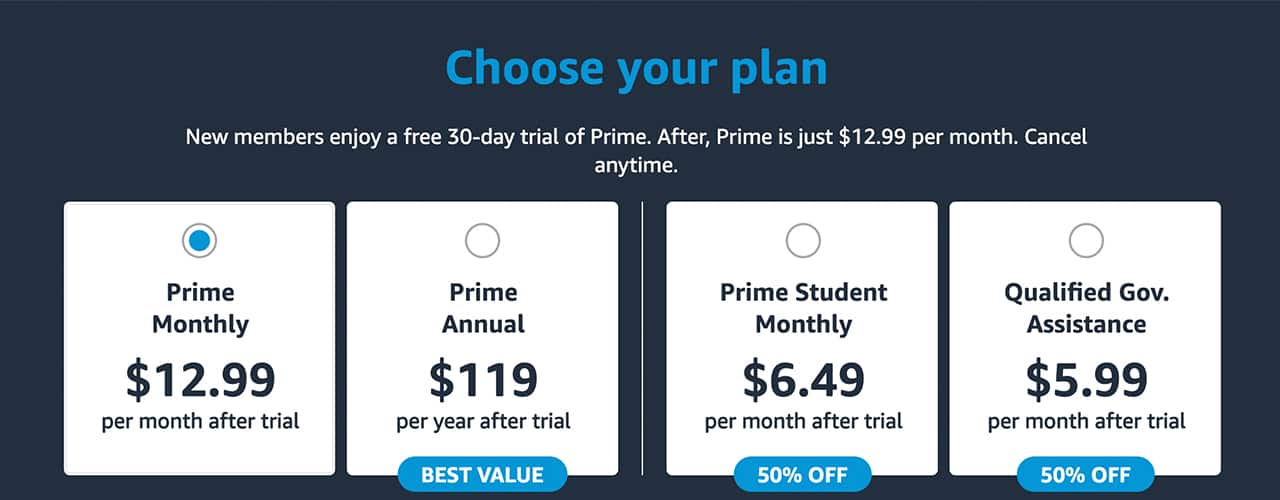
Currently, a standard Amazon Prime membership typically costs:
- Monthly: Approximately $14.99 per month.
- Annually: Approximately $139 per year.
A quick calculation reveals the financial advantage of opting for the annual plan. Paying monthly for a full year would amount to 12 x $14.99 = $179.88. Comparing this to the annual fee of $139, the yearly subscription offers a substantial saving of approximately $40.88. This represents a discount of over 22% compared to the monthly option. From a personal finance perspective, committing to the annual plan is a clear decision for those who are certain they will use Prime for the entire year, as it minimizes the overall expenditure. However, the monthly option provides flexibility for those who might only need Prime for specific periods (e.g., holiday shopping, a few months of streaming a particular show) or for individuals who prefer not to commit to a larger upfront payment, even if it means a higher overall cost.
Student and Government Assistance Programs: Unlocking Financial Discounts
Amazon recognizes that not all users have the same financial capacity and offers reduced-price options for specific demographics, providing significant financial relief.
- Prime Student: This program is arguably one of the best deals available. Eligible college students can typically access Prime at approximately 50% off the standard annual price, often around $69 per year. This comes with a generous six-month free trial, making it an incredibly attractive offer for budget-conscious students. The financial benefit here is not just the immediate saving but also the long-term value provided for educational and personal needs, from textbook deliveries to streaming entertainment during study breaks.
- EBT and Medicaid Holders: Amazon extends a similar discount to individuals receiving government assistance, such as those holding an EBT card or enrolled in Medicaid. These members can typically get Prime for about $6.99 per month, which translates to roughly $83.88 annually. This is a substantial discount, making Prime more accessible to those with tighter budgets, ensuring they can also benefit from services like free shipping and digital entertainment. This highlights Amazon’s strategic approach to market penetration while providing a valuable service to a wider economic demographic.
These discounted programs underscore the importance of checking eligibility, as they can lead to significant annual savings, making Prime a much more financially viable option for many.
Sales Tax Considerations: The Final Price Tag
While often overlooked, sales tax can incrementally increase the final cost of an Amazon Prime subscription, depending on your geographic location. Just like physical goods, digital services and subscriptions are subject to sales tax in many states and countries. The exact percentage varies widely by jurisdiction. For example, if your state has a 7% sales tax, the $139 annual fee would become approximately $148.73.
It’s crucial for budgeting purposes to factor in this additional cost, as it adds to the overall annual outflow. While it might seem minor on a monthly basis, over a year, or multiple years, these taxes accumulate. Understanding that the advertised price isn’t always the final price is a fundamental principle of sound personal finance, ensuring there are no surprises when the bill arrives.
Beyond the Sticker Price: Unpacking Prime’s Financial Value
The true financial assessment of Amazon Prime doesn’t end with its direct cost. Its value is inherently tied to the benefits it provides, many of which translate into tangible and intangible savings or convenience that can be monetized. For a comprehensive financial analysis, one must consider what these bundled services would cost individually.
Free Two-Day Shipping: Quantifying Convenience and Savings
Perhaps the most iconic and frequently used Prime benefit is its expedited, free shipping on millions of eligible items. From a financial perspective, this offers multiple layers of value:
- Eliminating Shipping Fees: Without Prime, ordering items individually often incurs shipping charges, which can range from a few dollars to upwards of $10 or more per order. For frequent online shoppers, these fees can quickly accumulate, easily surpassing the annual Prime membership cost. If you place just a few orders a month that would otherwise incur shipping fees, the savings can be substantial.
- Preventing Impulse Buys for “Free Shipping” Thresholds: Many retailers offer free shipping once a certain spending threshold is met (e.g., “free shipping on orders over $35”). Without Prime, consumers might add unnecessary items to their cart simply to avoid a shipping fee, leading to overspending. Prime eliminates this pressure, allowing purchases to be made precisely when needed, potentially saving money on unwanted goods.
- Time Value of Money (Convenience): While harder to quantify, the convenience of rapid delivery has an implicit financial value. For essential items, receiving them quickly can prevent costly trips to physical stores, saving on gas, wear and tear on a vehicle, and, most importantly, time—a non-renewable resource that astute financial managers understand has an opportunity cost.
Prime Video, Music, and Reading: Entertainment ROI
The digital entertainment suite within Prime offers significant financial value, especially when compared to standalone subscription services.
- Prime Video: Included with Prime, it offers a vast library of movies, TV shows, and Amazon Originals. If one were to subscribe to a comparable streaming service separately (e.g., Netflix, Hulu, HBO Max), it could cost anywhere from $7 to $20+ per month. For many households, Prime Video can replace or supplement other streaming subscriptions, leading to direct savings.
- Amazon Music Prime: This provides access to a large catalog of songs and ad-free listening. While not as extensive as the premium Amazon Music Unlimited or Spotify Premium, it serves as a robust music streaming option for many, potentially eliminating the need for another music subscription (which can cost around $10-$15 per month).
- Prime Reading and Amazon First Reads: Offering access to a rotating selection of eBooks, magazines, and comics, alongside early access to new books (Amazon First Reads), this benefits avid readers. Compared to purchasing individual eBooks or subscribing to e-magazine services, Prime Reading can provide substantial financial relief for literary consumption.
The collective value of these entertainment options, if utilized, easily exceeds the annual cost of Prime itself, effectively making the shipping benefits a “bonus.”
Exclusive Deals and Early Access: Potential Savings and Strategic Shopping
Prime members gain access to exclusive deals and sales events, most notably Prime Day, but also specific discounts throughout the year. They also receive early access to Lightning Deals.
- Prime Day Savings: This annual event often features significant discounts on Amazon devices, electronics, home goods, and more. For those planning large purchases or regularly buying specific items, strategic shopping during Prime Day can result in hundreds of dollars in savings, easily offsetting the annual membership fee.
- Exclusive Discounts: Throughout the year, Prime members may find special pricing on groceries at Whole Foods Market, specific products on Amazon, or even services. Regularly checking for these member-only deals and integrating them into one’s shopping habits can lead to consistent, albeit smaller, financial gains.
- Early Access: For high-demand items or limited-time deals, early access can be crucial. It ensures members can secure desired products before they sell out, preventing potential overspending on secondary markets or missing out entirely.
While these savings aren’t guaranteed for everyone, for a disciplined shopper, they represent a tangible financial benefit that can enhance the overall value proposition of Prime.
Other Less-Known Financial Benefits: Expanding the ROI
Beyond the marquee features, Prime includes several lesser-known benefits that can contribute to its financial value:
- Amazon Photos: Offers unlimited full-resolution photo storage, a valuable service that might otherwise cost money with other cloud storage providers (e.g., Google Photos premium plans, Dropbox). For families with extensive photo libraries, this represents a significant saving.
- Prime Try Before You Buy: Allows members to try on clothes and accessories at home before purchasing, reducing the hassle and cost of returns, and preventing impulse purchases of ill-fitting items.
- Amazon Pharmacy and Rx Savings: Prime members can receive discounted prescription medications at Amazon Pharmacy or participating retail pharmacies, along with free two-day delivery for eligible medications. This can lead to substantial healthcare savings for those with regular prescription needs.
- Whole Foods Market Discounts: Exclusive savings and an additional 10% off sale items (excluding alcohol) at Whole Foods for Prime members. For regular Whole Foods shoppers, this can translate into considerable grocery bill reductions over time.
These supplementary benefits, while not always the primary driver for subscription, add layers of financial utility, further bolstering the argument for Prime’s comprehensive value package.
Is Amazon Prime Worth the Investment? A Cost-Benefit Analysis
Deciding if Amazon Prime is a financially sound investment requires a personalized cost-benefit analysis. It’s not a one-size-fits-all solution; its value fluctuates significantly based on individual usage patterns and financial priorities.
Who Benefits Most from Prime? Identifying User Profiles
Certain consumer profiles are inherently more likely to extract maximum financial value from an Amazon Prime subscription:
- Frequent Online Shoppers: Individuals or families who make multiple Amazon purchases monthly, especially those that would otherwise incur shipping fees, will quickly see the shipping savings outweigh the membership cost.
- Digital Entertainment Enthusiasts: Households that regularly utilize streaming services for movies, TV, and music, and find the Prime offerings sufficient, can save significantly by not needing separate subscriptions.
- Whole Foods Market Regulars: Shoppers who frequently buy groceries at Whole Foods can leverage the exclusive discounts to meaningfully reduce their food budget.
- Students: With the deeply discounted Prime Student membership, the value proposition is almost unequivocally positive, providing an array of benefits at a fraction of the cost.
- Families with Young Children: The convenience of quick delivery for essentials like diapers, formula, and toys, combined with entertainment options, often makes Prime a valuable time and money saver.
- Individuals with Prescription Needs: Those who can benefit from Amazon Pharmacy discounts and free delivery for medications may find substantial savings.

Calculating Your Personal ROI (Return on Investment)
To truly assess Prime’s financial worth, you need to calculate your personal Return on Investment (ROI). This involves tallying up your estimated savings and comparing them to the annual cost.
- Estimate Annual Shipping Savings: How many non-Prime orders would you place in a year, and what would the average shipping cost be per order? Multiply to get an annual figure.
- Value Digital Entertainment: If Prime Video, Music, or Reading replaces other paid subscriptions or prevents you from buying individual content, estimate the annual cost you save.
- Quantify Deals & Discounts: If you anticipate significant purchases during Prime Day or regularly use Whole Foods discounts, estimate these savings.
- Consider Hidden Benefits: Assign a conservative value to benefits like Amazon Photos storage or Rx savings if you utilize them.
Example Calculation:
- Annual Prime Cost (Standard): $139
- Estimated Shipping Savings (5 orders/month @ $5/order): 5 * 12 * $5 = $300
- Prime Video replaces a $10/month streaming service: $10 * 12 = $120
- Whole Foods savings (conservative estimate): $5/month * 12 = $60
- Total Estimated Savings: $300 + $120 + $60 = $480
- Net Financial Gain: $480 (Savings) – $139 (Cost) = $341
In this example, the ROI is clearly positive, indicating a financially sound decision.
When Prime Might Not Be Fiscally Prudent
Conversely, there are scenarios where Prime might not offer a positive financial return:
- Infrequent Amazon Shoppers: If you rarely order from Amazon and your purchases are usually above the free shipping threshold for non-Prime customers, the shipping benefit is negligible.
- Minimal Use of Bundled Services: If you already subscribe to other streaming services that fully meet your entertainment needs and don’t utilize Prime Video, Music, or Reading, much of Prime’s value is lost.
- No Whole Foods Access or Preference: If you don’t shop at Whole Foods, those specific discounts provide no value.
- Budget Constraints: For individuals on extremely tight budgets, even the $139 annual fee (or $14.99 monthly) might be a significant outflow that could be better allocated to essential needs, especially if the perceived benefits are low.
In these cases, the cost outweighs the realized benefits, making it an unnecessary expenditure from a strict financial perspective.
Alternatives and Budgeting Strategies for Prime Users
For those looking to optimize their finances, exploring alternatives or employing smart budgeting strategies can ensure you’re getting the most out of, or finding alternatives to, an Amazon Prime subscription.
Exploring Cheaper or Free Alternatives for Individual Services
If the full Prime bundle isn’t appealing, consider individual alternatives:
- Shipping: Consolidate purchases to meet free shipping thresholds on Amazon (for non-Prime members), or utilize other retailers that consistently offer free shipping with lower minimums. Consider “subscribe and save” options for recurring items, which often come with free shipping.
- Streaming: Free ad-supported streaming services (e.g., Pluto TV, Tubi, Freevee—which is also Amazon-owned but free for all), library apps (Kanopy, Hoopla), or even a rotation strategy with paid services (subscribe to Netflix for a month, then cancel and subscribe to Hulu, etc.) can replace Prime Video.
- Music: Free tiers of Spotify or Pandora, or YouTube Music can suffice for many.
- Photos: Google Photos (with limits), Apple iCloud (with limits), or Flickr (with limits) offer free tiers for photo storage.
By piecing together individual, cheaper, or free services, you might replicate enough of Prime’s benefits to avoid the subscription altogether.
Sharing Prime Benefits: Leveraging Household Accounts
Amazon allows Prime members to share certain benefits with another adult in their household through an “Amazon Household” account. This is a powerful financial tool for couples or housemates.
- Shipping & Digital Content: Both adults can access Prime shipping benefits, Prime Video, and other digital content.
- Splitting the Cost: This effectively halves the individual cost of Prime, making the $139 annual fee much more palatable at approximately $69.50 per person.
This strategy maximizes the financial efficiency of a single Prime subscription, significantly improving the ROI for each individual user within the household.
Maximizing Value from Your Subscription
For those who do subscribe, actively leveraging all available benefits is key to maximizing financial value:
- Regularly Review Benefits: Periodically remind yourself of all the Prime benefits. Amazon frequently adds new perks, and you might be overlooking valuable services you’re already paying for.
- Utilize Whole Foods Discounts: If you have access, make it a point to use your Prime membership for additional savings at Whole Foods.
- Prioritize Prime Day Shopping: Plan larger purchases around Prime Day or other member-exclusive sales events to capitalize on the biggest discounts.
- Consider “Subscribe & Save” for Essentials: For recurring purchases, use the “Subscribe & Save” feature to not only get a discount but also ensure free, recurring delivery, reducing last-minute expensive trips to stores.
- Gift an Account: For adult children or family members, consider the Household option or a gift membership.
By being proactive in utilizing the full spectrum of Prime’s offerings, you ensure that every dollar of your annual fee is working for you, rather than just covering a fraction of the available value.
The Evolving Cost of Convenience: Future Financial Considerations
The financial landscape of subscription services is dynamic, and Amazon Prime is no exception. Understanding past trends and anticipating future changes is crucial for long-term financial planning.
Historical Price Increases and Trends
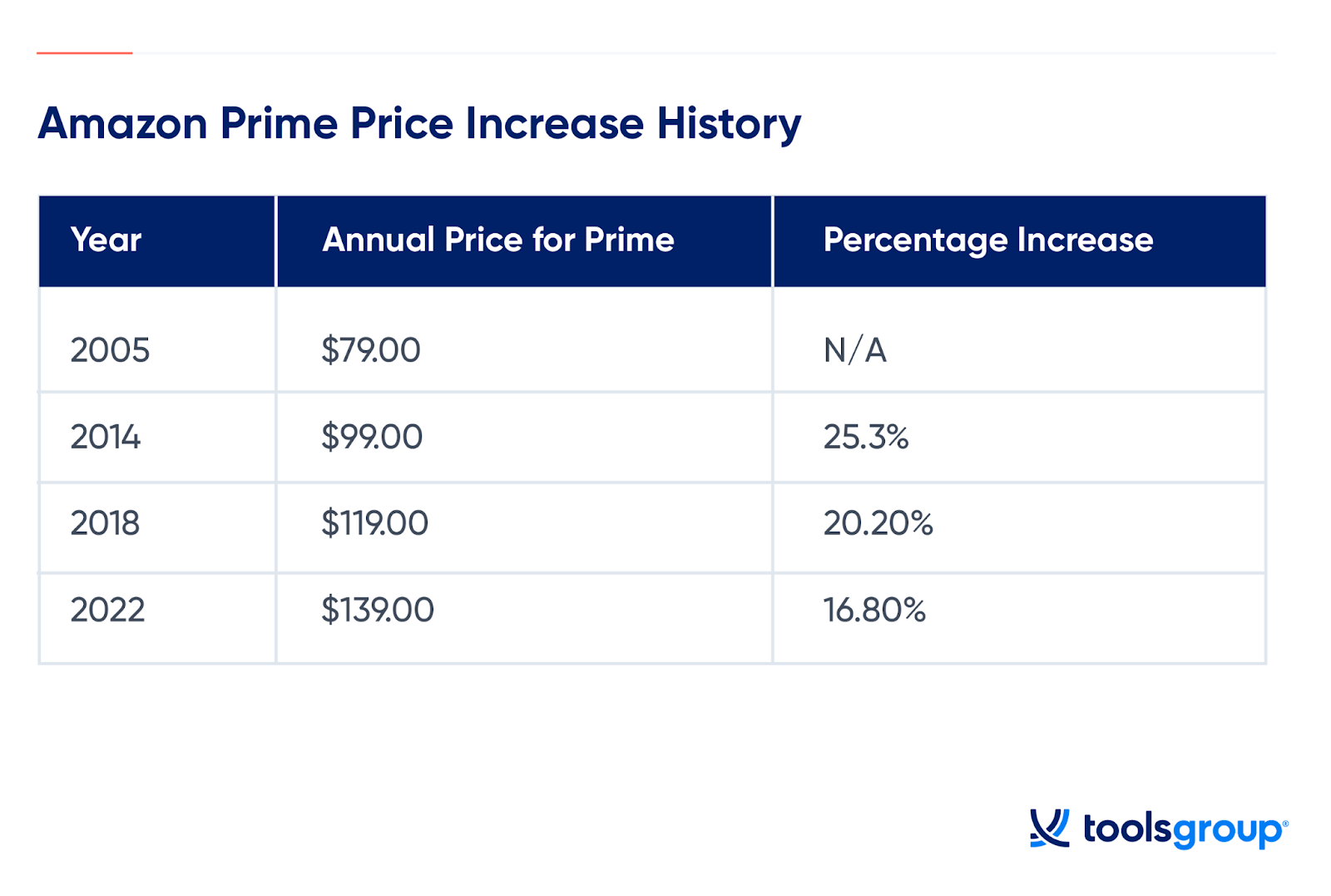
Amazon Prime has not always cost $139 annually. Since its inception in 2005 at $79 per year, the price has seen several increases:
- 2014: Increased to $99 per year.
- 2018: Increased to $119 per year.
- 2022: Increased to $139 per year.
These increases reflect Amazon’s expanding service offerings, rising operational costs (fuel, labor, logistics), and increased investment in original digital content. From a financial planning perspective, this historical trend suggests that future price adjustments are likely. Consumers should factor in the possibility of incremental cost increases when budgeting for long-term subscriptions.
Anticipating Future Adjustments
Predicting the exact timing and magnitude of future price increases is challenging, but several factors could influence them:
- Inflation: General economic inflation will naturally push up the cost of doing business for Amazon, eventually trickling down to subscription fees.
- Content Investment: Continued investment in Prime Video original programming, Amazon Music library expansion, and other digital content will be costly, justifying higher prices.
- Logistics Costs: The cost of fuel, warehousing, and last-mile delivery continue to fluctuate, impacting shipping costs which Amazon absorbs for Prime members.
- Competitor Pricing: Amazon also considers the pricing of rival subscription services when setting its own rates to remain competitive yet profitable.
Savvy financial planners should budget with a small buffer for potential increases or periodically re-evaluate the value proposition against a potentially rising cost.
Long-Term Budgeting for Subscription Services
Amazon Prime is just one of many subscription services vying for a slice of your monthly budget. Effective long-term financial planning requires a holistic view of all these recurring expenses.
- Annual Review: Conduct an annual “subscription audit.” Review all your recurring charges, identify those you no longer use or derive sufficient value from, and cancel them. This ensures you’re not paying for dormant services.
- Prioritize Value: Assign a “value score” to each subscription. Is it indispensable? A nice-to-have? Or rarely used? This helps in making tough decisions when budgets are tight.
- Bundling Opportunities: Look for other bundling opportunities beyond Amazon Prime (e.g., cell phone plans with streaming services, internet providers offering discounts for package deals).
- Consider the Opportunity Cost: Every dollar spent on a subscription is a dollar not saved or invested. Regularly question if the convenience and entertainment are worth the financial trade-off.
By actively managing your subscription portfolio, you maintain control over your finances, ensuring that services like Amazon Prime genuinely enhance your life without disproportionately draining your wallet.
The question “how much is a year of Amazon Prime?” serves as a gateway to a much deeper financial inquiry. While the direct cost is ascertainable, its true financial impact is woven into the myriad of benefits it offers. For many, Prime represents a clear financial advantage, a well-justified investment that streamlines shopping, provides robust entertainment, and unlocks various savings. For others, particularly those who don’t fully leverage its extensive offerings, the cost might outweigh the benefits. By conducting a thorough personal cost-benefit analysis, considering available discounts, and actively managing its usage, consumers can confidently decide if Amazon Prime holds a financially prudent place in their annual budget, ensuring every dollar spent delivers maximum value.
aViewFromTheCave is a participant in the Amazon Services LLC Associates Program, an affiliate advertising program designed to provide a means for sites to earn advertising fees by advertising and linking to Amazon.com. Amazon, the Amazon logo, AmazonSupply, and the AmazonSupply logo are trademarks of Amazon.com, Inc. or its affiliates. As an Amazon Associate we earn affiliate commissions from qualifying purchases.