
In an age of ubiquitous streaming services and advanced home entertainment systems, the allure of the movie theater remains potent for many. The communal experience, the colossal screen, the immersive sound, and the escape from daily life offer a unique form of recreation. However, a question often on the minds of potential moviegoers is increasingly pertinent: “How much is a ticket for the movie theater?” The answer, far from being a simple figure, is a complex interplay of economic factors, geographic variations, technological advancements, and strategic pricing models. For the financially savvy consumer, understanding these dynamics is key to enjoying the cinematic experience without overspending.
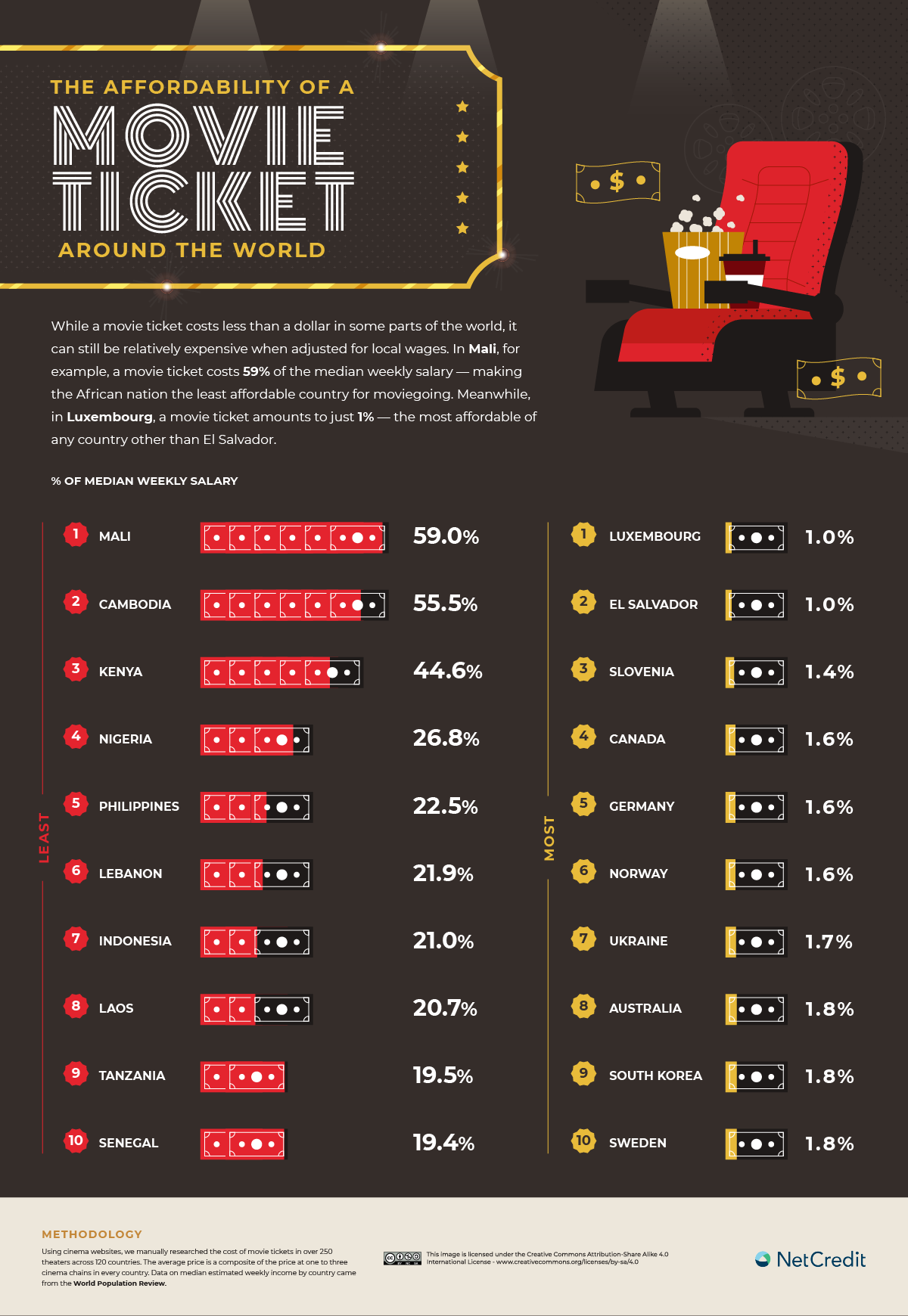
The Shifting Landscape of Movie Ticket Pricing
The cost of a movie ticket today is not what it once was, nor is it uniform across the board. Over decades, ticket prices have steadily climbed, reflecting broader economic shifts, technological innovations within cinemas, and evolving business strategies. Dissecting these movements offers valuable insight into the financial mechanics of the film exhibition industry.
Factors Influencing Ticket Costs
Several core factors conspire to determine the price you pay at the box office. Location is paramount; a ticket in Times Square, New York City, will almost invariably be more expensive than one in a small town in the Midwest. This geographical disparity often mirrors the cost of living and operational expenses in different regions. The time of day also plays a crucial role: matinee showings, typically before 5 PM, are often cheaper than evening shows, which cater to peak demand. Furthermore, the day of the week matters, with Tuesdays often designated as discount days and weekend evenings commanding the highest prices.
Beyond geography and timing, the film format significantly impacts cost. A standard 2D showing is the baseline, but premium formats such as IMAX, 3D, Dolby Cinema, and D-Box offer enhanced experiences at a premium price. These formats require specialized equipment, more complex projection systems, and often more comfortable seating, all of which contribute to a higher ticket price.
Historical Trends in Movie Pricing
Historically, movie ticket prices have demonstrated a consistent upward trajectory, though not always linearly. In the early 20th century, a nickel or a dime might have bought you admission. By the mid-century, prices had slowly crept up. The late 20th and early 21st centuries saw more pronounced increases, driven by inflation, rising operational costs, and the introduction of multiplexes and modern amenities. For instance, the average ticket price in the U.S. hovered around $2.80 in 1980 and had risen to over $9.00 by 2018. This trend reflects not just inflation but also the industry’s investment in creating a more luxurious and technologically advanced viewing environment, moving beyond simple projection rooms to full-fledged entertainment complexes.
The Impact of Inflation and Economic Conditions
Like all consumer goods and services, movie ticket prices are susceptible to inflation. As the cost of labor, utilities, rent, and film distribution rises, theaters must adjust their prices to maintain profitability. Economic downturns can sometimes slow these increases or even lead to promotional pricing to attract budget-conscious consumers. Conversely, during periods of economic prosperity, theaters may have more leeway to implement price hikes. The overall health of the economy, therefore, casts a long shadow over the affordability of a trip to the movies, directly influencing consumer spending habits on discretionary entertainment.
Deconstructing the Average Ticket Price
While an “average” ticket price provides a statistical benchmark, it often masks a vast array of pricing strategies and variations. A deeper dive into how these averages are calculated and what they truly represent reveals the nuances of movie theater economics.
Geographic Variations: Urban vs. Suburban vs. Rural
The price of a movie ticket is highly sensitive to its geographic context. In bustling metropolitan areas, where commercial real estate is expensive, wages are higher, and the concentration of entertainment options creates competitive pressures, ticket prices tend to be at their peak. An urban theater might charge $15-$20 for a standard evening show. Suburban theaters, often part of larger shopping centers, might offer slightly lower prices, perhaps in the $12-$16 range, balancing accessibility with local demand. Rural cinemas, facing lower overheads and serving smaller populations, typically feature the most affordable tickets, often in the $8-$12 range, striving to be an accessible entertainment hub for their communities.
Premium Formats: IMAX, 3D, Dolby Cinema, D-Box
The advent of premium large format (PLF) experiences has significantly diversified ticket pricing. These formats offer distinct advantages, from the expansive screen and intense sound of IMAX to the immersive visual depth of 3D, the dynamic audio-visual fidelity of Dolby Cinema, and the motion-synchronized seating of D-Box. Each comes with an additional surcharge. A standard ticket costing $12 might become $16-$18 for a 3D showing, and upwards of $20-$25 for IMAX, Dolby Cinema, or D-Box, depending on the location and specific amenities. These price points reflect the investment in specialized projection and sound systems, enhanced seating, and the unique viewing experience they promise.
Special Showings: Matinees, Tuesdays, Senior/Student Discounts
Smart moviegoers often leverage special showings and discounts to reduce costs. Matinee prices, usually for shows before 5 PM, can offer substantial savings, sometimes 20-40% off evening rates. Many theater chains designate specific weekdays, most commonly Tuesdays, as “discount days,” where all tickets are offered at a reduced, often flat, rate (e.g., $5-$7). Additionally, senior citizens, students, and military personnel are frequently eligible for special discounts upon presentation of valid ID. These targeted promotions are strategic, aiming to fill seats during off-peak hours and appeal to specific demographic segments.
Dynamic Pricing and Demand-Based Models
Some theaters are experimenting with dynamic pricing, a model more commonly seen in airlines or concert tickets, where prices fluctuate based on demand, showtime, and even seat location. Blockbuster releases on opening weekend, particularly for prime evening slots, might see higher prices, while less popular films or quieter showtimes could be cheaper. This data-driven approach allows theaters to optimize revenue, though it can sometimes be perceived as less transparent by consumers. While not universally adopted, the trend towards more flexible, demand-responsive pricing models is a significant development in the industry’s financial strategy.
Beyond the Ticket: Hidden Costs and Value Propositions
The true cost of a movie theater outing extends far beyond the ticket itself. For a comprehensive financial perspective, it’s essential to consider ancillary expenses and weigh the overall value proposition against alternative forms of entertainment.
The Concession Stand Conundrum
Perhaps the most significant “hidden” cost associated with moviegoing is the concession stand. Popcorn, soda, candy, and other snacks are notoriously expensive within the theater, often marked up by 300-500% or more. This seemingly exorbitant pricing isn’t arbitrary; concessions are a critical revenue stream for theaters, often generating higher profit margins than ticket sales themselves, especially after distributors take their cut of ticket revenue. A family of four could easily spend $30-$50 or more on snacks and drinks, doubling or tripling the total cost of their outing. Savvy consumers might choose to eat beforehand or limit concession purchases to minimize this expense.
Subscription Services and Loyalty Programs

To counter the rising costs and lure frequent moviegoers, many major cinema chains have introduced subscription services and loyalty programs. AMC Stubs A-List, Regal Unlimited, and Cinemark Movie Club are prominent examples, offering members the ability to see multiple movies per month for a fixed monthly fee (e.g., $20-$25). These programs typically include discounts on concessions, waived online ticketing fees, and other perks. For individuals who see 2-3 movies or more per month, these subscriptions offer significant savings and represent a strong value proposition, effectively reducing the per-ticket cost dramatically. Loyalty programs, even without a monthly fee, often reward points for purchases that can be redeemed for discounts or free items.
The Full Entertainment Budget: Parking, Babysitters, Dinner
A night at the movies often comes as part of a larger entertainment budget. Parking fees, especially in urban areas, can add $5-$20 to the total cost. Families with young children might incur babysitting expenses. For many, a movie outing is combined with dinner before or after the show, further increasing the total expenditure. When evaluating the financial impact of seeing a film in a theater, it’s crucial to consider all these peripheral costs to get a realistic picture of the overall investment in the experience.
Comparing Movie Theater Value to Other Entertainment Options
From a purely financial standpoint, the cost of a single movie ticket, especially with concessions, might seem high when compared to a month’s subscription for a streaming service that offers unlimited viewing. However, the value proposition of a movie theater is distinct. It’s an “event” – a shared cultural experience that streaming often can’t replicate. Comparing it solely on a per-hour cost basis misses the experiential value. It’s more akin to comparing a live concert ticket to an album download. The value often lies in the quality of the escape, the shared social aspect, and the immersive presentation that home setups rarely match.
Strategies for Savvy Moviegoers: Saving Money on Tickets
For those who love the big screen experience but are mindful of their budget, several practical strategies exist to significantly reduce the cost of movie theater tickets. Being an informed consumer can transform an expensive outing into an affordable treat.
Leveraging Discounts and Promotions
The easiest way to save money is to actively seek out and utilize available discounts. Many theaters partner with local businesses, schools, or offer special promotions through their websites or apps. Keep an eye out for coupons, email newsletters, and social media announcements. Some credit card companies or membership organizations (like AAA or AARP) also offer cinema discounts. Always check a theater’s website or your local deal sites before purchasing tickets.
The Power of Matinee and Off-Peak Showings
As discussed, matinee showings are almost universally cheaper than evening prime-time slots. If your schedule allows, catching a film in the afternoon can shave a significant percentage off the ticket price. Similarly, attending movies on weekdays, especially Mondays through Thursdays (excluding special events or holidays), will typically yield lower prices than weekend shows. Taking advantage of discount Tuesdays, if offered by your local cinema, is one of the most straightforward ways to save money.
Exploring Membership Programs and Annual Passes
For frequent moviegoers, signing up for a theater chain’s subscription service or annual pass is often the most cost-effective solution. If you plan to see 1-2 new releases a month, these programs quickly pay for themselves and offer benefits like concession discounts, waived online fees, and access to special screenings. Even if you don’t commit to a monthly subscription, joining free loyalty programs can earn you points, which eventually translate to free tickets, concessions, or other valuable rewards.
Bulk Buying and Gift Cards
Some theaters or third-party retailers offer discounted movie tickets when purchased in bulk. For example, buying a pack of 10 tickets might reduce the per-ticket cost by 10-20%. Similarly, buying theater gift cards from discount retailers or during promotional periods (e.g., “buy $50, get $10 free”) can lead to savings. These can be particularly useful for families or groups planning multiple outings throughout the year.
The Home Entertainment Alternative: Streaming vs. Cinema
Ultimately, for the most budget-conscious consumer, the most significant saving strategy might involve choosing home entertainment. With the proliferation of streaming services like Netflix, Disney+, Max, and Hulu, as well as digital rentals and purchases, a vast library of films is available at a fraction of the per-view cost of a cinema ticket. While it lacks the big-screen magic, the financial savings are undeniable. For many, the choice between cinema and home viewing boils down to a value judgment: the immersive, communal experience versus convenience and cost-efficiency.
The Economic Rationale Behind Ticket Prices
Understanding why movie tickets cost what they do requires an appreciation for the complex economic ecosystem of the film industry. Theater owners aren’t simply plucking numbers out of the air; their pricing strategies are carefully calibrated to ensure profitability in a challenging and competitive market.
Covering Operational Costs
Running a movie theater is an expensive endeavor. Significant operational costs include rent or mortgage payments for large commercial spaces, utilities (electricity for projectors, air conditioning), property taxes, and comprehensive insurance. Furthermore, staffing costs for ticket takers, concession workers, ushers, and management constitute a substantial overhead. Regular maintenance of facilities, cleaning, and repairs also contribute to the ongoing financial demands that must be covered by ticket sales and concessions.
Film Distribution and Studio Cuts
A major component of ticket revenue does not stay with the theater. Film studios, which produce and distribute the movies, typically take a significant percentage of each ticket sold. This percentage can vary widely, often starting high (e.g., 60-70%) for a film’s opening weekend and gradually decreasing over its theatrical run. This revenue split is a crucial aspect of the film industry’s financial model, dictating how much theaters can actually retain from their primary income source. Without concessions, many theaters would struggle to remain profitable.
Investing in Technology and Amenities
To attract and retain audiences, theaters continually invest in upgrading their technology and amenities. This includes transitioning from film projectors to digital projection, installing advanced sound systems (like Dolby Atmos), introducing premium large formats (IMAX, Dolby Cinema), and refurbishing auditoriums with luxury seating, recliner chairs, and even in-seat dining options. These technological and comfort enhancements come with substantial capital expenditure, which is naturally factored into ticket pricing to recoup the investment and provide a differentiated viewing experience.

Balancing Accessibility with Profitability
Ultimately, theater owners face the perpetual challenge of balancing accessibility with profitability. Setting ticket prices too high risks alienating potential customers and driving them towards home entertainment options. Setting them too low could jeopardize the theater’s financial viability. The careful calibration of various ticket prices – standard, premium, matinee, discount days – reflects an ongoing effort to maximize revenue while ensuring a broad base of consumers can still afford to enjoy the magic of the movies. This delicate balance ensures the continued existence of the theatrical experience for generations to come.
aViewFromTheCave is a participant in the Amazon Services LLC Associates Program, an affiliate advertising program designed to provide a means for sites to earn advertising fees by advertising and linking to Amazon.com. Amazon, the Amazon logo, AmazonSupply, and the AmazonSupply logo are trademarks of Amazon.com, Inc. or its affiliates. As an Amazon Associate we earn affiliate commissions from qualifying purchases.