
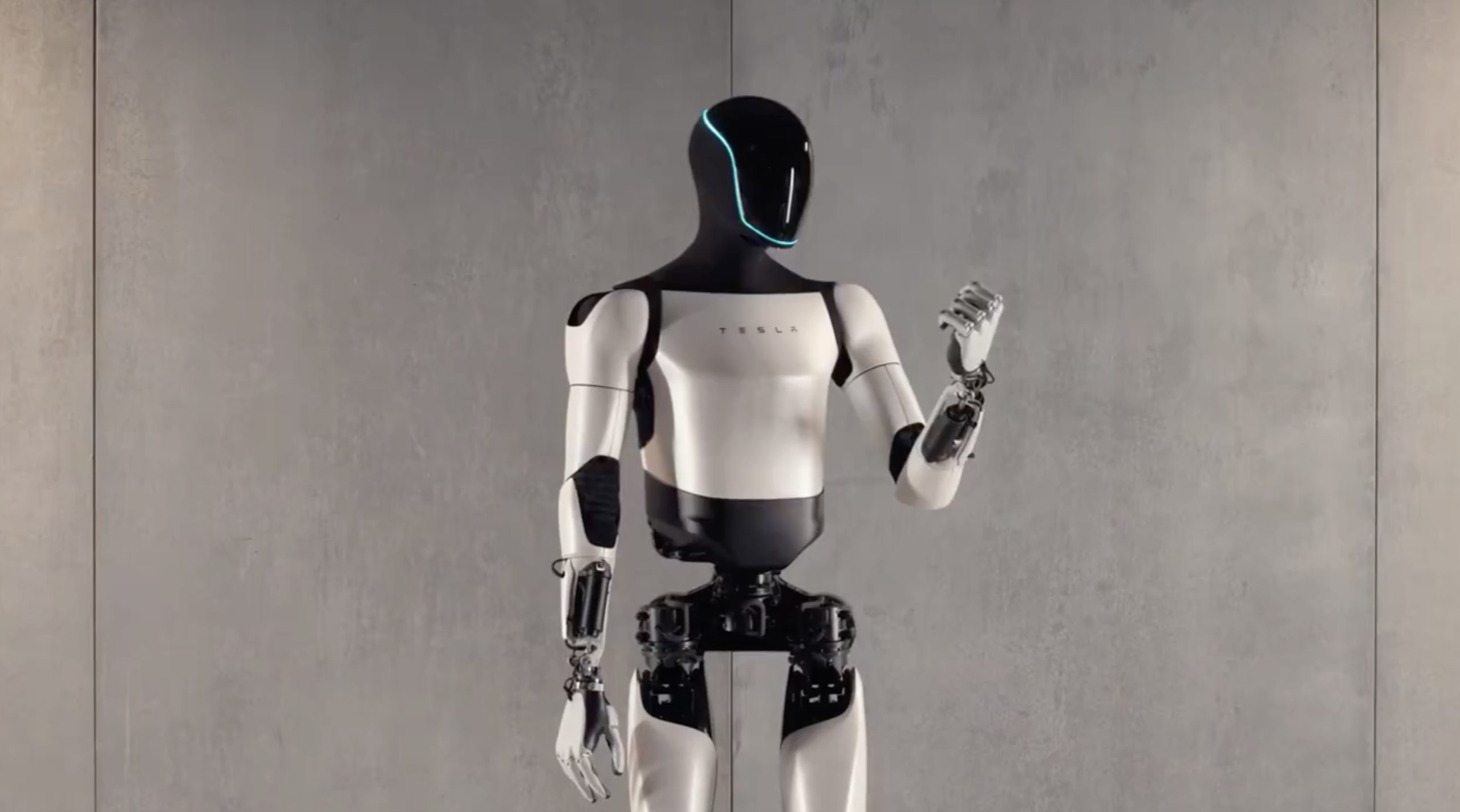
The advent of the Tesla Bot, codenamed Optimus, represents more than just a technological marvel; it ushers in a new era of economic considerations and financial shifts. While the exact commercial price remains speculative, understanding “how much is a Tesla Bot” extends far beyond a simple purchase figure. It encompasses a complex tapestry of initial investment, operational costs, potential returns, and broader market impacts that will reshape personal finance, business models, and investment strategies. For individuals and enterprises alike, grasping the multifaceted financial dimensions of humanoid robots like Optimus is crucial for navigating the opportunities and challenges ahead.
The Anticipated Price Tag: Initial Investment and Market Positioning
When considering the cost of a Tesla Bot, the immediate focus is often on its potential retail price. Elon Musk has publicly speculated a price point “less than a car,” possibly around $20,000, for future mass production. This projection immediately positions Optimus within a fascinating economic bracket, making it significantly more accessible than many industrial robots that can cost hundreds of thousands of dollars, yet a substantial investment for most individuals and small businesses.
The Dynamics of Tesla’s Pricing Strategy
Tesla’s history with its electric vehicles offers a valuable precedent for how Optimus might be priced. Initially, Tesla’s products targeted premium segments, leveraging advanced technology and brand appeal. Over time, as production scaled and technology matured, prices have trended downwards, aiming for mass-market adoption. This pattern suggests that an initial version of Optimus might be more expensive, catering to early adopters in industrial or specialized sectors, with subsequent generations benefiting from economies of scale. The $20,000 figure, if realized, would be a disruptive price point for a sophisticated humanoid robot, designed to accelerate adoption across various industries and potentially even into the consumer market.
Benchmarking Against Existing Solutions
To truly understand Optimus’s financial value, it’s essential to benchmark it against current alternatives. In an industrial context, companies currently invest in highly specialized automation equipment or human labor. A Tesla Bot priced at $20,000 would be considerably cheaper than a human worker’s annual salary, benefits, and associated overheads in many developed economies. Even compared to certain specialized industrial robotic arms or automated guided vehicles (AGVs), Optimus could offer a more versatile and potentially lower-cost solution, especially if its multi-functionality reduces the need for multiple single-purpose machines. For personal use, while no direct comparison exists, its cost would need to be weighed against the cumulative expenses of various services it could replace, from household chores to elder care assistance. This competitive positioning is critical for its market penetration and ultimately, its financial viability.
Beyond the Sticker Price: Understanding the Total Cost of Ownership (TCO)
The initial purchase price is merely the entry point to understanding the true financial commitment of owning a Tesla Bot. A comprehensive assessment requires delving into the Total Cost of Ownership (TCO), which includes all expenses incurred over the robot’s lifecycle. Ignoring TCO can lead to significant financial miscalculations and undermine the perceived value of such an investment.
Operational and Maintenance Expenses
Like any sophisticated piece of machinery, Optimus will incur ongoing operational and maintenance costs. Energy consumption will be a factor, though Tesla’s expertise in battery technology suggests efficient power management. Software licenses, updates, and subscriptions for advanced functionalities (e.g., new skills, enhanced AI models) could represent recurring costs, similar to software-as-a-service (SaaS) models. Furthermore, physical wear and tear will necessitate periodic maintenance, part replacements, and potential repairs. Tesla’s current service model for vehicles, which includes both warranty coverage and out-of-warranty repairs, provides a framework for how robot maintenance might be handled, with costs varying based on usage intensity and complexity of repairs. Businesses will need to factor these variables into their annual operating budgets, potentially setting aside reserves for unforeseen service needs.
Infrastructure and Integration Costs
Integrating a Tesla Bot into an existing operational environment, whether a factory floor, warehouse, or even a home, may involve additional costs. For businesses, this could mean adapting workspaces, setting up charging stations, installing network infrastructure for communication and data exchange, and potentially developing custom software integrations to interface Optimus with existing enterprise resource planning (ERP) or manufacturing execution systems (MES). Training human staff to work alongside and manage the robots will also be an investment in time and resources. For personal use, while less complex, considerations might include home modifications for optimal navigation or securing the bot during non-operational hours. These ancillary expenses, often overlooked during initial budget planning, can significantly inflate the true cost of deployment.
Calculating the Return on Investment (ROI): Value Creation for Businesses and Consumers

The most compelling aspect of “how much is a Tesla Bot” from a financial perspective is its potential Return on Investment (ROI). For any significant expenditure, particularly in a business context, the ability to generate financial returns or substantial cost savings is paramount. Optimus’s versatility promises diverse avenues for ROI, making it an attractive prospect across various sectors.
Enhancing Productivity and Reducing Labor Costs for Businesses
For businesses, the primary driver for adopting Optimus will likely be increased productivity and substantial labor cost savings. By automating repetitive, dangerous, or physically demanding tasks, bots can operate 24/7 without fatigue, breaks, or human error, leading to higher output and consistent quality. A single bot could potentially perform tasks currently requiring multiple human workers, especially in roles facing labor shortages. The elimination or reduction of wages, benefits, training costs, and occupational safety expenses represents a direct and quantifiable financial saving. In manufacturing, logistics, and retail, this could translate into significant operational efficiencies and improved bottom lines, allowing for a rapid payback period on the initial investment. Furthermore, by freeing human workers from menial tasks, businesses can reallocate their skilled workforce to more complex, creative, or strategic roles, optimizing human capital.
Generating Value in Niche and Consumer Applications
Beyond traditional industrial applications, Optimus could unlock new revenue streams and value propositions in niche and consumer markets. For service industries, a bot could handle front-line customer interactions, facility maintenance, or specialized assistance. In agriculture, it could perform precision farming tasks, optimizing resource use and yield. For individuals, while direct financial ROI is less clear, the value could come in the form of time savings from automated household chores, enhanced quality of life through assistance for the elderly or disabled, or even security applications. Quantifying this “value” for consumers might involve comparing it to the cumulative cost of hiring services (cleaners, caregivers) or the opportunity cost of time spent on menial tasks. The ability to perform a wide array of tasks could mean that the perceived value, even without direct monetary return, could justify the investment for certain demographics.
Investment Avenues: Capitalizing on the Robotics Revolution
The emergence of the Tesla Bot signals a burgeoning robotics and AI revolution, presenting diverse investment opportunities beyond merely purchasing the robot itself. Astute investors can position themselves to capitalize on the broader economic shifts this technology will engender.
Investing in Tesla and the Robotics Ecosystem
The most direct investment avenue is in Tesla (TSLA) stock. As the pioneer and leading developer of Optimus, Tesla stands to gain significantly from the successful commercialization and widespread adoption of its humanoid robots. Investor confidence in Tesla’s robotics division could become a major valuation driver. Beyond Tesla, the broader robotics ecosystem offers numerous opportunities. This includes companies specializing in robotic components (sensors, actuators, advanced materials), AI and machine learning software providers, automation solutions integrators, and firms developing specialized applications for humanoid robots. Exchange-Traded Funds (ETFs) focused on robotics and AI provide a diversified way to invest in this growing sector without needing to pick individual winners. These ETFs pool investments across multiple companies involved in automation, AI, and related technologies, spreading risk while offering exposure to the industry’s growth.
The Rise of Automation-Driven Industries
The widespread deployment of Tesla Bots will catalyze the growth of new industries and transform existing ones, creating secondary investment opportunities. Businesses that successfully integrate robotics will likely see increased profitability, making them attractive investment targets. This includes sectors like automated logistics and warehousing, smart manufacturing, robotic-assisted healthcare, and even a potential ‘robot-as-a-service’ (RaaS) market. Furthermore, industries that provide support services for robotics – such as data analytics for robot performance, specialized insurance, or repair and maintenance training centers – will also experience significant growth. Investors with a forward-looking perspective can identify and invest in companies poised to thrive in an economy increasingly shaped by intelligent automation.
The Broader Economic Impact: Financial Shifts and Future Markets
The question of “how much is a Tesla Bot” ultimately transcends individual transactions to touch upon profound macroeconomic shifts. The widespread adoption of humanoid robots like Optimus will reshape labor markets, influence global productivity, and create entirely new financial paradigms.
Reshaping Labor Markets and Wages
One of the most significant financial impacts will be on labor markets. While fears of mass job displacement are often raised, the reality is likely more nuanced. Robots will take over repetitive and dangerous tasks, leading to a shift in demand for human skills. There will be increased demand for roles in robot management, maintenance, programming, and ethical oversight. This transition will necessitate substantial investment in retraining and upskilling programs for the existing workforce. From a financial perspective, businesses will benefit from lower labor costs and increased productivity, potentially leading to higher profits and more competitive pricing. Governments, in turn, may need to explore new forms of social safety nets or taxation models to manage the economic effects of this automation, such as Universal Basic Income (UBI) or robot taxes, which have their own financial implications.
Driving Global Productivity and Economic Growth
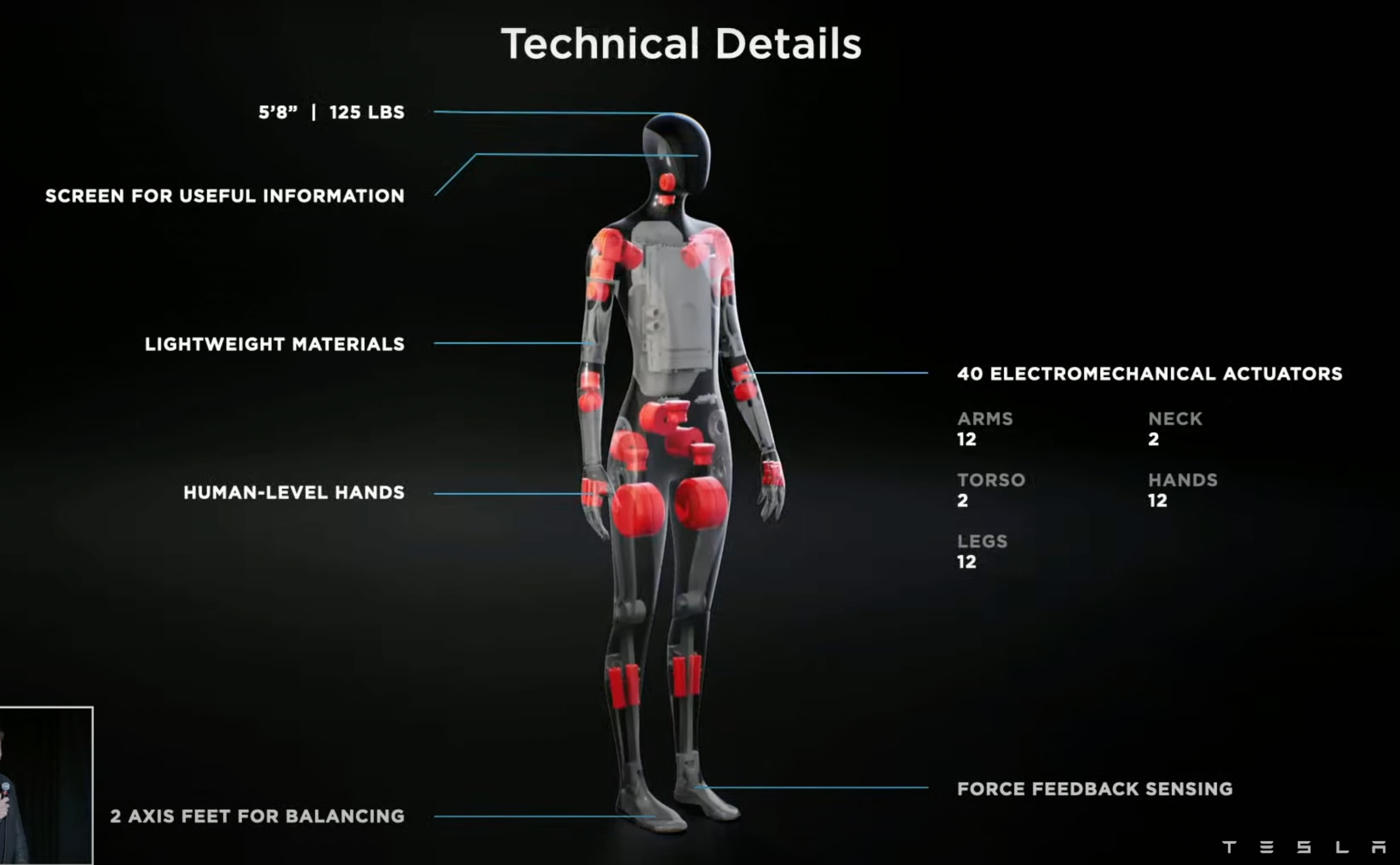
On a macro level, widespread robot deployment has the potential to dramatically boost global productivity. By automating tasks across industries, Optimus could lead to a significant increase in output, efficiency, and resource optimization. This surge in productivity is a fundamental driver of economic growth, potentially leading to higher GDPs and improved living standards globally. Countries and regions that embrace and integrate robotics effectively will likely gain a competitive edge in the global economy, attracting investment and fostering innovation. The financial benefits could manifest in reduced production costs for goods, more accessible services, and the creation of entirely new markets driven by robotic capabilities, ultimately leading to a more affluent society.
In conclusion, the inquiry into “how much is a Tesla Bot” unravels a rich financial narrative. From the initial projected price point and competitive benchmarking to the critical total cost of ownership, the value proposition through ROI for businesses and consumers, and the broader spectrum of investment opportunities, Optimus stands as a harbinger of significant economic transformation. Its impact will resonate across personal finance, corporate strategies, and global macroeconomic trends, making its financial implications a focal point for understanding the future of automation and artificial intelligence.
aViewFromTheCave is a participant in the Amazon Services LLC Associates Program, an affiliate advertising program designed to provide a means for sites to earn advertising fees by advertising and linking to Amazon.com. Amazon, the Amazon logo, AmazonSupply, and the AmazonSupply logo are trademarks of Amazon.com, Inc. or its affiliates. As an Amazon Associate we earn affiliate commissions from qualifying purchases.