
In the world of retail investing, few names carry as much weight as Facebook. Now officially known as Meta Platforms, Inc., the company has transformed from a dorm-room social network into a global conglomerate that dominates the digital advertising landscape. When an investor asks, “How much is a stock in Facebook?” the answer involves more than a simple dollar figure. It requires an understanding of market dynamics, the shift from the ticker symbol “FB” to “META,” and the fundamental valuation metrics that determine whether the current price represents a bargain or an overextension.

As of today, Meta Platforms remains one of the most liquid and actively traded assets on the Nasdaq. To understand its cost, one must look past the daily fluctuations of the stock market and dive into the mechanics of what makes this technology giant move.
Factors Influencing the Real-Time Price of Meta Stock
The price of a single share of Meta is never static; it is the result of millions of buy and sell orders processed every second. Several core factors dictate these movements, ranging from micro-level company performance to macro-level economic shifts.
Earnings Reports and Quarterly Performance
Every three months, Meta releases its quarterly earnings report. These documents are the primary catalysts for significant price swings. Investors look specifically at Daily Active Users (DAU), Average Revenue Per User (ARPU), and total advertising revenue. If Meta beats analyst expectations for user growth or profit margins, the stock price typically surges. Conversely, any sign of stagnation in user engagement or a miss on revenue guidance can lead to sharp declines. For the modern investor, the “cost” of the stock is often a reflection of the market’s confidence in the most recent earnings call.
The Impact of Interest Rates and Macroeconomic Conditions
As a high-growth technology company, Meta is sensitive to the interest rate environment set by the Federal Reserve. When interest rates rise, the “discount rate” applied to future earnings increases, which can lower the present value of the stock. Furthermore, because Meta relies heavily on advertising spend, general economic health plays a vital role. In a looming recession, businesses often cut their marketing budgets first, which directly impacts Meta’s bottom line and, subsequently, its share price.
Regulatory Scrutiny and Legal Challenges
Meta operates under a microscope. Antitrust investigations in the United States and the European Union, data privacy regulations like GDPR, and updates to mobile operating systems (such as Apple’s App Tracking Transparency) have historically caused volatility. When the market perceives a threat to Meta’s ability to target ads effectively or anticipates massive fines, the stock price reflects that risk premium.
The Evolution of Meta’s Valuation: From Social Media to the Metaverse
To understand why Meta stock is priced the way it is, one must examine the company’s pivot from a pure social media play to a “metaverse” and AI-centric firm. This transition has fundamentally altered how analysts value the company.
The Revenue Engine: Digital Advertising
Despite the name change, the vast majority of Meta’s valuation is supported by its “Family of Apps,” which includes Facebook, Instagram, Messenger, and WhatsApp. This ecosystem represents one of the most powerful advertising engines in history. The company’s ability to leverage user data to provide high-intent targeting for small and large businesses alike creates a massive moat. Investors value the stock based on the sustainability of this high-margin revenue stream.
Reality Labs and the High-Stakes Bet on Virtual Reality
A significant portion of Meta’s capital expenditure is directed toward Reality Labs, the division responsible for virtual reality (VR) and augmented reality (AR) hardware and software. For several years, this division has operated at a multi-billion dollar loss. The stock price often reflects a tug-of-war between “value” investors, who want the company to focus on its profitable apps, and “growth” investors, who believe the metaverse is the next frontier of human computing.
The Role of Artificial Intelligence in Growth
In recent years, Meta’s investment in Artificial Intelligence (AI) has become a primary driver of its stock price. By using AI to improve content recommendation algorithms (Reels) and to automate ad placements (Advantage+), Meta has managed to increase engagement and efficiency. The market currently assigns a premium to Meta because of its massive GPU clusters and its open-source AI models, such as Llama, positioning it as a leader in the generative AI race.
How to Evaluate the Investment Potential of Meta
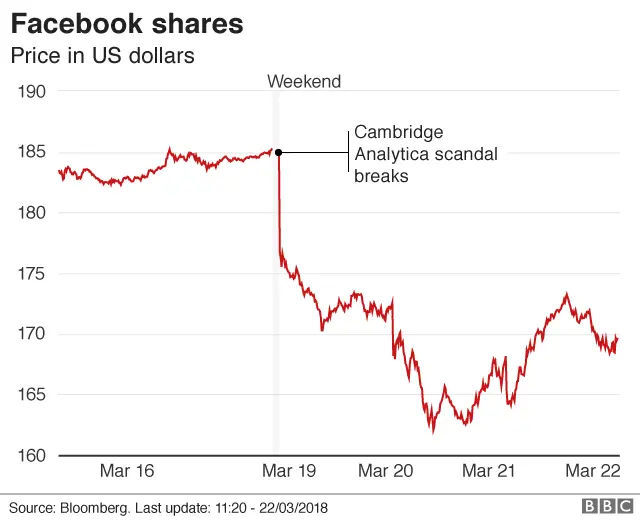
Knowing the price of a stock is only useful if you can determine its value. Investors use several financial ratios to decide if the current price of Meta is a “fair” entry point.
Price-to-Earnings (P/E) Ratio vs. Industry Peers
The P/E ratio is the most common metric used to value Meta. It compares the current share price to the company’s per-share earnings. Historically, Meta has often traded at a lower P/E ratio than peers like Nvidia or Microsoft, sometimes being classified as a “value” play within the tech sector. An investor should compare Meta’s forward P/E ratio to its historical average and to the broader S&P 500 to determine if the stock is overbought or oversold.
Free Cash Flow and Capital Allocation
Meta is a cash-generating machine. Its ability to produce massive amounts of free cash flow allows it to weather economic downturns and reinvest in its business. Furthermore, the company’s decision to initiate its first-ever dividend in 2024 and its aggressive share buyback programs are signals to investors that the management is committed to returning value to shareholders. These actions often provide a “floor” for the stock price.
Institutional Ownership and Market Sentiment
Large institutional investors—such as pension funds, hedge funds, and mutual funds—own the majority of Meta’s shares. When these “big players” shift their portfolios, it moves the needle. Retail investors should monitor institutional sentiment and analyst ratings from major banks. If the consensus among Wall Street analysts moves from “Hold” to “Buy,” it often creates upward momentum for the share price.
Practical Steps for Purchasing Your First Share
If you have determined that the current price of Meta fits your investment strategy, the process of acquiring the stock is more accessible than ever before.
Choosing a Brokerage Platform
To buy Meta stock, you need a brokerage account. Modern platforms like Fidelity, Charles Schwab, Vanguard, or app-based brokers like Robinhood and E*TRADE offer seamless access to the Nasdaq. When choosing a broker, consider factors such as commission fees (most are now $0), the quality of their research tools, and the user interface of their mobile app.
Fractional Shares: Investing Without Buying a Full Stock
One common misconception is that you need several hundred dollars to start investing in a high-priced tech stock. Most modern brokerages offer “fractional shares.” This means if Meta is trading at $500 per share, but you only have $50 to invest, you can buy 10% of a share. This lowers the barrier to entry and allows for “dollar-cost averaging,” where you invest a fixed amount regularly regardless of the stock price.
Long-term Holding vs. Short-term Trading
Before buying, you must define your time horizon. Short-term traders look to capitalize on daily price volatility driven by news cycles or technical chart patterns. Long-term investors, however, focus on the “compounding” power of the company. Given Meta’s dominant market position and its pivot toward AI, many financial advisors suggest a multi-year outlook to smooth out the inherent volatility of the tech sector.
Risk Management and the Future Outlook for Shareholders
No investment is without risk. While Meta has shown incredible resilience, potential shareholders must be aware of the headwinds that could depress the stock price in the future.
Ad-Tech Competition from TikTok and Google
Meta no longer enjoys a monopoly on social attention. TikTok has captured a significant share of the “short-form video” market, forcing Meta to pivot heavily into Reels. Additionally, Google remains a formidable competitor in the digital ad space. If Meta fails to innovate or loses its “cool factor” among younger demographics (Gen Z and Gen Alpha), its advertising dominance could erode, taking the stock price with it.

Capital Expenditure and the “Efficiency” Mandate
In 2023, Meta CEO Mark Zuckerberg declared a “Year of Efficiency,” which involved significant layoffs and a narrowing of focus. This was celebrated by the market, leading to a massive recovery in the stock price. However, the risk remains that Meta may overspend on speculative projects like the metaverse or underinvest in core infrastructure. Maintaining a balance between visionary spending and fiscal discipline is critical for sustained stock growth.
The question of “how much is a stock in Facebook” is a gateway into the complex world of equity markets. Whether you are looking at the nominal dollar price on a ticker tape or evaluating the intrinsic value through financial statements, Meta Platforms represents a unique intersection of social influence and financial power. By understanding the underlying drivers of its price—from AI integration to regulatory hurdles—investors can make informed decisions about how this tech giant fits into their personal financial portfolio.
aViewFromTheCave is a participant in the Amazon Services LLC Associates Program, an affiliate advertising program designed to provide a means for sites to earn advertising fees by advertising and linking to Amazon.com. Amazon, the Amazon logo, AmazonSupply, and the AmazonSupply logo are trademarks of Amazon.com, Inc. or its affiliates. As an Amazon Associate we earn affiliate commissions from qualifying purchases.