
The question “how much is a share of NVDA” is one that frequently crosses the minds of both seasoned investors and curious newcomers to the stock market. It’s a query that, while seemingly straightforward, opens the door to a complex and dynamic world of financial valuation, market forces, and the underlying strength of one of the most influential technology companies of our time. NVIDIA (NVDA) stands at the forefront of several transformative industries, from artificial intelligence and high-performance computing to gaming and autonomous vehicles. Its stock price, therefore, is not merely a static number but a real-time reflection of market sentiment, technological advancement, financial performance, and future expectations.
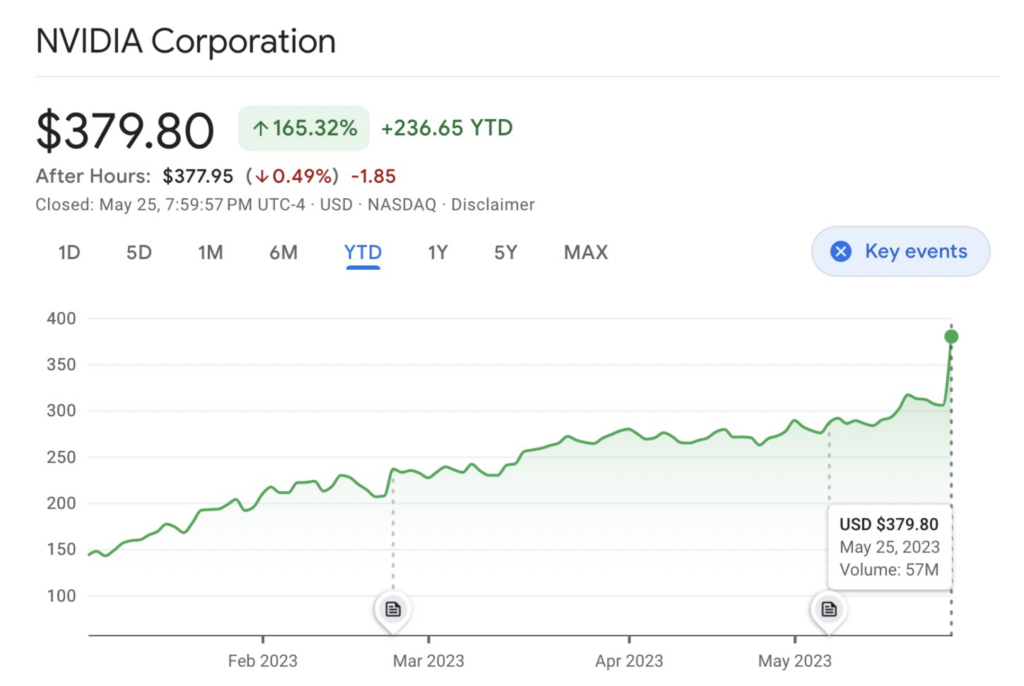
Understanding “how much” a share of NVDA costs requires delving beyond a simple dollar figure. It demands an appreciation for the factors that drive its value, the context within which its price fluctuates, and the diligent research necessary for making informed investment decisions. This article will explore the multifaceted answer to this question, positioning it firmly within the realm of personal finance and investing, and offering insights for those looking to understand or potentially invest in NVIDIA.
The Dynamic Nature of Stock Prices and NVIDIA’s Market Position
The first crucial insight for anyone asking about the price of a stock, especially one as prominent as NVIDIA, is that stock prices are inherently dynamic. They are not fixed; rather, they ebb and flow with every trade, every news headline, and every shift in investor perception.
Real-Time Valuation: More Than Just a Number
When you ask “how much is a share of NVDA,” you’re seeking a snapshot of its real-time valuation. This figure is constantly updated throughout trading hours, reflecting the last price at which a share was bought or sold. This instantaneous price is available on virtually all financial news websites, brokerage platforms, and even a quick search on major search engines. However, this number, while precise for that exact moment, is fleeting. It’s the tip of an iceberg, with a vast array of underlying forces determining its movement.
NVIDIA, as a leading semiconductor company, commands significant attention from the investment community. Its products – particularly its graphics processing units (GPUs) – are indispensable for tasks ranging from powering the most advanced video games to accelerating complex AI models and supporting massive data centers. This pivotal role in the digital economy underpins its market capitalization, which represents the total value of all its outstanding shares. A high market capitalization indicates a company with substantial market influence and investor confidence, often translating into a higher per-share price, assuming a reasonable number of outstanding shares.
NVIDIA’s Dominance: A Premium Reflected in Price
NVIDIA’s strategic dominance in key growth sectors such as AI, data centers, and professional visualization often means its stock trades at a premium. Investors are frequently willing to pay more for a company with a strong competitive moat, innovative products, and a clear path to future growth. This perception of leadership and innovation is a significant component of “how much” investors are willing to pay for a share. The company’s consistent innovation in GPU architecture, its robust software ecosystem (like CUDA), and its expansion into new markets (such as automotive AI) all contribute to its elevated status and, by extension, its stock valuation. This isn’t just about current profits; it’s about the market’s assessment of its long-term potential and its ability to continue revolutionizing technology.
Key Factors Influencing NVIDIA’s Stock Price (NVDA)
Understanding the factors that cause a stock price to move is fundamental to comprehending its valuation. For NVIDIA, a confluence of internal performance metrics, industry trends, and broader macroeconomic conditions constantly shapes its share price.
Earnings Reports and Financial Performance
At the core of any company’s valuation are its financial results. NVIDIA’s quarterly and annual earnings reports are critical events for investors. These reports detail revenue, net income, earnings per share (EPS), and provide guidance for future performance.
-
Exceeding expectations: If NVIDIA surpasses analyst estimates for revenue or EPS, or offers an optimistic outlook, its stock price typically rises as investors gain confidence.
-
Missing expectations: Conversely, falling short of expectations or issuing conservative guidance can lead to a significant price drop.
-
Profitability and Margins: Investors closely scrutinize NVIDIA’s gross and net profit margins, especially given the high R&D costs associated with chip development. Strong margins indicate efficient operations and pricing power.
Market Trends and Industry Developments
NVIDIA operates at the epicenter of several high-growth industries. Trends in these sectors directly impact its business and, consequently, its stock price.
-
Artificial Intelligence (AI): The burgeoning demand for AI and machine learning drives an immense need for NVIDIA’s powerful GPUs, which are essential for training and deploying AI models. Positive news in AI development, or increased enterprise adoption, often correlates with NVDA’s performance.
-
Data Centers: Cloud computing providers and enterprises continually upgrade their data centers with NVIDIA hardware to handle increasing computational loads. Growth in cloud infrastructure spending directly benefits NVIDIA.
-
Gaming: While AI and data centers are major drivers, NVIDIA’s roots in gaming remain important. New product cycles (e.g., new GPU series launches), competitive dynamics, and the overall health of the gaming market influence this segment.
-
Competition: The presence of strong competitors like AMD and Intel, as well as the rise of custom AI chips from tech giants, can put pressure on NVIDIA’s market share and pricing power, impacting investor sentiment.
Macroeconomic Conditions and Investor Sentiment
Beyond company-specific factors, broader economic and market conditions play a significant role in NVDA’s valuation.
-
Interest Rates and Inflation: Higher interest rates can make future earnings less valuable in present terms, often negatively impacting growth stocks like NVIDIA. Inflation can affect production costs and consumer spending power.
-
Geopolitical Events: Trade tensions (especially concerning semiconductor supply chains between the US and China), global conflicts, or political instability can introduce uncertainty and volatility.
-
Overall Market Sentiment: General investor appetite for growth stocks versus value stocks, or risk-on versus risk-off sentiment, can sway NVDA’s price. During periods of market exuberance, growth stocks often thrive; during downturns, they can be hit harder.
-
Analyst Ratings: Price targets and recommendations from financial analysts at major investment banks can also influence short-term price movements, though long-term investors typically conduct their own research.
Supply Chain Dynamics and Geopolitical Factors
The semiconductor industry is globally interconnected and highly susceptible to supply chain disruptions.
-
Chip Shortages/Oversupply: Disruptions in manufacturing or logistics can impact NVIDIA’s ability to meet demand, affecting revenue and profits. Conversely, oversupply can lead to pricing pressure.
-
Trade Policies: Government policies, tariffs, and export controls (particularly related to advanced chip technology) can significantly impact NVIDIA’s access to markets or its operational efficiency. For instance, restrictions on selling advanced AI chips to certain countries can directly affect NVIDIA’s top-line revenue.
Analyzing NVIDIA as an Investment Opportunity
For those pondering an investment in NVDA, understanding the “how much” question is just the beginning. A deeper dive into its investment profile, including its valuation, risks, and suitability for different investment horizons, is paramount.
Growth Potential vs. Current Valuation
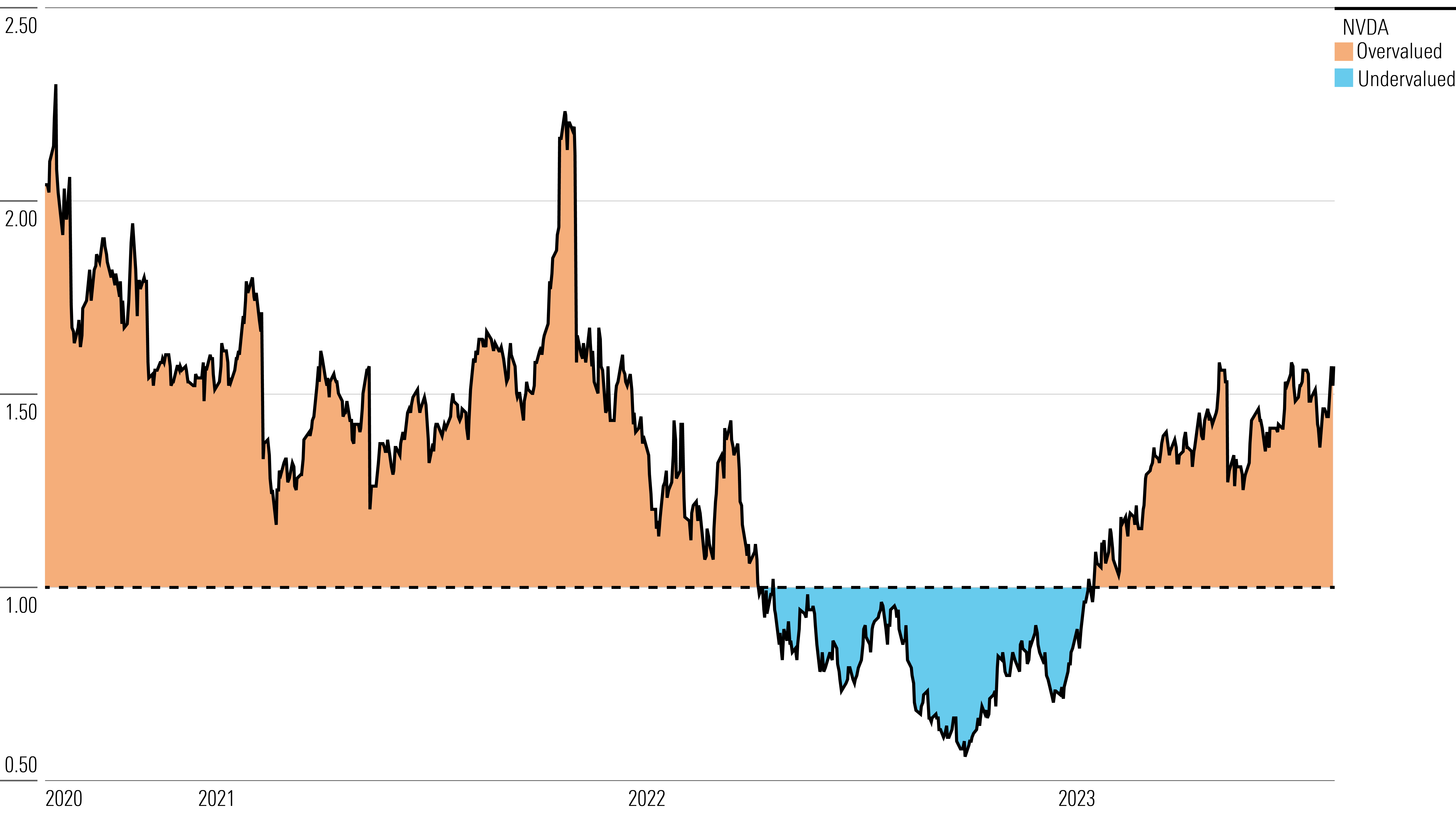
NVIDIA is undeniably a growth stock, characterized by strong revenue expansion and market leadership. However, investors must grapple with the question of its current valuation: is it overvalued, undervalued, or fairly priced?
-
Valuation Metrics: Investors commonly use metrics like the Price-to-Earnings (P/E) ratio, Price-to-Sales (P/S) ratio, and PEG (P/E to Growth) ratio to assess a company’s valuation relative to its earnings, sales, and growth prospects. A high P/E ratio for NVDA might be justified by its high growth trajectory, but it also signals that a significant portion of its future growth is already “priced in.”
-
Comparative Analysis: Comparing NVDA’s valuation metrics to its peers (like AMD, Intel, or other large-cap tech companies) provides context. While direct comparisons are tricky due to differing business models, it offers a broader sense of market expectations.
Risks Associated with Investing in NVDA
No investment is without risk, and NVIDIA, despite its strengths, carries its own set of potential downsides.
-
Competition: While a leader, NVIDIA faces fierce competition. AMD continues to innovate in GPUs and CPUs, and major tech companies are developing their own custom AI chips (e.g., Google’s TPUs, Amazon’s Inferentia).
-
Market Cyclicality: Some of NVIDIA’s segments, particularly gaming and professional visualization, can be cyclical, influenced by economic downturns or shifts in consumer spending. The crypto mining boom and bust cycles have also shown how external factors can create significant volatility for GPU demand.
-
Regulatory Scrutiny: As a dominant player, NVIDIA may face increased antitrust scrutiny or regulatory challenges, particularly if it attempts large acquisitions or is perceived to have monopolistic practices.
-
Technological Obsolescence: The rapid pace of technological change means that even today’s cutting-edge products could become obsolete tomorrow. NVIDIA must continually innovate to stay ahead.
-
Customer Concentration: A significant portion of NVIDIA’s revenue might come from a relatively small number of large data center and cloud customers, making it potentially vulnerable to their purchasing decisions.
Long-Term vs. Short-Term Investment Horizons
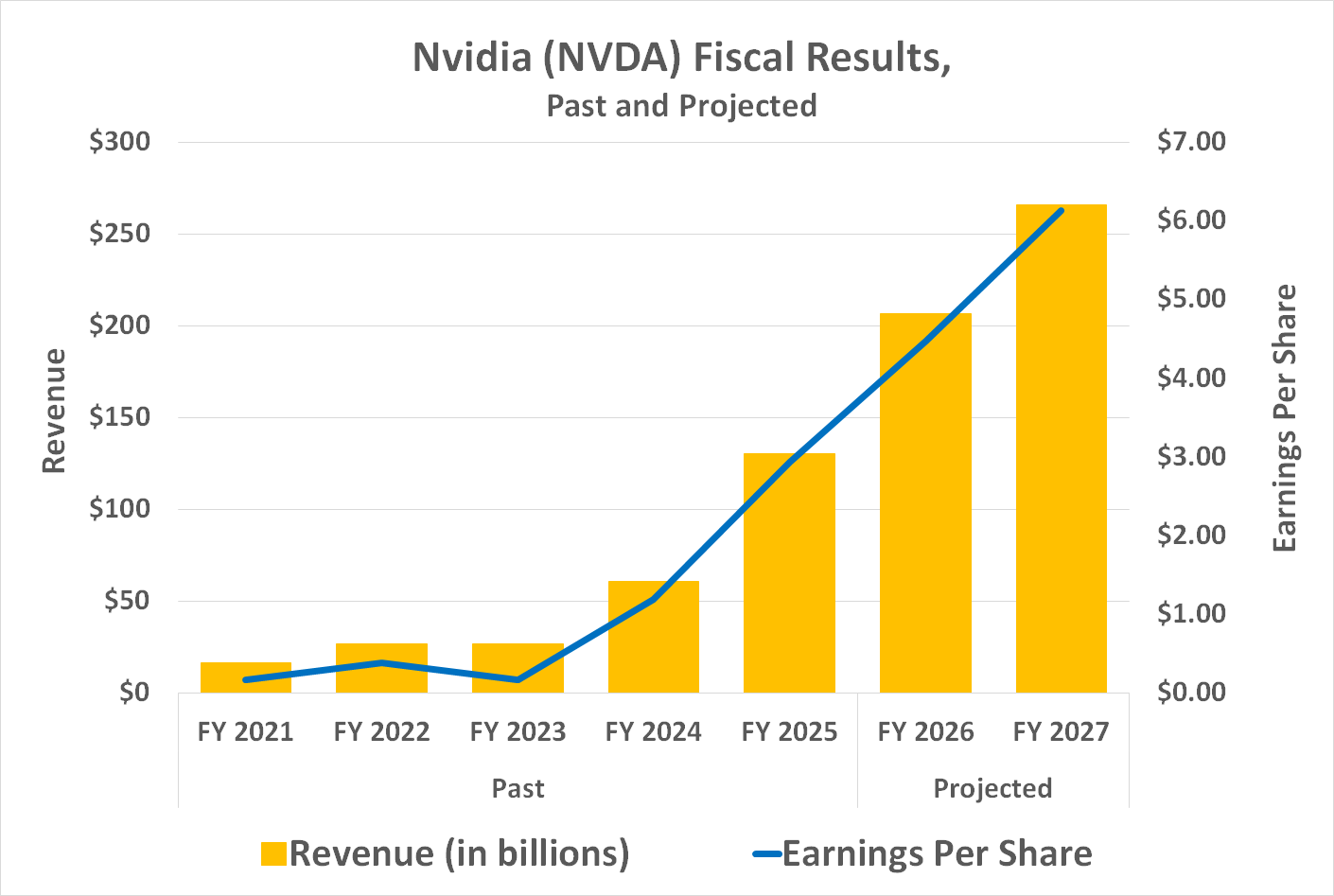
NVIDIA has demonstrated remarkable long-term growth, rewarding patient investors. Its consistent innovation and expansion into critical technology sectors suggest continued relevance for years to come. For long-term investors, the day-to-day fluctuations in “how much” a share costs are often less critical than the company’s fundamental trajectory.
However, in the short term, NVDA can be highly volatile. Its stock is often subject to rapid swings based on quarterly earnings, market news, analyst upgrades/downgrades, and broader tech sector movements. Short-term traders might focus on these rapid price movements, but for most individuals, NVIDIA is typically considered a long-term growth play, suitable for those with a higher risk tolerance and an investment horizon of several years.
Practical Steps for Potential NVIDIA Investors
For those intrigued by NVIDIA and considering an investment, a few practical steps can help in navigating the market.
How to Find the Current NVDA Stock Price
As mentioned, finding the real-time price is easy:
-
Brokerage Platforms: If you have an investment account with brokers like Fidelity, Charles Schwab, E*TRADE, or Robinhood, simply search for the ticker symbol “NVDA.”
-
Financial News Websites: Sites like Bloomberg, Reuters, The Wall Street Journal, Yahoo Finance, and Google Finance all provide real-time or delayed stock quotes.
-
NVIDIA’s Investor Relations: The company’s official investor relations website typically provides up-to-date stock information.
Understanding Different Ways to Invest
You don’t have to buy individual shares of NVDA to gain exposure:
-
Direct Stock Purchase: This involves buying shares directly through a brokerage account. You become a direct owner of a portion of the company.
-
Exchange-Traded Funds (ETFs): Many technology-focused or AI-focused ETFs include NVIDIA as a top holding. Investing in an ETF can provide diversification while still gaining exposure to NVDA’s performance, albeit indirectly.
-
Options Trading: For advanced investors, options contracts on NVDA allow for leveraged bets on its price movements. However, options are complex and carry significantly higher risk, often leading to substantial losses for inexperienced traders. It’s generally not recommended for beginners.
Diversification and Due Diligence
Even the most compelling growth stories warrant caution:
-
Diversify Your Portfolio: Never put all your investment capital into a single stock, no matter how promising it seems. A diversified portfolio, spread across different companies, industries, and asset classes, is crucial for managing risk.
-
Conduct Your Own Research: While analyst reports and news articles are helpful, always perform your own due diligence. Read NVIDIA’s annual reports (10-K) and quarterly reports (10-Q), understand its business model, competitive landscape, and future prospects. Formulate your own thesis.
-
Consult a Financial Advisor: If you’re unsure about investing in individual stocks or how NVDA fits into your overall financial plan, consider speaking with a qualified financial advisor. They can help assess your risk tolerance and financial goals.
Conclusion
“How much is a share of NVDA?” is a question with a dynamic, multifaceted answer that evolves every second the market is open. More than a simple dollar figure, it represents the market’s collective assessment of NVIDIA’s current performance, future potential, and position within the rapidly advancing technological landscape. As a dominant force in AI, gaming, and data centers, NVIDIA’s stock often reflects a premium valuation, driven by innovation and market leadership.
However, prospective investors must look beyond the immediate price tag. A comprehensive understanding requires an analysis of its financial health, the trends shaping its core markets, macroeconomic influences, and inherent investment risks. By conducting thorough due diligence, understanding personal financial goals, and embracing the principles of diversification, investors can approach NVDA not just by asking “how much,” but by fully comprehending the robust investment narrative behind this influential technology giant. Investing wisely in NVIDIA, or any stock, means understanding the intricate dance between innovation, finance, and market perception.
aViewFromTheCave is a participant in the Amazon Services LLC Associates Program, an affiliate advertising program designed to provide a means for sites to earn advertising fees by advertising and linking to Amazon.com. Amazon, the Amazon logo, AmazonSupply, and the AmazonSupply logo are trademarks of Amazon.com, Inc. or its affiliates. As an Amazon Associate we earn affiliate commissions from qualifying purchases.