
For decades, Apple Inc. (AAPL) has served as a bellwether for the global equity markets. When investors ask, “how much is a share of Apple,” they are rarely looking for a simple real-time quote available on any financial dashboard. Instead, they are often inquiring about the underlying value, the historical growth trajectory, and the future earnings potential of one of the world’s most successful corporate entities. Investing in Apple is not merely a tech play; it is a foundational component of modern personal finance and institutional portfolio management.
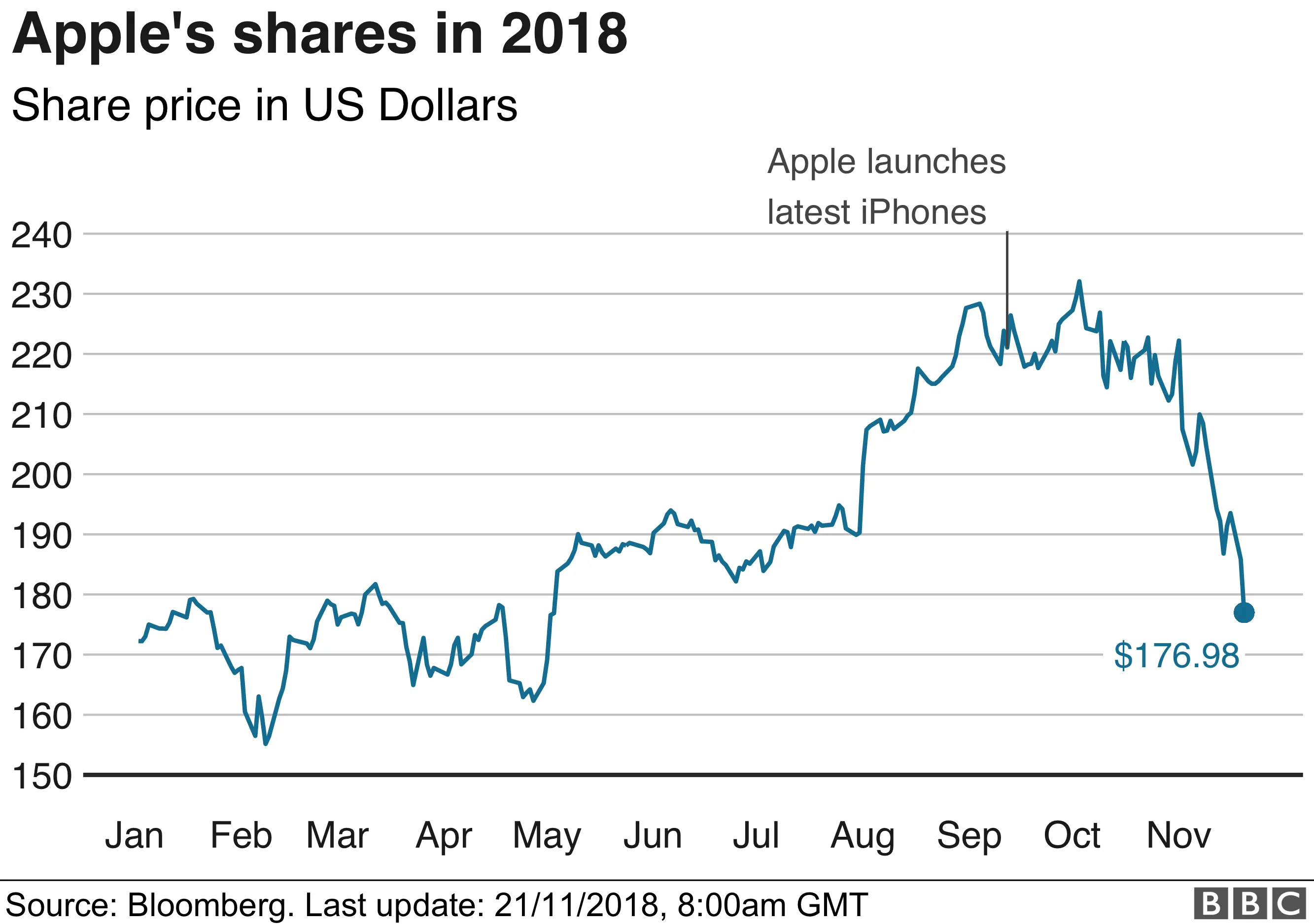
To understand the price of an Apple share, one must look beyond the daily fluctuations of the Nasdaq. Understanding its price requires a grasp of market capitalization, valuation multiples, and the company’s aggressive capital return programs.
1. Understanding Apple’s Current Market Position and Stock Valuation
The nominal price of a single Apple share is a product of the company’s massive market capitalization divided by billions of outstanding shares. However, to the sophisticated investor, the “cost” of a share is best understood through the lens of valuation metrics, specifically the Price-to-Earnings (P/E) ratio.
The Impact of Historical Stock Splits
One reason Apple remains accessible to retail investors is its history of stock splits. If Apple had never split its stock, a single share would cost tens of thousands of dollars, making it difficult for individual investors to practice granular portfolio management. By executing splits—most recently the 4-for-1 split in 2020—Apple ensures liquidity in the market. This strategy allows the “price” to remain psychologically attractive while the total market value of the company continues to climb into the trillions.
Market Capitalization and Benchmark Influence
Apple frequently vies for the title of the world’s most valuable company. Its market capitalization—the total dollar value of all outstanding shares—serves as a cornerstone for the S&P 500 and the Dow Jones Industrial Average. When you buy a share of Apple, you are buying into a company that dictates the movement of major indices. For the passive investor holding an index fund, Apple often represents 6% to 7% of their total exposure, making its individual share price critical to the health of broader retirement accounts.
2. Fundamental Drivers of Apple’s Stock Performance
A share of Apple is valued based on the company’s ability to generate consistent, high-margin cash flow. While the iPhone remains the flagship revenue driver, the financial community has shifted its focus toward the “Services” ecosystem, which offers a different valuation profile than hardware.
Revenue Streams: Beyond Hardware Sales
The “price” of an Apple share is increasingly supported by its Services division, which includes the App Store, iCloud, Apple Music, and Apple Pay. From a financial perspective, Services are highly desirable because they provide recurring, subscription-based revenue with significantly higher gross margins than physical products. Investors are willing to pay a “premium” (a higher P/E multiple) for Apple shares because this recurring revenue reduces the cyclical risk traditionally associated with consumer electronics.
Profitability Metrics and the Cash Hoard
Apple’s balance sheet is a marvel of corporate finance. The company maintains one of the largest cash reserves of any private entity in history. This “cash hoard” provides a safety net that justifies a higher share price even during economic downturns. It allows the company to fund research and development, navigate supply chain disruptions, and acquire smaller firms without taking on expensive debt. For the “Money” focused investor, this financial stability represents a “moat”—a competitive advantage that protects the investment from market volatility.
3. Evaluating Dividends, Share Buybacks, and Total Return

When calculating “how much” an Apple share is worth, one must consider the total shareholder return (TSR). This includes not just the capital appreciation of the stock price, but also the direct return of capital to the investor.
Apple’s Dividend Growth Strategy
While Apple is often categorized as a growth stock, it has evolved into a reliable dividend payer. Although the dividend yield may appear modest compared to utility stocks, the consistency and growth of the payout are what matter to long-term wealth builders. Apple has a track record of increasing its dividend annually, making it an attractive “dividend growth” play. For those reinvesting these dividends, the number of shares owned compounds over time, significantly lowering the “effective” cost basis of the initial investment.
The Power of the Buyback Machine
Perhaps the most significant force pushing the price of an Apple share higher is the company’s aggressive share transition program. Apple spends tens of billions of dollars each year buying back its own stock. By reducing the number of shares outstanding, the company increases the “Earnings Per Share” (EPS) for the remaining investors. Even if net income were to remain flat, the share price would theoretically rise because each remaining share represents a larger slice of the corporate pie. This financial engineering is a core reason why Apple remains a favorite of value investors like Warren Buffett.
4. Risks and Strategic Outlook for Potential Investors
No investment is without risk, and the price of an Apple share is sensitive to both microeconomic shifts and global geopolitical tensions. To determine if the current price is a “fair” entry point, investors must weigh these risks against the growth thesis.
Macroeconomic Factors and Regulatory Pressures
Because Apple operates globally, its share price is sensitive to currency fluctuations and international trade relations, particularly between the U.S. and China. Furthermore, regulatory scrutiny regarding “monopolistic” practices in the App Store poses a threat to the high-margin Services revenue mentioned earlier. Any legal ruling that forces Apple to lower its commission rates could lead to a contraction in its P/E multiple, causing the share price to drop even if sales volume remains high.
The Long-Term Growth Thesis: AI and Ecosystem Lock-in
The future value of an Apple share is currently tied to its integration of Artificial Intelligence (AI) and the continued “stickiness” of its ecosystem. The “Apple Intelligence” rollout represents a new upgrade cycle that many analysts believe will drive a “super-cycle” of hardware sales. From a financial standpoint, the ecosystem lock-in—where consumers own multiple devices and services—creates a high switching cost. This loyalty allows Apple to maintain premium pricing power, a rare feat in the commodity-driven world of technology, ensuring that its shares remain a “premium” asset in any financial portfolio.
5. Portfolio Integration: Is Apple a Buy at the Current Price?
Deciding “how much” to pay for a share of Apple involves a personal assessment of one’s financial goals. In the world of personal finance, Apple is often viewed as a “core” holding—a stock that provides both the stability of a blue-chip company and the upside of a tech innovator.
Valuation Timing vs. Time in the Market
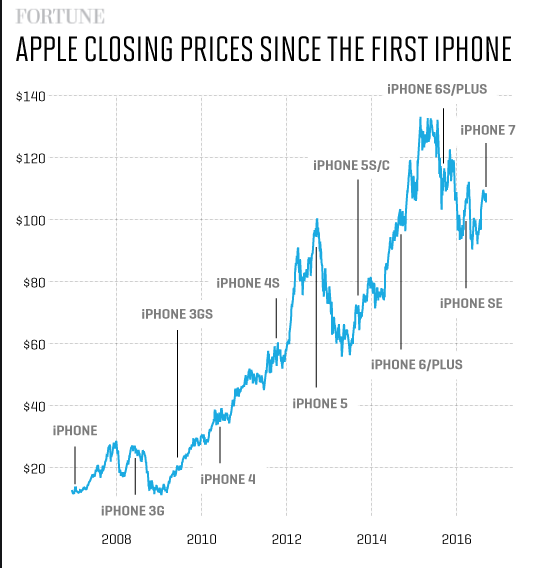
For the long-term investor, “timing” the purchase of an Apple share is often less productive than “time in the market.” Because of the company’s buyback program and dividend growth, historical data suggests that those who hold the stock through various market cycles tend to outperform those who attempt to trade the volatility. Using a strategy like Dollar Cost Averaging (DCA)—buying a fixed dollar amount of shares at regular intervals—can help mitigate the risk of buying at a temporary price peak.
The Role of Apple in Asset Allocation
In a diversified portfolio, Apple serves as a bridge between “Growth” and “Value.” It provides exposure to the cutting edge of consumer technology while offering the fiscal discipline of a century-old industrial giant. Whether an investor is looking for a side hustle through active trading or building a multi-generational wealth fund, the share price of Apple remains one of the most important metrics to track in the financial universe.
In conclusion, “how much is a share of Apple” is a question that encompasses the entirety of the global economy. It is a reflection of consumer confidence, corporate efficiency, and the relentless pursuit of shareholder value. While the ticker symbol AAPL will show a specific dollar amount on any given day, its true value lies in its role as a financial powerhouse that continues to redefine the limits of corporate earnings and investor returns. For anyone serious about their personal finances, understanding the mechanics behind Apple’s stock price is not just an exercise in curiosity—it is a fundamental requirement for informed investing.
aViewFromTheCave is a participant in the Amazon Services LLC Associates Program, an affiliate advertising program designed to provide a means for sites to earn advertising fees by advertising and linking to Amazon.com. Amazon, the Amazon logo, AmazonSupply, and the AmazonSupply logo are trademarks of Amazon.com, Inc. or its affiliates. As an Amazon Associate we earn affiliate commissions from qualifying purchases.