
For the modern consumer, the decision to purchase a vehicle has evolved from a simple transaction into a complex financial analysis. When asking “how much is a new Tesla Model 3,” the answer extends far beyond the manufacturer’s suggested retail price (MSRP). Navigating the pricing of the Model 3 requires an understanding of dynamic pricing models, federal and state incentive structures, and a long-term projection of the total cost of ownership (TCO). In the world of personal finance and strategic investing, the Model 3 is often viewed not just as a luxury gadget, but as a hedge against fluctuating fuel prices and a case study in vehicle depreciation.

Understanding the Base Price and Trim Levels
The sticker price of a Tesla Model 3 is a moving target. Unlike traditional automotive manufacturers that rely on fixed model-year pricing and dealership negotiations, Tesla utilizes a direct-to-consumer model with dynamic pricing. This means the price you see today could change next week based on supply chain efficiencies, lithium-ion battery costs, or market demand.
Rear-Wheel Drive (RWD) Economics
The entry point into the Tesla ecosystem is the Model 3 Rear-Wheel Drive. Historically, this trim has been positioned as the “budget” option, appealing to those focused on the lowest possible monthly payment. From a financial perspective, the RWD model offers the highest utility-to-price ratio for urban commuters. It typically features a Lithium Iron Phosphate (LFP) battery, which, while heavier, boasts a longer cycle life and allows for frequent charging to 100% without significant degradation—a crucial factor in maintaining the vehicle’s resale value over time.
Long Range and Performance Premiums
For those with higher capital availability or longer commuting requirements, the Long Range (All-Wheel Drive) and Performance trims represent a significant step up in initial investment. The price delta between the RWD and the Long Range typically ranges from $8,000 to $12,000. From a financial planning standpoint, this extra expenditure must be justified by either the necessity of dual-motor stability in harsh climates or the perceived value of time saved due to fewer charging stops. The Performance trim, while commanding the highest MSRP, is often viewed as a “luxury spend” rather than a utilitarian one, though it maintains a niche market in the secondary resale space that can sometimes offset its higher initial cost.
The Impact of Incentives and Tax Credits
In the current financial landscape, the “true” price of a Model 3 is heavily influenced by government intervention. For many buyers, the net price is significantly lower than the MSRP due to a complex web of incentives designed to accelerate the transition to sustainable energy.
Federal EV Tax Credits Explained
The most significant variable in the Model 3 pricing equation is the Federal EV Tax Credit, currently governed by the Inflation Reduction Act (IRA). Depending on the specific battery sourcing of the trim level and the buyer’s modified adjusted gross income (MAGI), a purchaser may be eligible for a credit of up to $7,500.
Recent changes have allowed this credit to be applied at the “point of sale,” effectively acting as a down payment provided by the government. For a buyer in the 24% tax bracket, this is a substantial reduction in the total amount financed, directly lowering monthly interest carries and improving the vehicle’s equity position from day one. However, it is vital to verify that the specific trim and its components meet the ever-changing “Buy American” requirements to ensure the credit is applicable.
State-Level Rebates and Local Incentives
Beyond federal assistance, many states offer additional financial “stacking” opportunities. States like California, Colorado, and Massachusetts have historically offered rebates ranging from $1,500 to $5,000. Furthermore, some utility companies provide rebates for the installation of home charging hardware. When these are aggregated, the effective price of a new Model 3 can drop into the territory of high-end internal combustion engine (ICE) compact cars, making it a highly competitive asset in the $30,000 to $35,000 price range.
Total Cost of Ownership (TCO) vs. Traditional Vehicles
A professional financial analysis of the Model 3 must look past the acquisition cost and into the Total Cost of Ownership. This is where the Tesla often outperforms its competitors, proving that a higher upfront cost can lead to superior long-term wealth preservation.
Fueling Costs: Supercharging vs. Home Charging
The most immediate dividend of a Model 3 investment is the reduction in energy costs. While gasoline prices are subject to geopolitical volatility, electricity rates are generally more stable and, in many regions, significantly cheaper.
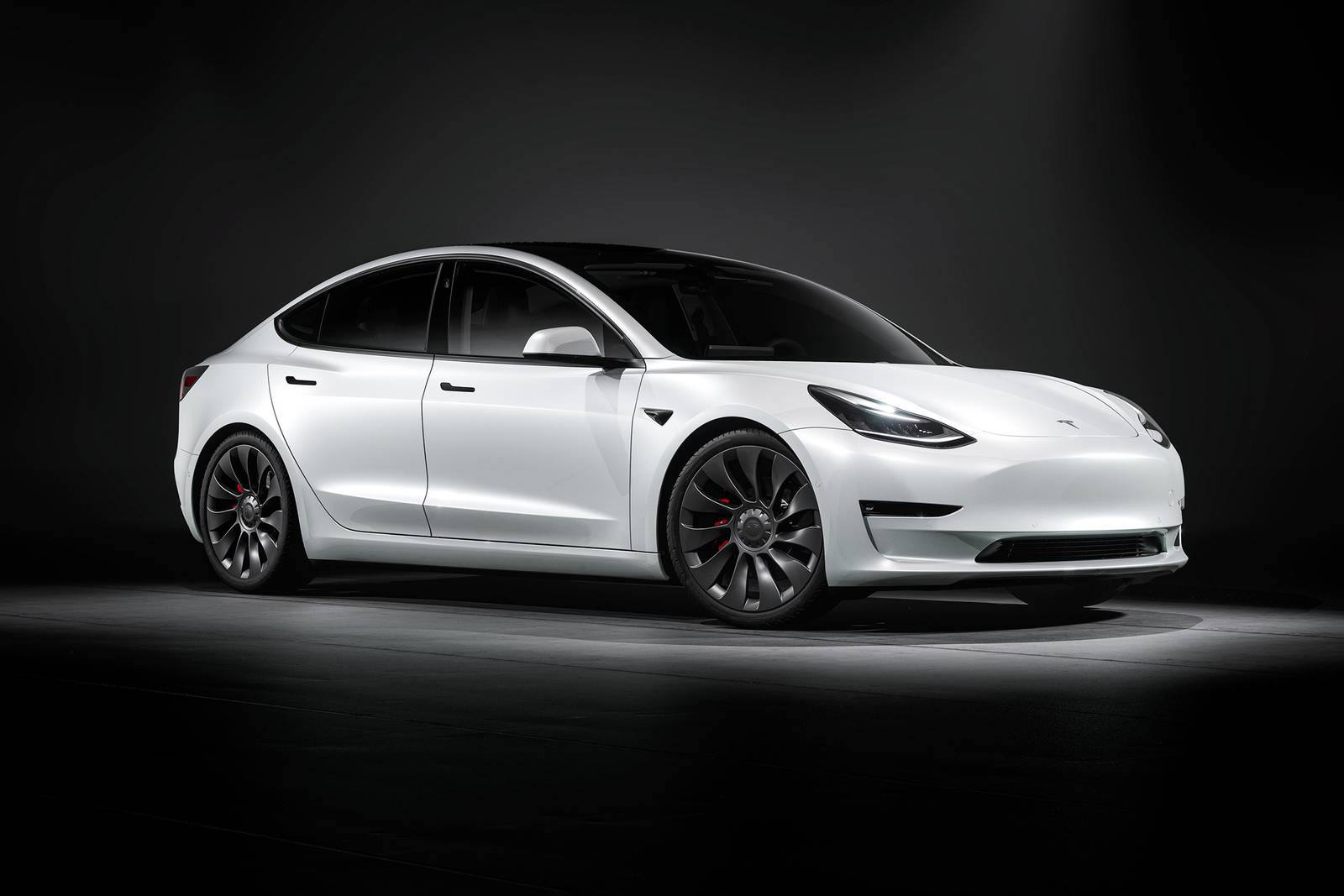
The financial efficiency of the Model 3 depends heavily on where the “fuel” is sourced. Home charging, particularly during off-peak hours on a Time-of-Use (TOU) utility rate, can cost as little as $0.03 to $0.05 per mile. In contrast, relying solely on the Tesla Supercharger network can bring the cost-per-mile closer to that of a high-efficiency hybrid. For a driver covering 15,000 miles per year, the annual savings compared to a 30-MPG gasoline vehicle can exceed $1,500, effectively acting as a “reverse car payment” over the life of the vehicle.
Maintenance and Service Savings
The Model 3 lacks the mechanical complexity of an ICE vehicle. There are no oil changes, spark plugs, timing belts, or transmission fluid flushes. Over a five-year horizon, the maintenance schedule for a Model 3 is remarkably lean, primarily consisting of cabin air filter replacements and tire rotations.
The regenerative braking system also significantly extends the life of brake pads and rotors, often lasting over 100,000 miles. When evaluating the “price” of the car, an investor should subtract the projected $3,000 to $5,000 in avoided maintenance costs that would have been spent on a BMW 3-Series or an Audi A4 over the same period.
Financing, Leasing, and Resale Value
How you choose to fund the purchase is just as important as the purchase price itself. In a high-interest-rate environment, the method of acquisition can add thousands to the total expenditure.
Tesla Financing and Interest Rates
Tesla offers in-house financing, but savvy buyers often shop around with credit unions which may offer specialized “Green Auto Loans” with lower APRs. A 1% difference in an interest rate on a $40,000 loan over 72 months can save nearly $1,300 in interest.
Leasing is another popular option, particularly for those concerned about rapid technological obsolescence. However, it is important to note that Tesla’s lease terms often preclude the lessee from purchasing the car at the end of the term. This means the buyer cannot capture any potential equity if the used car market spikes, a risk factor that must be weighed against the benefit of lower monthly payments.
Depreciation Curves and Market Volatility
Historically, Teslas held their value better than almost any other luxury sedan. However, as production has scaled and Tesla has aggressively cut prices on new models, the used market has experienced significant volatility.
From a personal finance perspective, the Model 3 should be viewed as a long-term asset (5-8 years) rather than a short-term flip. The initial “hit” of depreciation is mitigated if the buyer plans to hold the vehicle until the battery warranty expires (typically 8 years or 100,000 to 120,000 miles). Those who purchase with the intention of selling within 24 months are at the highest risk of being “underwater” on their loan due to market fluctuations.
Making the Final Investment Decision
To truly determine how much a new Tesla Model 3 costs, one must perform a holistic calculation: (MSRP + Taxes + Fees + Insurance) – (Tax Credits + Fuel Savings + Maintenance Savings) + (Projected Depreciation).
Insurance Premiums for EV Drivers
One often-overlooked expense in the Model 3 budget is insurance. Because of the high cost of repair for the aluminum chassis and the specialized sensors required for Autopilot and Full Self-Driving (FSD), insurance premiums for Teslas can be 20% to 30% higher than for comparable ICE vehicles. In some states, Tesla Insurance (the company’s own insurance product) uses real-time driving data to lower premiums for safe drivers, providing a potential avenue for cost reduction that traditional insurers do not offer.

The Long-Term ROI
Ultimately, the Model 3 is a disruptive financial asset. For the disciplined budgeter, it represents a shift from variable operating expenses (gas and repairs) to a fixed capital expense (the car payment). By locking in transport costs for the next decade, owners can better predict their monthly cash flow.
When the federal credits are maximized and the charging is done efficiently at home, the “real” cost of a Model 3 often competes directly with mid-range economy cars, despite offering the performance and prestige of a luxury vehicle. In the final analysis, the cost of a new Tesla Model 3 is not just the number on the invoice—it is the net result of a strategic financial plan that leverages technology to reduce lifelong mobility expenses.
aViewFromTheCave is a participant in the Amazon Services LLC Associates Program, an affiliate advertising program designed to provide a means for sites to earn advertising fees by advertising and linking to Amazon.com. Amazon, the Amazon logo, AmazonSupply, and the AmazonSupply logo are trademarks of Amazon.com, Inc. or its affiliates. As an Amazon Associate we earn affiliate commissions from qualifying purchases.