
Understanding the cost of an AMC movie ticket is more nuanced than a simple price tag. For consumers, it’s a critical component of their personal entertainment budget, reflecting a discretionary expense that requires careful financial consideration. For AMC Entertainment Holdings, Inc., pricing strategy is a complex mechanism balancing operational costs, market demand, competitive landscape, and the perceived value of the cinematic experience. This deep dive explores the financial intricacies of AMC ticket pricing, guiding moviegoers to make informed decisions and integrate their love for film into a sound financial plan.
Deconstructing AMC’s Ticket Pricing Structure
AMC’s pricing isn’t uniform. It’s a dynamic system influenced by multiple variables, all of which ultimately impact a consumer’s wallet. Grasping these foundational elements is the first step in managing moviegoing expenses.

The Baseline: Standard 2D Showings
The most fundamental ticket price is for a standard 2D movie. This serves as the reference point against which all other pricing variations are measured. This baseline can fluctuate significantly based on factors such as the specific AMC theater’s location, local cost of living indices, and even the time of day or week. Typically, tickets for first-run blockbusters will be at the higher end of this baseline, reflecting high demand and recent release status.
Premium Formats: The Elevated Experience Cost
AMC has invested heavily in creating immersive, premium moviegoing experiences, which naturally come with a higher price point. These formats offer enhanced audio, visual, and sometimes tactile sensations, elevating the viewing experience beyond a standard screen.
- Dolby Cinema: Boasting spectacular imaging with Dolby Vision and immersive sound with Dolby Atmos, these auditoriums command a premium. The visual clarity and audio depth significantly enhance the film, justifying the added cost for many cinephiles.
- IMAX: Renowned for its massive screens and powerful sound systems, IMAX screenings present films on a grander scale. Films specifically shot or digitally remastered for IMAX often lead to a more impactful viewing, reflected in the ticket price.
- Prime at AMC: This proprietary premium large format (PLF) offers larger screens, enhanced sound, and often luxurious recliners, providing a high-comfort, high-quality viewing experience at an increased cost.
- ScreenX and 4DX: These experimental formats extend the viewing beyond the main screen (ScreenX offers a 270-degree panoramic experience) or incorporate environmental effects like motion, wind, and scents (4DX). Such novelties naturally carry a higher ticket price due to the specialized technology and unique immersive elements.
- Recliner Seating: Even in standard auditoriums, some AMC locations feature plush, powered recliners. While not always a separate premium format, access to these comfortable seats can sometimes factor into a slightly higher base ticket price or be part of a premium offering.
Each of these premium formats contributes to the overall revenue strategy of AMC, allowing them to cater to different consumer preferences and willingness to pay for an upgraded experience.
Geographic and Time-Based Variations
Location is a paramount factor in AMC ticket pricing. The cost of a movie ticket in a major metropolitan area with high commercial rents and a dense population will almost invariably be higher than in a suburban or rural location. This geographical disparity reflects operational costs, local market competition, and the economic profile of the audience.
Furthermore, the timing of a movie impacts its price. Matinee showings (typically before 5 PM) often come with a discount, designed to incentivize attendance during off-peak hours. Similarly, weekday showings are generally less expensive than weekend evening screenings, which are peak demand periods. This dynamic pricing strategy helps AMC optimize theater occupancy throughout the week.
Age-Specific Discounts
AMC, like many entertainment venues, offers discounts to specific demographic groups. These are typically:
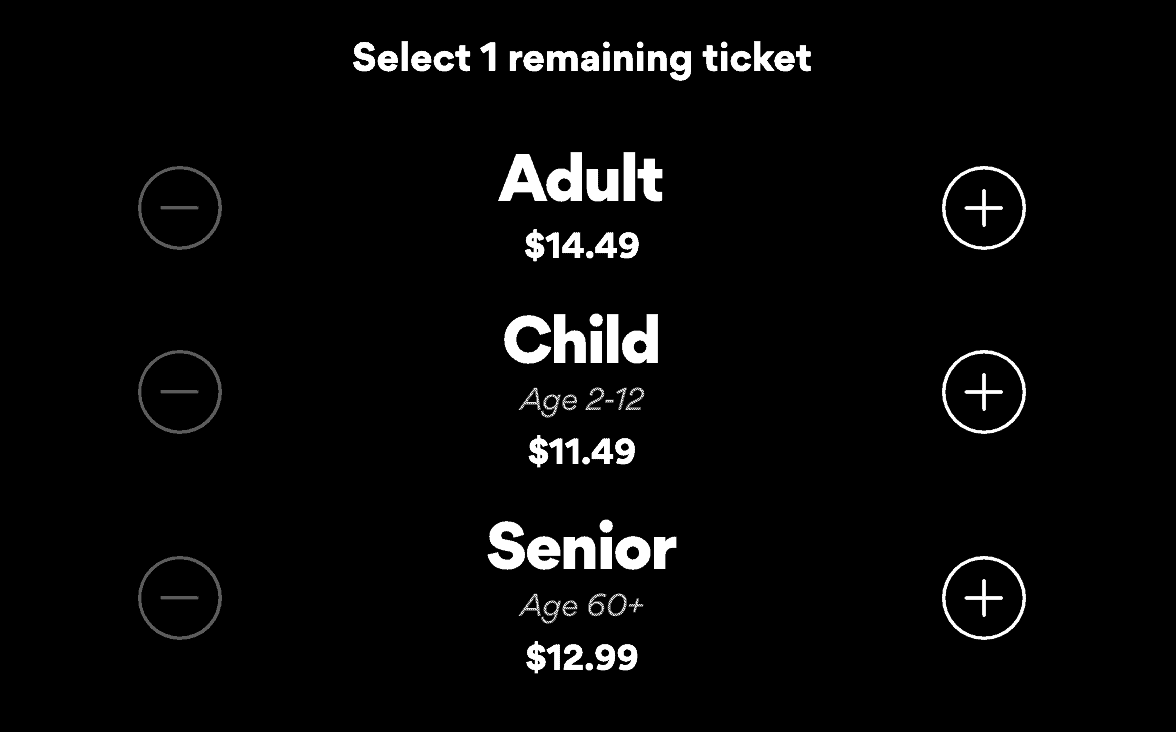
- Children: A reduced rate for younger viewers, acknowledging their capacity to pay and encouraging family outings.
- Seniors: Discounts for older patrons, recognizing fixed incomes and encouraging attendance during off-peak hours.
- Students: Many locations offer student discounts, often requiring a valid student ID, to attract this key demographic.
These discounts are an important financial consideration for eligible individuals and families, significantly reducing the overall cost of a movie outing.
Beyond the Ticket: The True Cost of an AMC Outing
While the ticket price is the most obvious expense, a complete financial assessment of an AMC movie experience requires accounting for other often-overlooked costs that quickly add up.
The Concession Conundrum
For many, concessions are an integral part of the moviegoing experience. Popcorn, sodas, candies, and hot food items are deeply embedded in the ritual. However, the markup on these items is substantial, serving as a critical revenue stream for AMC. A single combo meal can easily rival or even exceed the cost of the ticket itself. For individuals or families looking to manage their budget, concessions often represent the largest variable cost beyond the ticket. Smart financial planning for a movie outing must explicitly address this element.
Online Booking Fees and Taxes
In the digital age, convenience often comes with a small price. When purchasing tickets online, consumers frequently encounter a per-ticket booking fee. While seemingly minor, these fees can accumulate, especially for group outings. Additionally, local and state sales taxes are applied to both ticket purchases and concession sales, adding a small but consistent percentage to the final bill. These small increments, though individually minor, collectively contribute to the overall expenditure.
Transportation and Parking Considerations
Depending on the location of the AMC theater, transportation costs can be a significant factor. Fuel expenses, public transport fares, or ride-sharing costs need to be factored in. For those driving, parking fees, especially in urban areas or popular entertainment districts, can add a substantial amount to the total outlay. These logistical costs are external to AMC’s direct pricing but are crucial components of a moviegoer’s personal finance calculation for the entire experience.
Strategies for Economical Moviegoing at AMC
Navigating AMC’s pricing structure effectively requires a strategic approach. Savvy moviegoers employ various tactics to mitigate costs without sacrificing the cinematic experience.
Leveraging AMC Stubs Loyalty Programs
AMC’s loyalty program, AMC Stubs, offers tiered benefits that can lead to significant savings for frequent visitors.
- AMC Stubs Insider: Free to join, this tier offers waived online ticketing fees (for 4+ tickets), discounts on concessions (e.g., free large popcorn and soda refills on birthdays), and exclusive offers. For casual moviegoers, the waived booking fees alone can represent considerable savings over time.
- AMC Stubs Premiere: A paid annual membership, Premiere offers all Insider benefits plus faster rewards accumulation (more points per dollar spent), free large popcorn and soda upgrades, and often priority lines. The annual fee must be weighed against the expected frequency of visits and the value of the benefits received.
- AMC Stubs A-List: This subscription service is designed for the most dedicated moviegoers. For a fixed monthly fee, A-List members can see up to three movies per week (including premium formats) with no online ticketing fees. This program can lead to substantial savings for individuals who see more than 1-2 movies per month, transforming a variable entertainment expense into a predictable fixed cost. Financial planning for A-List involves comparing the monthly fee against the typical cost of desired movies per month.
Timing Your Visit for Savings
Strategic timing is one of the easiest ways to reduce ticket costs.
- Matinee Showings: Opting for daytime showings, typically before 5 PM, can result in significantly cheaper tickets compared to evening prime-time slots.
- Discount Tuesdays: Many AMC locations offer deeply discounted tickets on Tuesdays. This is an excellent opportunity for budget-conscious viewers to catch new releases without the premium weekend price.
- Weekday Visits: Generally, Monday through Thursday tickets are less expensive than Friday, Saturday, and Sunday showings, capitalizing on lower demand.
Harnessing Special Discounts
Beyond the standard age-based discounts, keep an eye out for other specific promotions:
- Student Discounts: Always inquire about student rates if you have a valid ID.
- Military Discounts: Some locations offer discounts for active military personnel and veterans.
- Corporate Partnerships/Bundles: Occasionally, companies partner with AMC for discounted tickets or gift card bundles.
- Gift Cards: Purchasing AMC gift cards from third-party retailers (e.g., warehouse clubs, online discount sites) can sometimes yield a slight discount on the face value, offering incremental savings.
Smart Concession Choices
Managing concession costs is crucial for overall savings.
- Share: Opting to share a large popcorn or soda can reduce individual expenses.
- Bring Your Own Water Bottle: Most theaters allow sealed water bottles, saving you the cost of a bottled beverage.
- Eat Before or After: Planning meals around your movie can eliminate the need for expensive in-theater food.
- Limit Indulgences: Treating concessions as an occasional luxury rather than a mandatory purchase for every visit can significantly impact your budget.
Integrating Moviegoing into Your Financial Plan
Moviegoing, while enjoyable, is a discretionary expense. Like dining out or vacations, it needs to be consciously integrated into a broader personal financial strategy.
Budgeting for Discretionary Entertainment
A well-structured personal budget should include a dedicated category for entertainment. This allows individuals to allocate a specific amount of money each month or quarter for activities like movies, concerts, or other leisure pursuits. By setting a realistic budget for movie tickets and related expenses, consumers can enjoy their favorite films without jeopardizing other financial goals or overspending. Tools like budgeting apps or spreadsheets can help track these expenditures effectively.
Understanding Opportunity Costs
Every dollar spent on an AMC movie ticket and concessions is a dollar that cannot be spent elsewhere. This is the concept of opportunity cost. Could that money have gone towards saving for a down payment, investing, paying down debt, or another financial priority? While enjoying entertainment is vital for well-being, understanding the trade-offs helps in making deliberate financial choices. For instance, is seeing a movie in premium format worth delaying a small contribution to an emergency fund? This isn’t about deprivation but conscious allocation of finite resources.
The Value Proposition: Theater vs. Home Entertainment
With the proliferation of streaming services and sophisticated home theater systems, the value proposition of seeing a movie at AMC has evolved. Financially, a single movie ticket might cost more than a month’s subscription to a streaming service that offers hundreds of titles. However, the unique communal experience, the absence of distractions, the scale of the big screen, and the immersive audio of a cinema cannot be replicated at home. The financial decision then becomes one of value perception: is the premium experience of a theatrical release worth the higher monetary outlay compared to the convenience and lower per-view cost of home entertainment? This often comes down to individual priorities and how one values the “event” of going to the movies.
AMC’s Place in the Broader Entertainment Budget
Finally, considering AMC tickets in the context of other entertainment options provides a holistic view for financial planning.
Comparing Costs with Competitors
AMC is one of several major cinema chains. Regal, Cinemark, and various independent theaters offer similar, though sometimes distinct, experiences. Comparing their pricing structures, loyalty programs, and premium format offerings can help consumers choose the most financially advantageous option for their moviegoing needs in their specific market. Some smaller, independent theaters might offer lower prices or unique subscription models.
Weighing Against Alternative Leisure Activities
A movie ticket is just one of many ways to spend discretionary income on leisure. A financial plan might consider the cost of an AMC movie against:
- Dining Out: A restaurant meal for two can easily exceed the cost of two movie tickets and concessions.
- Concerts or Live Events: These often represent a significantly higher per-person cost.
- Sporting Events: Tickets to professional sports games are frequently far more expensive.
- Museums or Cultural Attractions: These can offer educational and enriching experiences, often at a lower or comparable cost to a movie.
By viewing AMC movie tickets as one item in a diverse portfolio of entertainment options, consumers can strategically allocate their entertainment budget to maximize both enjoyment and financial prudence.
aViewFromTheCave is a participant in the Amazon Services LLC Associates Program, an affiliate advertising program designed to provide a means for sites to earn advertising fees by advertising and linking to Amazon.com. Amazon, the Amazon logo, AmazonSupply, and the AmazonSupply logo are trademarks of Amazon.com, Inc. or its affiliates. As an Amazon Associate we earn affiliate commissions from qualifying purchases.