
When planning a trip, whether for business or leisure, one of the most volatile line items in any budget is the cost of a hire car. To the uninitiated, the price of a rental seems straightforward—a simple daily rate multiplied by the number of days. However, from a financial perspective, car hire is a complex ecosystem of base rates, dynamic pricing algorithms, ancillary fees, and hidden liabilities.
Understanding “how much is a hire car” requires moving beyond the sticker price and analyzing the total cost of ownership (TCO) for the duration of the rental. This guide deconstructs the financial variables of car rentals, offering insights into how to navigate market fluctuations and optimize your travel spend.
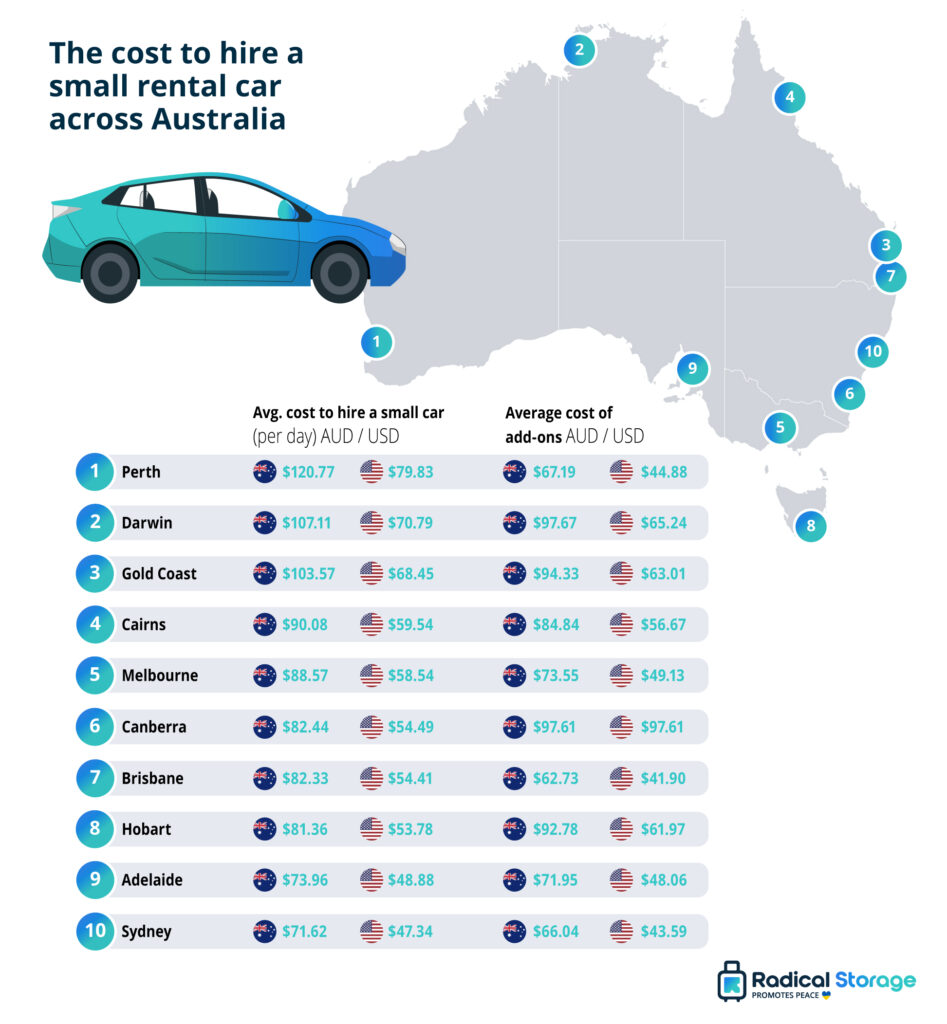
Understanding the Primary Cost Drivers of Car Rentals
The base price of a rental car is rarely static. It is influenced by a sophisticated interplay of asset depreciation, inventory management, and macroeconomic factors. To budget effectively, one must understand what drives these core costs.
The Impact of Vehicle Class on Your Bottom Line
The most immediate factor affecting the price is the vehicle category. Rental agencies segment their fleets into classes: economy, compact, intermediate, standard, full-size, and luxury/specialty. From a financial standpoint, the jump from an economy car to a full-size SUV isn’t just about comfort; it’s about the rental company’s need to recoup the higher purchase price and maintenance costs of larger vehicles. While an economy car might cost $40 per day, a premium SUV can easily quadruple that figure. Choosing the smallest viable class for your needs is the most direct way to reduce your financial outlay.
Seasonal Fluctuations and Market Demand
Car rental pricing is a prime example of dynamic pricing. During peak seasons—such as summer holidays or major international conventions—demand outstrips supply, causing prices to spike. Conversely, in the “shoulder” seasons, agencies often drop rates significantly to maintain fleet utilization. For the budget-conscious traveler, timing is everything. A rental in Orlando during spring break can cost three times as much as the same vehicle in October.
Geographical Variances in Rental Pricing
Where you pick up the car is as important as what you drive. Airport locations typically command higher prices due to “airport concession fees”—taxes levied by the airport authority that the rental company passes directly to the consumer. These can add 10% to 25% to the total bill. In contrast, off-airport locations might offer lower daily rates, though the financial benefit must be weighed against the cost and time of a taxi or shuttle to reach the site.
Decoding the Hidden Fees and Surcharges
In the world of personal finance, the “all-in” cost is the only metric that matters. Car rental companies often use a “low lead-in” pricing strategy, where the advertised daily rate is merely the starting point.
Insurance and Liability Coverage Costs
Perhaps the most significant “hidden” cost is insurance. Rental desks aggressively market Collision Damage Waivers (CDW) and Loss Damage Waivers (LDW). These can cost between $15 and $30 per day, often doubling the base rate. However, many high-end credit cards and personal auto insurance policies already provide coverage for rentals. Failing to verify your existing coverage can lead to “double-insuring,” a common financial pitfall that offers no additional protection but significantly inflates your expenses.
Fuel Policies and Their Financial Implications
Rental agencies offer various fuel options: “pre-pay,” where you buy a full tank at the start; “we-refill,” where they charge you a premium per gallon/liter; and “full-to-full,” where you return the car with a full tank. From a money-saving perspective, the “full-to-full” policy is almost always the most economical. Pre-paying for fuel is rarely a good deal unless you plan on returning the car with a completely empty tank, as you are not refunded for unused fuel.
Young Driver Surcharges and Additional Equipment Fees
For those under the age of 25, the cost of a hire car increases dramatically due to “young driver surcharges.” These fees, which can range from $20 to $50 per day, are a risk-management tactic used by agencies to offset the higher actuarial risk associated with younger drivers. Similarly, “add-ons” like GPS navigation systems, child seats, and satellite radio are high-margin items for the agency. In the age of smartphones and portable car seats, these are often unnecessary expenses that can be avoided with a bit of foresight.

Strategic Financial Planning for Your Car Hire
To master the economics of car rentals, one must adopt a proactive approach. Applying financial discipline to the booking process can yield significant savings.
The Benefits of Early Booking and Dynamic Pricing
Unlike airline tickets, which can sometimes drop in price at the last minute, car rental prices generally increase as the pickup date approaches and inventory dwindles. Booking several months in advance secures a lower rate. Furthermore, many rental platforms allow for “pay later” bookings with no cancellation fee. A savvy financial strategy is to book early, then periodically check the rates; if the price drops, you can cancel and re-book at the lower rate, effectively “arbitraging” the market.
Leveraging Credit Card Rewards and Corporate Discounts
Many consumers overlook the financial tools already at their disposal. Corporate discount codes (CDP) through employers, professional organizations (like the Bar Association or CPA societies), or travel clubs (like AAA or AARP) can shave 10% to 30% off the total cost. Additionally, using a credit card that earns “travel points” or “cash back” on car rentals provides a secondary financial return on the expenditure.
Comparison Tools and Price Transparency
The use of metasearch engines and comparison tools is essential for financial transparency. Websites that aggregate data from multiple agencies allow you to see the “total price including taxes” upfront. This prevents the “sticker shock” that occurs at the final stage of the checkout process. When comparing prices, always ensure you are looking at the final figure rather than the daily base rate.
Long-Term Rental vs. Short-Term Commitment
When the duration of the hire extends beyond a few weeks, the financial math shifts. Short-term daily rates are designed for convenience, but for extended needs, different financial structures apply.
Evaluating the Financial Feasibility of Monthly Rentals
For those needing a vehicle for 30 days or more, “mini-leases” or monthly rental programs are often more cost-effective than standard daily or weekly rates. These programs often come with lower daily averages and sometimes include basic maintenance or better insurance terms. If you are in a transition period—such as moving cities or waiting for a new car delivery—analyzing the monthly rental rate versus the cost of a short-term lease is a critical financial exercise.
Tax Deductions for Business-Related Car Hire
For entrepreneurs and freelancers, the cost of a hire car is often a deductible business expense. However, the IRS (and similar global tax authorities) requires rigorous record-keeping. To maximize the tax benefit, you must distinguish between business use and personal use. If 100% of the rental period is for business, the entire cost—including fuel and tolls—can typically be deducted, lowering your taxable income and effectively reducing the net cost of the rental.
Future Outlook: How Market Trends Affect Rental Costs
The car rental industry is currently undergoing a structural transformation that will impact how much we pay for hire cars in the coming years.
The Shift to Electric Vehicles (EVs)
As rental fleets transition to electric vehicles, the pricing models are changing. While EVs might have a higher daily rental rate due to their higher purchase price, the “fuel” cost (charging) is often significantly lower than gasoline. However, renters must account for the “idle fee” at charging stations and the potential “recharge fee” if the car is returned with a low battery. Understanding the total energy cost is now a vital part of the car hire budget.
Subscription Models and the Sharing Economy
The rise of “car-sharing” platforms like Turo or Getaround has introduced a peer-to-peer element to the market. These platforms often provide a more competitive price point than traditional agencies, especially for high-end or niche vehicles. Additionally, some manufacturers are moving toward subscription models where a flat monthly fee covers the car, insurance, and maintenance. For the modern consumer, the question is no longer just “how much is a hire car,” but “which financial model offers the best value for my specific mobility needs.”

Conclusion: Mastering the Math of Car Hire
Determining “how much is a hire car” is less about finding a single number and more about managing a series of variables. By understanding the core drivers of cost, identifying and mitigating hidden fees, and leveraging financial tools like rewards programs and tax deductions, you can significantly reduce your travel overhead. In the realm of personal and business finance, the goal is not just to spend less, but to spend wisely, ensuring that every dollar allocated to transportation contributes to the overall success of your journey.
aViewFromTheCave is a participant in the Amazon Services LLC Associates Program, an affiliate advertising program designed to provide a means for sites to earn advertising fees by advertising and linking to Amazon.com. Amazon, the Amazon logo, AmazonSupply, and the AmazonSupply logo are trademarks of Amazon.com, Inc. or its affiliates. As an Amazon Associate we earn affiliate commissions from qualifying purchases.