
Determining the true cost of a cruise is a complex exercise in personal finance. For many travelers, the initial sticker price seen on a travel aggregator or a cruise line’s website is merely the starting point of a much larger financial equation. Cruising offers a unique value proposition—combining transportation, lodging, and dining into a single “per person” rate—but the variance in pricing can be staggering. Whether you are looking for a budget-friendly getaway or a high-end luxury expedition, understanding the financial architecture of a cruise fare is essential for effective wealth management and vacation planning.
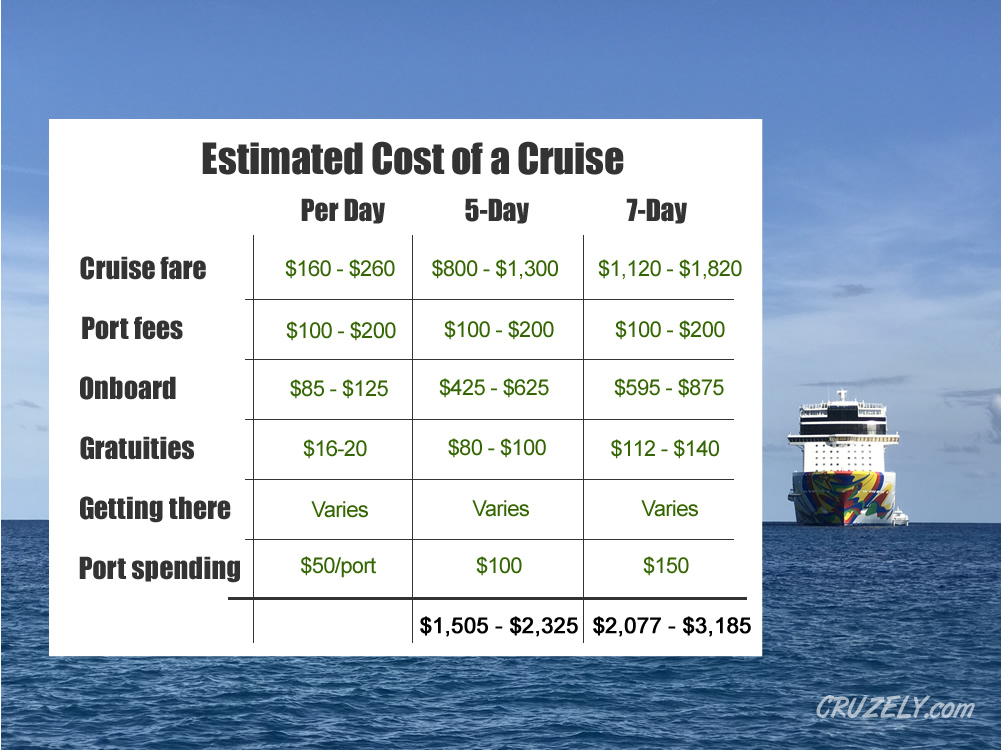
In this guide, we will deconstruct the “per person” cost of a cruise through the lens of personal finance, examining base fares, hidden overheads, and strategic spending to ensure your investment in a vacation yields the highest possible satisfaction-to-cost ratio.
The Financial Anatomy of a Base Fare
When you ask, “How much is a cruise per person?” the answer usually starts with the base fare. This is the amount paid to secure your cabin and access the ship’s primary amenities. However, from a financial perspective, not all base fares are created equal.
The Double Occupancy Standard
It is vital to understand that almost all cruise pricing is based on “double occupancy.” This means the advertised price per person assumes two people will be sharing a cabin. If you are traveling solo, you will often encounter a “single supplement,” which can be as high as 200% of the per-person rate. This is a critical factor for solo travelers to include in their financial projections, as it effectively doubles the base cost of the trip.
Tiered Pricing by Cabin Category
The “per person” cost fluctuates significantly based on the type of accommodation chosen. Generally, cabins fall into four financial tiers:
- Inside Cabins: The most budget-conscious choice, often ranging from $50 to $100 per person, per day.
- Oceanview Cabins: A mid-tier option providing natural light, typically adding a 20-30% premium over inside cabins.
- Balcony Cabins: The most popular choice for modern cruisers, usually starting at $150 to $250 per person, per day.
- Suites and Luxury Enclaves: These can range from $500 to over $2,000 per person, per day, offering concierge services, private decks, and inclusive amenities.
The All-Inclusive vs. A La Carte Model
Mainstream cruise lines (like Carnival, Royal Caribbean, or Norwegian) operate on an a la carte model. Their base fares are low to attract a wider demographic, but they generate significant revenue through onboard spending. Conversely, luxury lines (such as Silversea or Regent Seven Seas) have a much higher “per person” base fare but include gratuities, shore excursions, and premium beverages in the price. From a financial planning standpoint, the luxury model provides more cost certainty, whereas the a la carte model requires a more disciplined approach to daily budgeting.
Navigating Mandatory Fees and Taxes
One of the most common mistakes in vacation budgeting is failing to account for the mandatory costs that are added to the base fare. In many cases, these can increase the total per-person cost by 20% to 40%.
Government Taxes and Port Expenses
Unlike a hotel stay where taxes are usually a percentage of the room rate, cruise port fees are fixed costs based on the ship’s itinerary. Every time a ship docks, the cruise line pays a fee to the local government. These costs are passed directly to the passenger and can range from $100 to $300 per person depending on the number and location of ports. These fees are non-negotiable and are added at the time of final payment.
Automatic Gratuities and Service Charges
Most modern cruise lines have moved toward a daily “service charge” model. These gratuities are distributed among the crew members, including housekeeping and dining staff. Currently, these charges typically range from $16 to $20 per person, per day. For a seven-day cruise, a family of four should budget an additional $450 to $550 in their total financial plan just for service charges. While some lines allow you to prepay these, they remain a mandatory expenditure that affects the true daily cost of the voyage.
Travel Insurance: Protecting Your Investment
From a risk management perspective, travel insurance is a necessary line item in your cruise budget. Cruising involves unique risks, including missed departures due to flight delays or medical emergencies at sea. Insurance typically costs between 7% and 12% of the total trip cost. While it adds to the per-person expense, it protects you against the total loss of your vacation investment, which is a sound financial principle.
Onboard Spending and Variable Costs
Once you are on the ship, the “per person” cost can escalate quickly if you are not tracking your discretionary spending. This is where the cruise lines make their profit, and where passengers often experience “bill shock” at the end of the journey.
Beverage and Dining Packages
The cost of drinks is a major variable. A single cocktail can cost $12 to $15, and a soda can be $4. To manage this, many passengers opt for beverage packages. These packages can cost anywhere from $60 to $110 per person, per day. To determine if this is a wise financial move, you must calculate your “break-even” point. If you do not consume at least six or seven alcoholic beverages daily, paying per drink is usually the more fiscally responsible choice.
Similarly, “specialty dining” options—upscale restaurants that are not included in the base fare—usually carry a cover charge of $35 to $70 per person. Budgeting for one or two of these experiences can enhance the trip without significantly derailing your financial plan.
Connectivity and Technology Fees
In an era of remote work and digital connectivity, Wi-Fi has become a standard requirement. However, satellite internet at sea remains expensive. Packages typically cost between $20 and $30 per day, per device. For those who need to remain online for business or personal finance management, this is a fixed daily cost that must be factored into the per-person total.
Shore Excursions and Off-Ship Adventures
The cost of exploring ports of call is one of the largest variables in a cruise budget. A standard bus tour might cost $50 per person, while a private helicopter tour in Alaska or a scuba diving expedition in the Caribbean could cost upwards of $500 per person. To maintain a balanced budget, many experienced travelers mix “self-guided” days (walking through port towns at no cost) with one or two high-value organized excursions.
Strategic Financial Planning for Maximum Value
To truly understand how much a cruise is per person, you must look at the timing and the methods used to book the trip. Strategic planning can drastically lower the cost per day.
Leveraging the “Wave Season” and Last-Minute Deals
The cruise industry has a peak booking period known as “Wave Season” (January through March), during which lines offer significant discounts, onboard credits, or free perks like Wi-Fi and beverage packages. Conversely, “last-minute” bookings (within 90 days of sailing) can offer deep discounts as lines try to fill empty cabins. From a financial standpoint, booking either very early or very late typically yields the best price-to-value ratio.
Using Loyalty Programs and Credit Card Rewards
Frequent cruisers can benefit from loyalty programs that offer “perks” that have a real cash value, such as free laundry, complimentary Wi-Fi, or discounted fares. Additionally, using a travel-specific credit card to pay for the cruise can generate rewards points that offset the cost of airfare or future voyages. For a savvy investor, the “effective cost” of a cruise is often lower than the nominal cost when these rewards and dividends are factored in.
Calculating the Cost Per Day Metric
In personal finance, we often look at the “unit cost.” For a cruise, the most effective way to compare value across different lines is to calculate the Total Cost Per Day.
- Formula: (Base Fare + Taxes + Gratuities + Planned Onboard Spending + Insurance) / Number of Days.
By using this metric, you may find that a “luxury” cruise at $400 a day that includes everything is actually a better financial decision than a $150-a-day “budget” cruise that ends up costing $450 a day after all the add-ons are tallied.

Conclusion
So, how much is a cruise per person? On the extreme low end, a short three-day “booze cruise” in an inside cabin might cost a disciplined traveler as little as $400 total. On the high end, a 14-day luxury voyage in a suite can easily exceed $15,000 per person.
For the average traveler seeking a standard seven-day Caribbean or European itinerary in a balcony cabin, a realistic financial forecast is between $1,500 and $2,500 per person, all-in. By understanding the breakdown of these costs—from the double-occupancy base fare to the daily service charges and variable onboard spending—you can make an informed decision that aligns with your personal financial goals. A cruise can be one of the most cost-effective ways to see the world, provided you approach the “per person” price tag with a sharp eye for detail and a structured budget.
aViewFromTheCave is a participant in the Amazon Services LLC Associates Program, an affiliate advertising program designed to provide a means for sites to earn advertising fees by advertising and linking to Amazon.com. Amazon, the Amazon logo, AmazonSupply, and the AmazonSupply logo are trademarks of Amazon.com, Inc. or its affiliates. As an Amazon Associate we earn affiliate commissions from qualifying purchases.