
For many travelers, the allure of a cruise lies in its promise of an “all-inclusive” experience. However, from a personal finance perspective, the sticker price of a cruise is rarely the final amount that leaves your bank account. Understanding the true cost of a cruise requires a deep dive into the layers of pricing, hidden fees, and discretionary spending that characterize the modern maritime industry. Whether you are a frugal traveler looking for the highest ROI on your vacation dollar or a luxury seeker planning a high-end getaway, mastering the economics of cruising is essential for maintaining your financial health while exploring the world.
Decoding the Base Fare: The Foundation of Your Travel Budget
The base fare is the most visible component of a cruise’s cost, and it varies wildly based on the cruise line, the duration of the trip, and the type of cabin selected. To budget effectively, you must first categorize cruise lines into their respective market segments: budget, premium, and luxury.
Cabin Categories and Pricing Tiers
The type of stateroom you choose is the primary driver of the base fare. Typically, cabins are divided into four main categories:
-
Inside Cabins: These are the most affordable, featuring no windows or natural light. They are ideal for travelers who view their room only as a place to sleep and want to maximize their budget for experiences.
-
Oceanview Cabins: These include a porthole or window, providing a view and natural light. They generally command a 10% to 20% premium over inside cabins.
-
Balcony/Veranda Cabins: These feature private outdoor spaces. For many, this is the “standard” cruise experience, but it comes at a significant price jump, often 40% to 60% higher than an inside room.
-
Suites: These offer the most square footage and often come with “ship-within-a-ship” perks like private lounges and butler service. Suites can cost three to five times the price of a standard cabin.
The Impact of Seasonality and Booking Windows
From a financial planning standpoint, timing is everything. High-demand periods, such as summer breaks, Christmas, and New Year’s, see prices spike by as much as 100% compared to “shoulder seasons.” For example, a Caribbean cruise in September (during hurricane season) will be significantly cheaper than the same itinerary in mid-March.
Furthermore, the “Early Bird” versus “Last Minute” debate is a staple of cruise finance. Booking 12 to 18 months in advance often secures the lowest rates and the best cabin selection. Conversely, booking within 90 days of sailing—after the final payment deadline for other passengers—can result in deep discounts as cruise lines seek to fill empty berths.
Mandatory Fees and “Hidden” Financial Obligations
The advertised price is almost never the price you pay at checkout. There are several non-negotiable costs that must be factored into your financial model before you even step foot on the gangway.
Port Fees and Taxes
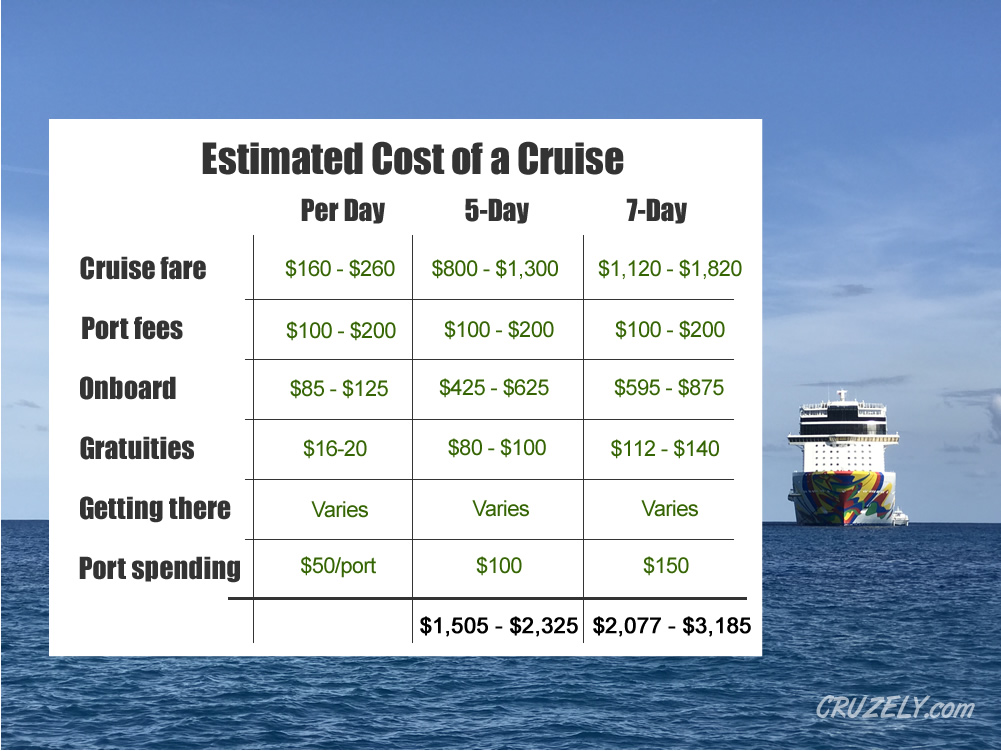
Every port of call charges the cruise line a fee for docking, and these costs are passed directly to the consumer. Depending on the itinerary, port fees and taxes can range from $100 to over $500 per person. Crucially, these are usually not included in the “lead-in” price you see on travel websites. When comparing the cost of two different cruises, always ensure you are looking at the “all-in” price including these government-mandated fees.
Automatic Service Charges and Gratuities
Most major cruise lines (Royal Caribbean, Carnival, NCL) add a daily service charge to your onboard account. This fee typically ranges from $16 to $20 per person, per day, depending on your cabin category. For a family of four on a seven-night cruise, this adds over $500 to the total cost. While some lines allow you to adjust these fees, they are generally considered mandatory compensation for the hardworking crew. Factoring these into your daily budget is essential to avoid “bill shock” on the final morning of the cruise.
Travel Insurance: Protecting Your Investment
From a risk management perspective, travel insurance is a critical line item. A cruise is a significant financial commitment, and the costs of a medical evacuation at sea can exceed $50,000. Expect to pay between 4% and 10% of your total trip cost for a comprehensive insurance policy. While it adds to the upfront cost, it protects your capital against unforeseen cancellations or emergencies.
Discretionary Spending: Where the Budget Usually Breaks
The “all-inclusive” nature of cruising often excludes the very things that make the vacation memorable. This is where many travelers lose control of their finances. To maintain a strict budget, you must analyze your spending habits in three key areas.
Specialty Dining and Beverage Packages
While the main dining room and buffet are included in your fare, most modern ships feature “specialty” restaurants (steakhouses, sushi bars, Italian trattorias) that charge a per-person cover fee ranging from $30 to $100.
Beverages are another major expense. If you enjoy soda, specialty coffees, or alcoholic drinks, the costs can escalate quickly. A single cocktail often costs $12 to $18 plus an automatic 18% to 20% gratuity. Cruise lines offer beverage packages to help cap these costs. However, these packages usually cost $60 to $100 per day, per person. To determine if a package is a sound financial move, you must calculate your “break-even” point—usually five to seven drinks per day. If you don’t reach that threshold, paying a la carte is the better financial decision.
Shore Excursions and Onboard Activities
The cost of exploring your destinations can easily equal the cost of the cruise itself. Shore excursions booked through the cruise line are convenient but come with a significant markup. A simple beach transfer might cost $50, while a helicopter tour of a glacier could cost $600.
Budget-conscious travelers can mitigate these costs by booking independent tours or exploring ports on foot. However, you must weigh the savings against the risk: if an independent tour returns late, the ship will not wait for you. If a ship-sponsored tour is late, the vessel is obligated to stay in port.
Connectivity and Wi-Fi Tiers
In the digital age, staying connected is a significant expense. Most cruise lines charge for Wi-Fi by the day, with prices ranging from $15 to $30 per device. Some lines offer tiered packages—one for basic messaging and another for high-speed streaming. From a business finance perspective, if you need to work while at sea, this is a fixed cost that must be budgeted for.
Strategies for Maximizing Value and Reducing Costs
Managing the cost of a cruise isn’t just about spending less; it’s about maximizing the value of every dollar spent. There are several advanced financial strategies that savvy cruisers use to lower their effective cost.
Utilizing Onboard Credit (OBC)
Onboard credit is essentially a “gift card” for your shipboard account. You can often secure OBC by booking through specific travel agents, taking advantage of promotional windows, or owning shares in the cruise line’s parent company (e.g., Carnival Corp, Royal Caribbean Group). For investors, owning 100 shares of a cruise line stock can yield an “investor benefit” of $50 to $250 in OBC every time you sail, providing a unique form of dividend.
Credit Card Rewards and Loyalty Programs
Many cruise lines have co-branded credit cards, but these often offer lower value than general travel rewards cards (like Chase Sapphire or American Express Platinum). By using high-yield points to book airfare or the cruise itself, you can significantly offset the out-of-pocket cash requirements. Additionally, as you move up a cruise line’s loyalty tiers, you may earn free laundry, complimentary specialty dinners, and even free cruises, all of which reduce the long-term cost of your vacations.
The Solo Supplement Reality
For the solo traveler, the cost of a cruise is often double. Most cabins are priced based on “double occupancy.” If you travel alone, you will likely be charged a “solo supplement” of 50% to 100% of the second person’s fare. To avoid this, look for ships that offer “Studio” or “Solo” cabins, which are specifically priced for one person, or target lines that occasionally waive the supplement during low-occupancy periods.

Calculating the Total Cost of Ownership (TCO) for Your Vacation
To truly understand how much a cruise costs, you should calculate the “per person, per day” total. A “cheap” $499 cruise for seven days often ends up costing $1,500 per person once you add airfare ($400), port fees ($150), gratuities ($120), a drink package ($500), and one or two excursions ($300).
By treating your cruise like a business project—categorizing fixed costs, identifying variable expenses, and looking for efficiency gains—you can enjoy the luxury of the high seas without compromising your long-term financial goals. The goal is not necessarily to find the lowest price, but to ensure that the final bill aligns with the value you received from the experience. Proper budgeting allows you to focus on the horizon rather than the balance of your onboard account.
aViewFromTheCave is a participant in the Amazon Services LLC Associates Program, an affiliate advertising program designed to provide a means for sites to earn advertising fees by advertising and linking to Amazon.com. Amazon, the Amazon logo, AmazonSupply, and the AmazonSupply logo are trademarks of Amazon.com, Inc. or its affiliates. As an Amazon Associate we earn affiliate commissions from qualifying purchases.