
When planning a vacation, the initial price tag is rarely the final number reflected on your bank statement. For many travelers, a Carnival cruise represents the pinnacle of “value-based” vacationing—a segment of the travel industry designed to offer high-quality experiences at a scalable price point. However, answering the question “How much is a Carnival cruise?” requires a deep dive into personal finance management, strategic spending, and an understanding of the cruise line’s tiered pricing model.
To truly understand the cost, one must look beyond the flashy advertisements of $299 per person and analyze the total financial commitment. This guide breaks down the fiscal architecture of a Carnival cruise, helping you navigate the base fares, secondary expenses, and the strategic maneuvers needed to maximize your travel ROI (Return on Investment).
Understanding the Base Fare: What Your Money Buys Upfront
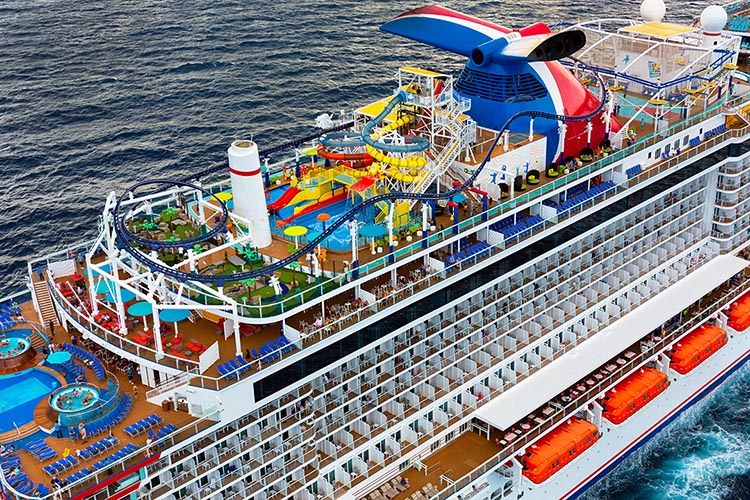
The base fare of a Carnival cruise is the most visible part of your investment, but it is also the most variable. Carnival utilizes a dynamic pricing algorithm similar to airlines, where prices fluctuate based on demand, seasonality, and inventory levels. From a personal finance perspective, the base fare should be viewed as your “entry fee” to the ecosystem.
Inside, Oceanview, and Balcony Pricing Dynamics
The first financial decision you will encounter is the cabin category.
- Interior Rooms: These are the most budget-friendly options, often serving as the “loss leader” for the brand. For a 5-day Caribbean sailing, these can range from $350 to $600 per person.
- Oceanview and Balcony: These categories represent a significant step up in cost, often adding 30% to 60% to the base fare. Financially, a balcony room is often considered a “lifestyle luxury” rather than a necessity, as the majority of your time is spent in public spaces.
- Suites: For those looking at a higher capital outlay, suites offer more square footage and VIP perks but can easily double or triple the cost of an interior room.
Seasonal Fluctuations and the Impact of Booking Windows
Timing is perhaps the most significant factor in your total expenditure. A cruise during “peak season”—such as Spring Break, the middle of Summer, or Christmas—will carry a premium of 50% to 100% over “shoulder season” sailings. If your financial goal is cost-minimization, booking during September or January can yield massive savings. Furthermore, Carnival offers different “rate codes,” such as Early Saver (which includes price protection) versus Last Minute Deals. From a risk-management standpoint, booking early with price protection is the smartest move for long-term planners.
The “Hidden” Costs: Navigating Onboard Expenses and Gratuities
In the world of business finance, “ancillary revenue” is a key metric. For Carnival, the base fare covers your room and standard food, but the company’s profitability—and your total cost—is driven by what you spend once you are on the ship.
Daily Gratuities and Service Charges
One of the most common financial oversights for first-time cruisers is the automatic gratuity. Carnival currently charges a set daily rate (usually between $16 and $18 per person, per day, depending on the cabin category). For a family of four on a 7-day cruise, this adds approximately $450 to $500 to the final bill. While these can be adjusted, they are a standard service expectation and should be factored into your “mandatory” budget from the outset.
Specialty Dining vs. Included Fare
While the Main Dining Room and the Lido Buffet are included in your base fare, Carnival has aggressively expanded its “for-fee” dining options. From Guy’s Pig & Anchor Smokehouse to the upscale Steakhouse, these experiences cost between $15 and $50 per person. When budgeting, decide early if you intend to stick to the inclusive options or if you want to allocate “discretionary income” toward these culinary upgrades.
Connectivity and Communication Packages
In the modern digital economy, staying connected is often a requirement rather than a luxury. Carnival offers tiered Wi-Fi packages ranging from “Social” (social media only) to “Premium” (streaming capable). These can cost between $15 and $25 per day. If you are a remote worker or a digital nomad, this is a non-negotiable line item that must be added to your financial forecast.
Strategic Spending: Maximizing Value Through Packages and Loyalty
To keep your cruise costs manageable, it is essential to utilize “pre-payment” strategies. Buying packages before you board often results in a 10% to 15% discount compared to onboard prices, representing an immediate return on your capital.
The Math Behind Cheers! Beverage Packages
The “Cheers!” beverage package is one of the most debated financial decisions on a Carnival ship. It typically costs around $60 to $70 per person, per day (plus an 18% service charge). To reach the “break-even” point, a guest must consume roughly 6 to 9 alcoholic drinks per day. From a personal finance perspective, if you are a light drinker, paying “a la carte” is significantly more cost-effective. However, the package offers “price certainty,” which can be a valuable psychological benefit for those who don’t want to worry about a fluctuating bill at the end of the trip.
Shore Excursions: Direct vs. Third-Party Booking
When the ship reaches a port, you face another financial crossroad: shore excursions. Booking through Carnival offers a “security premium”—the ship will not leave without you if the tour is late. However, booking through third-party vendors or exploring independently can save you 30% to 50% on the same activities. A savvy budgeter will weigh the risk of a missed ship against the potential savings of independent exploration.
Travel Logistics: Budgeting for Port Costs and Insurance
A common mistake in vacation budgeting is focusing exclusively on the “cruise” and forgetting the “travel.” The total cost of a Carnival cruise must include the expenses required to reach the pier.
Airfare, Transfers, and Pre-Cruise Stays
Unless you live within driving distance of a cruise port (like Miami, Galveston, or Port Canaveral), you must factor in flight costs. Additionally, it is a standard financial best practice to arrive at the port city one day early to avoid missing the ship due to flight delays. This adds the cost of a hotel night and several meals to your total investment.
The Financial Case for Travel Insurance
Many travelers view insurance as an unnecessary expense. However, in the context of a multi-thousand-dollar vacation, travel insurance is a vital risk-mitigation tool. It protects your investment against medical emergencies, trip cancellations, and lost luggage. When you consider that a medical evacuation from a ship can cost upwards of $20,000, a $150 insurance policy offers an exceptional “worst-case scenario” hedge.
Conclusion: The True Cost of a Carnival Vacation
So, how much is a Carnival cruise? For a solo traveler in an interior room during the off-season, the “all-in” cost might be as low as $800. For a family of four in a balcony suite during the summer, including drink packages and excursions, the total could easily exceed $6,000.
The key to mastering your cruise budget is transparency. By categorizing your spending into Fixed Costs (base fare, port taxes, gratuities), Variable Costs (excursions, specialty dining, Wi-Fi), and Logistical Costs (flights, hotels, insurance), you can create a financial roadmap that ensures your vacation remains a source of relaxation rather than financial stress.
Ultimately, Carnival offers one of the best “price-per-day” ratios in the travel industry, but only for the traveler who understands the math behind the “Fun Ships.” By applying these personal finance principles, you can enjoy the high seas without sinking your bank account.
aViewFromTheCave is a participant in the Amazon Services LLC Associates Program, an affiliate advertising program designed to provide a means for sites to earn advertising fees by advertising and linking to Amazon.com. Amazon, the Amazon logo, AmazonSupply, and the AmazonSupply logo are trademarks of Amazon.com, Inc. or its affiliates. As an Amazon Associate we earn affiliate commissions from qualifying purchases.