
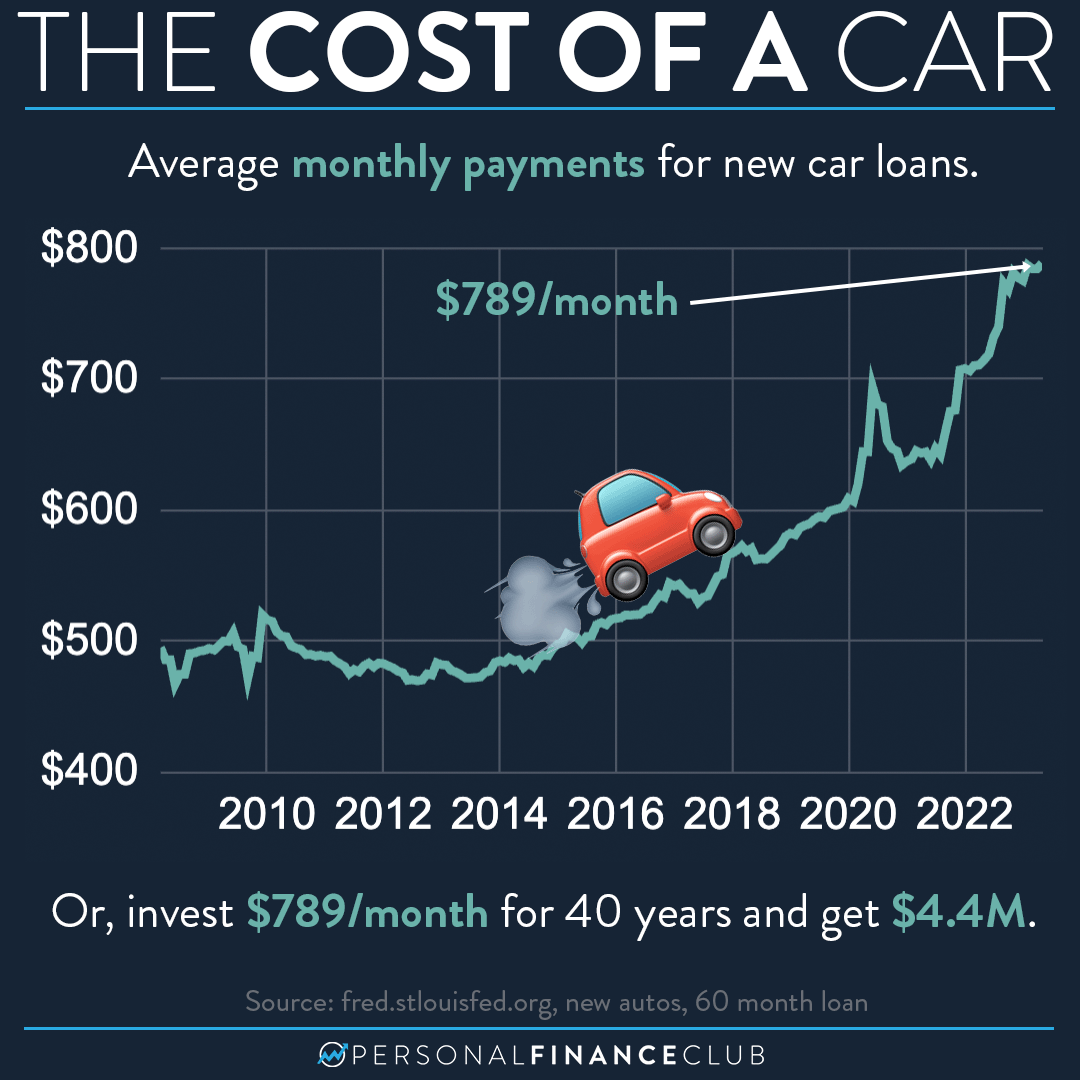
For many individuals, a car represents far more than just a mode of transportation; it’s a symbol of independence, a necessity for work, and a facilitator of daily life. However, acquiring a vehicle often involves a significant financial commitment, most notably the “car note” – your monthly car payment. Understanding how much a car note is, and more importantly, how that figure is determined, is crucial for responsible financial planning and avoiding common pitfalls in vehicle ownership. It’s rarely a single, static number; instead, it’s a dynamic figure shaped by a multitude of variables unique to each buyer and vehicle. This comprehensive guide will dissect the elements that contribute to your car note, provide strategies for calculating and managing it, and equip you with the knowledge to make informed decisions when financing your next vehicle.

Understanding the Core Components of a Car Note
A car note isn’t just an arbitrary number; it’s a carefully calculated sum derived from several fundamental financial components. Grasping each of these elements is the first step towards demystifying your monthly payment and understanding where your money truly goes.
The Principal Amount
At its heart, the principal amount is the actual sum of money you borrow to purchase the vehicle. This figure is primarily determined by the car’s sticker price (or negotiated selling price), minus any down payment you make and any value you receive from a trade-in vehicle. For instance, if you purchase a car for $30,000, make a $5,000 down payment, and get $3,000 for your trade-in, your principal loan amount would be $22,000. A lower principal means less money to finance, directly translating into lower monthly payments and reduced total interest over the life of the loan. This is why financial advisors often stress the importance of a substantial down payment.
The Interest Rate (APR)
Perhaps the most impactful factor on your car note, after the principal, is the interest rate, often expressed as the Annual Percentage Rate (APR). This is the cost of borrowing money, calculated as a percentage of the principal. Lenders charge interest to make a profit and to account for the risk associated with lending. The APR takes into account not just the nominal interest rate but also certain fees associated with the loan, providing a more comprehensive measure of the total cost of credit. A higher APR means more interest accrues on your principal each month, significantly increasing your monthly payment and the total amount you repay over the loan term. Even a difference of one or two percentage points can translate into thousands of dollars over the life of a typical car loan.
The Loan Term
The loan term refers to the duration over which you agree to repay the loan, typically expressed in months (e.g., 36, 48, 60, 72, or even 84 months). This factor has a direct, inverse relationship with your monthly payment. A longer loan term will result in lower monthly payments because the principal and interest are spread out over more installments. However, a longer term also means you’ll pay more in total interest over the life of the loan. For example, a $20,000 loan at 5% APR over 60 months might have a payment of around $377, with total interest of $2,625. The same loan over 72 months might drop the payment to about $322, but the total interest paid would climb to $3,208. It’s a trade-off between immediate affordability and long-term cost efficiency.
Sales Tax and Fees
Beyond the car’s price and interest, several other costs can be rolled into your car note, inflating the total amount financed. These often include state sales tax, which varies significantly by location, and various administrative fees such as documentation fees, registration fees, and title fees. While some of these can be paid out-of-pocket at the time of purchase, many buyers opt to finance them along with the car itself. It’s crucial to understand which fees are legitimate and which might be negotiable or avoidable. Always ask for a detailed breakdown of all costs before signing any agreements.
Factors That Significantly Influence Your Monthly Car Payment
While the core components lay the groundwork, a range of external and personal factors can drastically swing your monthly car note. Being aware of these influences empowers you to strategically position yourself for the most favorable terms possible.
Your Credit Score
Undoubtedly, your credit score is one of the most powerful determinants of the interest rate you’ll be offered. Lenders use credit scores to assess your creditworthiness and the likelihood of you repaying your loan. Individuals with excellent credit scores (typically 720+) are considered low-risk borrowers and qualify for the lowest interest rates, often referred to as “prime rates.” Conversely, those with fair or poor credit scores (below 620) are seen as higher risk, leading to significantly higher interest rates, which can sometimes be in the double digits. Improving your credit score before applying for a car loan can save you thousands of dollars over the life of the loan.
The Down Payment
The size of your down payment directly impacts the principal amount you need to borrow. A larger down payment reduces the loan amount, which in turn lowers your monthly payments and the total interest you’ll pay over the loan term. Furthermore, a substantial down payment often indicates a lower risk to lenders, potentially qualifying you for a slightly better interest rate. Financial experts frequently recommend putting down at least 10% for a used car and 20% for a new car to mitigate depreciation and avoid being “upside down” on your loan (owing more than the car is worth).
Vehicle Choice (New vs. Used)
The specific vehicle you choose has a profound effect on your car note. New cars generally come with a higher purchase price than comparable used models, directly leading to a larger principal loan amount and, consequently, higher monthly payments. While new cars often offer lower interest rates (especially through manufacturer incentives), the higher initial cost usually outweighs this benefit in terms of monthly payment. Used cars, while having a lower purchase price, might sometimes come with slightly higher interest rates, particularly for older models, but their overall affordability usually translates into a more manageable car note. The luxury level and features of the vehicle also play a significant role; a basic sedan will invariably have a lower note than a premium SUV.
Trade-In Value
If you have an existing vehicle you plan to sell, trading it in at the dealership can effectively act as an additional down payment. The agreed-upon trade-in value is deducted from the new car’s price, reducing the principal you need to finance. Maximizing your trade-in value, by ensuring your vehicle is clean, well-maintained, and appraised fairly, can significantly lower your car note. It’s often wise to get independent appraisals for your trade-in before visiting a dealership to ensure you’re getting a fair offer.
Additional Products
During the financing process, dealers often offer additional products such as extended warranties, GAP insurance (Guaranteed Asset Protection), service contracts, and paint protection plans. While some of these might offer legitimate value, especially GAP insurance for loans where you’re putting down little cash, others can significantly inflate your total loan amount if rolled into the financing. Adding thousands of dollars in extras to your loan principal means you’ll pay interest on those extras for the entire loan term, substantially increasing your monthly payment and the total cost. Carefully consider each add-on and their necessity before agreeing to finance them.
Calculating Your Potential Car Note: Tools and Strategies
Before you even step foot into a dealership, it’s essential to have a clear understanding of what you can afford. Utilizing financial tools and strategic planning can give you significant leverage.
Online Loan Calculators
The easiest way to estimate your potential car note is by using online auto loan calculators. These tools, widely available on bank websites, financial portals, and even some dealership sites, allow you to input various figures: the car’s price, your potential down payment, an estimated interest rate (based on your credit score), and a desired loan term. The calculator then instantly provides an estimated monthly payment. Experimenting with different scenarios – higher down payments, shorter terms, or slightly lower interest rates – can help you visualize the impact of each variable and find a payment that fits your budget.
Pre-Approval vs. Dealer Financing
One of the most powerful strategies for securing a favorable car note is to get pre-approved for a loan from a bank, credit union, or online lender before you visit a dealership. A pre-approval provides you with a concrete interest rate and maximum loan amount, effectively arming you with your own financing offer. This not only gives you a benchmark to compare against any financing offered by the dealer but also allows you to focus solely on negotiating the car’s price, separating the car sale from the loan agreement. Dealers often make more money on financing, so having your own pre-approval shifts the power dynamic in your favor.
The 20/4/10 Rule
A popular guideline for car affordability is the “20/4/10 Rule.” This rule suggests:
- 20% down payment: Put at least 20% of the car’s purchase price down to reduce the principal and avoid being upside down on the loan.
- 4-year loan term: Aim for a loan term of no more than four years (48 months) to minimize the total interest paid and reduce the risk of depreciation outpacing your loan repayment.
- 10% of gross income: Your total monthly car expenses (payment, insurance, fuel, maintenance) should not exceed 10% of your gross (pre-tax) monthly income.
While this rule serves as an excellent starting point, individual financial situations vary. It’s a conservative guideline, and some might stretch these figures slightly, but it provides a robust framework for preventing over-extension on a car purchase.
Budgeting for More Than Just the Payment
Your car note is only one piece of the total cost of car ownership. A truly responsible approach to financing includes budgeting for all associated expenses. This encompasses:
- Car Insurance: Mandatory in most places, and costs vary based on vehicle, driver, and coverage.
- Fuel: A significant ongoing expense, especially with fluctuating gas prices and varying vehicle fuel efficiency.
- Maintenance and Repairs: Regular oil changes, tire rotations, and unexpected repairs can add up. Factor in an emergency fund for these.
- Registration and Licensing: Annual fees required to keep your car legal.
- Parking and Tolls: If applicable in your daily routine.
Neglecting these “hidden” costs can quickly turn an affordable car note into an unmanageable financial burden. Always calculate the true total cost of ownership before committing to a purchase.
Strategies for Securing a Manageable Car Note
Armed with knowledge, you can actively implement strategies to ensure your car note is not only affordable but also financially sound in the long run.
Improve Your Credit Score
Before you even start shopping for a car, take steps to improve your credit score. Pay off outstanding debts, especially credit card balances, make all payments on time, and correct any errors on your credit report. A higher credit score translates directly into lower interest rates, which can save you hundreds or even thousands of dollars over the life of your loan, significantly reducing your monthly car note.
Save for a Larger Down Payment
The power of cash cannot be overstated when it comes to car financing. Dedicate time to saving up a substantial down payment. The more you put down upfront, the less you need to borrow, which results in lower monthly payments and less total interest paid. A larger down payment also provides a buffer against depreciation, helping you avoid negative equity.
Shop Around for Interest Rates
Never settle for the first loan offer you receive. Contact multiple banks, credit unions, and online lenders to compare interest rates and terms. As mentioned, getting pre-approved from several institutions will give you competing offers. This comparison shopping can reveal significant differences in APRs, potentially saving you a considerable amount on your car note. Treat loan shopping with the same diligence as car shopping.
Negotiate the Car Price
Remember that the car’s final purchase price directly affects your principal loan amount. Don’t be afraid to negotiate. Research the market value of the car you’re interested in (using sites like Kelley Blue Book or Edmunds) and be prepared to walk away if the price isn’t right. Negotiate the car price separately from the financing terms to avoid confusion and ensure you’re getting the best deal on both fronts.
Consider Shorter Loan Terms (If Affordable)
While longer loan terms offer lower monthly payments, they come at the cost of significantly more total interest paid. If your budget allows, opt for the shortest loan term you can comfortably afford. This strategy not only saves you money on interest but also helps you pay off the car faster, potentially allowing you to sell it or trade it in before it significantly depreciates or requires major repairs.
Refinancing Your Existing Car Note
If you’ve already financed a car but your financial situation has improved (e.g., your credit score has increased, or interest rates have dropped), consider refinancing your existing car note. Refinancing allows you to replace your current loan with a new one, potentially with a lower interest rate, a shorter term, or both. This can significantly reduce your monthly payment or the total amount of interest you’ll pay over time. It’s a strategy worth exploring if you feel your current loan terms are no longer optimal.
Common Pitfalls to Avoid When Financing a Car
Even with the best intentions, it’s easy to fall into traps that can lead to an unmanageable car note and long-term financial strain. Being aware of these common mistakes is your best defense.
Focusing Only on the Monthly Payment
One of the biggest blunders buyers make is to focus exclusively on the monthly payment amount, often to the detriment of the total cost of the loan. Dealerships frequently try to “sell the payment,” meaning they’ll adjust the loan term to achieve a seemingly affordable monthly figure, even if it means stretching the loan to 72 or 84 months. While a lower monthly payment might feel good in the short term, it almost always results in paying significantly more in total interest over the life of the loan. Always consider the total cost of the vehicle and the loan, not just the monthly installment.
Stretching the Loan Term Too Long
As mentioned, while longer loan terms reduce monthly payments, they expose you to greater risk. Extending a car loan to 72 or 84 months dramatically increases the total interest paid and makes it much more likely that you’ll be “upside down” on your loan (owing more than the car is worth). This negative equity becomes a significant problem if your car is totaled or if you need to sell or trade it in early, potentially leaving you to pay off a loan for a car you no longer own.
Neglecting the True Cost of Ownership
As detailed earlier, the car note is just one part of the financial picture. Ignoring the ongoing costs of insurance, fuel, maintenance, and potential repairs can quickly derail your budget. A car might have an “affordable” monthly payment, but if the insurance is sky-high or it’s a gas guzzler, the true monthly burden can become unmanageable. Always factor in these expenses when determining overall affordability.
Not Reading the Fine Print
Loan agreements are legally binding contracts. It is absolutely critical to read every word of the agreement before you sign. Understand all fees, the exact APR, the total cost of the loan, and any prepayment penalties. Don’t let the excitement of a new car rush you into signing something you don’t fully comprehend. If anything is unclear, ask for clarification until you are completely satisfied.
Emotional Buying
Purchasing a car can be an emotional experience, filled with the excitement of a new vehicle. However, making decisions based on emotion rather than sound financial planning is a recipe for regret. Stick to your budget, be firm on your negotiation points, and don’t be swayed by high-pressure sales tactics. If a deal doesn’t feel right or stretches your finances too thin, be prepared to walk away. There will always be another car.
Conclusion
The question “how much is a car note?” is multifaceted, with its answer depending on a complex interplay of your financial health, the vehicle you choose, and the terms of your financing. While there’s no universal magic number, armed with a thorough understanding of principal, interest, loan term, and the various influencing factors, you can approach the car buying process with confidence and strategic insight.
By diligently working to improve your credit, saving for a healthy down payment, shopping around for the best rates, and budgeting for the entirety of car ownership costs, you position yourself to secure a car note that is not only manageable but also aligns with your broader financial goals. Avoid the common pitfalls, prioritize long-term financial health over short-term payment comfort, and make informed decisions. A car note is a significant financial commitment; by treating it with the respect and planning it deserves, you can enjoy the freedom and convenience of vehicle ownership without compromising your financial well-being.
aViewFromTheCave is a participant in the Amazon Services LLC Associates Program, an affiliate advertising program designed to provide a means for sites to earn advertising fees by advertising and linking to Amazon.com. Amazon, the Amazon logo, AmazonSupply, and the AmazonSupply logo are trademarks of Amazon.com, Inc. or its affiliates. As an Amazon Associate we earn affiliate commissions from qualifying purchases.