
For many, purchasing a vehicle represents a significant life milestone, a gateway to independence, and a necessity for daily commutes. However, the path to car ownership is often paved with financial considerations, primarily the car loan. Beyond the sticker price, understanding “how much is a car loan” involves delving into a complex web of interest rates, terms, fees, and personal financial circumstances. This article aims to demystify the components of car loans, empowering prospective buyers with the knowledge to make informed decisions that align with their financial goals. We will explore the various factors that influence the total cost of a car loan, highlight hidden expenses, and provide strategies for securing the most favorable terms.

Deconstructing the Core Components of a Car Loan
At its essence, a car loan is a sum of money borrowed from a lender to purchase a vehicle, which you then repay over a specified period with interest. Understanding the foundational elements is crucial to grasping the true cost.
Principal Amount: The Borrowed Sum
The principal amount is the actual cash value you borrow to buy the car. This is typically the vehicle’s purchase price minus any down payment, trade-in value, or rebates. A higher principal means a larger loan, which, all else being equal, translates to higher monthly payments and potentially more interest paid over the life of the loan. While it might be tempting to finance the entire purchase, reducing the principal through a substantial down payment is often the first step towards a more affordable loan.
Interest Rate: The Cost of Borrowing
The interest rate is arguably the most critical factor determining the total cost of your car loan. Expressed as an Annual Percentage Rate (APR), it represents the percentage of the principal charged by the lender for the privilege of borrowing money. A higher APR means you’ll pay more in interest over time, significantly increasing the overall cost of the car. Interest rates are influenced by various factors, including the borrower’s creditworthiness, current market conditions, the loan term, and the lender’s risk assessment. Even a seemingly small difference in APR can amount to hundreds or thousands of dollars over several years.
Loan Term: The Repayment Horizon
The loan term is the duration, typically expressed in months (e.g., 36, 48, 60, 72, or even 84 months), over which you agree to repay the loan. A longer loan term generally results in lower monthly payments because the principal and interest are spread out over more installments. However, this often comes at a cost: you’ll pay more in total interest over the life of the loan, and the car’s depreciation may outpace your equity build-up, potentially leading to an “upside down” loan (owing more than the car is worth). Conversely, a shorter loan term means higher monthly payments but less total interest paid and faster equity accumulation.
Factors Influencing Your Car Loan Amount and Terms
The amount you pay for a car loan isn’t static; it’s a dynamic figure shaped by a multitude of variables unique to each borrower and vehicle.
Your Credit Score: The Ultimate Determinant
Your credit score is perhaps the single most influential factor in determining the interest rate you’ll be offered. Lenders use credit scores to assess your creditworthiness – your likelihood of repaying the loan. Borrowers with excellent credit (typically 720+) are considered low-risk and qualify for the lowest interest rates. Those with good, fair, or poor credit will likely face higher interest rates as lenders compensate for the increased risk. Taking steps to improve your credit score before applying for a car loan can lead to substantial savings.
Down Payment: Reducing Your Borrowed Principal
A down payment is the initial sum of money you pay towards the car’s purchase price. Making a significant down payment reduces the principal amount you need to borrow, which, in turn, lowers your monthly payments and the total interest paid over the loan term. Furthermore, a substantial down payment demonstrates your commitment to the loan, potentially making lenders more inclined to offer better terms. Experts often recommend a down payment of at least 10-20% for new cars and 20% or more for used cars to mitigate depreciation risks.
Vehicle Type and Price: New vs. Used, Luxury vs. Economy
The type of vehicle you choose directly impacts the loan amount. New cars typically command higher prices than used cars, leading to larger principal amounts. Luxury vehicles, even when used, often have higher price tags. Lenders may also view financing for older, high-mileage vehicles as riskier, potentially leading to higher interest rates or shorter loan terms. The sweet spot often lies in balancing your needs and desires with a vehicle price that fits comfortably within your budget after factoring in a loan.
Lender Type: Banks, Credit Unions, Dealerships, Online Lenders
Different lenders offer varying rates and terms.
- Banks are traditional institutions offering a wide range of loan products.
- Credit Unions are member-owned and often provide competitive rates due to their non-profit status.
- Dealerships offer convenience by facilitating financing on-site, sometimes through their own finance arms or partner lenders. While convenient, their rates may not always be the most competitive without careful negotiation.
- Online Lenders have become increasingly popular, offering streamlined application processes and often competitive rates, especially for those with good credit. Shopping around and getting pre-approvals from multiple lenders is a powerful strategy to compare offers and secure the best deal.
Current Market Interest Rates: Economic Climate
The broader economic environment, particularly the federal funds rate set by central banks, influences interest rates across all lending sectors, including auto loans. When interest rates are low economy-wide, car loans tend to be cheaper. Conversely, during periods of rising interest rates, borrowing costs increase. While individual borrowers have little control over market rates, being aware of the prevailing economic climate can help inform the timing of a car purchase.
Beyond the Monthly Payment: Hidden Costs and Considerations
Focusing solely on the monthly payment can be a common pitfall. The true cost of car ownership extends beyond the loan itself, encompassing several additional expenses that must be factored into your budget.

Sales Tax, Registration, and Documentation Fees
Before you even drive off the lot, you’ll incur additional costs. Sales tax varies by state and can add hundreds or even thousands of dollars to the purchase price. Registration fees, which are typically annual, are required to legally operate your vehicle. Documentation fees (or “doc fees”) are charged by dealerships for processing paperwork and can range from nominal to several hundred dollars. While some of these can be rolled into your loan, doing so increases your principal and, consequently, your interest payments.
Insurance Requirements and Premiums
Auto insurance is a non-negotiable expense. If you finance your car, lenders will typically require comprehensive and collision coverage to protect their investment, in addition to any state-mandated liability insurance. Your insurance premiums will depend on factors like your driving record, age, location, the car’s make and model, and your chosen coverage limits. These premiums represent a significant ongoing cost that must be budgeted for alongside your loan payments.
Maintenance and Fuel Costs
Over the life of the car, maintenance and repairs are inevitable. Routine oil changes, tire rotations, brake pad replacements, and unforeseen repairs can add up. Fuel costs, a variable expense tied to gas prices and your driving habits, also contribute substantially to the total cost of ownership. Neglecting these practical costs can strain your budget, even if your loan payment is manageable.
Gap Insurance and Extended Warranties
Lenders may recommend or even require Gap Insurance, especially if you make a small down payment or finance a rapidly depreciating vehicle. Gap insurance covers the “gap” between what you owe on your loan and the car’s actual cash value if it’s totaled or stolen. Without it, you could be left paying for a car you no longer own. Extended warranties, while offering peace of mind against mechanical breakdowns, are often expensive and might duplicate existing manufacturer warranties. It’s crucial to evaluate whether these add-ons are truly necessary and provide value proportionate to their cost.
Calculating Your Car Loan: Tools and Strategies
Empowering yourself with the right tools and strategies can significantly streamline the car loan process and lead to more favorable outcomes.
The Role of an Auto Loan Calculator
Online auto loan calculators are indispensable tools. By inputting the principal amount, interest rate, and loan term, you can instantly see your estimated monthly payments and the total interest paid over the life of the loan. Many calculators also allow you to factor in down payments, trade-in values, and even sales tax, providing a comprehensive estimate of your financial commitment. Experimenting with different scenarios (e.g., higher down payment, shorter term, lower interest rate) can help you understand the impact of each variable.
Understanding Amortization Schedules
An amortization schedule breaks down each loan payment into its principal and interest components. In the early stages of a loan, a larger portion of your payment goes towards interest. As the loan matures, more of each payment chips away at the principal. Understanding this schedule can be insightful, especially if you’re considering making extra payments, as additional principal payments in the early stages can save significant interest over time.
Pre-Approval: Knowing Your Buying Power
Getting pre-approved for a car loan before you step onto a dealership lot is a powerful strategy. Pre-approval involves applying for a loan with a bank, credit union, or online lender, which then provides you with a conditional offer outlining the maximum amount you can borrow and the interest rate you qualify for. This transforms you into a cash buyer at the dealership, giving you stronger negotiation leverage on the vehicle price and allowing you to compare the dealership’s financing offers against your pre-approval.
Strategies for Lowering Your Loan Costs
Beyond pre-approval, several strategies can help reduce your total car loan cost:
- Improve your credit score: Pay bills on time, reduce existing debt, and check your credit report for errors.
- Make a larger down payment: This reduces the principal and the amount of interest you’ll pay.
- Choose a shorter loan term: While increasing monthly payments, it drastically cuts down on total interest.
- Shop around for lenders: Don’t settle for the first offer; compare rates from multiple financial institutions.
- Negotiate the car price: A lower purchase price directly translates to a smaller loan amount.
- Refinance: If interest rates drop or your credit score improves after you’ve taken out a loan, refinancing could secure a lower APR.
Making an Informed Decision: Is a Car Loan Right for You?
Ultimately, the decision to take out a car loan should be a well-considered financial move, not an impulse purchase. It requires careful budgeting and an honest assessment of your financial health.
Budgeting for a Car Loan
A responsible approach involves creating a detailed budget that accounts for all car-related expenses: monthly loan payments, insurance, fuel, maintenance, and potential parking or toll fees. A common rule of thumb suggests that your total car expenses (payment, insurance, fuel) should not exceed 10-20% of your net monthly income. Exceeding this can strain your budget and limit your ability to save or cover other essential expenses.
Weighing the Pros and Cons of Financing
Pros:
- Allows access to transportation without a large upfront cash payment.
- Can help build credit history if payments are made on time.
- Offers flexibility in vehicle choice.
Cons:
- Incurs interest costs, increasing the total price of the car.
- Ties up future income with monthly payments.
- Risk of being “upside down” on the loan if the car depreciates faster than you pay it off.
- Potential for hidden fees and add-on costs.
Alternatives to Traditional Car Loans
For some, a traditional car loan might not be the best fit. Alternatives include:
- Paying with cash: Eliminates interest payments entirely, but requires significant savings.
- Leasing: Offers lower monthly payments and the ability to drive new cars more frequently, but you don’t own the vehicle and have mileage restrictions.
- Public transportation or ride-sharing: A viable option in urban areas, eliminating the need for car ownership altogether.
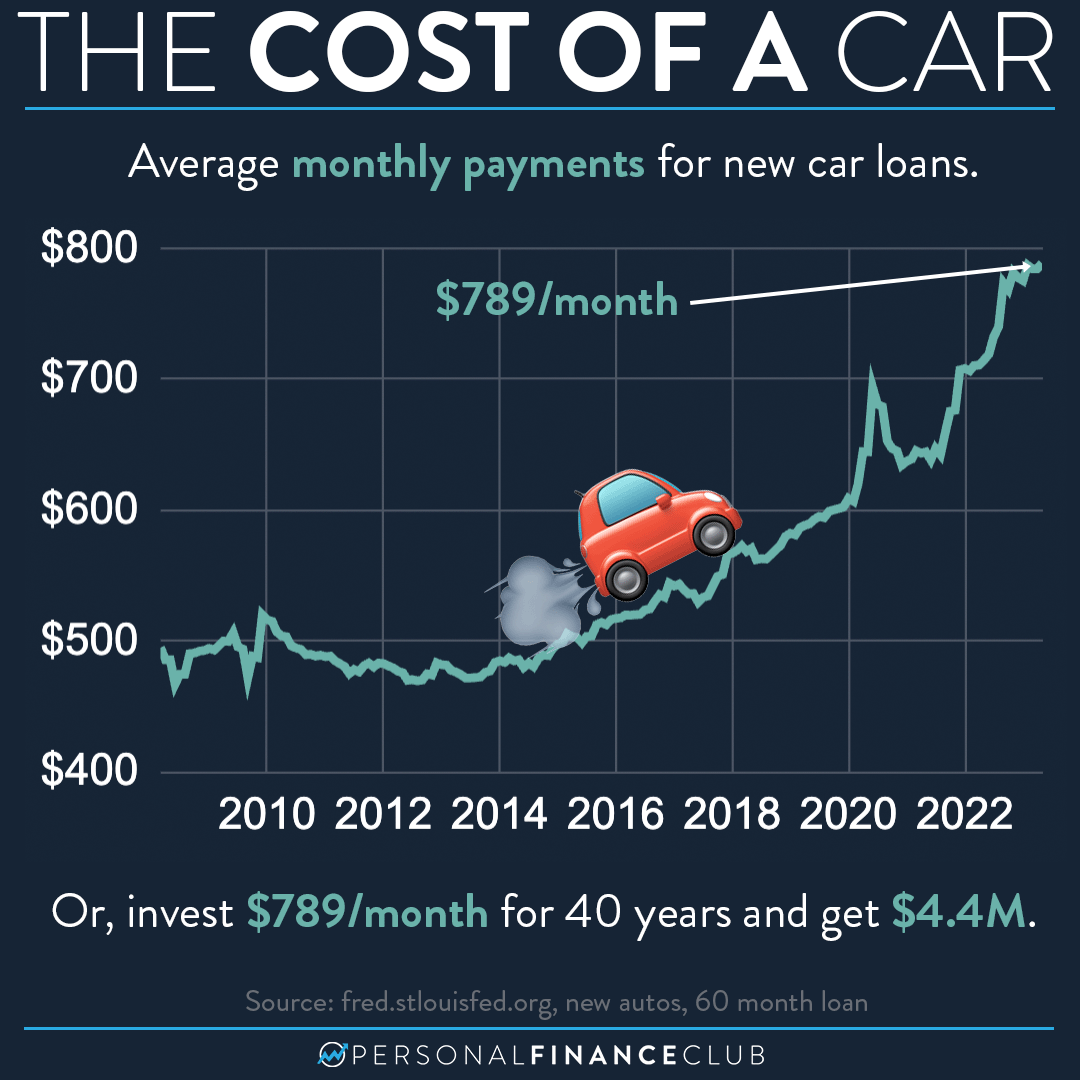
Long-Term Financial Impact
The choice of a car loan reverberates through your long-term financial health. A manageable loan frees up cash flow for other financial goals like saving for a home, retirement, or investments. Conversely, an overstretched car loan can hinder wealth accumulation, create financial stress, and limit your ability to respond to unexpected expenses. By understanding “how much is a car loan” in its entirety, you position yourself to make a decision that serves not just your immediate transportation needs but also your broader financial well-being for years to come.
aViewFromTheCave is a participant in the Amazon Services LLC Associates Program, an affiliate advertising program designed to provide a means for sites to earn advertising fees by advertising and linking to Amazon.com. Amazon, the Amazon logo, AmazonSupply, and the AmazonSupply logo are trademarks of Amazon.com, Inc. or its affiliates. As an Amazon Associate we earn affiliate commissions from qualifying purchases.