
When families walk into a Build-A-Bear Workshop, they are often entering a meticulously designed retail environment intended to maximize consumer engagement through an experiential sales funnel. However, for the financially conscious parent or the hobbyist collector, the primary question is rarely about the experience itself, but rather the bottom line: How much does a “builder bear” actually cost? Navigating the pricing structure of this custom toy retail giant requires an understanding of tiered pricing, accessory markups, and the long-term value of the investment.
To understand the cost, one must look past the initial price tag on the unstuffed plush. The final receipt is the result of a multi-stage purchasing process that can range from a modest discretionary expense to a significant luxury investment.

Decoding the Initial Price Tag: Entry-Level vs. Premium Models
The first step in calculating the cost of a custom bear is identifying the base price of the “skin” or the unstuffed plush. Build-A-Bear utilizes a tiered pricing strategy that caters to different economic segments of their market. This allows the brand to maintain accessibility for budget-conscious shoppers while offering high-margin premium products for collectors and gift-givers.
The Budget-Friendly Tier
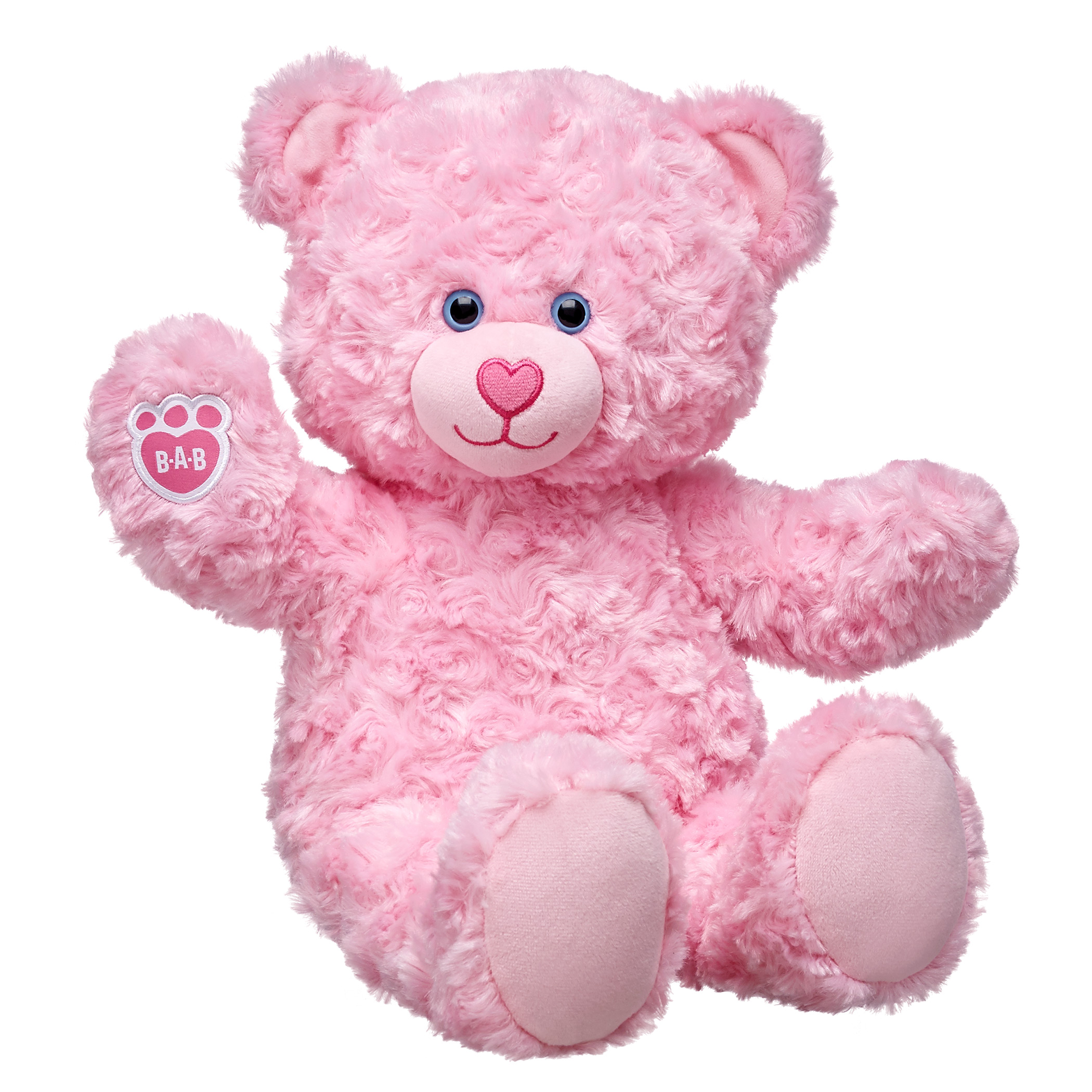
At the lower end of the spectrum, standard “builder bears” usually start between $14.00 and $22.00. These are often generic animals—traditional brown bears, colorful bunnies, or basic dogs. From a personal finance perspective, these represent the best “value per inch” of plush. These models are typically made of standard synthetic fibers and do not carry the overhead costs of third-party licensing fees. For a parent looking to provide the Build-A-Bear experience without breaking the bank, this tier is the essential starting point.
The Licensed and Specialty Tier
Once you move into licensed intellectual property (IP), the pricing shifts significantly. Characters from major franchises—such as Disney, Marvel, Star Wars, or Pokémon—typically retail between $30.00 and $45.00 for the base plush alone. This price hike is a direct reflection of the licensing royalties the company must pay to the IP holders. For the consumer, this represents a 50% to 100% premium over the standard models. From an investment standpoint, these items often hold their value better on the secondary market, but they require a higher upfront capital layout.
Limited Editions and Online Exclusives
Build-A-Bear frequently releases “Online Exclusives” or “Collector’s Editions” that can reach upwards of $60.00 to $100.00. These often feature high-end materials like Swarovski crystals or intricate embroidery. While these are marketed as luxury goods, the financial utility for a standard household is lower, as these items are typically meant for display rather than the rigorous play that justifies the cost of a child’s toy.
The “Hidden” Economics of the Build-A-Bear Experience
The genius of the Build-A-Bear business model—and the challenge for a personal budget—is the “add-on” structure. The base price of the bear is rarely the final price. In retail psychology, this is known as “upselling,” and in the context of a “builder bear,” it can easily double or triple the initial cost.
Accessories and Outfits
The clothing for these plush toys is where many consumers lose track of their spending. A single outfit (shirt and pants) generally costs between $12.00 and $18.00. Accessories such as shoes, hats, and glasses add another $5.00 to $10.00 each. If you are budgeting for a fully “decked out” bear, you should expect to add at least $25.00 to the base price of the plush.
From a financial planning perspective, the “cost of ownership” for a bear increases every time a new seasonal outfit is purchased. Much like the “Razor and Blade” business model, the bear is a one-time purchase that facilitates an ongoing stream of accessory sales.
Scent and Sound Modules
Further customization comes in the form of sensory additions. Scent discs, which are inserted into the bear during the stuffing process, usually cost around $4.00. Sound modules, which can play pre-recorded clips or custom voice messages, range from $5.00 to $15.00. While these seem like small increments, they contribute to “price creep,” where the total cost of the item slowly migrates from a manageable $20.00 to a more substantial $60.00 before taxes.
Heart Beats and Beartiques
The “Heart Beat” vibration module is another popular add-on, typically priced around $6.00. When you combine the plush, a licensed character premium, a full outfit, shoes, a scent, and a sound, a single “builder bear” can easily cost between $75.00 and $90.00. Understanding these incremental costs is vital for anyone attempting to maintain a strict “fun money” or “gifts” budget.
Strategies for Financial Efficiency in Custom Toy Shopping
For the savvy consumer, there are several ways to mitigate the high costs associated with custom plush toys. Leveraging loyalty programs and timing purchases according to corporate promotional cycles can significantly reduce the total expenditure.
The “Pay Your Age” Event and Birthday Rewards
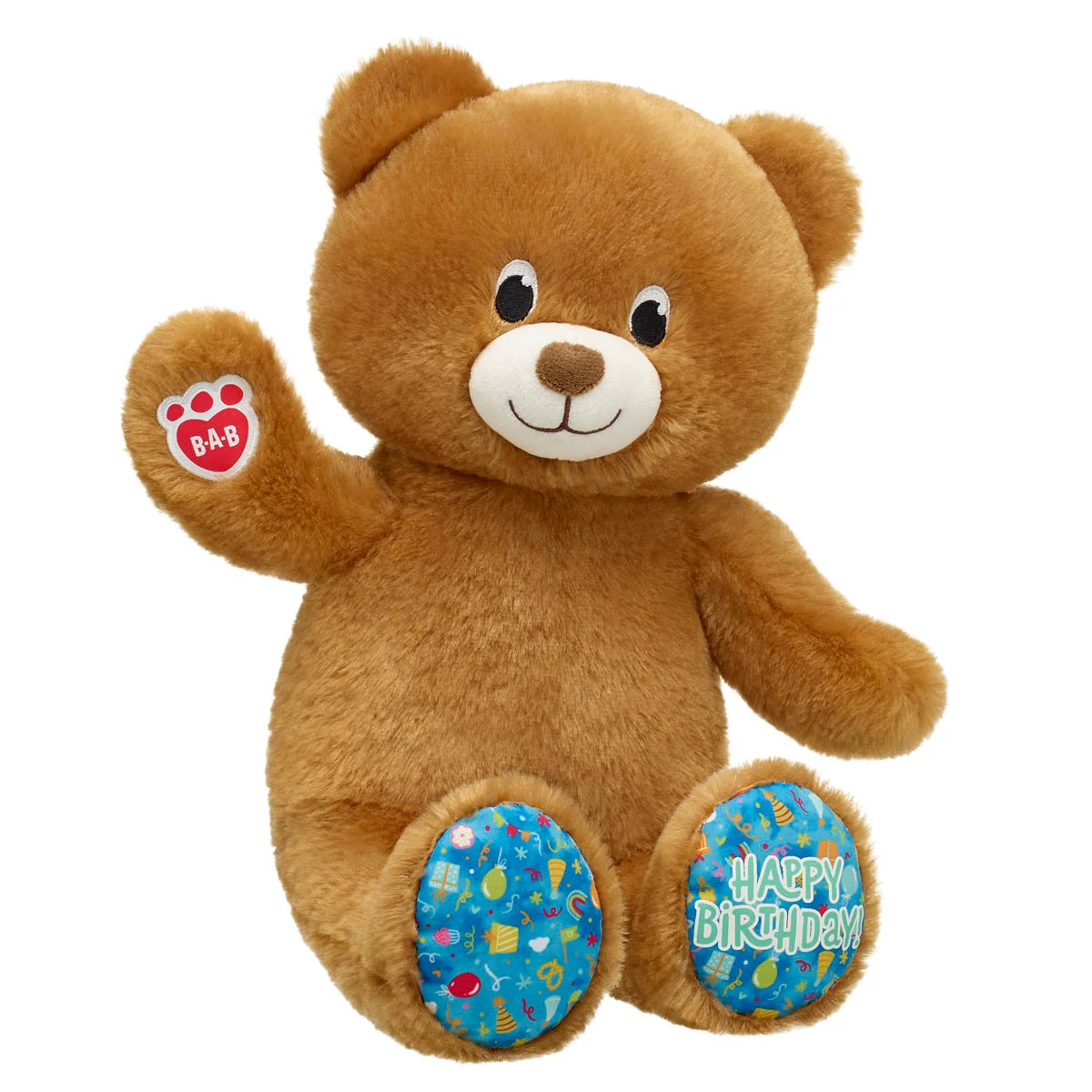
Historically, the “Pay Your Age” event was a cornerstone of Build-A-Bear’s marketing, allowing children to pay their age in dollars for a bear. While the company has modified this into the “Count Your Candles” program for “Bonus Club” members, the financial benefit remains significant. During their birthday month, a child can get a specific “Birthday Treat Bear” for the price of their age. For a three-year-old, this reduces a potential $20.00 expense to just $3.00—a massive return on a simple free membership signup.
Discounted Gift Cards and Arbitrage
One of the most effective personal finance hacks for retail shopping is the use of discounted gift cards. Websites like Raise or CardCash often sell Build-A-Bear gift cards at a 10% to 20% discount. By purchasing these cards in advance, you are essentially locking in a 20% discount on your entire purchase, including the high-margin accessories that rarely go on sale.
The “Stuffed vs. Unstuffed” Strategy
When shopping online, consumers have the option to order the bear “unstuffed.” This is a particularly useful strategy for managing a budget over time. You can purchase the skins during a major clearance sale (often 50% off or more) and store them. Later, you can take them to a physical store to be stuffed for free. This allows you to decouple the purchase of the toy from the experience, enabling you to buy when prices are lowest without sacrificing the “building” process for the recipient.
The Secondary Market: Are Builder Bears an Investment?
In the world of personal finance and side hustles, the question of resale value is always relevant. Does a Build-A-Bear retain its value, or is it a depreciating asset the moment it leaves the store?
Rare and Retired Models
The majority of standard bears do not appreciate in value; in fact, they typically resell for 20% to 40% of their original retail price on platforms like eBay or Mercari. However, there is a robust “niche” market for retired models and rare collaborations. For instance, certain limited-edition Sanrio (Hello Kitty) or early Pokémon releases have been known to sell for double or triple their original retail price.
The “NWT” (New With Tags) Premium
To maintain any semblance of investment value, the bear must be kept in pristine condition, ideally with the original paper tags attached. Once a bear has been “played with” or washed, its financial value drops to almost zero. For those looking to use “builder bears” as a micro-investment or a side hustle, focusing on licensed, limited-run characters and keeping them in “collector condition” is the only viable path to a positive Return on Investment (ROI).
Comparative Analysis: The Opportunity Cost of Luxury Toys
When deciding whether to spend $60.00 to $80.00 on a custom plush toy, it is helpful to consider the opportunity cost. In the context of business finance and household management, every dollar spent on a luxury toy is a dollar not spent on other forms of entertainment or savings.
Experience Retail vs. Material Goods
A $75.00 Build-A-Bear is not just a toy; it is an hour of entertainment. When compared to the cost of a family of four going to the cinema (which can easily exceed $100.00 with snacks), the bear offers a tangible product that lasts long after the “experience” is over. From a “cost-per-hour of enjoyment” perspective, the bear may actually be a more efficient use of funds than a one-time event like a theme park visit or a movie.
Teaching Financial Literacy
The Build-A-Bear experience offers a unique opportunity for parents to teach children about budgeting. By giving a child a set “capital” (e.g., $40.00) and letting them navigate the choices between a more expensive bear or a cheaper bear with more accessories, parents can simulate real-world financial trade-offs. This educational value can, in some ways, justify the higher price point of the product.
In conclusion, the cost of a “builder bear” is highly variable, dictated by choices made at every step of the assembly line. While a basic bear can be acquired for under $20.00, the average “complete” experience usually lands in the $50.00 to $70.00 range. By understanding the pricing tiers, avoiding the psychological traps of add-ons, and utilizing loyalty programs, consumers can enjoy the brand’s offerings without compromising their financial health. Whether viewed as a discretionary gift or a collectible investment, the “builder bear” remains a fascinating study in the economics of modern experiential retail.
aViewFromTheCave is a participant in the Amazon Services LLC Associates Program, an affiliate advertising program designed to provide a means for sites to earn advertising fees by advertising and linking to Amazon.com. Amazon, the Amazon logo, AmazonSupply, and the AmazonSupply logo are trademarks of Amazon.com, Inc. or its affiliates. As an Amazon Associate we earn affiliate commissions from qualifying purchases.