
Build-A-Bear Workshop has carved a unique niche in the retail landscape, offering not just a toy, but an immersive, interactive experience where customers bring their own furry friends to life. For many, a trip to Build-A-Bear is a cherished memory, a birthday tradition, or a special treat. However, beneath the layers of stuffing and smiles lies a fundamental question that often prompts curiosity: “How much does a Build-A-Bear actually cost?” This seemingly simple query opens up a fascinating exploration into personal finance, budgeting, value perception, and even the economics of experiential retail. It’s not merely about the base price of a plush toy; it encompasses a spectrum of financial decisions, from the initial selection to the final, personalized touches that shape the total investment in a new companion. For families, gift-givers, and even the financially curious, understanding the multi-faceted cost structure of a Build-A-Bear is key to a satisfying and budget-conscious experience.
Deconstructing the Core Cost: What’s the Starting Price?
The journey to owning a Build-A-Bear typically begins with selecting the unstuffed animal, and this initial choice forms the foundation of the total expenditure. However, even this first step reveals a range of pricing strategies that can influence the budget from the outset.
The Bare Bear Basics: Entry-Level Pricing
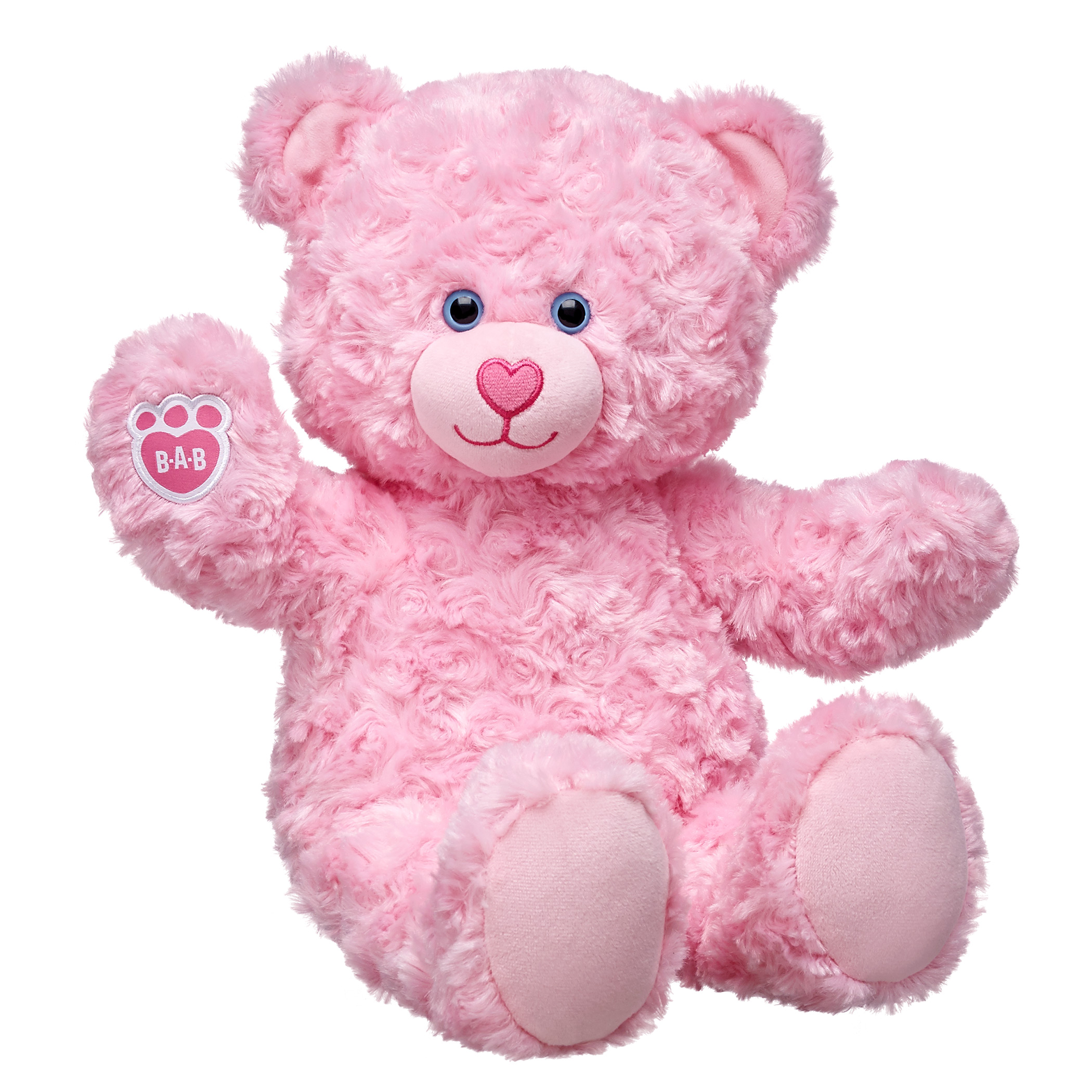
At its core, the price of a Build-A-Bear starts with the plush animal itself. These “bare bears” (or other animals like bunnies, cats, or fantastical creatures) generally range from $18 to $35 USD. This price point typically covers the basic animal and the stuffing experience, but little else. It represents the most economical way to participate in the Build-A-Bear tradition. Often, the more generic or classic animal designs fall into the lower end of this spectrum, making them accessible entry points for those mindful of their spending limits. Understanding this baseline is crucial for setting expectations before entering the workshop.
Size, Character, and Exclusivity: Price Modifiers
The initial cost can escalate significantly depending on the animal chosen. Larger plush toys naturally command a higher price due to increased material costs. More importantly, limited edition characters, licensed properties (such as Disney, Marvel, Star Wars, Pokémon, or popular movie tie-ins), and seasonal exclusives often reside at the premium end of the scale, frequently priced between $30 and $70+ USD. These specialized characters leverage brand recognition and collector appeal, justifying their higher price tags. For instance, a beloved character from a major franchise will almost invariably be more expensive than a generic teddy bear. This pricing strategy reflects the added value perceived by consumers for unique or highly sought-after items, making financial planning essential if a specific character is on the wishlist.
The Online vs. In-Store Dynamic: Pricing Nuances
While the core pricing for plush animals tends to be consistent across Build-A-Bear’s physical stores and their online platform, there can be subtle differences in overall experience and potential for savings. Online, customers often have access to web-exclusive characters or bundles that might not be available in brick-and-mortar locations. The convenience of shopping from home, combined with potential online-only sales or free shipping thresholds, can sometimes make the online purchase more financially appealing. Conversely, the in-store experience—the interactive stuffing, the heart ceremony, and the immediate gratification—adds an intangible value that some consumers are willing to pay for, even if the base price is identical. Financial consideration here often comes down to weighing the monetary cost against the value of the in-person experience.
The Financial Layers: Accessories, Outfits, and Customizations
While the base animal is the foundation, a significant portion of the total Build-A-Bear expenditure typically comes from the vast array of accessories and customization options. These add-ons are where the “build” truly becomes personal, but they also represent the primary area where costs can quickly accumulate, often surprising the unprepared budgeter.
Outfitting Your Friend: Wardrobe Costs
One of the most popular ways to personalize a Build-A-Bear is through clothing. From tiny shoes and socks to full outfits like superhero costumes, princess gowns, or everyday wear, the wardrobe options are extensive. Individual clothing items can range from $6 for a small accessory like shoes or a hat to $20-$30 for a complete outfit. If a customer opts for multiple garments, say a shirt, pants, and a jacket, the cost can easily exceed the price of the bare bear itself. For instance, a full sports uniform, including shoes and a helmet, could add $25-$40 to the bill. These clothing costs are a crucial component of the financial planning for a Build-A-Bear experience, as they contribute significantly to the total outlay.
Personal Touches: Sounds, Scents, and Embellishments
Beyond clothing, Build-A-Bear offers a suite of smaller, yet impactful, customizations. Sound chips, which allow a bear to play a pre-recorded message, a song, or even a personalized voice recording, typically cost around $8-$10. Scent discs, which infuse the plush with a pleasant aroma (like strawberry, chocolate, or cotton candy), are usually priced around $4-$5. Other embellishments like embroidery (adding a name or date), small accessories like sunglasses or jewelry, or even an extra “heart” can each add a few dollars to the total. While individually these items seem inexpensive, selecting several can quickly add another $15-$30 to the final price. These personalized elements enhance the emotional value of the bear, but careful budgeting is needed to avoid overspending on these appealing extras.
The Cumulative Effect: Budgeting for the “Full Experience”
It’s the accumulation of these individual choices—the chosen bear, its outfit, the sound chip, the scent, and any other small accessories—that defines the ultimate cost of a Build-A-Bear. A typical “full experience” Build-A-Bear, including a mid-range animal, a full outfit, and a sound or scent, often lands in the $50-$75 range. For premium characters with elaborate outfits and multiple customizations, the total can easily exceed $100. This cumulative effect highlights the importance of financial foresight. Without a clear budget or a pre-determined limit, it’s easy for the excitement of customization to lead to an expenditure far greater than initially anticipated. Understanding this layered cost structure is fundamental for anyone looking to manage their spending effectively during a Build-A-Bear visit.
Beyond the Transaction: The Value Proposition and Long-Term Financial Considerations
The financial discussion around Build-A-Bear extends beyond the immediate purchase price. It delves into the perceived value, the longevity of the product, and even the potential for the experience to serve as a practical lesson in personal finance. Understanding these dimensions provides a more holistic view of the “cost” of a Build-A-Bear.
Perceived Value vs. Monetary Cost: A Consumer Perspective
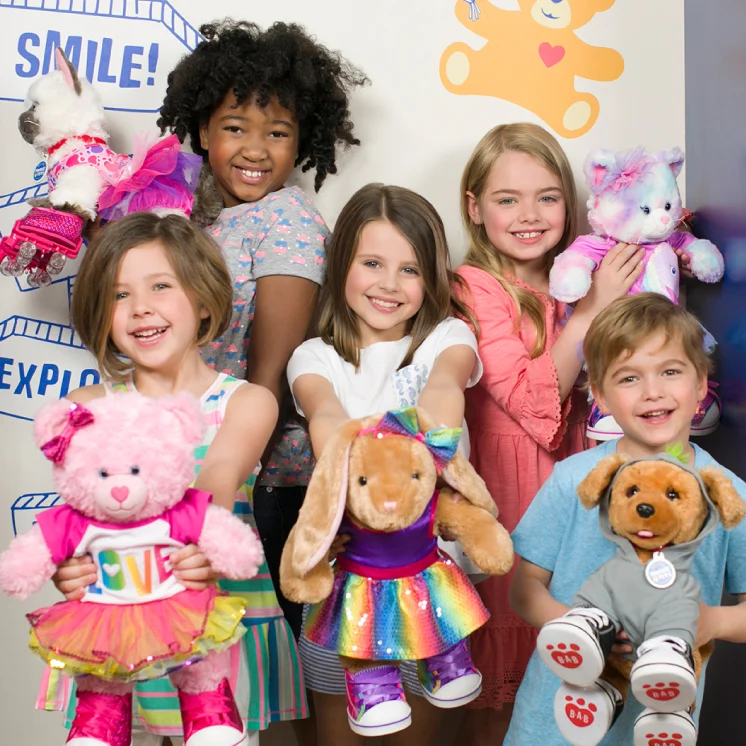
For many customers, the monetary cost of a Build-A-Bear is offset by its significant perceived value. This value is multifaceted: it’s the emotional connection forged during the creation process, the unique sentimental significance of a custom-made companion, and the joy derived from owning a personalized toy. For gifts, the effort and personalization often translate into a higher perceived value than a mass-produced item of similar monetary cost. Parents might see the investment as paying for an “experience” rather than just a toy. This emotional return on investment is critical to understanding why consumers are often willing to spend more on a Build-A-Bear than on a comparable plush from a different retailer, making the financial outlay feel justified from a personal standpoint.
Repair, Maintenance, and Longevity: Hidden Costs or Investments?
Unlike many mass-produced toys, Build-A-Bear Workshop offers a unique proposition regarding the longevity of its products. Should a bear become unstuffed or require minor repairs, customers can often bring it back to a workshop for re-stuffing or minor stitching, sometimes for free or a nominal fee. This policy can be viewed as an extended value proposition, minimizing potential “hidden costs” of replacing a damaged toy. Furthermore, the robust construction of Build-A-Bear products generally ensures a long lifespan, meaning the initial financial investment is spread out over many years of enjoyment. From a financial perspective, a durable item that can be maintained or repaired offers better long-term value than a cheaper, less robust alternative that requires frequent replacement.
Financial Literacy in Fun: Teaching Kids About Money
The Build-A-Bear experience also presents an invaluable opportunity for practical financial education. For children, it can be a tangible introduction to concepts like budgeting, saving, and making choices within a set limit. Parents can allocate a specific budget for the visit, encouraging children to choose between different animals, outfits, and accessories to stay within their financial boundaries. This hands-on decision-making process teaches the difference between “wants” and “needs,” the impact of cumulative purchases, and the importance of prioritizing spending. By involving children in the financial planning of their Build-A-Bear, families can transform a fun outing into a memorable lesson in personal finance.
Savvy Spending: Strategies for a Budget-Conscious Build
For those who want to experience the joy of Build-A-Bear without overspending, several strategies can help manage costs effectively. Being proactive and informed about pricing, promotions, and alternative purchasing methods can lead to significant savings.
Hunting for Deals: Sales, Promotions, and Coupons
Build-A-Bear, like many retailers, frequently offers sales and promotions. Seasonal events, holiday specials, and clearance sales are common opportunities to find discounted plush animals or accessories. Signing up for their email newsletter is an excellent way to receive alerts about upcoming sales, exclusive online offers, and coupon codes. Additionally, checking third-party coupon websites or community deal forums can sometimes yield printable coupons or online discounts not widely advertised. Timing a visit or an online purchase with these promotions can substantially reduce the total financial outlay.
Membership Programs and Rewards: Maximizing Savings
Build-A-Bear operates a “Bonus Club” loyalty program. Members typically earn points for every dollar spent, which can then be redeemed for discounts on future purchases. While the initial benefit might seem modest, for repeat customers or those planning a larger purchase (e.g., for multiple children or gifts), these rewards can accumulate into meaningful savings over time. Loyalty programs often also provide members with exclusive access to sales, birthday offers, or early product releases, which can indirectly lead to better value by allowing access to desired items before they sell out or become less discounted.
Gift Cards and Bundles: Pre-Planned Spending
Gift cards can be an effective budgeting tool, especially when gifted by others or purchased at a discount from third-party retailers. By having a pre-loaded amount, consumers are naturally encouraged to stick within that financial limit. Build-A-Bear also occasionally offers “bundle” deals, particularly online, where a specific animal, outfit, and sometimes a sound chip are grouped together at a price lower than purchasing each item individually. These bundles are excellent for streamlining the decision-making process and guaranteeing a complete experience at a more predictable and often reduced cost.
The Secondhand Market: A Frugal Alternative
For the truly budget-conscious, exploring the secondhand market can be a remarkably effective strategy. Websites like eBay, Mercari, or local online marketplaces often feature a wide array of pre-owned Build-A-Bear animals and clothing, often at a fraction of the original retail price. Many of these items are in excellent condition, offering a sustainable and economical way to acquire desired characters or outfits. While the interactive “building” experience is forgone, this approach allows for significant savings, particularly for collectors or those simply seeking a specific plush.
The Business of Cuddles: Build-A-Bear’s Pricing Strategy
From a business finance perspective, Build-A-Bear’s pricing is a sophisticated model designed to capture value from an experience-driven market. Their strategy balances the cost of goods with the premium placed on brand equity and the unique retail environment they offer.
Experiential Retail and Premium Pricing
Build-A-Bear is a prime example of experiential retail, where the act of purchasing is as significant as the product itself. The interactive, personalized process of choosing, stuffing, dressing, and “bringing to life” a plush toy creates a powerful emotional connection. This unique experience, which transcends a simple transactional purchase, allows Build-A-Bear to command premium pricing. Consumers are, in effect, paying for the memory, the engagement, and the personalization—factors that are difficult to quantify but are highly valued. This strategy leverages psychological pricing, where the perceived value of the experience elevates the willingness to pay a higher price than for a conventional plush toy.
Supply Chain and Material Costs: Underlying Factors
While the experiential aspect is a major driver, the underlying supply chain and material costs also play a role in Build-A-Bear’s pricing. The quality of materials used for the plush animals, clothing, and accessories, along with the manufacturing, shipping, and inventory management, all contribute to the cost of goods sold. Operating physical retail spaces, particularly in high-traffic areas like malls, entails significant overheads including rent, utilities, and labor costs. These operational expenditures are factored into the final retail price, ensuring the business remains profitable while delivering its distinctive service.

Brand Equity and Market Positioning
Build-A-Bear has cultivated strong brand equity over the years, establishing itself as a beloved and trusted name synonymous with personalized plush toys. This strong brand recognition and positive reputation allow the company to position its products at a premium price point within the competitive toy market. Customers are not just buying a bear; they are buying into the Build-A-Bear brand promise of quality, personalization, and a memorable experience. The strategic alliances with popular entertainment franchises further enhance brand appeal and permit higher pricing for licensed characters, demonstrating how strong brand management directly impacts financial outcomes.
In conclusion, answering “how much is a Build-A-Bear?” reveals a journey through various financial considerations. From the initial base price of the plush animal to the cumulative cost of outfits and accessories, the total expenditure can range significantly. Beyond the immediate transaction, the value proposition includes emotional connections, the potential for product longevity, and valuable opportunities for teaching financial literacy. By understanding these financial layers and employing savvy spending strategies—such as leveraging sales, loyalty programs, and even the secondhand market—consumers can navigate the Build-A-Bear experience more effectively. Ultimately, the cost of a Build-A-Bear is not just a dollar figure; it’s an investment in an experience, a memory, and a personalized companion, the true financial impact of which is shaped by informed choices and thoughtful budgeting.
aViewFromTheCave is a participant in the Amazon Services LLC Associates Program, an affiliate advertising program designed to provide a means for sites to earn advertising fees by advertising and linking to Amazon.com. Amazon, the Amazon logo, AmazonSupply, and the AmazonSupply logo are trademarks of Amazon.com, Inc. or its affiliates. As an Amazon Associate we earn affiliate commissions from qualifying purchases.