
When consumers ask, “How much is a Build-A-Bear?” they are rarely looking for a single sticker price. Unlike a traditional retail transaction where you pick a product off a shelf and pay a fixed amount, Build-A-Bear Workshop operates on a tiered pricing model that blends product sales with experiential entertainment. From a personal finance perspective, a trip to this iconic retailer can range from a modest $14 investment to an $80+ luxury expenditure.
Understanding the financial anatomy of a Build-A-Bear purchase requires looking beyond the “base bear.” To navigate the store without falling into a budget trap, one must understand the layers of upselling, the cost of licensed intellectual property, and the strategic financial maneuvers that the company uses to increase the “average transaction value.”

Understanding the Base Price vs. the Final Receipt
The first step in calculating the cost of a Build-A-Bear is identifying the base price of the plush shell. This is the entry point of the financial journey, but it is rarely the final number on the receipt. Build-A-Bear uses a “hook” pricing strategy, offering accessible entry points while leaving significant room for premium upgrades.
The Starting Point: Plush Animal Tiers
The price of the unstuffed animal typically falls into three distinct financial tiers:
- The Budget Tier ($14 – $20): These are usually the “Lil’ Cubs” or basic bears. They are designed to be accessible for entry-level consumers or those attending birthday parties with a strict budget.
- The Standard Tier ($22 – $35): This is where the majority of the inventory sits. This tier includes higher-quality fabrics, unique textures, and the standard “Build-A-Bear” signature bears.
- The Licensed/Premium Tier ($35 – $45+): This is the most expensive category, featuring characters from major franchises like Disney, Star Wars, Pokémon, or Marvel. Because Build-A-Bear must pay licensing fees to these entities, those costs are passed directly to the consumer.
The “Experience Tax” and Emotional Spending
From a behavioral finance standpoint, Build-A-Bear is a masterclass in “emotional spending.” The customer isn’t just buying a stuffed animal; they are participating in a ceremony. The process of choosing a heart, “warming” it up, and participating in the stuffing process creates a psychological attachment that makes the consumer more likely to spend more on the subsequent accessories. This “experience tax” is built into the pricing model, justifying a higher price point than a similar-quality plush toy found at a big-box retailer like Target or Walmart.
Navigating the Add-Ons: Where the Budget Disappears
The “build” in Build-A-Bear is where the financial complexity increases. If you think of the bear as a computer’s CPU, the accessories are the RAM, storage, and graphics cards that drive the price up. Most customers find that the accessories often cost as much as, if not more than, the bear itself.
Outfits and Accessories: The Microtransaction Model
Build-A-Bear’s retail strategy mirrors the “microtransaction” model found in modern video games. Each individual item seems inexpensive, but the cumulative effect is significant:
- Clothing ($10 – $25): A full outfit usually consists of at least two pieces. Specialized outfits, such as wedding dresses or superhero costumes, sit at the top end of this range.
- Footwear ($8 – $12): Adding a pair of shoes can increase the total cost by nearly 25% on a budget bear.
- Handheld Items ($5 – $10): Purses, wands, balls, or even tiny plush “friends” for the bear add up quickly at the register.
Sound Chips, Scents, and Heartbeats: The Up-Sell Strategy
Technological add-ons represent the highest-margin items for the company. While a sound chip may cost very little to manufacture, it retails for a premium.
- Sound Modules ($4 – $10): Consumers can choose from pre-recorded sounds or “Record Your Voice” chips. The latter is a high-value item for gift-givers, but it adds a significant percentage to the total bill.
- Scents ($3.50 – $5): Small scent discs inserted into the bear provide a sensory upgrade for a relatively low price point, making them an easy “impulse buy” at the stuffing station.
- Heartbeats ($6): A vibrating mechanism that mimics a heartbeat is another emotional add-on that targets the “experience” aspect of the purchase.
When you total a premium licensed bear ($40), a full outfit ($20), shoes ($10), and a sound chip ($8), a single toy can easily surpass $80 before taxes.
Strategic Ways to Save: Build-A-Bear on a Budget
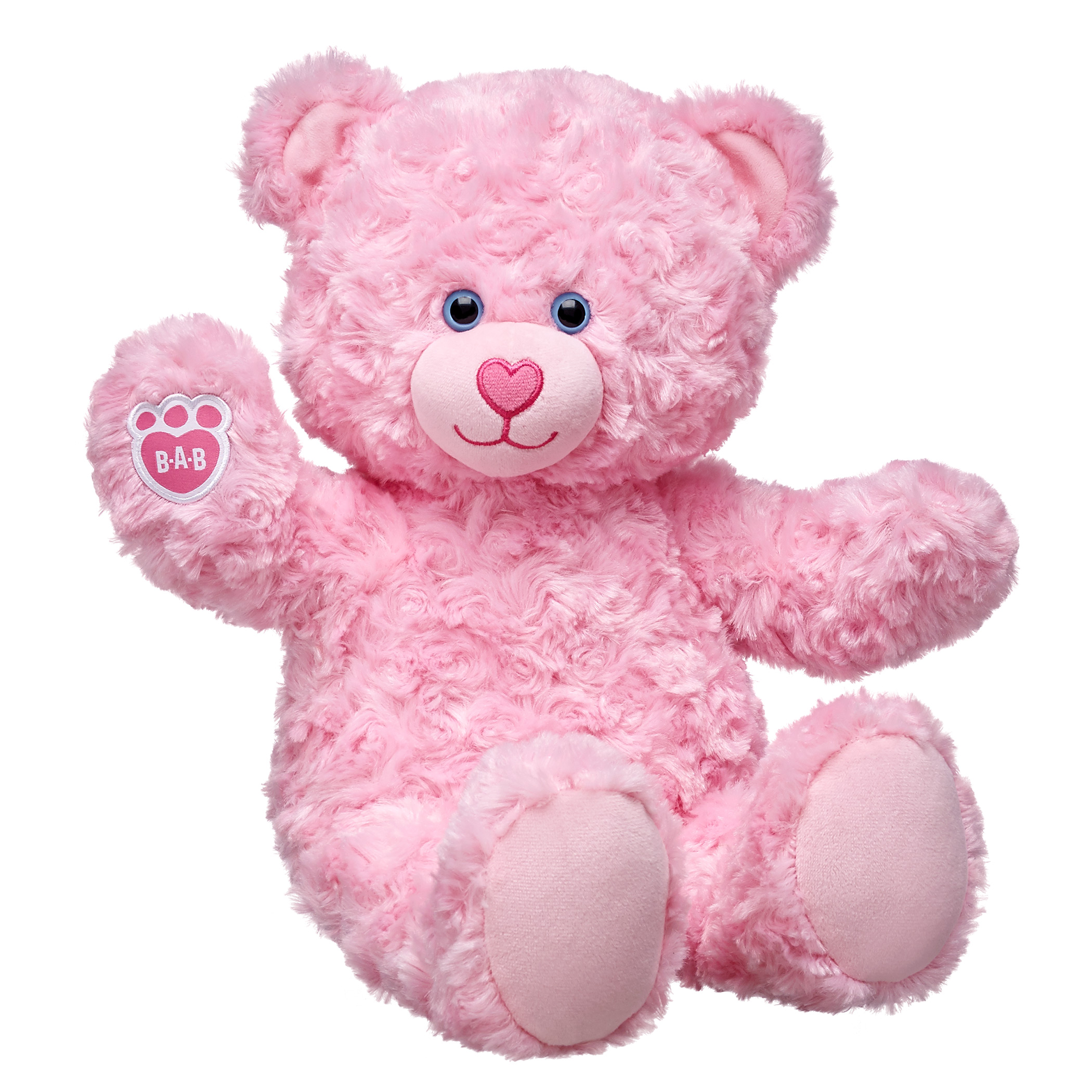
Despite the potential for high costs, savvy consumers can apply personal finance strategies to mitigate the damage to their wallets. Build-A-Bear offers several promotional “loopholes” that can bring the price down to a fraction of the standard retail cost.
The “Pay Your Age” Promotion and Bonus Clubs
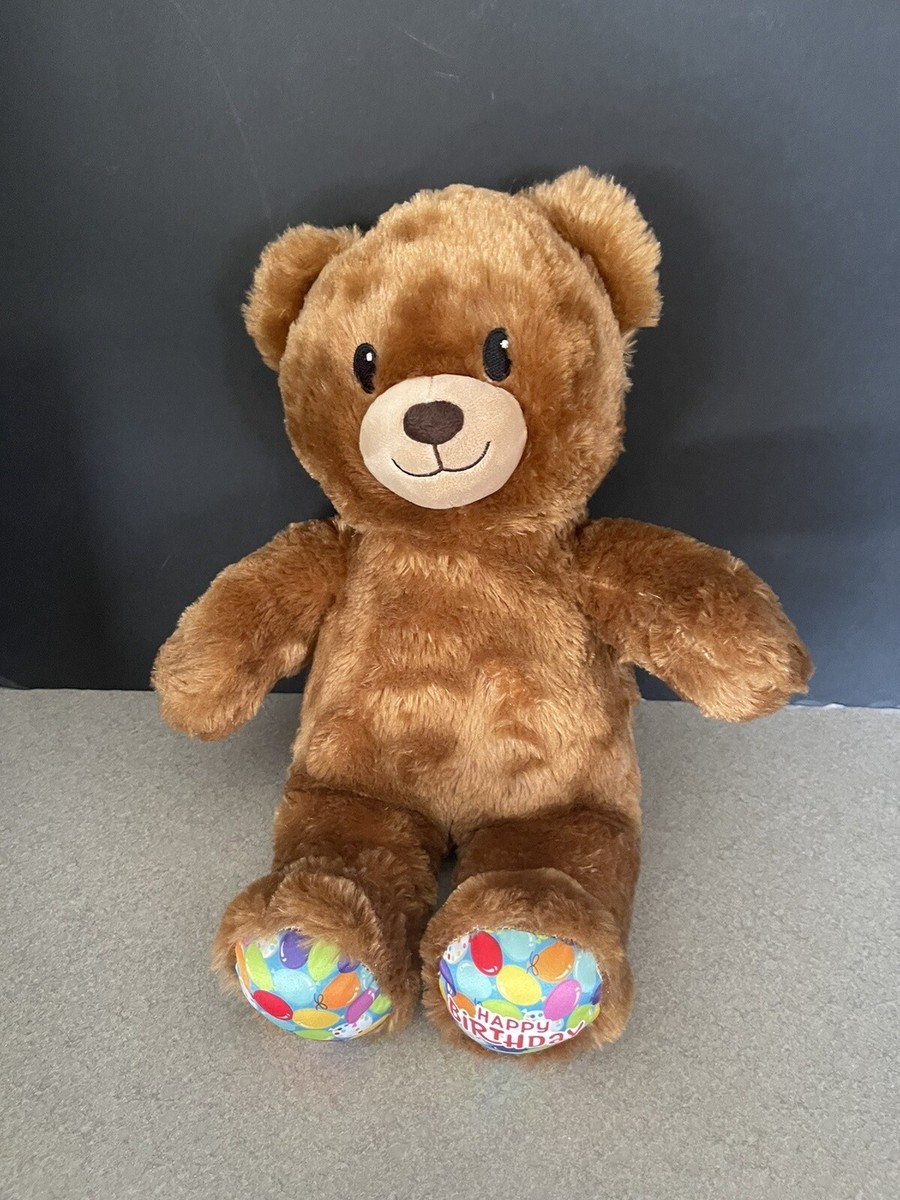
The most famous financial strategy at Build-A-Bear is the “Count Your Candles” program. This is part of their “Bonus Club” loyalty program. For children celebrating a birthday month, the “Birthday Treat Bear” (valued at $14) is priced at the age the child is turning. If a child is turning three, the bear costs $3.
From a business finance perspective, this is a “loss leader.” The company is willing to lose money or break even on the bear shell because they anticipate the parent will spend $20-$40 on accessories while in the store. To truly save, a consumer must have the discipline to purchase only the birthday bear.
Gift Cards and Discount Aggregators
Another way to lower the effective cost is through strategic gift card purchasing. Wholesale clubs like Costco or Sam’s Club often sell Build-A-Bear gift cards at a discount (e.g., four $25 gift cards for $75). This provides an immediate 25% return on investment. Furthermore, the brand frequently participates in cash-back programs through credit card portals or apps like Rakuten for online purchases.
The Value Proposition: Is It a Sound Investment in Joy?
When evaluating the cost of a Build-A-Bear, one must consider the “Value for Money” (VFM) compared to other forms of entertainment and toy ownership.
Comparative Analysis: Mass-Market vs. Custom
If you compare a Build-A-Bear plush to a $10 stuffed animal from a grocery store, the Build-A-Bear appears overpriced. However, if you compare it to other “experiences,” the math changes. A movie ticket, popcorn, and a drink for a child can cost $30 for two hours of passive entertainment. A Build-A-Bear purchase provides both the entertainment of the “build” and a physical asset that lasts for years.
Furthermore, the quality of Build-A-Bear products is generally higher than mass-market plush. The company offers a “stuffed with love” guarantee, where they will restitch or repair “injuries” to the bear, often for free or a nominal fee. This lifetime service adds a layer of long-term value that cheaper alternatives lack.
Longevity and Resale Value in the Secondary Market
For those concerned with the “exit strategy” of their purchases, Build-A-Bear has a surprisingly robust secondary market. While standard bears do not appreciate in value, limited-edition collaborations (such as rare Pokémon releases, the “Baby Yoda” initial run, or retired holiday collections) often maintain or increase their value on platforms like eBay and Mercari.
Collectors often look for “Unstuffed” shells or bears with original tags and “Birth Certificates.” From a financial planning perspective, if a child eventually outgrows the toy, a well-maintained licensed bear can often be resold for 40% to 60% of its original value, effectively lowering the “total cost of ownership.”
Conclusion: Budgeting for the Experience
So, how much is a Build-A-Bear? The answer is: as much as you allow it to be.
For the disciplined shopper, a $14 bear shell and a “Count Your Candles” discount can result in a significant value. For the unprepared parent, the compounding costs of licensed characters, outfits, and electronic add-ons can lead to a $100 receipt.
The key to managing this expense is to set a budget before entering the store. By deciding on a “cap” (e.g., “one bear and one outfit only”), you can enjoy the experiential benefits of the brand without the financial hangover. In the world of personal finance, Build-A-Bear is a perfect example of how “wants” can masquerade as “needs” through the power of emotional branding—but with the right strategy, it remains an accessible luxury.
aViewFromTheCave is a participant in the Amazon Services LLC Associates Program, an affiliate advertising program designed to provide a means for sites to earn advertising fees by advertising and linking to Amazon.com. Amazon, the Amazon logo, AmazonSupply, and the AmazonSupply logo are trademarks of Amazon.com, Inc. or its affiliates. As an Amazon Associate we earn affiliate commissions from qualifying purchases.