
Embarking on a 3-day cruise promises a concentrated burst of relaxation, adventure, and luxury, offering a perfect escape for those with limited time or seeking a weekend getaway. However, behind the glossy brochures and enticing itineraries lies a crucial question for any prospective traveler: “How much will it truly cost?” Understanding the financial landscape of a short cruise extends far beyond the advertised base fare. It requires a meticulous examination of inclusions, exclusions, hidden fees, and discretionary spending, all of which contribute to the ultimate price tag.
This comprehensive guide will demystify the cost of a 3-day cruise, equipping you with the knowledge to budget effectively and make informed decisions. We’ll delve into what typically makes up the initial price, uncover the often-overlooked additional expenses, explore the factors that drive price fluctuations, and provide actionable strategies to maximize value without compromising your experience. By the end, you’ll have a clear financial roadmap, ensuring your short cruise is a delightful experience, free from unwelcome financial surprises.
Decoding the Base Fare: What’s Included (and Excluded)?
The advertised price for a 3-day cruise often serves as an alluring gateway, but it’s crucial to understand precisely what this initial figure encompasses. This base fare forms the foundation of your cruise budget, yet it rarely represents the total cost.
The Allure of ‘All-Inclusive’
Many cruise lines market their voyages as “all-inclusive,” which can be a double-edged sword for the financially savvy traveler. While cruises undeniably offer significant value compared to land-based vacations by bundling multiple services, the term “all-inclusive” on a cruise ship is distinct from what one might expect at a resort. It generally signifies that the core components of your trip are covered, but numerous optional upgrades and services come at an extra charge. Misinterpreting this can lead to unexpected expenses onboard. Understanding the specifics of each cruise line’s definition of “all-inclusive” is the first step in accurate budgeting.
What the Base Fare Typically Covers
The foundational price you pay for a 3-day cruise typically includes several key elements essential to your journey:
-
Accommodation: Your cabin, whether an interior room, ocean view, balcony, or suite, is the primary inclusion. The category and size of your chosen cabin significantly impact the base fare.
-
Most Meals: This is a major draw for cruisers. Expect a wide array of dining options included in your fare, from buffet restaurants and main dining rooms to casual eateries. These venues offer breakfast, lunch, dinner, and often snacks throughout the day.
-
Standard Beverages: Water, basic coffee, tea, and sometimes juices at breakfast are usually complimentary. Specific lines might include more, but soda, alcoholic beverages, and specialty coffees are almost always extra.
-
Entertainment: Access to most onboard entertainment, such as live music, production shows in the main theater, comedy acts, trivia games, and sometimes movie screenings, is part of your fare.
-
Access to Facilities: Use of general ship facilities like swimming pools, hot tubs, fitness centers, and libraries is typically included.
-
Transportation Between Ports: The cost of physically moving from one port to another is, of course, inherent to the cruise fare.
Common Exclusions to Be Aware Of
While the list of inclusions is substantial, the list of exclusions is equally important for financial planning. These are the items that will invariably add to your final bill:
-
Port Fees, Taxes, and Gratuities: These are almost universally separate. Port fees and government taxes can vary significantly by itinerary, while daily gratuities for the crew are standard and can be pre-paid or added to your onboard account.
-
Alcoholic Beverages and Specialty Drinks: Unless you purchase a beverage package, every cocktail, glass of wine, beer, and specialty coffee will incur a charge.
-
Specialty Dining: Most ships feature exclusive, extra-charge restaurants that offer elevated culinary experiences.
-
Shore Excursions: Adventures and tours in port are optional and come at an additional cost.
-
Spa Treatments and Salon Services: Indulging in a massage, facial, or getting a haircut will be an extra expense.
-
Casino and Bingo: Any gambling activities are, naturally, out-of-pocket.
-
Wi-Fi and Internet Access: Connectivity at sea is a premium service.
-
Retail Purchases: Souvenirs, duty-free items, and boutique shopping.
-
Medical Services: Onboard medical care is available but comes with a fee.
A clear understanding of these inclusions and exclusions is the bedrock of a realistic cruise budget.
Beyond the Brochure: Essential Additional Costs to Budget For
While the base fare covers the core elements of your 3-day cruise, many additional costs can significantly inflate your total expenditure. Overlooking these often-unadvertised expenses is a common budgeting pitfall.
Onboard Spending: Drinks, Specialty Dining, and Entertainment
The allure of onboard luxury often translates into discretionary spending. For many, a cruise isn’t complete without indulging in specific experiences:
-
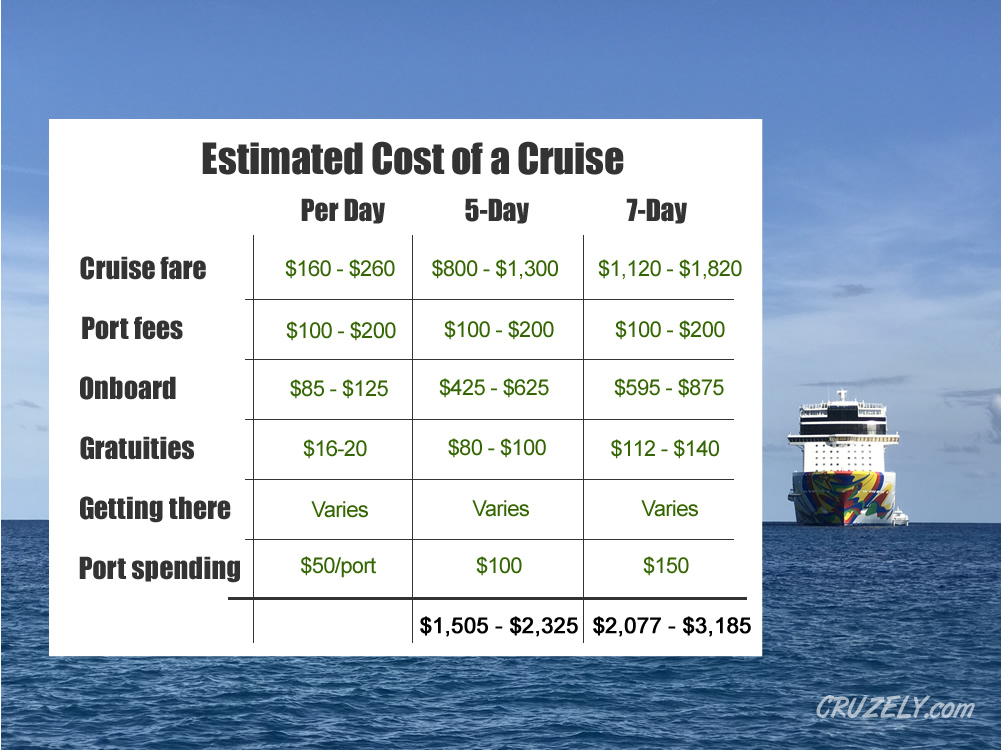
Beverage Packages: For those who enjoy alcoholic beverages, soda, or specialty coffees, purchasing a beverage package can seem like a good deal. These packages are typically priced per person, per day, for the entire duration of the cruise. For a 3-day cruise, a package costing $60-$80 per person, per day, could add $180-$240 per person to your bill. You must calculate if your anticipated consumption warrants the cost, especially since often all adults in a cabin must purchase one.
-
Specialty Dining: Most ships feature a range of specialty restaurants offering gourmet experiences, often at a flat cover charge (e.g., $30-$60 per person) or à la carte pricing. A single meal in one of these venues can add a considerable sum for a couple.
-
Other Entertainment: While many shows are free, some ships offer activities like escape rooms, unique workshops, or premium entertainment experiences at an extra charge.
Port Expenses, Taxes, and Gratuities
These are almost always mandatory additions that are separate from the base fare. They are fixed costs you must account for:
-
Port Fees and Government Taxes: These charges are levied by the ports you visit and the governments of the countries involved. They vary widely based on the itinerary and duration but can easily add $100-$200 per person to a 3-day cruise.
-
Crew Gratuities: Cruise lines typically recommend or automatically add daily gratuities (e.g., $14-$18 per person, per day) to your onboard account for the hardworking crew (stateroom attendants, dining staff, etc.). For a 3-day cruise, this means an additional $42-$54 per person. You can often pre-pay these or adjust them at the Guest Services desk if you feel the service warrants it.
Pre and Post-Cruise Expenses: Travel, Accommodation, and Parking
The cost of getting to and from your embarkation port can sometimes rival the cruise fare itself, especially for a short 3-day trip where the travel time is a significant proportion of the overall journey:
-
Airfare: If you need to fly to the port city, airfare can be a substantial expense. Always factor in potential flight delays and aim to arrive at least one day before your cruise departure.
-
Hotel Stays: An overnight stay before the cruise (highly recommended to avoid missing the ship due to travel delays) or after can add $150-$300+ per night, depending on the city and hotel quality.
-
Ground Transportation: Taxis, ride-shares, shuttles, or public transport to and from the airport, hotel, and cruise terminal.
-
Parking: If driving to the port, parking at the terminal or a nearby facility can cost $20-$40 per day, adding $60-$120+ for a 3-day cruise.
Shore Excursions and Personal Shopping
Once in port, the temptation to explore and purchase souvenirs is strong:
-
Shore Excursions: While you can explore ports independently, organized excursions offered by the cruise line provide convenience and expert guidance. These can range from $50 to $200+ per person per excursion, depending on the activity. Even for a 3-day cruise with perhaps one port stop, this can add $100-$400 for a couple if they choose two activities.
-
Souvenirs and Shopping: Personal spending on gifts, local crafts, or duty-free items in port or onboard can quickly add up.
By meticulously accounting for these additional costs, you can construct a far more realistic budget, preventing sticker shock and ensuring your 3-day cruise remains a joyous financial experience.
Factors Influencing Your 3-Day Cruise Price Tag
The price of a 3-day cruise is not static; it’s a dynamic figure influenced by a multitude of variables. Understanding these factors is key to finding the best deal and aligning the cost with your expectations and budget.
Cruise Line and Ship Choice
Different cruise lines cater to varying demographics and offer distinct experiences, which directly impacts their pricing structure:
-
Luxury vs. Mainstream: Luxury lines (e.g., Regent Seven Seas, Seabourn) have significantly higher price points, often including almost everything from specialty dining and premium drinks to shore excursions and gratuities. Mainstream lines (e.g., Carnival, Royal Caribbean, Norwegian) offer more competitive base fares but typically charge extra for many amenities. A 3-day cruise on a luxury line might cost thousands, while a mainstream line could be hundreds.
-
New vs. Older Ships: Newer ships with state-of-the-art facilities, innovative attractions, and fresh decor often command higher prices than older, refurbished vessels within the same fleet. For a 3-day cruise, which might be a ‘sampler’ for some, an older ship can offer excellent value.
Cabin Category and Location
Your choice of accommodation is one of the most significant determinants of your cruise fare:

-
Interior Cabins: These are the most budget-friendly options, offering no window or balcony. They are perfect for those who spend most of their time outside the cabin.
-
Ocean View Cabins: These provide a window to the outside, allowing natural light and views, but it usually cannot be opened.
-
Balcony Cabins: Offering a private outdoor space, these are popular for enjoying sea breezes and privacy. They come at a premium, often 50-100% more than an interior cabin.
-
Suites: The most luxurious and expensive option, suites offer significantly more space, enhanced amenities, and often exclusive perks like concierge service or private dining areas. For a 3-day cruise, a suite might feel like an unnecessary splurge for some, but for others, it’s about maximizing the brief luxury.
-
Location: Cabins in more desirable locations (e.g., mid-ship for stability, higher decks for views, or away from noisy areas like the disco or engine room) might also be priced slightly higher within their category.
Time of Year and Itinerary
When and where you cruise profoundly affects the price:
-
Peak Season: Cruises during school holidays (spring break, summer, Christmas/New Year’s), major public holidays, or popular travel periods will always be more expensive due to higher demand.
-
Off-Peak/Shoulder Season: Traveling during less popular times (e.g., early December, late January, September) often yields significantly lower prices. The weather might be slightly less predictable, but the savings can be substantial.
-
Destination: Some itineraries are inherently more expensive due to their popularity, distance, or port fees. For 3-day cruises, common destinations like the Bahamas or Caribbean often offer competitive pricing due to frequent sailings and short distances from major US ports.
Booking Timing: Early Bird vs. Last-Minute
The timing of your booking can also play a pivotal role in the price you pay:
-
Booking in Advance (6-12+ months): Often allows access to early bird discounts, prime cabin selections, and promotional perks (e.g., free onboard credit, drink packages). This is generally recommended for popular sailings or specific cabin types.
-
Last-Minute Deals (1-3 months out): Sometimes, cruise lines release discounted rates for undersold cabins closer to the departure date. While these can be great bargains, cabin choice is limited, and airfare might be more expensive. For 3-day cruises, these deals are often quite common as lines try to fill shorter voyages. Flexibility is key for last-minute savings.
By understanding how these variables interact, you can strategically select a cruise that aligns with both your desired experience and your financial comfort zone.
Strategies for Maximizing Value and Saving on Your Cruise
While cruising often feels like an indulgence, smart financial planning can significantly enhance your experience without breaking the bank. For a 3-day cruise, optimizing value is particularly important due to the shorter duration.
Leveraging Promotions and Deals
Cruise lines are constantly running promotions, and being aware of these can lead to substantial savings:
-
“Free At Sea” or “Included Perks”: Many cruise lines offer promotions where you can choose “free” perks like a beverage package, specialty dining credits, Wi-Fi, or shore excursion credits. While not truly free (their base fare might be slightly higher), these bundles can offer immense value if you would have purchased these items anyway. For a 3-day cruise, selecting a perk that aligns with your priorities (e.g., a drink package if you plan to imbibe) can effectively reduce your total outlay.
-
Kids Sail Free: While less common for 3-day cruises, keep an eye out for these promotions if traveling with family.
-
Flash Sales and Limited-Time Offers: Subscribe to cruise line newsletters and follow travel agents to stay informed about short-term sales that can significantly drop prices.
-
Travel Agent Expertise: A good travel agent often has access to exclusive deals, group rates, or can bundle additional perks that you might not find booking directly. They can also advise on the best time to book for your specific itinerary.
Smart Onboard Spending
Managing your discretionary spending onboard is critical to avoiding bill shock at the end of your short journey:
-
Beverage Package Analysis: Before purchasing a drink package, calculate if you’ll consume enough eligible drinks daily to justify the cost. Sometimes, paying à la carte for a few drinks is cheaper, especially on a 3-day cruise where heavy drinking might not be the primary goal. Bring your own (allowed) non-alcoholic beverages if permitted by the cruise line.
-
Specialty Dining Alternatives: Enjoy the complimentary dining options, which are often excellent. If you crave a special meal, consider dining at a specialty restaurant for just one evening rather than multiple times.
-
Limit Casino Play: Set a strict budget for gambling and stick to it. The casino is designed to entice you to spend.
-
Wi-Fi Management: If you only need to check emails occasionally, consider a cheaper hourly plan or waiting until you are in port to use free Wi-Fi ashore, if available. Disconnect from ship Wi-Fi when not actively using it to prevent data drain.
-
Duty-Free Shopping: While appealing, compare prices to what you’d pay at home or online before making impulsive purchases.
Considering Travel Insurance
While often an added expense, travel insurance can be a wise financial investment, especially if unexpected events occur:
-
Protect Your Investment: For a 3-day cruise, the base fare might not be astronomical, but combined with pre-cruise travel expenses (flights, hotels), the total investment can be significant. Travel insurance can cover unforeseen cancellations, medical emergencies, lost luggage, or travel delays.
-
Peace of Mind: Knowing you’re protected against various eventualities can allow you to relax and enjoy your short getaway without financial worry. Compare policies from various providers to find one that suits your needs and budget.
The Power of Loyalty Programs
If you’ve cruised with a particular line before, leverage their loyalty program:
-
Exclusive Discounts: Loyalty members often receive exclusive offers, discounts, or early access to sales.
-
Onboard Perks: Higher tiers in loyalty programs can grant benefits like complimentary drinks, laundry service, priority boarding, or discounts on specialty dining or spa treatments, all of which can reduce your overall spending. Even a few small perks can add up on a short cruise.
By strategically planning your booking, managing onboard expenses, considering insurance, and utilizing loyalty benefits, you can ensure your 3-day cruise delivers maximum value and enjoyment for your investment.
Is a 3-Day Cruise Worth the Investment?
After meticulously dissecting all the costs associated with a 3-day cruise, the final question remains: is it truly worth the financial investment? The answer, like most things in personal finance, is nuanced and depends heavily on individual priorities, expectations, and desired travel experiences.
Balancing Cost with Experience
A 3-day cruise offers a unique proposition: a compact vacation that packs a punch. For those seeking a quick escape without the commitment of a longer trip, it can be ideal. The perceived value often comes from:
-
Convenience: All your lodging, meals, and entertainment are in one place, minimizing logistical headaches.
-
Variety: In a short span, you can visit a new destination, enjoy diverse dining, and experience various forms of entertainment.
-
Relaxation: It’s an excellent way to disconnect and recharge, even if just for a weekend.
-
Introduction to Cruising: For first-timers, a 3-day cruise is an excellent, low-commitment way to sample the cruise experience before investing in a longer voyage.
However, the cost per day on a 3-day cruise can sometimes be higher than on a 7-day cruise, especially when factoring in the fixed pre- and post-cruise travel expenses. You’re paying for the ‘turnaround’ of the ship and the convenience of a short trip. Therefore, it’s essential to weigh the total financial outlay against the quality and duration of the experience you desire. If your goal is to spend every waking moment soaking up sun and drinks, and you value a structured, all-encompassing experience, the cost might feel entirely justified. If you prefer deep cultural immersion or extensive exploration of a single destination, a short cruise might not offer the best value for your money.
When a Short Cruise Makes Sense
A 3-day cruise is an excellent option for several scenarios:
-
Weekend Getaways: Perfect for a spontaneous escape when you can’t take extended time off work.
-
Celebrating Special Occasions: A unique way to mark birthdays, anniversaries, or other milestones with a burst of fun.
-
“Cruise Curious” Travelers: An affordable entry point for those new to cruising who want to test the waters without a major commitment.
-
Pre- or Post-Vacation Add-on: Can serve as a relaxing preface or finale to a longer land-based trip, particularly if you’re already in a port city.
-
Budget-Conscious Exploration: If you find a fantastic deal on a 3-day cruise, it can be a highly cost-effective way to experience a luxurious vacation environment.
A Final Financial Checklist
Before you book, ensure you’ve considered these crucial financial points:
-
Total Cost Calculation: Sum up the base fare, port fees/taxes, gratuities, estimated onboard spending (drinks, specialty dining), shore excursions, and pre/post-cruise travel (flights, hotels, parking, transfers). This gives you the true “all-in” cost.
-
Budget Allocation: Set clear budgets for discretionary spending (e.g., $50 per day for souvenirs/extra snacks).
-
Payment Schedule: Understand deposit requirements, final payment dates, and cancellation policies.
-
Currency Conversion: If cruising internationally, be aware of exchange rates for expenses in port.
-
Emergency Fund: Always have a small contingency fund for unexpected expenses or emergencies.
Ultimately, the value of a 3-day cruise is subjective. By taking a proactive and detailed approach to budgeting, you can ensure that your short escape delivers maximum enjoyment and leaves you with cherished memories, not financial regrets. A well-planned 3-day cruise can be an incredibly rewarding and efficient way to infuse some much-needed joy and relaxation into your life, proving that sometimes, even a brief escape can offer immeasurable returns.
aViewFromTheCave is a participant in the Amazon Services LLC Associates Program, an affiliate advertising program designed to provide a means for sites to earn advertising fees by advertising and linking to Amazon.com. Amazon, the Amazon logo, AmazonSupply, and the AmazonSupply logo are trademarks of Amazon.com, Inc. or its affiliates. As an Amazon Associate we earn affiliate commissions from qualifying purchases.