
Buying a new car is often an exciting milestone, a symbol of independence, or a necessary upgrade for a growing family. The thrill of new car smell, advanced features, or simply reliable transportation can make it easy to overlook the finer print of the financial commitment. Yet, one of the most significant and often misunderstood aspects of a car purchase, especially when financed, is the interest you’ll pay on the loan. Interest is, quite simply, the cost of borrowing money. While you focus on the monthly payment, the total amount of interest paid over the life of the loan can add thousands, if not tens of thousands, to the vehicle’s actual price. Understanding how interest is calculated, what factors influence your rate, and strategies to minimize this cost is paramount to making a financially sound decision. This guide will demystify car loan interest, helping you navigate the complexities and drive away with confidence, not just a new car.

The Core Components Influencing Your Interest Payments
To grasp how much interest you’ll pay, it’s essential to understand the fundamental elements that dictate the total cost of borrowing. These three pillars – the principal amount, the interest rate, and the loan term – work in concert to determine your monthly payments and the aggregate interest expense.
Principal Amount
The principal is the actual amount of money you borrow to purchase the car. If the car costs $30,000 and you make a $5,000 down payment, your principal loan amount is $25,000. It’s the base on which all interest calculations are made. Logically, the larger the principal, the more interest you will accrue, assuming the same rate and term. A smaller principal, achieved through a larger down payment or by choosing a less expensive vehicle, directly translates to less money on which interest can be charged, thereby reducing your total interest paid.
Interest Rate (APR)
The interest rate is arguably the most impactful factor influencing your total interest payments. It’s expressed as a percentage of the principal and represents the annual cost of borrowing. When you receive a loan offer, you’ll typically see an Annual Percentage Rate (APR). The APR is a broader measure of the cost of borrowing money, as it includes not just the interest rate but also other fees associated with the loan, such as origination fees. While the nominal interest rate tells you the raw cost of the loan, the APR provides a more comprehensive picture of your borrowing expenses for comparison purposes. A higher APR means you’ll pay more interest over the life of the loan, regardless of the principal or term, making a seemingly small difference in percentage points amount to thousands of dollars.
Loan Term (Duration)
The loan term, or duration, is the length of time you have to repay the loan, typically expressed in months (e.g., 36, 48, 60, 72, or even 84 months). While a longer loan term might make your monthly payments seem more affordable, it comes at a significant cost: more total interest paid. This is because interest is typically calculated on the outstanding principal balance each day. The longer you take to pay off that principal, the more opportunities interest has to accrue. For example, a $30,000 loan at 5% APR over 60 months might result in $3,950 in total interest, but extending that to 84 months (7 years) could push the total interest closer to $5,800, even with a lower monthly payment. It’s a trade-off between immediate affordability and the long-term cost of borrowing.
Key Factors Determining Your Interest Rate
Your interest rate isn’t arbitrarily assigned; it’s a carefully calculated assessment of the risk you pose to the lender. Multiple factors contribute to this assessment, influencing whether you receive a favorable low rate or a higher, more costly one.
Credit Score
Your credit score is arguably the single most important determinant of your interest rate. Lenders use it as a snapshot of your creditworthiness and your likelihood of repaying the loan. Individuals with excellent credit scores (generally 720 and above) are considered low-risk borrowers and typically qualify for the lowest available interest rates. Conversely, those with lower credit scores (below 600) are seen as higher risk, leading to significantly higher interest rates to compensate the lender for that perceived risk. Improving your credit score before applying for a car loan can lead to substantial savings.
Debt-to-Income (DTI) Ratio
Lenders also examine your debt-to-income (DTI) ratio, which compares your total monthly debt payments to your gross monthly income. A low DTI indicates you have sufficient income to manage additional debt without strain, making you a more attractive borrower. A high DTI, on the other hand, suggests you might be overextended financially, increasing the risk for the lender and potentially leading to a higher interest rate or even loan denial.
Loan-to-Value (LTV) Ratio & Down Payment
The loan-to-value (LTV) ratio compares the loan amount to the car’s actual value. A large down payment reduces the principal loan amount, thereby lowering the LTV. A lower LTV ratio means you have more equity in the car from day one, reducing the lender’s risk. If you default, the lender is more likely to recover their money by repossessing and selling the vehicle. Therefore, a larger down payment and a lower LTV can often result in a more favorable interest rate.
New vs. Used Car
Generally, new cars tend to have lower interest rates compared to used cars. This is primarily because new cars typically hold their value better initially (though depreciation starts immediately), have manufacturer warranties, and are less prone to mechanical issues, making them less risky collateral for the lender. Used cars, especially older models, carry more inherent risk of mechanical failure and faster depreciation, leading lenders to charge higher rates to offset this increased risk.
Current Economic Conditions (Federal Reserve Rates)
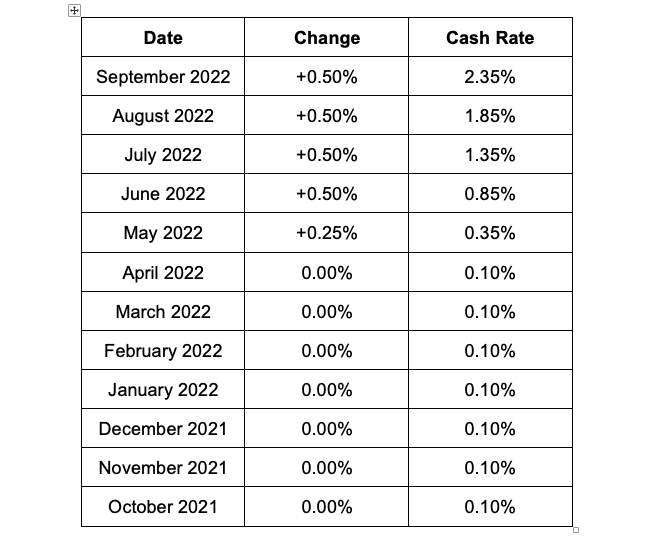
Broader economic factors play a role too. The Federal Reserve’s benchmark interest rates influence borrowing costs across the economy, including auto loans. When the Fed raises rates, borrowing becomes more expensive overall, and auto loan rates tend to follow suit. Conversely, during periods of economic stimulus, rates might drop. While you can’t control these macroeconomic forces, being aware of them can help you understand why rates might fluctuate.
Lender Type
Different types of lenders may offer varying rates. Banks, credit unions, dealership captive finance companies (e.g., Ford Credit, Toyota Financial Services), and online lenders each have their own risk assessment models and rate structures. Credit unions, being not-for-profit organizations, often offer some of the most competitive rates. It’s crucial to shop around and get pre-approvals from several different lenders to compare offers and secure the best possible rate.
Calculating and Estimating Your Car Loan Interest
Understanding the mechanics of interest calculation is key to truly comprehending your total cost. While the specific formula can seem daunting, online tools and a basic understanding can empower you to estimate your payments accurately.
Simple Interest vs. Amortization
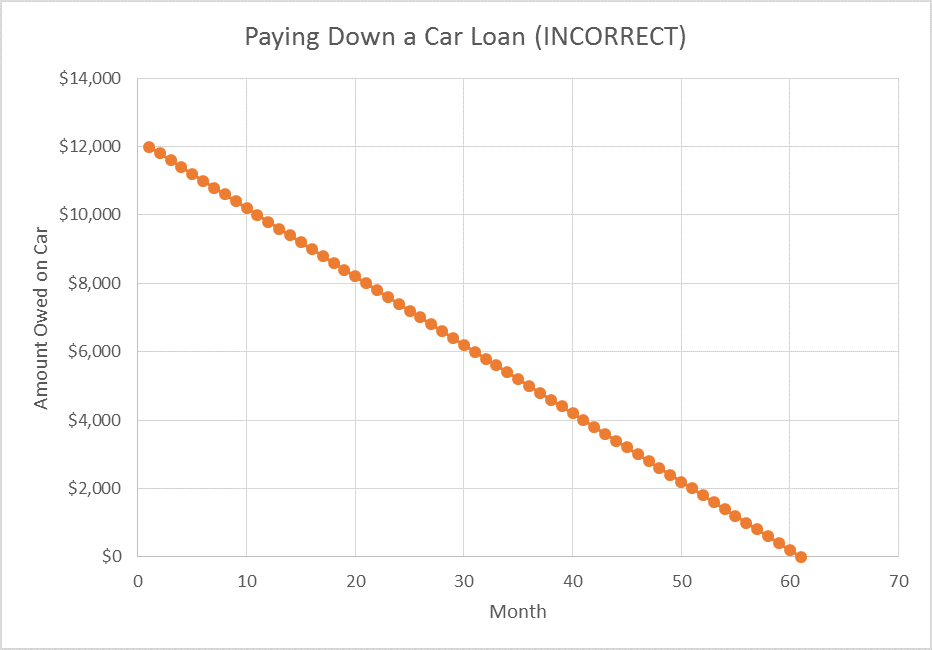
Most car loans use simple interest, meaning interest is calculated daily on the outstanding principal balance. As you make payments, a portion goes to cover the accrued interest, and the remainder reduces the principal. Early in the loan term, a larger portion of your payment goes towards interest because the principal balance is higher. As the principal decreases over time, more of each subsequent payment goes towards the principal, a process known as amortization. An amortization schedule visually breaks down how each payment is split between principal and interest over the loan’s life.
Using Online Calculators
The easiest and most practical way to estimate your car loan interest is by using online auto loan calculators. These tools are ubiquitous on lender websites and personal finance portals. You simply input three key pieces of information:
-
Loan Amount: The principal you intend to borrow.
-
Interest Rate (APR): The annual percentage rate you anticipate or have been offered.
-
Loan Term: The number of months you plan to take to repay the loan.
With these inputs, the calculator instantly provides an estimated monthly payment and, crucially, the total amount of interest you’ll pay over the loan’s duration. Experimenting with different rates and terms can quickly illustrate the financial impact of each variable.
Illustrative Example
Let’s consider a practical example:
-
Loan Amount: $30,000
-
APR: 6.0%
-
Loan Term: 60 months (5 years)
Using an online calculator, your estimated monthly payment would be approximately $579.98. Over 60 months, you would pay a total of $34,798.80.
Subtracting the principal from the total paid:
$34,798.80 (Total Paid) – $30,000 (Principal) = $4,798.80 (Total Interest Paid)
Now, let’s see the impact of a longer term:
-
Loan Amount: $30,000
-
APR: 6.0%
-
Loan Term: 84 months (7 years)
Your estimated monthly payment would drop to approximately $436.19. However, the total amount paid over 84 months would be $36,640.00.
Subtracting the principal:
$36,640.00 (Total Paid) – $30,000 (Principal) = $6,640.00 (Total Interest Paid)
As this example clearly shows, extending the loan term by just two years increases your total interest paid by nearly $1,841, despite a lower monthly payment.
Strategies to Reduce Your Car Loan Interest Payments
While some factors affecting your interest rate are beyond your immediate control, there are numerous proactive steps you can take to significantly reduce the amount of interest you pay on a car loan. These strategies focus on improving your borrower profile and making informed financial decisions.
Improve Your Credit Score Before Applying
Since your credit score is so influential, taking steps to improve it before applying for a car loan can yield substantial savings. This includes paying bills on time, reducing outstanding debt (especially on credit cards), correcting any errors on your credit report, and avoiding opening new credit accounts shortly before applying for a car loan. Even a 20-30 point increase in your score could move you into a better rate tier.
Make a Larger Down Payment
A larger down payment directly reduces the principal amount you need to borrow. As we’ve seen, a smaller principal means less interest accrues over the loan term. Furthermore, a substantial down payment lowers your loan-to-value (LTV) ratio, making you a less risky borrower in the eyes of lenders, which can translate into a lower interest rate offer. Aim for at least 20% if possible, but any amount more than the minimum will help.
Choose a Shorter Loan Term
Resist the temptation of ultra-long loan terms (e.g., 72 or 84 months) simply because they offer lower monthly payments. While a shorter term (like 36 or 48 months) will result in higher monthly payments, it dramatically reduces the total interest paid over the life of the loan. If your budget allows, opting for the shortest possible term you can comfortably afford will save you thousands in interest.
Shop Around for the Best Rates
Never accept the first loan offer you receive, especially from the dealership. Get pre-approved from multiple lenders – banks, credit unions, and online lenders – before you even visit a dealership. Having pre-approved offers in hand gives you leverage during negotiations and ensures you’re getting the most competitive rate available based on your credit profile. Comparing offers can reveal significant differences in APRs, leading to substantial savings.
Consider Refinancing
If you’ve already purchased a car and your financial situation has improved (e.g., your credit score has increased, interest rates have dropped, or your income has risen), consider refinancing your car loan. Refinancing allows you to replace your existing loan with a new one, potentially with a lower interest rate or a more favorable term, which can reduce your monthly payment and/or the total interest paid over the remaining life of the loan.
Make Extra Payments
Even small extra payments can make a big difference in reducing your total interest paid. Since interest is calculated on the outstanding principal balance, any additional payment that goes directly towards the principal reduces the base on which future interest is calculated. You can do this by rounding up your monthly payment, making a bi-weekly payment, or applying tax refunds or bonuses directly to the principal. Always confirm with your lender that extra payments will be applied to the principal and that there are no prepayment penalties.
Beyond Interest: Other Costs of Car Ownership
While understanding car loan interest is crucial for financial prudence, it’s important to remember that it’s just one piece of the broader financial picture of car ownership. To truly gauge the affordability and long-term cost of a vehicle, you must consider other ongoing expenses that are not part of your loan payment.
Fees (Origination, Documentation, etc.)
When purchasing a car, both from the lender and the dealership, you might encounter various fees. These can include origination fees, documentation fees, registration fees, sales tax, and more. While not part of your interest calculation, these upfront or rolled-into-the-loan costs contribute to the overall price of the vehicle and can increase the principal amount you need to finance.
Insurance
Car insurance is a mandatory and often significant ongoing expense. The cost varies widely based on factors such as your age, driving record, vehicle type, location, and the coverage you choose. Before committing to a car purchase, it’s wise to get insurance quotes for specific models you’re considering, as some vehicles are considerably more expensive to insure than others.
Maintenance and Repairs
Every car, new or used, will require routine maintenance (oil changes, tire rotations, brake pads, etc.) and, eventually, repairs. These costs can be unpredictable but are an unavoidable part of car ownership. Budgeting for these expenses, perhaps through a dedicated savings fund, is a smart financial move to avoid being caught off guard.
Fuel
The cost of fuel can be a substantial ongoing expense, especially with fluctuating gas prices and longer commutes. A vehicle’s fuel efficiency (miles per gallon or MPGe for electric vehicles) should be a significant consideration in your purchase decision, as it directly impacts your monthly budget long after the car loan is paid off.
In conclusion, purchasing a car is a substantial financial decision that extends far beyond the sticker price. The interest you pay on a car loan is a significant component of its true cost, often adding thousands to the total. By understanding the core factors that influence interest – the principal, interest rate, and loan term – and diligently applying strategies to secure the best possible rates, such as improving your credit, making a larger down payment, and shopping around, you can significantly reduce your financial burden. Remember to consider all associated costs of car ownership, from fees and insurance to maintenance and fuel, to ensure your new vehicle brings joy and convenience without undue financial stress. Armed with this knowledge, you can make an informed decision that drives your financial well-being forward.
aViewFromTheCave is a participant in the Amazon Services LLC Associates Program, an affiliate advertising program designed to provide a means for sites to earn advertising fees by advertising and linking to Amazon.com. Amazon, the Amazon logo, AmazonSupply, and the AmazonSupply logo are trademarks of Amazon.com, Inc. or its affiliates. As an Amazon Associate we earn affiliate commissions from qualifying purchases.