
Understanding how much interest you can earn with a savings account is a fundamental aspect of personal finance, crucial for anyone looking to grow their money safely. A savings account is a secure place to store your funds, offering not just a safe haven but also a modest return on your deposit in the form of interest. While it might not make you rich overnight, the power of compound interest, even at low rates, can significantly contribute to your financial goals over time. This article will demystify savings account interest, explore the factors that influence it, and guide you on how to maximize your earnings.
Understanding Savings Account Interest: The Basics
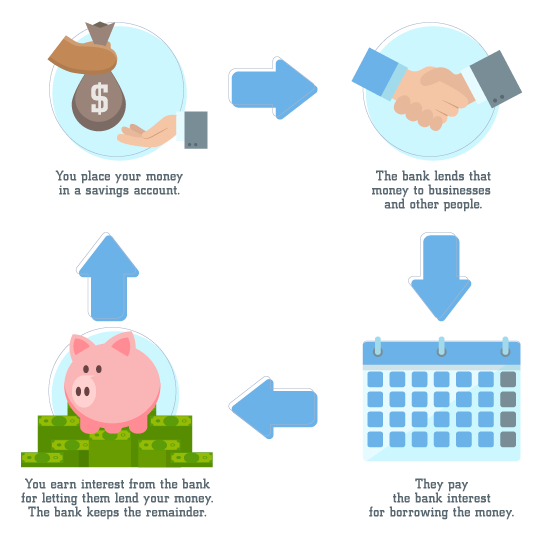
At its core, interest is the cost of borrowing money or the reward for lending it. When you deposit money into a savings account, you are essentially lending that money to the bank. In return, the bank pays you a percentage of your deposit as interest.
What is Interest? A Simple Explanation
Interest is a percentage of the principal balance in your savings account that the bank pays you for keeping your money with them. This payment is typically calculated annually, though it is often applied to your account more frequently, such as monthly or daily. The primary purpose of earning interest on a savings account is to help your money grow, combating the effects of inflation and increasing your overall wealth. While the rates on traditional savings accounts might seem low, they offer security and liquidity, making them an essential tool for emergency funds and short-term financial goals.
How Interest is Calculated: APR vs. APY
To truly understand how much interest you’ll earn, it’s vital to differentiate between Annual Percentage Rate (APR) and Annual Percentage Yield (APY).
-
Annual Percentage Rate (APR): This is the simple annual rate of interest paid on your deposit. It does not account for the effect of compounding within the year. For example, if you have an APR of 1% on $1,000, you’d earn $10 in a year if interest was only calculated once.
-
Annual Percentage Yield (APY): This is the more accurate measure of your return because it includes the effect of compounding. Compounding is when the interest you earn is added to your principal balance, and then the next interest calculation is based on the new, larger balance. The more frequently interest is compounded (e.g., daily instead of monthly), the higher your APY will be relative to the APR, assuming the APR is the same. For instance, a 1% APR compounded daily will yield slightly more than 1% APY. Always look for the APY when comparing savings accounts, as it provides a clearer picture of your actual earnings.
Key Factors Influencing Interest Rates
Several significant factors determine the interest rates banks offer on savings accounts:
-
Federal Reserve Policy: The Federal Reserve sets the federal funds rate, which influences interest rates across the entire economy, including those offered by banks on savings accounts. When the Fed raises rates, banks typically follow suit, offering higher rates to savers. Conversely, when the Fed lowers rates, savings account rates tend to fall.
-
Inflation: High inflation erodes the purchasing power of money. To encourage saving and combat inflation, banks may offer higher interest rates, though often not high enough to fully offset the inflation rate.
-
Bank Competition: The competitive landscape among banks plays a huge role. Online banks, with lower overhead costs, often offer higher interest rates to attract customers compared to traditional brick-and-mortar institutions.
-
Account Type and Balance: Some accounts, like high-yield savings accounts, offer better rates. Additionally, some banks offer tiered interest rates, where higher balances earn a higher APY.
Types of Savings Accounts and Their Interest Potential
Not all savings accounts are created equal. The type of account you choose can significantly impact the amount of interest you earn.
Standard Savings Accounts
These are the most common type of savings accounts offered by traditional banks. While convenient for those who prefer in-person banking and enjoy having their checking and savings accounts with the same institution, they typically offer the lowest interest rates. Their APYs are often well below 0.10%, meaning the interest earned on even a substantial balance might be negligible. They are best for convenience and quick access to funds rather than significant interest earnings.
High-Yield Savings Accounts (HYSAs)
High-yield savings accounts are designed to offer significantly higher interest rates than standard savings accounts. They are predominantly offered by online banks, which can afford to pay more interest due to lower operating costs (no physical branches, fewer employees). HYSAs often boast APYs that are 10 to 20 times higher, sometimes even more, than traditional accounts. For example, while a traditional account might offer 0.05% APY, an HYSA could offer 4.00% or higher, depending on the current economic climate. These are excellent choices for emergency funds or savings goals where you don’t need immediate ATM access.
Money Market Accounts (MMAs)
Money market accounts blend features of both savings and checking accounts. They typically offer higher interest rates than standard savings accounts but may require a higher minimum balance to open or avoid monthly fees. MMAs often come with limited check-writing privileges and a debit card, offering slightly more liquidity than a pure savings account. Their interest rates are variable and fluctuate with market conditions, similar to HYSAs, but they usually don’t reach the absolute highest rates available from dedicated HYSAs.
Certificates of Deposit (CDs)
While technically not a savings account, Certificates of Deposit (CDs) are a popular savings vehicle known for fixed interest rates. With a CD, you deposit a sum of money for a specific term (e.g., 3 months, 1 year, 5 years) and agree not to withdraw it until maturity. In return, the bank offers a guaranteed, usually higher, interest rate for that period. CDs are ideal for money you know you won’t need for a set amount of time, as withdrawing early typically incurs a penalty. The longer the term, generally the higher the interest rate, providing a predictable return on your savings.
Maximizing Your Interest Earnings
Earning more interest isn’t just about finding the highest APY; it’s also about smart financial habits and strategic choices.
Shop Around for the Best Rates
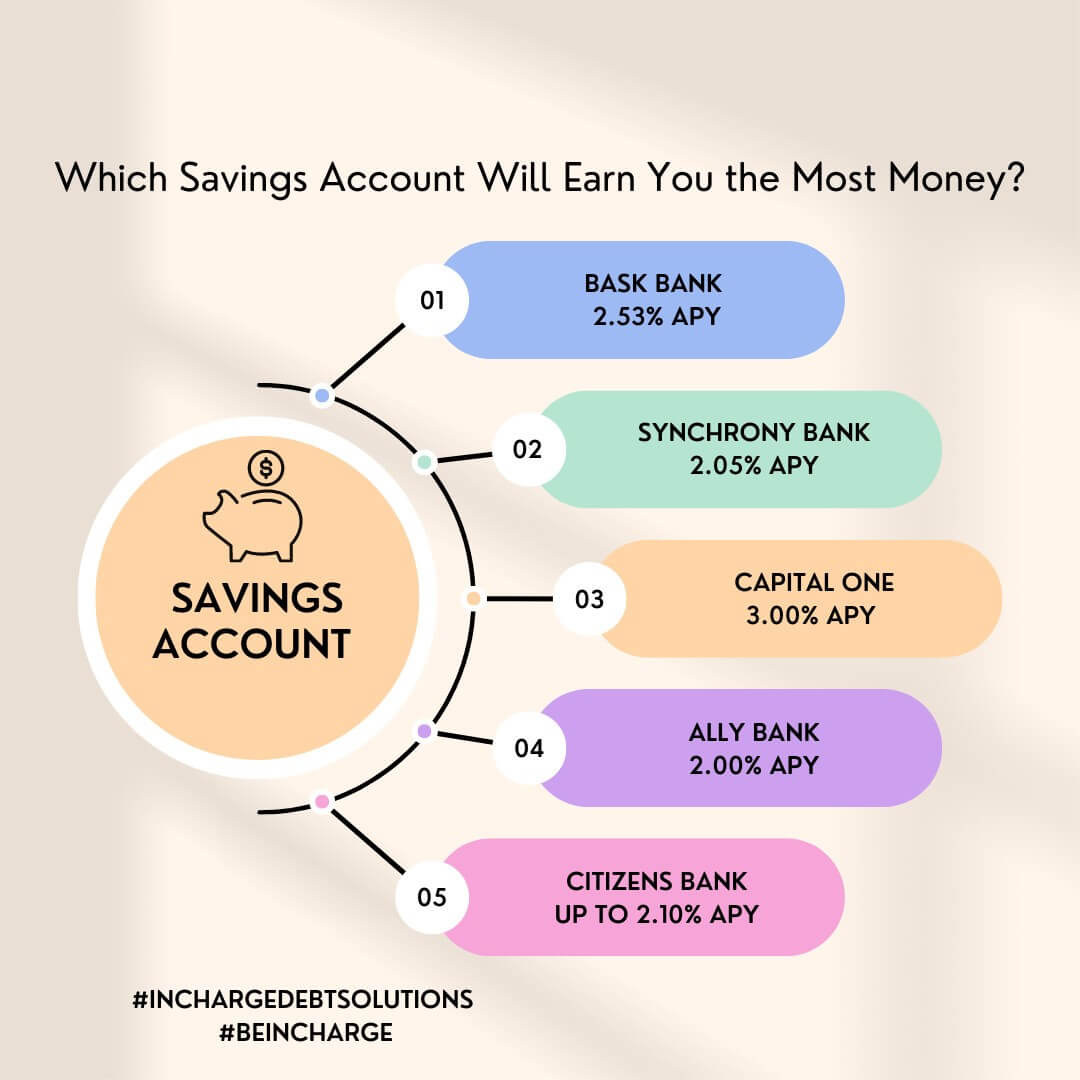
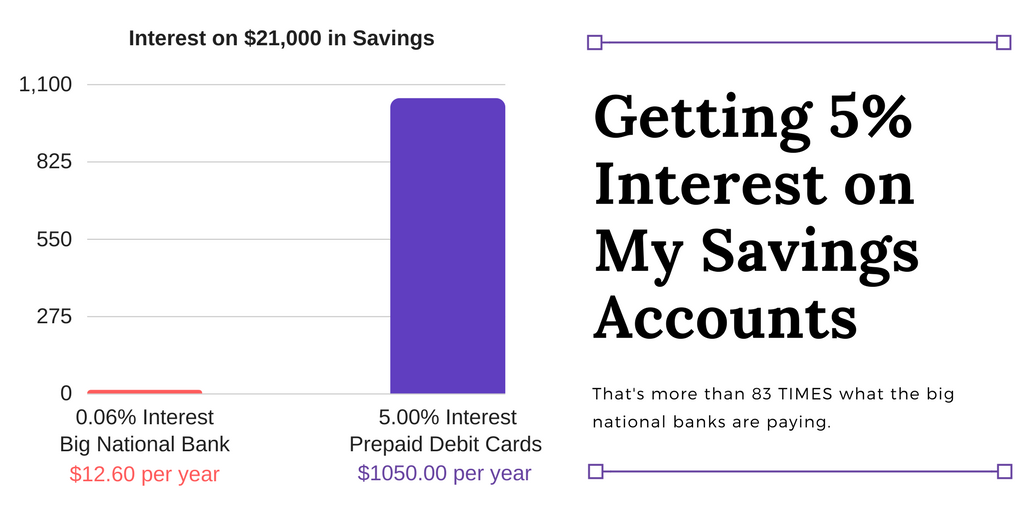
This is arguably the most impactful step. Don’t settle for the first bank you encounter. Research and compare interest rates from various banks, paying particular attention to online banks and credit unions, which often offer more competitive APYs. Websites dedicated to personal finance often provide comparison tools to help you easily find the best rates available. A difference of even one or two percentage points can translate into hundreds or thousands of dollars in extra earnings over several years, especially on larger balances.
Understand the Power of Compounding
The more frequently your interest is compounded, the more you earn. While most banks compound interest daily or monthly, understanding this principle encourages you to keep your money in the account for longer periods. The longer your money sits and earns interest, and that interest then earns more interest, the faster your savings will grow. This is often referred to as the “eighth wonder of the world” for a reason.
Consider Automatic Transfers
Consistency is key to growing savings. Set up automatic transfers from your checking account to your savings account immediately after you get paid. Even small, regular contributions add up over time, increasing your principal balance and thus the amount of interest you earn. This “set it and forget it” approach helps you avoid the temptation to spend the money and ensures your savings are always working for you.
Avoid Fees that Eat into Earnings
Be vigilant about monthly maintenance fees or other charges that banks might impose. Some accounts waive fees if you maintain a certain minimum balance or set up direct deposit. Any fee you pay directly reduces your net interest earnings. Choose an account with no monthly fees, or ensure you meet the requirements to have them waived.
Monitor Economic Trends
Interest rates are not static; they fluctuate with economic conditions. Keep an eye on news related to the Federal Reserve and inflation. If the Fed raises rates, it might be an opportune time to switch to a new high-yield account offering better returns. Regularly reviewing your account and market conditions ensures you’re always getting the most out of your savings.
The Impact of Inflation and Taxes
While earning interest is beneficial, it’s essential to consider external factors that can affect your real return.
The Real Return: Interest vs. Inflation
Earning 4% interest sounds great, but if inflation is also 4%, your purchasing power hasn’t increased. In fact, if inflation is higher than your interest rate, your money is effectively losing value over time, despite earning interest. This is why aiming for the highest possible APY is crucial, especially in periods of high inflation, to at least keep pace with or ideally outpace the erosion of your money’s value. The “real return” on your savings is your interest rate minus the inflation rate.
Tax Implications of Interest Income
Interest earned on savings accounts is generally considered taxable income by the IRS and most state governments. Banks will send you a Form 1099-INT if you earn $10 or more in interest during a calendar year. This income must be reported on your tax return. While the amounts might be small for standard savings accounts, they can become more significant with high-yield accounts and large balances. Understanding this ensures you’re prepared for tax season and can factor it into your overall financial planning.
Beyond Interest: Other Considerations for Savings Accounts
While interest is a primary motivator, other features and protections are equally important when choosing a savings account.
FDIC Insurance: Safety of Deposits
Perhaps the most critical consideration for any savings account is its safety. Ensure your bank is insured by the Federal Deposit Insurance Corporation (FDIC). FDIC insurance protects your deposits up to $250,000 per depositor, per insured bank, for each account ownership category, even if the bank fails. This provides invaluable peace of mind, knowing your money is secure. For credit unions, a similar protection is offered by the National Credit Union Administration (NCUA).
Accessibility and Liquidity
Consider how easily you need to access your funds. Standard savings accounts with traditional banks offer easy ATM access, while online high-yield savings accounts might require an electronic transfer, which can take a day or two. Money market accounts offer some check-writing capabilities. Balance the desire for high interest with your need for liquidity. An emergency fund, for instance, needs to be readily accessible.
Banking Convenience and Services
Beyond interest rates, evaluate the overall banking experience. Does the bank offer robust online banking and mobile app features? Is their customer service easily accessible and helpful? Do they integrate well with other financial tools you use? While high interest is attractive, a bank that provides excellent service and convenient tools can make managing your money much smoother.
Conclusion
Earning interest with a savings account is a cornerstone of responsible financial management. While the rates might seem modest, particularly with traditional accounts, understanding how interest is calculated, exploring different account types, and actively seeking higher APYs can significantly accelerate your savings growth. By choosing high-yield options, consistently contributing, avoiding fees, and being aware of inflation and tax implications, you can maximize your earnings and ensure your money is working as hard as possible for you. Ultimately, the “how much” you earn isn’t just a number; it’s a reflection of smart choices and proactive financial planning that contributes to your long-term financial security and prosperity.
aViewFromTheCave is a participant in the Amazon Services LLC Associates Program, an affiliate advertising program designed to provide a means for sites to earn advertising fees by advertising and linking to Amazon.com. Amazon, the Amazon logo, AmazonSupply, and the AmazonSupply logo are trademarks of Amazon.com, Inc. or its affiliates. As an Amazon Associate we earn affiliate commissions from qualifying purchases.