
The question “how much interest rate today?” is more than a casual inquiry; it’s a critical barometer of the economic climate, influencing everything from the cost of your morning coffee to the long-term viability of your retirement plans. Interest rates are the lifeblood of our financial system, dictating the cost of borrowing and the returns on saving. In an economy characterized by constant flux, understanding the prevailing interest rate environment is paramount for making informed personal finance, investing, and business decisions. This article delves into the current state of interest rates, exploring the factors that shape them, their profound impact on various financial aspects, and how individuals can strategically navigate this dynamic landscape.
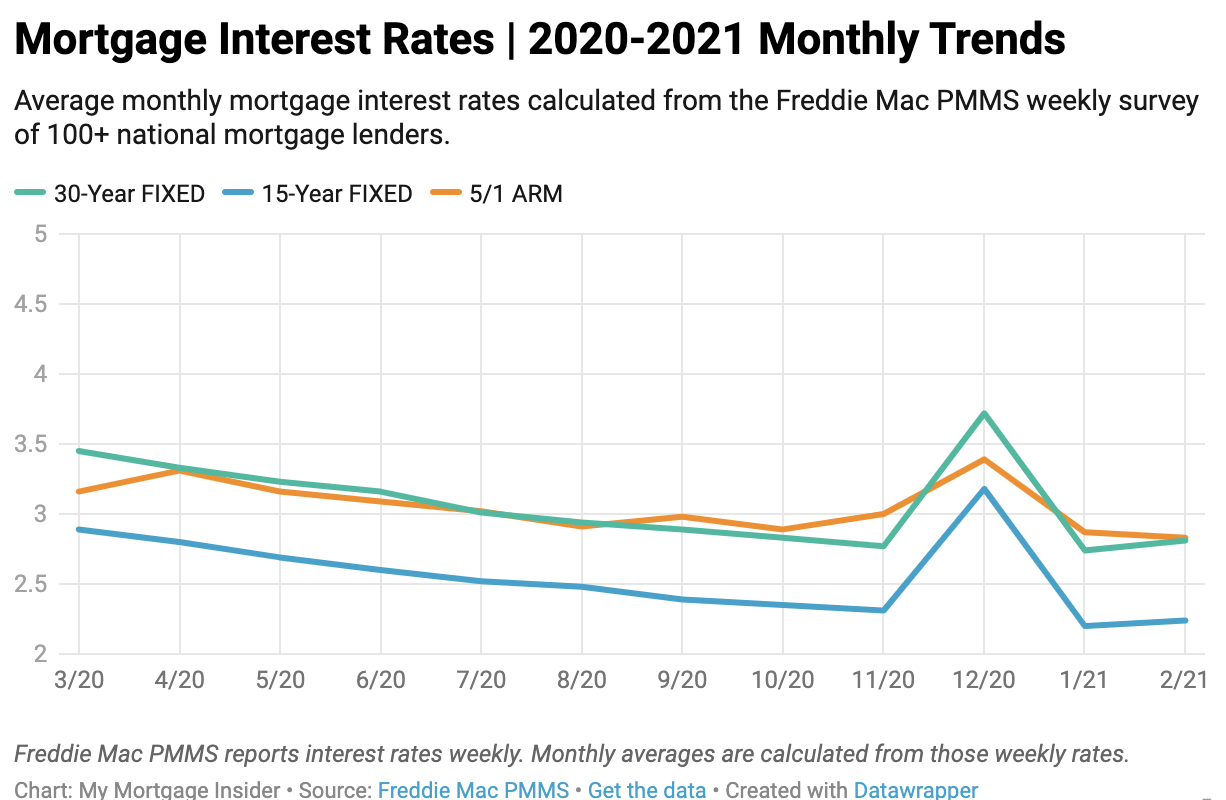
Understanding the Current Interest Rate Environment
Interest rates are not static figures but rather a reflection of numerous economic forces, policy decisions, and market sentiments. Pinpointing “the” interest rate today is complex because various rates exist for different financial products and purposes. However, they all tend to move in tandem, anchored by central bank policy.
The Federal Reserve’s Role and Monetary Policy
In the United States, the Federal Reserve (the “Fed”) plays a pivotal role in setting the benchmark for interest rates through its monetary policy decisions. The Fed’s primary tool is the federal funds rate, which is the target rate for overnight borrowing between banks. While not an interest rate consumers directly pay, changes to this rate ripple through the entire economy, influencing prime rates, mortgage rates, credit card APRs, and savings account yields. The Fed’s decisions are primarily driven by its dual mandate: maximizing employment and maintaining stable prices (controlling inflation). When inflation is high, the Fed typically raises rates to cool down the economy; when economic growth is sluggish or unemployment rises, it tends to lower rates to stimulate borrowing and spending.
Key Economic Indicators Influencing Rates
Beyond the Fed’s direct actions, several economic indicators heavily influence market interest rates:
- Inflation: Persistently high inflation erodes purchasing power, prompting the Fed to raise rates to curb it. Conversely, low inflation might allow for lower rates.
- Economic Growth (GDP): A robust economy with strong GDP growth often correlates with higher demand for credit, which can push rates up. A slowing economy may see rates fall.
- Unemployment Rate: A low unemployment rate suggests a strong labor market, often associated with higher inflation and therefore higher rates. High unemployment might lead to lower rates to encourage job creation.
- Consumer Spending and Business Investment: Strong spending and investment signal economic health, potentially leading to higher rates as demand for capital increases.
- Global Economic Conditions: International events, geopolitical stability, and monetary policies of other major central banks can also influence domestic interest rates, especially in a globally interconnected financial system.
Different Types of Interest Rates
When we talk about “interest rates today,” we are generally referring to a spectrum of rates, each serving a distinct purpose:
- Federal Funds Rate: The target rate set by the Fed.
- Prime Rate: The interest rate that commercial banks charge their most creditworthy corporate customers. It’s often tied directly to the federal funds rate.
- Mortgage Rates: The rates homeowners pay on their home loans, influenced by the prime rate, bond yields, and market demand.
- Personal Loan Rates: Rates for unsecured loans, varying significantly based on creditworthiness.
- Credit Card APRs: Annual Percentage Rates on credit cards, typically higher due to the unsecured nature of the debt.
- Savings Account & CD Rates: The rates financial institutions pay to depositors, also influenced by the federal funds rate but often lagging behind.
- Auto Loan Rates: Rates for financing vehicle purchases.
- Student Loan Rates: Rates for educational financing, often set by government policy or market conditions for private loans.
Impact on Borrowers: What You Need to Know
For borrowers, today’s interest rates directly translate into the cost of debt. A higher interest rate environment means borrowing becomes more expensive, impacting monthly payments and the total amount repaid over the life of a loan.
Mortgages: Fixed vs. Adjustable
Mortgage rates are often the most significant interest rate concern for individuals.
- Fixed-Rate Mortgages: Offer a consistent interest rate for the entire loan term, providing predictability in monthly payments. In a rising rate environment, securing a fixed rate can be advantageous as it locks in a lower cost of borrowing.
- Adjustable-Rate Mortgages (ARMs): Start with a lower introductory rate that adjusts periodically based on a chosen index. While potentially offering lower initial payments, ARMs carry the risk of higher payments if interest rates rise significantly. Borrowers considering ARMs must carefully assess their ability to handle potential payment increases.
The current interest rate landscape heavily influences the decision between fixed and ARM mortgages, as well as the affordability of new home purchases and refinancing opportunities.
Personal Loans and Credit Cards
- Personal Loans: These unsecured loans often come with interest rates that are highly dependent on the borrower’s credit score. In a higher interest rate environment, even prime borrowers may face elevated rates, making careful comparison shopping crucial.
- Credit Card APRs: Credit card rates are typically variable and are often tied to the prime rate. When the Fed raises rates, credit card APRs usually follow suit within a billing cycle or two. This means carrying a balance on credit cards becomes more expensive, underscoring the importance of paying off high-interest debt swiftly.
Auto Loans and Student Loans
- Auto Loans: Like personal loans, auto loan rates are influenced by general market rates and the borrower’s credit profile. Higher rates can increase monthly car payments, potentially pushing some car models out of budget or extending loan terms to maintain affordability, which increases total interest paid.
- Student Loans: Federal student loan rates are set by Congress and are fixed for the life of the loan. Private student loan rates, however, can be variable or fixed and are determined by market conditions and the borrower’s creditworthiness. Rising rates make private student loans more expensive, impacting students and recent graduates.
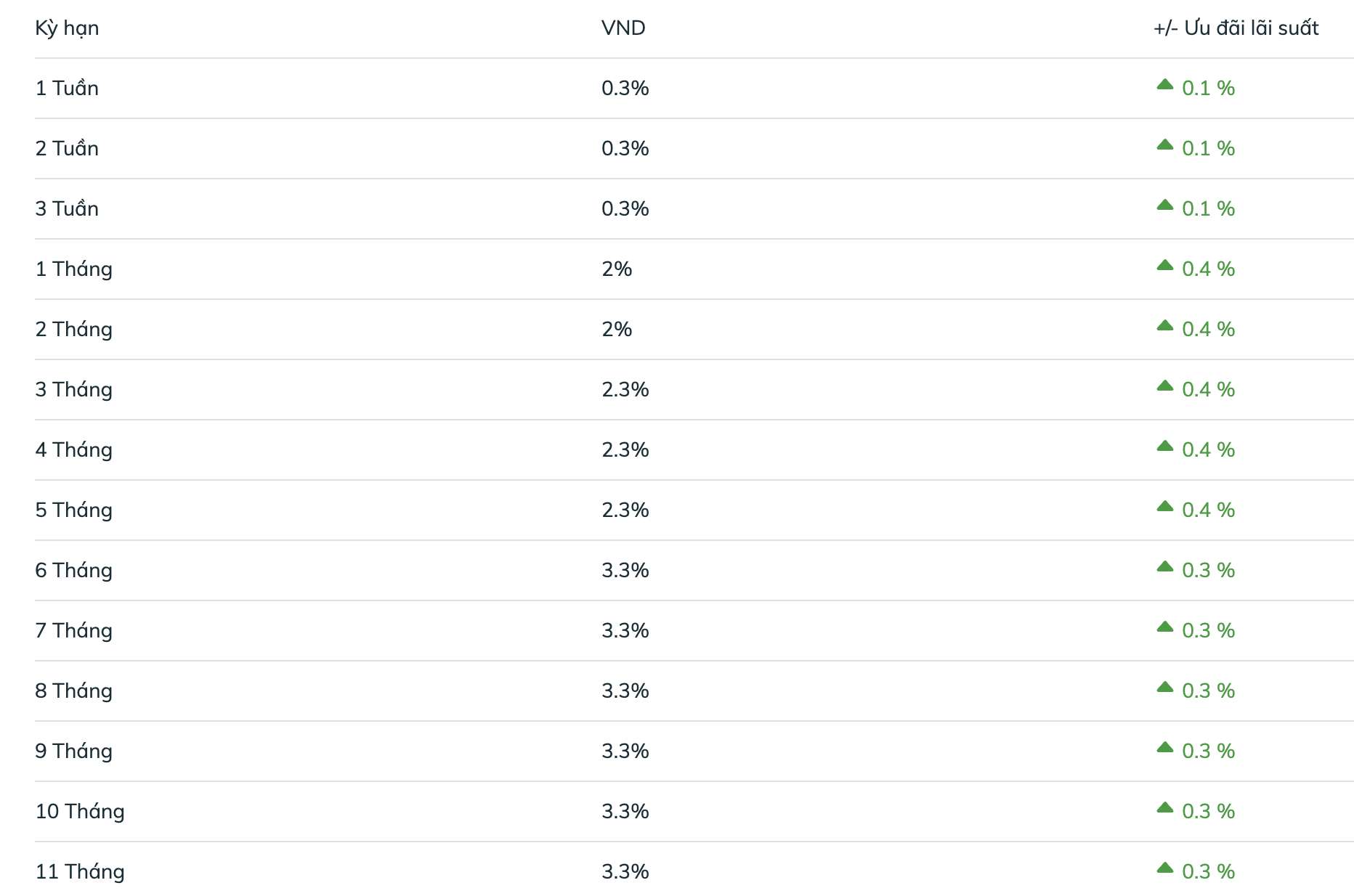
Impact on Savers and Investors: Maximizing Your Returns
While higher interest rates mean more expensive borrowing, they often present a silver lining for savers and certain types of investors, offering better returns on cash and fixed-income investments.
High-Yield Savings Accounts and Certificates of Deposit (CDs)
In a rising rate environment, traditional savings vehicles become more attractive.
- High-Yield Savings Accounts (HYSAs): These accounts offered by online banks and some traditional institutions typically pay significantly higher interest rates than standard savings accounts. As the federal funds rate climbs, HYSAs are often quick to adjust their rates upward, making them excellent places to park emergency funds or short-term savings.
- Certificates of Deposit (CDs): CDs offer a fixed interest rate for a predetermined period (e.g., 6 months, 1 year, 5 years). In a higher rate environment, CDs can lock in competitive returns, providing predictable income. Strategically “laddering” CDs (investing in CDs of varying maturities) can allow savers to benefit from rising rates while still having access to funds periodically.
Bonds and Fixed-Income Investments
The bond market is intricately linked to interest rates.
- New Bond Issues: When interest rates are high, newly issued bonds offer more attractive coupon payments (the annual interest rate paid to the bondholder) compared to bonds issued when rates were lower. This makes them appealing to income-focused investors.
- Existing Bonds: Conversely, existing bonds with lower fixed interest rates become less attractive when new bonds offer higher yields. This often causes the market value of older bonds to decline when rates rise. Investors in bond funds or individual bonds need to understand this inverse relationship.
- Money Market Accounts: These accounts often offer higher yields than traditional savings accounts, similar to HYSAs, and their rates adjust dynamically with the broader interest rate environment. They are typically considered very low-risk investments suitable for cash preservation and liquidity.
Strategic Financial Planning in a Dynamic Rate Environment
Given the fluidity of interest rates, proactive and strategic financial planning is essential. Understanding how current rates affect your personal finances empowers you to make smarter decisions.
Refinancing Opportunities
When interest rates drop, homeowners with existing mortgages might find opportunities to refinance their loans at a lower rate, reducing their monthly payments and total interest paid over the loan’s life. Conversely, in a rising rate environment, refinancing might be less appealing unless it’s to switch from a high-risk ARM to a stable fixed-rate mortgage. Business owners with commercial loans also need to monitor rates for refinancing potential.
Debt Management Strategies
In a high-interest rate environment, managing debt becomes even more critical:
- Prioritize High-Interest Debt: Focus on paying off credit card balances and other high-APR loans first to minimize the impact of rising rates.
- Debt Consolidation: Consider consolidating high-interest debts into a single loan with a lower interest rate, if available, though this should be carefully evaluated against associated fees and the new loan’s terms.
- Review Variable-Rate Loans: If you have loans with variable interest rates, understand how frequently they adjust and what impact potential increases could have on your budget.
Long-Term Investment Considerations
Interest rates influence all asset classes, including stocks.
- Equity Markets: Higher interest rates can sometimes make borrowing more expensive for companies, potentially slowing growth. They can also make bonds more attractive relative to stocks, causing some investors to shift capital. However, a strong economy that leads to higher rates might also support corporate earnings. Diversification across asset classes remains crucial regardless of the rate environment.
- Real Estate: Beyond mortgages, higher rates can cool the housing market by making homeownership less affordable. For real estate investors, this might mean lower property appreciation rates or higher financing costs for new acquisitions.
- Retirement Planning: Savers nearing retirement might find higher rates beneficial for fixed-income portions of their portfolio, providing more predictable income. Younger investors might view rate increases as a potential headwind for growth stocks but an opportunity for stronger returns on cash savings.
Tools and Resources for Tracking Interest Rates
Staying informed about current interest rates is a continuous process. Fortunately, numerous tools and resources are available to help you track rates and understand their implications.
Online Rate Trackers and Calculators
Many financial websites, banks, and aggregators provide daily updates on various interest rates, including mortgage rates, CD rates, and savings account yields. These platforms often feature interactive calculators that allow you to estimate loan payments or savings growth based on current rates. Utilize these tools to compare offers from different lenders and institutions and project the financial impact of current rates on your personal situation. Reputable sources often include major financial news outlets, bank websites, and independent financial comparison sites.

Consulting Financial Professionals
While online tools are helpful, a qualified financial advisor, mortgage broker, or credit counselor can provide personalized guidance. These professionals can analyze your specific financial situation, explain how current interest rates affect your goals, and help you formulate strategies for borrowing, saving, and investing. They can offer insights into nuanced market conditions and provide recommendations tailored to your risk tolerance and financial objectives, ensuring you make the most informed decisions in today’s dynamic interest rate environment.
In conclusion, “how much interest rate today?” is a question with a complex but profoundly important answer. From the Federal Reserve’s policy decisions to global economic shifts, a myriad of factors shape the rates that dictate our financial lives. For both borrowers and savers, understanding this landscape is not just academic; it’s a practical necessity for intelligent financial planning, debt management, and wealth accumulation. By staying informed, leveraging available resources, and seeking expert advice, individuals can navigate the current interest rate environment effectively and make choices that align with their long-term financial well-being.
aViewFromTheCave is a participant in the Amazon Services LLC Associates Program, an affiliate advertising program designed to provide a means for sites to earn advertising fees by advertising and linking to Amazon.com. Amazon, the Amazon logo, AmazonSupply, and the AmazonSupply logo are trademarks of Amazon.com, Inc. or its affiliates. As an Amazon Associate we earn affiliate commissions from qualifying purchases.