
For many, purchasing a home represents the single largest financial commitment of their lives. Beyond the sticker price of the property itself, a significant, often underestimated, component of this investment is the interest paid on the mortgage. Understanding “how much interest on mortgage” you will pay is not just a matter of curiosity; it’s fundamental to financial planning, budgeting, and making informed decisions about one of your most valuable assets. This article delves into the intricacies of mortgage interest, exploring the factors that influence it, how it’s calculated, and strategies to manage its impact on your financial future.
Understanding Mortgage Interest: The Core of Homeownership Costs
At its heart, a mortgage is a loan specifically for real estate, where the property itself serves as collateral. The interest on this loan is essentially the cost you pay to borrow the money. Over the lifespan of a typical 30-year mortgage, the total interest paid can often equal, or even exceed, the original principal amount borrowed.
What is Mortgage Interest?
Mortgage interest is the fee charged by a lender for the use of their money. It’s expressed as a percentage of the outstanding loan balance, known as the interest rate. This rate, coupled with the loan term and principal amount, determines the total interest you’ll pay over the life of the mortgage. Unlike some other loans, mortgage interest is calculated on a reducing balance, meaning as you pay down the principal, the interest portion of your payment also slowly decreases.
The Dual Role of Principal and Interest Payments
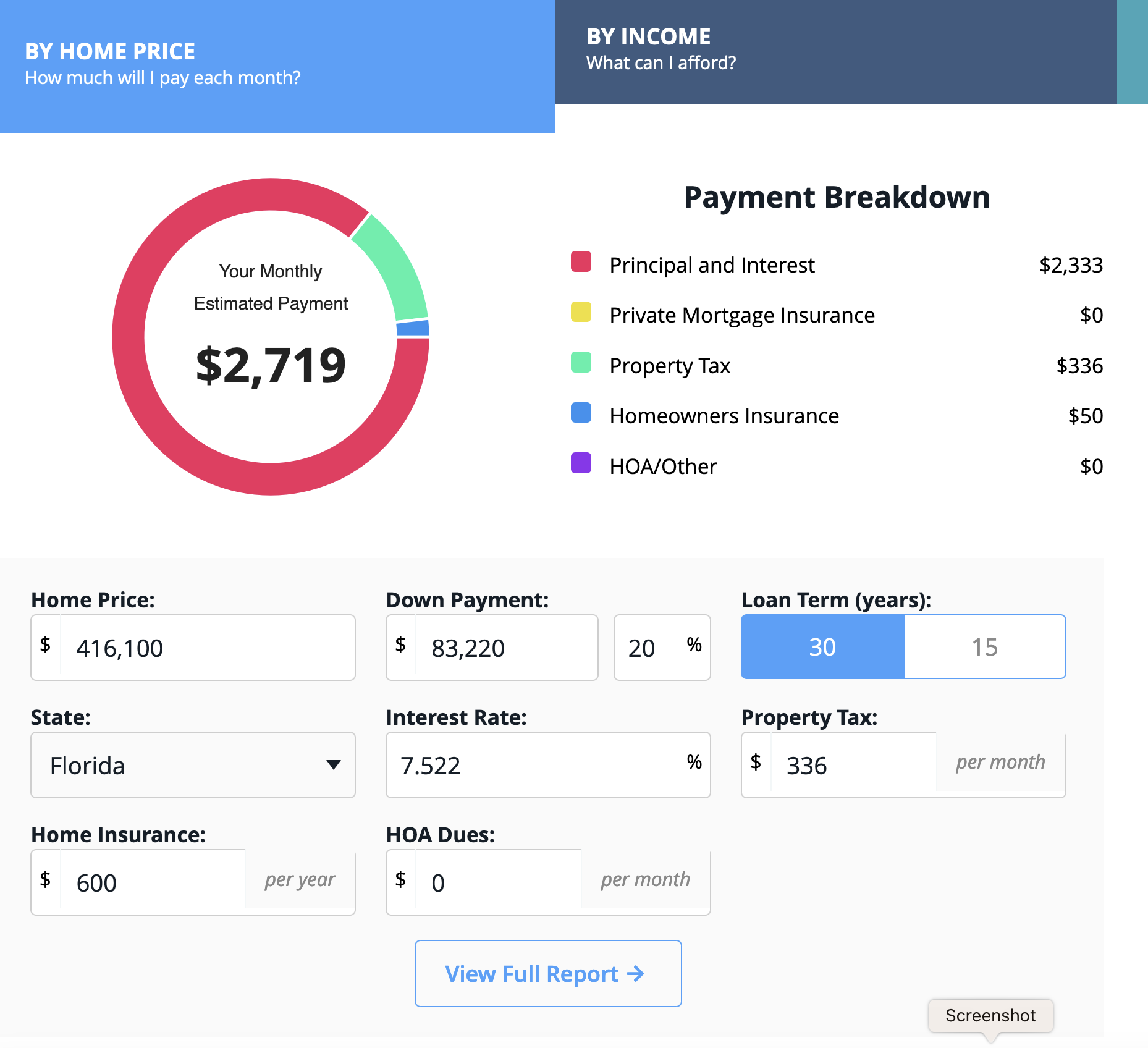
Each monthly mortgage payment is typically composed of four main elements, often referred to as PITI: Principal, Interest, Taxes, and Insurance. While taxes and insurance are usually escrowed amounts that can fluctuate independently, the principal and interest components are directly tied to the loan itself. In the early years of a mortgage, a larger portion of your monthly payment goes towards interest, with only a smaller fraction reducing the principal balance. As the loan matures, this ratio gradually shifts, with more going towards principal and less towards interest. This amortization schedule dictates the long-term cost of borrowing.
Why Interest Rates Matter So Much
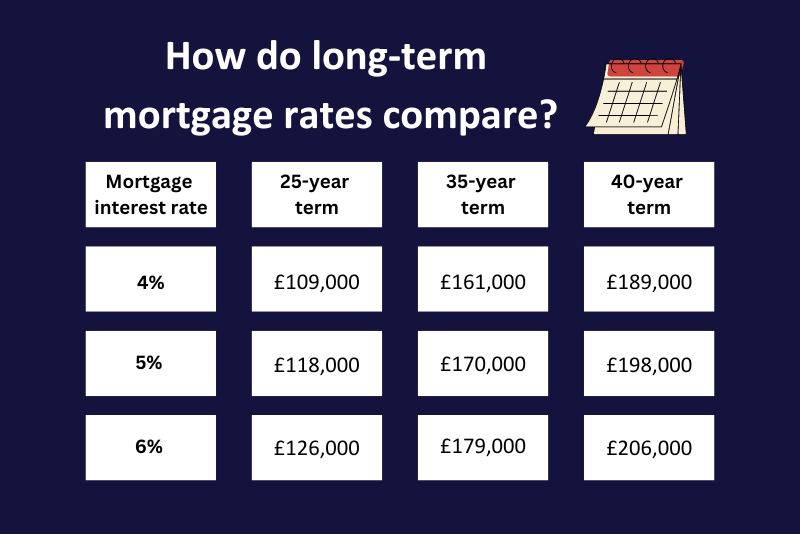
Even a seemingly small difference in an interest rate can translate into tens of thousands of dollars—or even hundreds of thousands—over the full term of a mortgage. For example, on a $300,000, 30-year fixed-rate mortgage, a 5% interest rate results in total interest paid of approximately $279,000. If that rate were just one percentage point higher at 6%, the total interest paid would jump to around $347,000 – an increase of nearly $68,000. This stark difference underscores why securing the best possible interest rate is paramount for homeowners.
Key Factors Influencing Your Mortgage Interest Rate
The interest rate you qualify for on a mortgage is not arbitrary; it’s the result of a complex interplay of personal financial health, market conditions, and the specific characteristics of the loan itself. Lenders assess risk, and your interest rate reflects their perception of that risk.
Your Credit Score: A Snapshot of Financial Reliability
One of the most significant determinants of your mortgage interest rate is your credit score. Lenders use FICO scores (or similar models) to gauge your creditworthiness and your likelihood of repaying the loan. A higher credit score (typically above 740-760) indicates lower risk to the lender, often qualifying you for the most favorable interest rates. Conversely, a lower credit score will signal higher risk, leading to higher interest rates to compensate the lender for that increased risk.
Down Payment Size: Lowering Lender Risk
The amount of money you put down upfront as a down payment directly impacts your loan-to-value (LTV) ratio. A larger down payment reduces the amount you need to borrow and, crucially, lowers the lender’s exposure in case of default. Lenders generally offer better interest rates to borrowers who make substantial down payments (e.g., 20% or more), as it demonstrates financial stability and commitment, reducing their risk. It also often allows you to avoid Private Mortgage Insurance (PMI).
Loan-to-Value (LTV) Ratio
The LTV ratio is a key metric for lenders, calculated by dividing the loan amount by the home’s appraised value. For example, a $240,000 loan on a $300,000 home results in an 80% LTV ratio. A lower LTV ratio (meaning a larger down payment) signifies less risk for the lender, typically translating into more competitive interest rates. Conversely, a high LTV ratio, especially above 80%, often necessitates PMI and can lead to higher rates.
Loan Term Length: Short vs. Long
Mortgages come in various terms, most commonly 15-year and 30-year fixed-rate options. Generally, shorter loan terms (like 15 years) come with lower interest rates than longer terms (like 30 years). This is because the lender’s money is tied up for a shorter period, reducing their exposure to long-term economic fluctuations and inflation risk. While shorter terms mean higher monthly payments, the overall interest paid is significantly less.
Type of Mortgage: Fixed vs. Adjustable
The choice between a fixed-rate mortgage and an adjustable-rate mortgage (ARM) also affects the initial interest rate.
- Fixed-Rate Mortgages: The interest rate remains constant for the entire loan term, providing predictability and stability in monthly payments. These typically start with slightly higher rates than introductory ARM rates but offer long-term security.
- Adjustable-Rate Mortgages (ARMs): These loans feature an initial fixed-rate period (e.g., 3, 5, 7, or 10 years), after which the rate adjusts periodically based on a predetermined index plus a margin. ARMs often have lower introductory rates than fixed-rate mortgages, making them attractive for short-term savings, but they carry the risk of significantly higher payments once the rate begins to adjust.
Economic Conditions and Federal Reserve Policy
Beyond personal factors, broader economic conditions play a critical role in setting mortgage interest rates. Inflation expectations, the strength of the economy, and global events can all influence rates. Most notably, the Federal Reserve’s monetary policy decisions, particularly changes to the federal funds rate, have an indirect but powerful impact on mortgage rates. When the Fed raises rates to combat inflation, mortgage rates typically follow suit. Conversely, when the Fed lowers rates to stimulate the economy, mortgage rates tend to fall.
Lender-Specific Factors
Different lenders—banks, credit unions, and mortgage brokers—have varying overheads, profit margins, and risk appetites. This means that the exact same borrower, with the same financial profile, might be offered slightly different rates from different lenders. This emphasizes the importance of shopping around and comparing offers.
Calculating Mortgage Interest: A Deeper Dive
While the precise calculation of mortgage interest can seem complex due to amortization, understanding the core principles is crucial.

Amortization: The Schedule of Payments
Mortgages are amortized loans, meaning that payments are structured so that the loan principal is gradually paid down over the loan term. Each monthly payment consists of both principal and interest. In the early stages of a 30-year mortgage, the vast majority of the payment goes toward interest, with a small portion reducing the principal. As the principal balance decreases with each payment, the interest due on the remaining balance also decreases, allowing a larger portion of subsequent payments to go towards principal. This gradual shift is key to understanding the total interest paid.
The Impact of Compounding Interest
Mortgage interest typically compounds monthly. This means that if any interest is not paid, it gets added to the principal balance, and future interest is then calculated on that larger amount. While standard mortgage payments are designed to pay off interest monthly, if you were to miss payments or if certain deferred interest scenarios were to occur (more common in some non-traditional loans or ARMs with payment caps), compounding interest can increase your total cost significantly.
APR vs. Interest Rate: What’s the Difference?
It’s vital to distinguish between the nominal interest rate and the Annual Percentage Rate (APR).
- Interest Rate: This is the rate at which interest is calculated on your loan balance. It determines the principal and interest portion of your monthly payment.
- APR (Annual Percentage Rate): This represents the true annual cost of borrowing, expressed as a percentage. It includes not only the nominal interest rate but also other loan costs such as origination fees, discount points, mortgage insurance, and other charges. The APR provides a more comprehensive picture of the total cost of the loan and is often a better tool for comparing different loan offers. A lower APR generally indicates a cheaper loan overall.
Strategies to Manage and Potentially Reduce Mortgage Interest
Given the substantial amount of interest paid over the life of a mortgage, adopting proactive strategies can lead to significant savings.
Improving Your Credit Score Before Applying
Before you even begin shopping for a mortgage, take steps to improve your credit score. Pay down debts, dispute any inaccuracies on your credit report, and avoid opening new lines of credit. A higher score directly translates to a lower interest rate offer from lenders.
Making a Larger Down Payment
If possible, save up for a larger down payment. A 20% down payment is often the magic number, as it typically eliminates the need for Private Mortgage Insurance (PMI) and usually secures a better interest rate. Even an extra 5-10% can make a difference in your LTV ratio and perceived risk.
Choosing the Right Loan Term
Carefully consider whether a 15-year or 30-year mortgage is more suitable for your financial situation. While a 15-year mortgage has higher monthly payments, the overall interest paid is substantially less due to the lower interest rate and shorter amortization period. If you can comfortably afford the higher payments, it’s a powerful way to save on interest.
Exploring Refinancing Options
If interest rates drop significantly after you’ve secured your mortgage, refinancing might be a viable option. Refinancing involves taking out a new loan to pay off your existing mortgage, ideally at a lower interest rate or with better terms. However, be mindful of closing costs associated with refinancing, and ensure the savings outweigh these upfront expenses.
Making Extra Principal Payments
One of the most effective ways to reduce total mortgage interest is to make extra payments directly towards your principal. Even small, consistent additional payments can shave years off your loan term and save tens of thousands in interest. You can do this by rounding up your monthly payment, making a 13th payment each year, or applying any windfalls (bonuses, tax refunds) directly to the principal. Ensure your lender applies these extra funds directly to the principal and not as an advance on future payments.
Shopping Around for Lenders
Never take the first mortgage offer you receive. Contact multiple lenders—banks, credit unions, and mortgage brokers—to compare interest rates, APRs, and closing costs. Even a quarter-point difference in the interest rate can save you thousands over the life of the loan.
The Long-Term Impact of Mortgage Interest
Beyond the immediate financial implications, understanding mortgage interest is vital for long-term wealth building and financial security.
Building Home Equity Over Time
As you pay down your mortgage principal, and as the value of your property potentially appreciates, you build home equity. While the interest portion of your payment is a cost, the principal portion directly contributes to this equity, which can be a significant source of wealth.
Tax Implications of Mortgage Interest
In many countries, including the United States, mortgage interest paid can be tax-deductible, up to certain limits. This deduction can reduce your taxable income, effectively lowering the net cost of your mortgage interest. It’s important to consult with a tax professional to understand how this applies to your specific situation.
Planning for the Full Cost of Homeownership
Mortgage interest is a central piece of the homeownership puzzle, but it’s not the only cost. Property taxes, homeowners insurance, maintenance, and potential HOA fees also contribute to the overall expense. A holistic understanding of all these costs, with a keen eye on optimizing your mortgage interest, ensures you’re prepared for the true financial commitment of owning a home.
In conclusion, “how much interest on mortgage” is a question that requires a nuanced answer, influenced by a multitude of personal and economic factors. By understanding these dynamics, carefully managing your finances, and strategically planning your approach to homeownership, you can significantly mitigate the overall cost of borrowing and maximize your investment in your home.
aViewFromTheCave is a participant in the Amazon Services LLC Associates Program, an affiliate advertising program designed to provide a means for sites to earn advertising fees by advertising and linking to Amazon.com. Amazon, the Amazon logo, AmazonSupply, and the AmazonSupply logo are trademarks of Amazon.com, Inc. or its affiliates. As an Amazon Associate we earn affiliate commissions from qualifying purchases.