
In the modern landscape of personal finance, the subscription economy has shifted from a peripheral expense to a core component of the monthly budget. Among these recurring costs, Amazon Prime stands as a titan, serving as a hybrid of logistics, entertainment, and retail services. For the disciplined consumer, the question is no longer just “what is the price?” but rather “how much value is being extracted versus the capital committed?” As of 2024, the standard annual membership sits at $139, while the monthly commitment is $14.99. To determine if this expenditure is a sound financial move, one must dissect the cost structure, the ancillary benefits, and the behavioral economics of the Prime ecosystem.
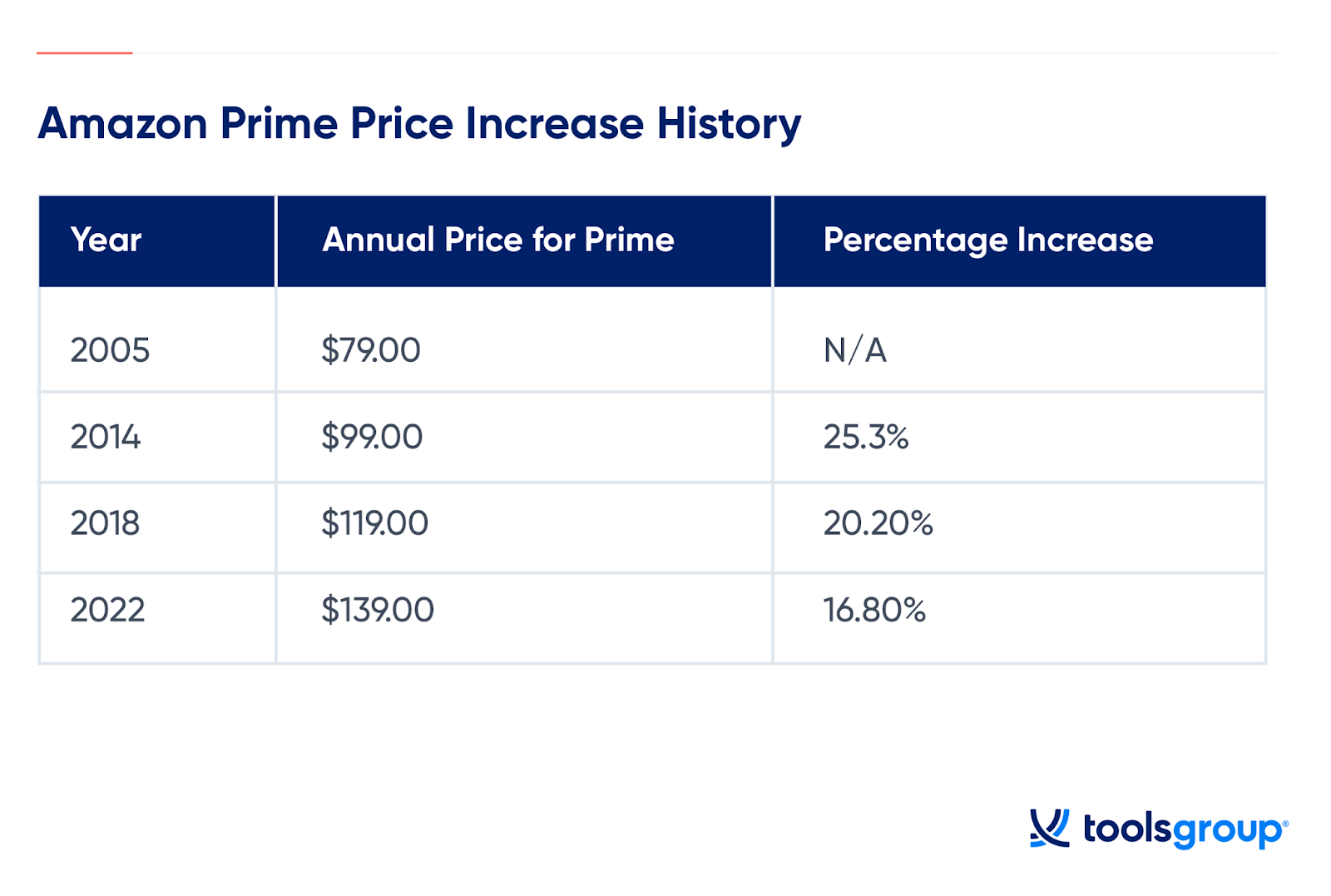
Understanding the Base Cost: Current Pricing Tiers and Hidden Fees
The headline figure for Amazon Prime is often the first barrier to entry or the primary reason for cancellation. However, the price is not a monolith; it varies significantly based on demographic markers and payment structures.
The Standard Individual Membership
For the majority of users, the choice lies between the $14.99 monthly plan and the $139 annual plan. From a pure cash-flow perspective, the annual plan is the superior financial choice, offering a savings of approximately $40 per year—a 22% discount over the month-to-month flexibility. For an investor, viewing this $40 saving as a “return” on a $139 investment yields a staggering 28% ROI, far outpacing high-yield savings accounts or standard market returns.
Prime Student: A Budget-Friendly Alternative
Students enrolled in at least one course at a college or university are eligible for Prime Student. This tier is priced at $7.49 per month or $69 per year. This 50% discount is designed to capture brand loyalty early, but for the student budget, it represents a significant reduction in overhead for essential school supplies and grocery deliveries. The financial utility here is doubled by the inclusion of a six-month trial period, which is essentially a $45 gift in service value.
Qualifying for Discounted Prime (EBT/Medicaid)
Amazon offers a targeted discount for recipients of various government assistance programs, including SNAP EBT and Medicaid. At $6.99 per month, this tier ensures that the efficiency of online bulk shopping and grocery delivery is accessible to those for whom transportation costs might be a significant financial burden. In this context, the membership is not a luxury but a tool for reducing the “poverty premium”—the extra cost paid by low-income individuals for goods and services.
The ROI of Convenience: Breaking Down the Savings
To justify the $139 annual spend, a household must derive at least that much in tangible value. When we look at the components of Prime through a financial lens, the “break-even” point is often lower than it appears, provided the user leverages the ecosystem correctly.
Shipping Costs and Logistics Logic
The cornerstone of Prime is “free” shipping. In the world of logistics, shipping is never truly free; it is either baked into the product price or subsidized by membership fees. For a non-Prime member, standard shipping often starts at $5.99 to $9.99 per order for items under the $35 threshold. If a consumer places just two orders per month that would otherwise incur shipping fees, they have already surpassed the $139 annual cost in saved logistical expenses. For those living in rural areas or those without easy access to transportation, these savings are compounded by the reduction in fuel costs and time—a non-renewable asset with its own intrinsic financial value.
Digital Content Valuation (Video, Music, Gaming)
When evaluating “how much” is in Prime, one must account for the entertainment offset. A standard Netflix subscription costs approximately $185 per year, and Spotify Premium nears $132. Prime Video and Prime Music (though a limited version of the Unlimited tier) provide a direct substitute for these services. For a household willing to consolidate their streaming services into the Prime umbrella, the $139 membership effectively pays for itself by eliminating $300+ in external digital subscriptions.
Grocery Savings through Whole Foods and Amazon Fresh
The integration of Whole Foods Market into the Prime ecosystem introduced a layer of physical retail benefits. Prime members receive an additional 10% off sale items and exclusive weekly deals. For a family spending $200 a week on groceries, even a 2% total savings through these exclusive discounts results in over $200 in annual savings, effectively neutralizing the membership fee entirely.
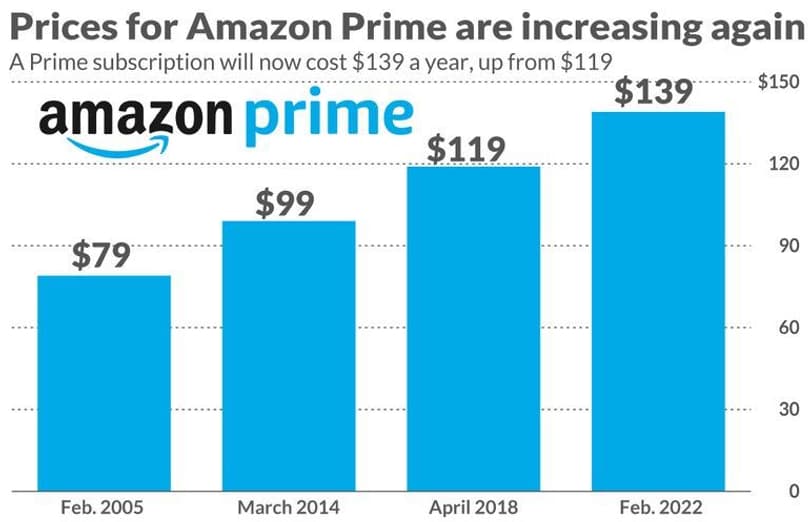
Opportunity Cost and Subscription Fatigue
While the math often favors the membership, a sophisticated financial analysis must include the psychological and behavioral impacts of being a Prime member. The “Amazon Effect” on personal finance is not always positive.
The Psychology of “Free” Shipping
Behavioral economists have long noted that “free” is a powerful emotional trigger that can override rational spending. Prime members tend to shop more frequently and spend more per transaction than non-members. The sunk cost fallacy—the idea that because you paid $139, you must use the service to get your money’s worth—often leads to impulsive “one-click” purchases. From a wealth-building perspective, the convenience of Amazon Prime can be a leak in a household budget if it encourages the purchase of “wants” under the guise of “needs.”
Comparing Prime to Alternative Retail Models
Walmart+ and Target Circle 360 have emerged as direct competitors, often priced slightly lower (around $98 for Walmart+). For a consumer focusing strictly on the “how much,” the comparison must include local proximity. If a consumer lives next to a Walmart, the fuel savings and immediate availability might outweigh the tech-heavy perks of Amazon. A competitive analysis of one’s own spending habits over the last 12 months is essential before renewing.
Leveraging Amazon Prime for Financial Productivity
For those who view their membership as a business tool rather than just a consumer convenience, there are ways to turn the Prime fee into a revenue-generating or tax-advantaged asset.
Using Amazon Prime Rewards Visa for Cash Back
Perhaps the most significant financial multiplier within the ecosystem is the Amazon Prime Rewards Visa Signature Card. This card offers 5% back on all Amazon and Whole Foods purchases. For a heavy user who spends $5,000 annually within the ecosystem, the card generates $250 in cash back. This not only covers the membership fee but leaves a $111 profit. When used as a tool for “stacking” rewards, the cost of Prime becomes negative—meaning the user is essentially being paid to be a member.
Prime for the Small Business Owner and Solopreneur
For side hustlers and small business owners, Amazon Business Prime offers specialized features like quantity discounts and tax-exempt purchasing for eligible organizations. The ability to streamline procurement for office supplies, tech hardware, and shipping materials under a single, predictable annual fee can simplify accounting and reduce the “soft costs” associated with vendor management. Furthermore, the membership fee itself is often a deductible business expense, reducing the net cost after tax.

The Verdict: Is the $139 Price Tag a Sound Financial Move?
Determining “how much” is in Amazon Prime requires a personalized audit of three specific metrics: frequency of use, substitution value, and spending discipline.
If your household places more than 25 orders a year and utilizes at least one digital service (Video or Music), the membership is mathematically optimal. The “break-even” occurs much sooner than most realize, especially when factoring in the time-value of money. However, if the membership serves as a gateway to uncontrolled consumerism, the $139 fee is the least of the financial concerns; the real cost is the diverted capital that could have been directed toward investments or debt reduction.
In conclusion, Amazon Prime is a sophisticated financial tool. For the strategic user who utilizes the 5% cash-back rewards, consolidates their streaming services, and uses the logistical efficiency to save on fuel and time, the $139 annual fee is one of the most efficient allocations of capital in the modern consumer market. For the casual user, however, periodic audits are required to ensure that the convenience of the “Prime” lifestyle is not being purchased at the expense of long-term financial health.
aViewFromTheCave is a participant in the Amazon Services LLC Associates Program, an affiliate advertising program designed to provide a means for sites to earn advertising fees by advertising and linking to Amazon.com. Amazon, the Amazon logo, AmazonSupply, and the AmazonSupply logo are trademarks of Amazon.com, Inc. or its affiliates. As an Amazon Associate we earn affiliate commissions from qualifying purchases.