
The Dow Jones Industrial Average (DJIA), often simply referred to as “the Dow,” stands as one of the most iconic and frequently cited indicators of stock market performance. For both seasoned investors and casual observers, a headline proclaiming a “Dow drop” can trigger a range of emotions, from mild concern to outright panic. Understanding how much the Dow has dropped, the underlying reasons for such movements, and the broader implications is crucial for making informed financial decisions. This article delves into the mechanics of Dow movements, explores historical precedents, and offers strategic insights for investors navigating the inevitable waves of market volatility.

Understanding the Dow Jones Industrial Average: More Than Just a Number
To truly grasp the significance of a Dow drop, one must first understand what the index represents and why it holds such sway over market sentiment.
What is the DJIA?
The Dow Jones Industrial Average is a stock market index that measures the stock performance of 30 large companies listed on stock exchanges in the United States. Founded by Charles Dow in 1896, it is one of the oldest, largest, and most well-known equity indexes in the world. Despite its name, the companies included are not purely “industrial” today but represent a broad cross-section of major sectors of the U.S. economy, including technology, finance, healthcare, and consumer goods.
Unlike market-capitalization-weighted indexes such as the S&P 500, the Dow is a price-weighted index. This means that stocks with higher share prices have a greater impact on the index’s value than stocks with lower share prices, regardless of the companies’ overall market capitalization. This unique weighting methodology sometimes leads to different performance profiles compared to other major indexes, yet its historical gravitas and the blue-chip nature of its constituents make it a reliable, albeit limited, barometer of the broader market and economic health.
Why Does the Dow Matter?
The Dow’s prominence stems from several factors. Firstly, its long history provides a continuous narrative of American economic progress and setbacks, offering a valuable historical perspective. Secondly, the 30 companies it tracks are often bellwethers of their respective industries and the economy as a whole. When these corporate giants face challenges, it can signal broader economic headwinds.
More importantly, the Dow often serves as a proxy for investor confidence. A significant drop can indicate widespread concern about economic conditions, corporate profitability, or geopolitical stability, leading to a ripple effect across other markets and asset classes. Conversely, strong performance in the Dow can bolster optimism and encourage further investment. While it’s essential not to oversimplify the market’s complexity by focusing solely on one index, the Dow’s movements undeniably influence investor psychology and financial news cycles.
Decoding Market Drops: Causes and Catalysts Behind Dow Declines
Market corrections and bear markets are an inherent part of the economic cycle. The Dow’s movements, particularly its drops, are rarely arbitrary; they are typically a reaction to a confluence of economic, political, and psychological factors. Understanding these catalysts is vital for interpreting the magnitude and potential duration of a downturn.
Economic Slowdowns and Recessions
One of the most common drivers of a Dow drop is evidence or anticipation of an economic slowdown or recession. When economic activity contracts, corporate earnings typically decline, leading investors to sell off stocks. Factors contributing to this include:
- Declining GDP: A sustained reduction in a country’s gross domestic product signals a shrinking economy.
- Rising Unemployment: Mass layoffs and a decrease in consumer spending power severely impact businesses.
- Weak Consumer Confidence: When consumers are uncertain about the future, they tend to reduce spending, which hurts corporate revenues.
- Manufacturing Contraction: Declines in industrial production often precede broader economic slowdowns.
Geopolitical Events and Global Shocks
Sudden, unexpected geopolitical events or global crises can trigger rapid and substantial Dow drops. These events introduce significant uncertainty and can disrupt global supply chains, trade, and economic stability. Examples include:
- Wars and Conflicts: Regional or international conflicts can escalate tensions, disrupt oil supplies, and divert resources.
- Pandemics: Health crises, like the COVID-19 pandemic in 2020, can lead to widespread lockdowns, economic shutdowns, and a loss of life, severely impacting global commerce.
- Major Trade Disputes: Tariffs and trade wars can hinder international trade, reduce corporate profits, and increase consumer costs.
- Natural Disasters: Catastrophic natural events can devastate economies, disrupt industries, and lead to significant insurance claims.
Interest Rate Changes and Inflation Concerns
Central bank policies, particularly those of the U.S. Federal Reserve, play a critical role in market movements.
- Interest Rate Hikes: When central banks raise interest rates to combat inflation, it makes borrowing more expensive for businesses and consumers, potentially slowing economic growth and reducing corporate profitability. Higher rates also make fixed-income investments more attractive, drawing money away from stocks.
- Persistent Inflation: High and persistent inflation erodes purchasing power, increases business costs, and creates uncertainty, often leading to aggressive monetary tightening that can precipitate a market downturn.
- Deflationary Fears: While less common recently, fears of deflation (a general decline in prices) can also lead to market drops as it signals a lack of demand and potentially stagnant economic growth.
Corporate Earnings and Sector-Specific Headwinds
The performance of the 30 companies within the Dow is intrinsically linked to the index’s movement.
- Disappointing Earnings Reports: When several major Dow components report earnings that fall short of expectations or issue weak future guidance, it can signal broader corporate challenges and drag down the entire index.
- Sector-Specific Crises: A crisis in a major sector, such as a banking crisis or a downturn in the tech industry, can disproportionately affect the Dow if it heavily weights companies from that sector.
- Regulatory Changes: New government regulations impacting key industries can increase costs, limit growth, and reduce investor confidence.
Investor Sentiment and Market Psychology
Beyond fundamental economic data, human emotion plays a powerful role in market fluctuations.
- Fear and Panic Selling: During times of uncertainty, fear can lead to irrational panic selling, exacerbating market declines as investors rush to liquidate assets.
- Loss of Confidence: A general loss of confidence in the market, the economy, or government policies can trigger a bearish sentiment that feeds on itself.
- Herd Mentality: Investors often follow the crowd, accelerating both upward and downward trends irrespective of underlying fundamentals.
Historical Perspective: Notable Dow Drops and The Pattern of Recovery
History offers a crucial lens through which to view current market drops. While each downturn has its unique triggers, a recurring pattern emerges: markets, including the Dow, eventually recover and often reach new highs. Understanding past “how much has the Dow dropped” scenarios provides perspective and reinforces the importance of a long-term strategy.
The Great Depression and Black Tuesday (1929)
One of the most devastating market crashes, Black Tuesday on October 29, 1929, saw the Dow fall 11.7% in a single day, following an 11% drop on Black Monday the day before. This marked the beginning of the Great Depression, with the Dow eventually plummeting nearly 90% from its 1929 peak by 1932. It took over two decades for the Dow to reclaim its pre-crash highs.
Black Monday (1987)
On October 19, 1987, the Dow experienced its largest single-day percentage drop, falling an astounding 22.6% (508 points). This crash was attributed to a combination of factors, including program trading, rising interest rates, and trade deficits. Remarkably, the market recovered relatively quickly, demonstrating resilience even after such a severe shock.
Dot-Com Bubble Burst (2000-2002)
Following the speculative frenzy of the late 1990s, the technology-heavy Nasdaq Composite bore the brunt of this crash, but the Dow also saw a significant decline. From its peak in January 2000, the Dow dropped approximately 38% by October 2002. This downturn highlighted the dangers of speculative bubbles and overvalued assets.
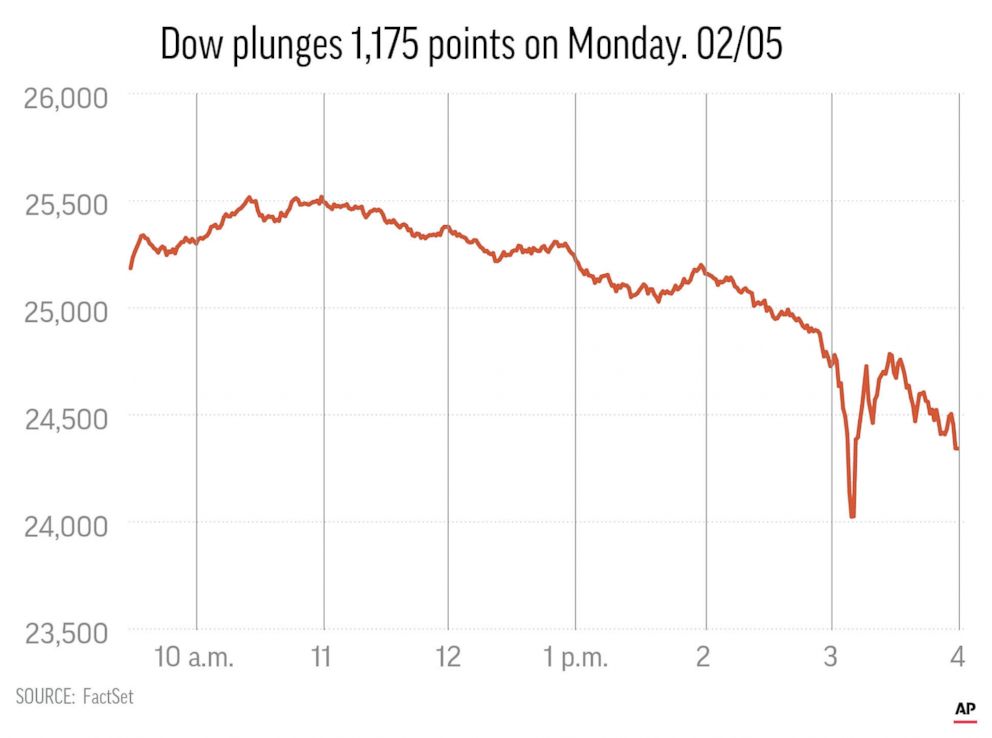
The Great Financial Crisis (2008)
Fueled by the subprime mortgage crisis and the collapse of major financial institutions, 2008 saw one of the most severe market downturns since the Great Depression. The Dow fell by over 50% from its October 2007 peak to its March 2009 low. Government bailouts, monetary policy interventions, and global cooperation eventually paved the way for a slow but steady recovery.
COVID-19 Pandemic Crash (2020)
In early 2020, fears surrounding the rapidly spreading COVID-19 virus triggered a sharp, swift market crash. The Dow plunged over 37% from its February peak to its March low, marking the fastest bear market decline in history. However, unprecedented fiscal and monetary stimulus packages, coupled with vaccine development, led to an equally swift rebound, demonstrating the market’s capacity for rapid recovery under extraordinary circumstances.
The Pattern of Recovery
These historical examples underscore a critical lesson: while market drops can be severe and frightening, the market has historically recovered from every single downturn. Patience, a long-term perspective, and adherence to a sound investment strategy have consistently proven to be the most effective responses to volatility.
Strategies for Investors During Market Downturns
When the Dow drops significantly, the natural instinct for many is to panic and sell. However, history and financial wisdom suggest a more disciplined approach.
The Importance of a Long-Term Perspective
One of the most crucial strategies is to maintain a long-term view. Short-term market fluctuations are normal. For investors with horizons of 5, 10, or 20+ years, daily or even monthly drops are often mere blips on the radar. Focus on your long-term financial goals rather than reacting to fleeting headlines.
Diversification as a Shield
A well-diversified portfolio is your primary defense against market volatility. By spreading your investments across different asset classes (stocks, bonds, real estate), industries, geographies, and company sizes, you reduce the impact of any single asset performing poorly. When one sector or asset type is struggling, others might be performing well, buffering your overall portfolio.
Dollar-Cost Averaging
Dollar-cost averaging involves investing a fixed amount of money at regular intervals, regardless of market conditions. When prices are high, your fixed sum buys fewer shares; when prices are low (during a drop), it buys more shares. This strategy helps mitigate the risk of investing a large sum at an unfortunate market peak and can lead to a lower average cost per share over time.
Rebalancing Your Portfolio
Periodically rebalancing your portfolio ensures it remains aligned with your original asset allocation targets and risk tolerance. During a market drop, your equity allocation might fall below its target percentage. Rebalancing would involve selling some assets that have performed well (e.g., bonds) and buying more of the assets that have dropped (e.g., stocks), effectively buying low.
Avoiding Panic Selling
Emotional decisions are often detrimental to investment returns. Panic selling during a downturn locks in losses and prevents you from participating in the inevitable recovery. Unless your financial situation has drastically changed, resist the urge to liquidate your holdings based solely on market fear.
Seeking Opportunities
Savvy investors often view market drops as opportunities. When quality companies’ stock prices fall, it can present a chance to buy good assets at a discount. This requires research, conviction, and the discipline to go against the herd.
The Role of Financial Tools and Professional Advice
Navigating complex market conditions, especially significant Dow drops, can be challenging. Leveraging the right resources and expertise can make a substantial difference.
Utilizing Financial Planning Software and Resources
Modern financial tools, apps, and online platforms can help investors track their portfolios, analyze performance, and stay informed. Many offer features for budgeting, goal setting, and even automated investing, which can reinforce disciplined strategies like dollar-cost averaging. Educational resources available online can also empower investors with knowledge to make better decisions.
The Value of a Financial Advisor
For those who find market volatility overwhelming or lack the time and expertise, a qualified financial advisor can be invaluable. An advisor can help:
- Develop a personalized financial plan: Tailored to your specific goals, risk tolerance, and time horizon.
- Provide emotional guidance: Helping you stick to your plan during turbulent times and avoid impulsive decisions.
- Rebalance and optimize your portfolio: Ensuring it remains diversified and aligned with your objectives.
- Offer tax-efficient strategies: Maximizing your returns while minimizing tax liabilities.
Continuous Education and Market Monitoring
Staying informed about economic trends, corporate news, and global events is crucial. However, this doesn’t mean reacting to every piece of news. Instead, focus on understanding the broader economic landscape and how it might impact your long-term investments. Continuous learning helps build confidence and resilience during periods of uncertainty.
Conclusion
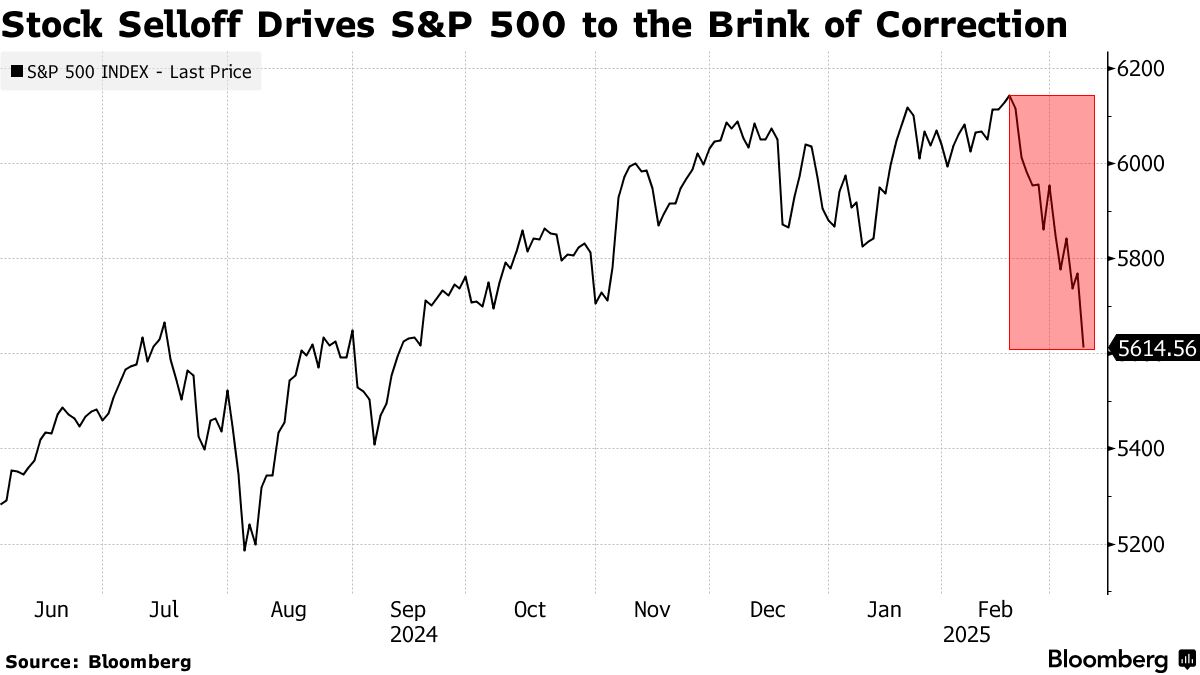
The question “how much has the Dow dropped?” is often just the tip of the iceberg, leading to deeper inquiries about market health, economic outlook, and personal financial security. While the immediate percentage decline can be alarming, a deeper dive reveals that market drops are intrinsic to the investment landscape. They are often triggered by identifiable economic, geopolitical, and psychological factors, and critically, they are almost always followed by periods of recovery.
For investors, the key lies not in avoiding drops—which is impossible—but in preparing for them and reacting strategically. By understanding the Dow, diversifying your portfolio, committing to a long-term perspective, embracing dollar-cost averaging, and seeking professional guidance when needed, you can transform periods of market downturn from sources of anxiety into opportunities for growth and wealth accumulation. The market’s history is a testament to its enduring upward bias over time; patience and discipline remain an investor’s most valuable assets.
aViewFromTheCave is a participant in the Amazon Services LLC Associates Program, an affiliate advertising program designed to provide a means for sites to earn advertising fees by advertising and linking to Amazon.com. Amazon, the Amazon logo, AmazonSupply, and the AmazonSupply logo are trademarks of Amazon.com, Inc. or its affiliates. As an Amazon Associate we earn affiliate commissions from qualifying purchases.