
The allure of a new car is undeniable, promising freedom, convenience, and perhaps a touch of luxury. Yet, beneath the glossy paint and advanced features lies a significant financial commitment, primarily encapsulated in that recurring monthly car payment. For many, this payment represents one of the largest expenditures after housing, making it a critical factor in personal financial planning. Understanding how much you can, and should, afford for a monthly car payment is not just about crunching numbers; it’s about making an informed decision that aligns with your broader financial goals and prevents undue stress. This comprehensive guide will dissect the various components that contribute to your car payment, explore the hidden costs often overlooked, and provide practical strategies to ensure your next vehicle purchase is a financially sound one.

Understanding the Core Components of Your Car Payment
At its heart, your monthly car payment is a function of several key variables. Each plays a pivotal role in determining the final figure that leaves your bank account each month.
The Vehicle’s Purchase Price
This is perhaps the most obvious factor. The higher the agreed-upon price of the car, the larger the amount you’ll need to finance, and consequently, the higher your monthly payment will be. It’s crucial to negotiate the purchase price, as even a small reduction can translate into significant savings over the life of the loan. Remember that the “sticker price” is often just a starting point; savvy negotiation can bring it down considerably. Factors like make, model, trim level, optional features, and whether the vehicle is new or used all directly impact this foundational cost.
Interest Rates and Loan Terms
These two elements work hand-in-hand to define the cost of borrowing.
- Interest Rate: This is the percentage charged by the lender for the privilege of borrowing money. A lower interest rate means less money paid back to the lender over time and a lower monthly payment. Your credit score is the primary determinant of the interest rate you’ll qualify for, with excellent credit scores typically securing the most favorable rates. Other factors like the current economic climate and the lender’s risk assessment also play a role.
- Loan Term: This refers to the duration over which you agree to repay the loan, typically expressed in months (e.g., 36, 48, 60, 72, or even 84 months). A longer loan term will result in lower monthly payments because the total amount financed is spread out over more installments. However, a longer term also means you’ll pay more in total interest over the life of the loan. Conversely, a shorter term leads to higher monthly payments but less overall interest paid. Finding the right balance between affordability and minimizing interest costs is key.
Down Payment and Trade-In Value
These two factors directly reduce the amount you need to finance.
- Down Payment: This is the initial lump sum of cash you pay upfront when purchasing the vehicle. The larger your down payment, the less money you need to borrow, which directly lowers your monthly payments and reduces the total interest you’ll pay. A common recommendation is to aim for at least 10% for a used car and 20% for a new car to mitigate depreciation and reduce the loan-to-value ratio.
- Trade-In Value: If you’re trading in an existing vehicle, its appraised value is subtracted from the new car’s purchase price, effectively acting like an additional down payment. Researching your current car’s value on sites like Kelley Blue Book or Edmunds before heading to the dealership can give you a strong negotiating position. The equity you have in your trade-in (its value minus any outstanding loan balance) directly contributes to reducing your financing needs.
Beyond the Sticker Price: Additional Costs to Consider
Focusing solely on the monthly car payment can be misleading if you don’t account for the array of additional costs that come with car ownership. These often-overlooked expenses can significantly impact your overall budget.
Sales Tax, Fees, and Registration
When you buy a car, whether new or used, you’ll encounter a series of mandatory charges.
- Sales Tax: Most states levy a sales tax on vehicle purchases, which can add hundreds or even thousands of dollars to the total cost. This tax is often financed into your loan, increasing your monthly payment.
- Dealer Fees: These can include documentation fees, advertising fees, and preparation fees. While some are legitimate, others might be negotiable. Always scrutinize these line items.
- Registration and License Plate Fees: Before you can legally drive your car, you’ll need to register it with your state’s Department of Motor Vehicles (DMV) and obtain license plates. These are annual or biennial costs.
Car Insurance Premiums
This is a non-negotiable expense for any car owner. Your monthly insurance premium can vary wildly based on factors such as:
- Your age and driving record: Younger, less experienced drivers or those with a history of accidents typically pay more.
- The type of car: More expensive, high-performance, or frequently stolen vehicles cost more to insure.
- Your location: Urban areas often have higher rates due to increased risk of theft and accidents.
- Your chosen coverage: Comprehensive, collision, liability limits, and deductibles all play a role.
It’s essential to get insurance quotes before finalizing your car purchase, as a car you can afford monthly payments for might still be prohibitively expensive to insure.
Maintenance, Fuel, and Unexpected Repairs
These ongoing operational costs can easily add hundreds of dollars to your monthly budget.
- Fuel: Your car’s fuel efficiency and how much you drive directly dictate your monthly gas bill. Consider the type of fuel required (regular vs. premium).
- Routine Maintenance: Oil changes, tire rotations, brake inspections, and fluid checks are crucial for the longevity of your vehicle. While some newer cars include a limited maintenance plan, budgeting for these regular services is wise.
- Unexpected Repairs: Even the most reliable cars can break down. Having an emergency fund or setting aside a portion of your budget for potential repairs is a smart financial move. Older vehicles, while often cheaper to purchase, may incur higher repair costs.
Determining Your Affordable Car Payment: A Budget-First Approach
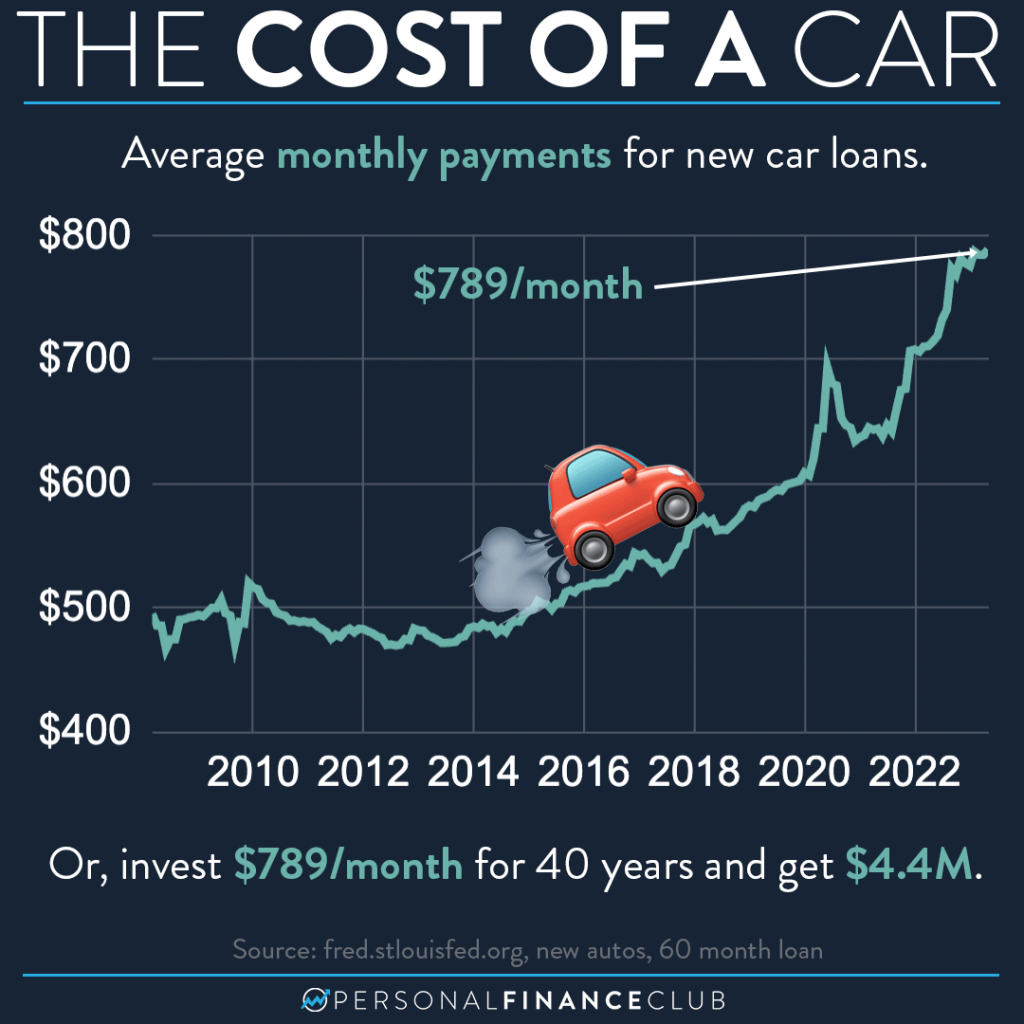
Rather than asking “how much car can I get for X payment?”, a more prudent approach is to ask, “how much can I truly afford to spend on a car each month?” This involves a thorough review of your personal finances.
The 20/4/10 Rule and Other Budgeting Guidelines
Many financial experts advocate for the 20/4/10 rule as a general guideline:
- 20% Down Payment: Aim for at least 20% down on a new car to combat depreciation and reduce your loan amount.
- 4-Year Loan Term: Keep your loan term to a maximum of four years (48 months) to minimize total interest paid and avoid being underwater on your loan (owing more than the car is worth).
- 10% of Gross Income: Your total monthly car expenses (payment, insurance, fuel, maintenance) should not exceed 10% of your gross monthly income. This is a conservative guideline that ensures you have ample funds for other financial goals and expenses.
While these are guidelines, they provide a strong starting point for responsible car buying.
Assessing Your Debt-to-Income Ratio
Lenders often look at your debt-to-income (DTI) ratio to assess your ability to manage monthly payments. This ratio compares your total monthly debt payments (including the proposed car payment, credit card minimums, student loans, mortgage, etc.) to your gross monthly income. A low DTI indicates you have more disposable income and are a less risky borrower. Most lenders prefer a DTI below 36%, though some may go higher for well-qualified applicants. Understanding your DTI before you shop for a car can help you gauge your borrowing capacity and prevent overextending yourself.
Creating a Realistic Monthly Budget
The most effective way to determine your affordable car payment is to create a detailed personal budget.
- Track Your Income: Know exactly how much money you have coming in each month after taxes and deductions.
- List All Fixed Expenses: Account for rent/mortgage, utilities, existing loan payments, subscriptions, etc.
- Estimate Variable Expenses: Budget for groceries, dining out, entertainment, and other flexible spending.
- Factor in Savings Goals: Don’t forget to allocate money for retirement, an emergency fund, and other financial objectives.
The remaining discretionary income will show you how much you realistically have available for a car payment and all associated car ownership costs without jeopardizing your other financial responsibilities or savings.
Strategies to Lower Your Monthly Car Payment
If your initial calculations suggest a car payment higher than you’d prefer or can afford, several strategies can help bring it down.
Increasing Your Down Payment
As discussed, a larger down payment directly reduces the amount you need to finance. If you can save up more cash before buying, it can significantly lower your monthly outlay and the total interest paid over time. Consider delaying your purchase for a few months to accumulate a larger down payment.
Improving Your Credit Score
A higher credit score signals to lenders that you are a reliable borrower, qualifying you for lower interest rates. Before applying for a car loan, take steps to improve your credit: pay bills on time, reduce existing debt, and check your credit report for errors. Even a few points increase can translate into hundreds or thousands of dollars saved over the life of the loan.
Opting for a Used Car or a Less Expensive Model
New cars depreciate rapidly the moment they’re driven off the lot. Purchasing a used car that’s a few years old can save you a substantial amount of money while still offering modern features and reliability. Similarly, choosing a less expensive model within your preferred brand or considering a different brand altogether can significantly reduce the purchase price and, by extension, your monthly payment. Focus on your needs versus your wants.
Shopping Around for the Best Loan Rates
Don’t settle for the first financing offer, especially from the dealership. Get pre-approved for a loan from several different banks, credit unions, and online lenders before you even step foot in a showroom. This provides you with leverage during negotiations and ensures you secure the most competitive interest rate possible. Having a pre-approval in hand separates the financing discussion from the car negotiation, allowing you to focus on getting the best price for the vehicle itself.
The Long-Term Impact: Making Smart Financial Choices
A car purchase isn’t just a monthly payment; it’s a long-term financial commitment with implications for your wealth building and overall financial health.
Understanding Depreciation
Vehicles are depreciating assets, meaning their value decreases over time. New cars typically lose 20-30% of their value in the first year alone. Understanding this reality can help you make more informed decisions about buying new versus used, and how much you’re willing to pay for a vehicle that will inevitably be worth less. Being “upside down” or “underwater” on a loan (owing more than the car is worth) is a common issue exacerbated by small down payments and long loan terms.
The Value of Refinancing
If your credit score has improved since you originally financed your car, or if interest rates have dropped, you might be able to refinance your car loan for a lower interest rate or a more favorable term. Refinancing can significantly reduce your monthly payment or the total interest you pay over the remaining life of the loan. It’s always worth exploring this option if your financial circumstances have changed for the better.

Building an Emergency Fund
Beyond the car payment itself, having a robust emergency fund is paramount. This fund should cover unexpected car repairs, insurance deductibles, or even a few months of car payments if you face a sudden job loss or medical emergency. Relying on credit cards for car troubles can quickly spiral into debt, negating any savings you might have achieved on your car payment.
In conclusion, determining “how much for monthly car payment” is a multi-faceted decision that extends far beyond the advertised price tag. By understanding the core components of a loan, accounting for all associated ownership costs, adopting a budget-first approach, and employing smart financial strategies, you can drive away in a vehicle that not only meets your needs but also fits comfortably within your financial framework, contributing positively to your long-term financial well-being.
aViewFromTheCave is a participant in the Amazon Services LLC Associates Program, an affiliate advertising program designed to provide a means for sites to earn advertising fees by advertising and linking to Amazon.com. Amazon, the Amazon logo, AmazonSupply, and the AmazonSupply logo are trademarks of Amazon.com, Inc. or its affiliates. As an Amazon Associate we earn affiliate commissions from qualifying purchases.