
When a consumer asks, “How much for a Build-A-Bear?” they are rarely looking for a single sticker price. Build-A-Bear Workshop represents a unique intersection of retail and entertainment, often referred to in business circles as the “experience economy.” Unlike purchasing a pre-packaged toy from a big-box retailer, a visit to Build-A-Bear is a multi-stage financial transaction where the final cost is determined by a series of incremental decisions.
For parents, gift-givers, and collectors, understanding the cost structure of this experience is essential for effective personal budgeting. From the base price of the plush “skin” to the granular costs of scents, sounds, and wardrobes, the total investment can range from a modest $15 to well over $100. This guide provides a comprehensive financial breakdown of the Build-A-Bear experience, offering insights into pricing tiers, customization costs, and strategic ways to maximize value.

The Base Cost: Understanding the Entry-Level Pricing Tiers
The foundation of any Build-A-Bear transaction is the “furry friend” itself. The company employs a tiered pricing strategy that caters to different economic segments, ensuring there is an entry point for most budgets while simultaneously offering high-margin premium products.
Classic Furry Friends vs. Licensed Characters
The most significant price differentiator at the base level is the distinction between in-house designs and licensed intellectual property (IP).
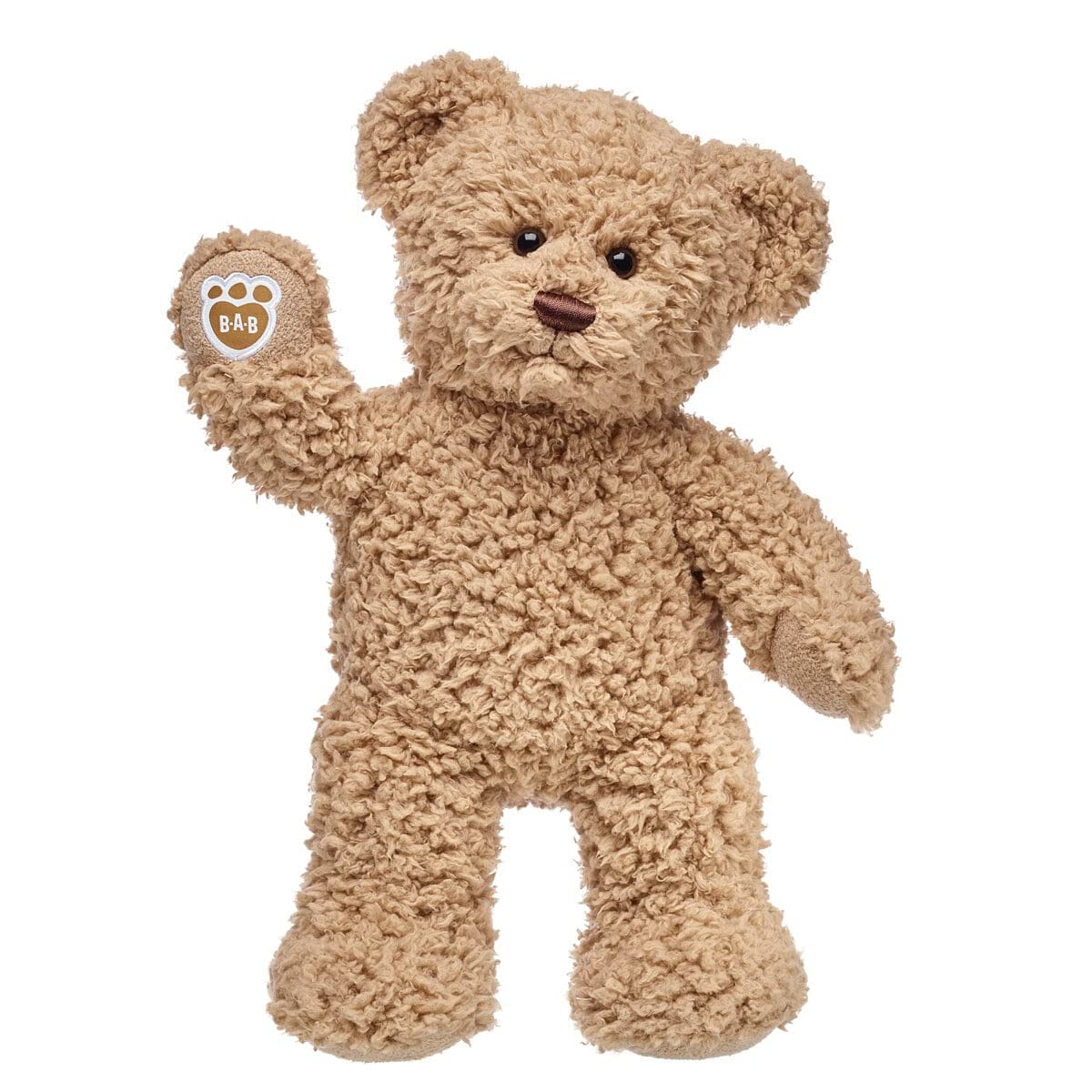
- Standard Collections: Basic bears, bunnies, or dogs typically start in the $14.00 to $22.00 range. These represent the highest value for budget-conscious shoppers. They are often part of the “Lil’ Cub” line or standard seasonal offerings.
- Licensed IP: When you move into the territory of Disney, Marvel, Star Wars, or Pokémon, the base price increases significantly due to licensing fees. These characters generally start at $28.00 and can reach $40.00 or more for the “skin” alone. For example, a standard Pikachu or a high-detail Darth Vader bear commands a premium because the brand must share a portion of the revenue with the IP holder.
Seasonal and Limited-Edition Markups
Build-A-Bear utilizes scarcity and seasonality to drive pricing. Holiday-themed plushies (such as Valentine’s Day bears or Halloween monsters) often carry a $3 to $5 premium over their standard counterparts. Furthermore, “Online Exclusive” or “Collector’s Edition” releases—often featuring higher-quality faux fur or intricate embroidery—can push the base price toward the $50 mark. From a financial perspective, these are marketed as “investment” pieces for collectors, though their secondary market liquidity varies significantly.
The “Hidden” Costs: Customization and Accessories
The core of the Build-A-Bear business model is not the sale of the plush itself, but the high-margin add-ons that occur during the “customization” phase. This is where many consumers experience “sticker shock” at the checkout counter, as small $5 increments quickly compound.
Outfits, Shoes, and Handhelds
Clothing is arguably the most substantial secondary expense. A complete outfit—consisting of a top, bottom, and shoes—can easily double the cost of the bear.
- Individual Pieces: Basic t-shirts or shorts typically retail for $7.00 to $10.00.
- Full Outfits: Licensed costumes (like a Cinderella dress or an Avengers suit) range from $15.00 to $25.00.
- Footwear: Shoes are often an overlooked expense, generally priced between $7.50 and $9.00. While seemingly a minor addition, shoes are a high-margin item for the company and a significant line item for the consumer’s budget.
Sound Chips and Scents
The sensory experience is a key selling point, but it comes at a per-unit cost.
- Scents: Small scent discs (strawberry, bubblegum, lavender) are inserted into the bear during the stuffing process. These typically cost $3.50 to $4.50.
- Sounds: Simple pre-recorded sounds (giggles, barks, or “I love you”) range from $4.00 to $6.00. More complex sounds, such as licensed songs or the “Record Your Voice” chip—which allows for a 10-second personal message—can cost $8.00 to $12.00.
From a personal finance perspective, these “micro-transactions” represent the most volatile part of the budget. It is easy to justify an extra $4 for a scent, but when combined with a sound chip and a pair of shoes, the “hidden” cost of customization can reach $25 before the bear even leaves the stuffing station.
Strategic Saving: How to Lower Your Total Spend
Navigating the financial landscape of Build-A-Bear requires a proactive approach. By leveraging the company’s internal loyalty programs and external market opportunities, savvy consumers can significantly reduce their out-of-pocket expenditure.
The “Pay Your Age” Promotion and Reward Programs
The most famous discount offered by the company is the “Count Your Candles” program. For members of the Build-A-Bear Bonus Club (which is free to join), children can celebrate their birthday month by paying their new age for a specific “Birthday Treat Bear.” If a child is turning three, the bear costs $3.00. This represents a massive discount, often exceeding 80% off the standard retail price.
Additionally, the Bonus Club operates on a points-based system. Usually, for every $100 spent, members receive a $10 reward certificate. For families who visit the store annually, these rewards act as a deferred discount that can be applied to accessories during the next visit.
Gift Card Arbitrage and Seasonal Sales
One of the most effective ways to save is through the secondary gift card market or bulk retailers.
- Wholesale Clubs: Retailers like Costco or Sam’s Club frequently sell Build-A-Bear gift card bundles (e.g., four $25 gift cards for $75.00). This provides an immediate 25% savings on the entire purchase, including tax.
- Seasonal Clearance: Like most retailers, Build-A-Bear clears out inventory after major holidays. Visiting in January or July often reveals “skin” prices discounted by 50% or more, allowing collectors to pick up premium plushies for the price of a basic “Lil’ Cub.”
The Build-A-Bear Business Model: Why the Premium Price Point Works
To understand “how much” a Build-A-Bear costs, one must understand what they are actually buying. In financial terms, the consumer is not just purchasing a commodity (a stuffed animal); they are purchasing a service and an emotional memory.
The Experience Economy vs. Product Value
In a traditional retail model, the price is dictated by the cost of goods sold (COGS) plus a markup. In the “Experience Economy,” the price is dictated by the perceived value of the event. The “Heart Ceremony,” where the child “brings the bear to life,” is a critical part of the value proposition.
Economically, this allows Build-A-Bear to maintain higher price points than competitors like Amazon or Walmart. A parent is willing to pay $35 for a bear that might physically cost $5 to manufacture because the $30 premium covers the retail theater, the staff interaction, and the emotional connection the child forms during the process.
Longevity and Resale Value
From a “Cost Per Use” perspective, Build-A-Bear products often hold their value better than generic plush toys. The company offers a “lifetime repair” policy on many items (stitching repairs), which extends the product’s lifespan. Furthermore, certain licensed or retired bears have a robust secondary market on platforms like eBay and Mercari. While most bears will not appreciate in value, rare collaborations can sometimes be sold for more than their original purchase price, turning a discretionary expense into a minor asset.
Creating a Build-A-Bear Budget for Families
For those planning a visit, the best way to manage the financial impact is to establish a clear budget before entering the store. The environment is designed to encourage impulse buys, making pre-planning essential.
Setting Expectations Before Entering the Store
The “Choice Architecture” of a Build-A-Bear Workshop is designed to lead the consumer through a series of upgrades. To counter this, parents should set “hard caps” on specific categories. For example:
- Total Budget: $40.00 per child.
- The “One Item” Rule: Allow the child to pick the bear, but limit customization to either one sound or one outfit, rather than both.
- The “Bring Your Own” Strategy: Some families save money by purchasing the bear at the store but buying accessories (which are often standardized in size) from third-party sellers online or using pre-owned clothing from previous visits.

Analyzing the Total Cost of Ownership
When calculating the final price, one must also account for sales tax and potential peripheral costs like the “Bear Carrier” cardboard box (which is sometimes a small extra fee or included depending on the promotion).
In summary, the answer to “How much for a Build-A-Bear?” is highly variable. A minimalist approach will cost approximately $15–$20, a standard “full” experience averages $45–$60, and a premium, fully-loaded licensed character can easily exceed $80. By understanding the pricing tiers and utilizing reward programs, consumers can enjoy the experience without compromising their overall financial health.
aViewFromTheCave is a participant in the Amazon Services LLC Associates Program, an affiliate advertising program designed to provide a means for sites to earn advertising fees by advertising and linking to Amazon.com. Amazon, the Amazon logo, AmazonSupply, and the AmazonSupply logo are trademarks of Amazon.com, Inc. or its affiliates. As an Amazon Associate we earn affiliate commissions from qualifying purchases.