
In the landscape of modern entertainment, the question of “how much for AMC movie tickets” is no longer answered by a single, static figure on a marquee. As the largest movie theater chain in the world, AMC Theatres has transitioned into a sophisticated financial model that mirrors the airline and hospitality industries. For the consumer, understanding these costs is not just about checking a price tag; it is about navigating a complex ecosystem of variable pricing, membership ROI, and strategic budgeting.
To understand the current cost of a night at the movies, one must look beyond the base price and analyze the financial levers that determine what you pay, when you pay it, and how to maximize the value of every dollar spent on the “big screen” experience.
Decoding the Pricing Structure of Modern Moviegoing
The cost of an AMC ticket is a moving target, influenced by geography, technology, and timing. In the world of personal finance, this is known as price discrimination—a strategy where a company charges different prices for the same product to maximize revenue based on consumer demand and willingness to pay.
Variable Pricing Based on Format (Standard vs. Premium)
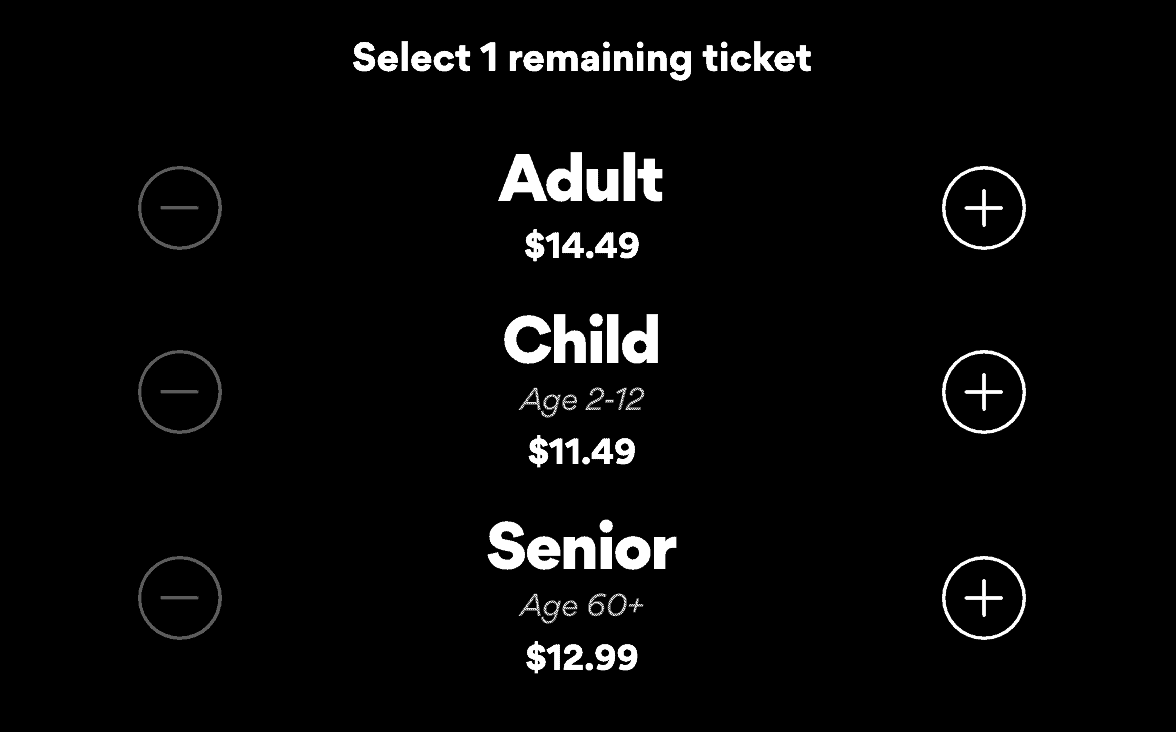
The most significant factor in ticket pricing is the “format” of the screening. A standard digital screening is the baseline, typically ranging from $10.00 to $18.00 depending on the city. However, AMC has invested heavily in Premium Large Format (PLF) experiences, which command a significant surcharge.
- IMAX with Laser: These tickets often carry a $5.00 to $8.00 premium over standard tickets.
- Dolby Cinema: Known for superior sound and high-dynamic-range visuals, Dolby screenings are often the most expensive option, sometimes exceeding $25.00 in major metropolitan markets like New York or Los Angeles.
- RealD 3D: While the 3D craze has stabilized, these tickets still require a surcharge for the technology and the use of specialized eyewear.
From a financial perspective, the consumer must decide if the marginal utility of the enhanced experience justifies the 30% to 50% increase in price.
Geographic and Temporal Factors
Where you live and when you go are the primary drivers of the “base” price. An AMC ticket in a suburban mall in the Midwest will significantly underprice a ticket at the AMC Lincoln Square in Manhattan.
Furthermore, AMC utilizes temporal pricing. Matinee screenings—typically those before 4:00 PM—offer a standardized discount (often 25% to 30% off the evening price). This is a classic supply-and-demand tactic: by lowering prices during work and school hours, the theater attempts to fill seats that would otherwise remain empty, while reserving higher price points for the high-demand “prime time” evening slots.
Maximizing Value: The Financial Logic of Membership Programs
For the frequent moviegoer, the sticker price of a single ticket is a secondary concern. The real financial discussion centers on the AMC Stubs loyalty ecosystem. AMC has tiered its membership to capture different levels of consumer spending, turning moviegoing from a discretionary one-off purchase into a subscription-based model.
AMC Stubs Insider vs. Premiere
The “Insider” tier is free and provides basic benefits like waived convenience fees on Tuesdays and a small rewards-point accumulation. However, the “Premiere” tier, which carries an annual fee (usually around $15.00), is where the “concession math” starts to favor the consumer. Premiere members earn points five times faster than Insiders and have all online booking fees waived. For someone who sees more than four movies a year, the waived convenience fees alone—which usually run $1.50 to $2.00 per ticket—pay for the annual membership.
The ROI of AMC Stubs A-List
The crown jewel of AMC’s financial strategy is the A-List subscription. For a monthly fee ranging from approximately $19.95 to $24.95 (depending on your state), members can see up to three movies per week in any format, including IMAX and Dolby Cinema.

From a personal finance standpoint, the “break-even” point for A-List is remarkably low. If a Dolby Cinema ticket costs $22.00 in your market, seeing just one movie a month nearly covers the subscription. Seeing two movies a month results in a 50% discount per film. For the “super-user” who sees 12 movies a month, the cost per movie drops to roughly $1.66. This shift from a per-unit cost to a flat subscription fee allows households to accurately budget their entertainment expenses without worrying about the fluctuating prices of blockbuster releases.
Budgeting for the Full Theater Experience
When consumers ask about ticket prices, they often overlook the “total cost of attendance.” In the theater industry, the ticket is often a “loss leader” or a low-margin product. The real profit centers—and the real drains on a consumer’s budget—are found at the concession stand and in the digital checkout process.
The “Concession Math” – Why Popcorn Costs So Much
It is a well-known industry secret that movie theaters are essentially snack bars that happen to show movies. Studios typically take 50% to 60% of the box office ticket revenue, leaving the theater with very thin margins. To compensate, concessions are priced at a massive markup—often exceeding 800% for popcorn and soda.
When budgeting for AMC, one must account for the “Combo Effect.” A large popcorn and a large soda can easily add $15.00 to $20.00 to the night’s expenses. For a family of four, the concessions often exceed the cost of the tickets themselves. Financial planning for a movie night requires a conscious decision: are you paying for the film, or are you paying for the “experience” of high-margin snacks?
Convenience Fees and Digital Transaction Costs
In the digital age, the price of the ticket isn’t the final number you see on your credit card statement. Unless you are a high-tier Stubs member, third-party booking platforms (and AMC’s own site) charge convenience fees. While $2.00 may seem negligible, for a group of four, that is an $8.00 surcharge—effectively the price of an extra matinee ticket. For those looking to optimize their spending, purchasing tickets in person at the box office or maintaining a membership that waives these fees is a simple way to reduce the “hidden” costs of moviegoing.
Strategic Saving: How to Lower Your Entertainment Expenses
Despite the rising costs of inflation and premium technology, there are several “loopholes” and strategic windows that allow savvy consumers to see movies at AMC for a fraction of the standard price.
Discount Tuesdays and Matinee Benefits
AMC’s “Discount Tuesdays” is one of the most effective ways to lower the cost of attendance. For Stubs members (even at the free level), tickets are often priced at a flat rate—typically between $5.00 and $7.00. When combined with the $5.00 “Cameo” snack combo available on the same day, a consumer can have the full theater experience for under $15.00, a massive reduction from the $35.00+ it might cost on a Saturday night.
Third-Party Rewards and Gift Card Arbitrage
Another avenue for financial optimization is the use of secondary markets and rewards programs.
- Warehouse Clubs: Stores like Costco or Sam’s Club often sell bundles of AMC gift cards at a 10% to 20% discount.
- Credit Card Rewards: Many credit cards categorize movie theaters under “entertainment,” offering 3% to 5% cash back.
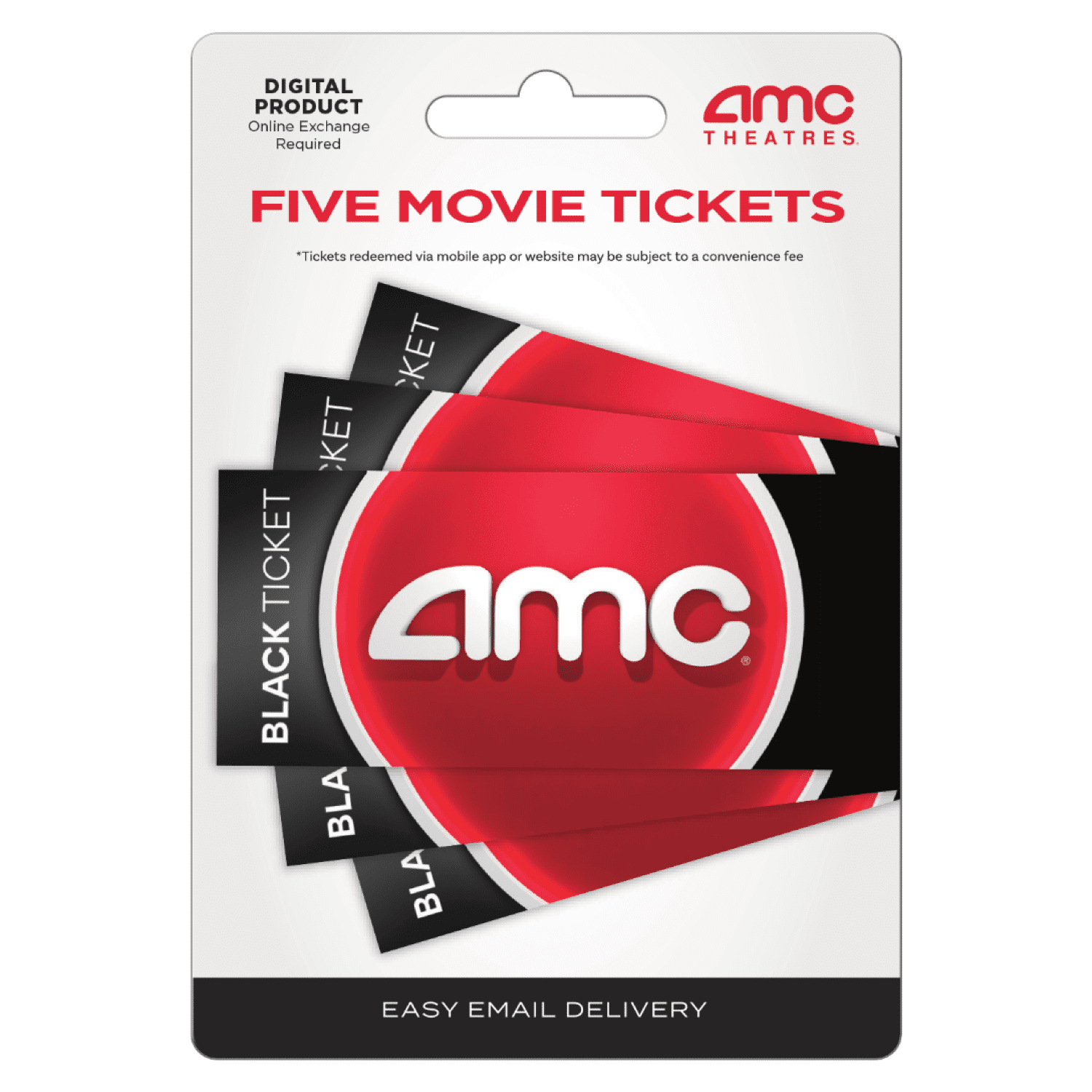
- Employer Perks: Platforms like LifeMart or BenefitHub frequently offer corporate discounts on AMC “Black” or “Yellow” tickets, which are essentially pre-paid vouchers that can be used for any standard screening at a significant discount.
The Future of Entertainment Spending: Dynamic Pricing and Subscriptions
As we look toward the future of the cinema industry, the cost of an AMC ticket is likely to become even more fluid. AMC has already experimented with “Sightline” pricing—charging more for premium seats in the center of the theater and less for seats in the front row. While this specific initiative faced pushback, the trend toward dynamic pricing (similar to Uber or airlines) is inevitable.
For the consumer, this means that the “cost” of a movie ticket is becoming a reflection of your planning skills. Those who book in advance, utilize subscription models, and attend during off-peak hours will continue to enjoy the cinema at a reasonable price point. Conversely, the “on-demand” consumer who walks up to the box office on a Friday night for an IMAX screening will continue to pay a premium.
In conclusion, “how much for AMC movie tickets” is a question with a tiered answer. It ranges from $5.00 on a Tuesday afternoon to $28.00 for a weekend Dolby screening. By understanding the underlying economic drivers—subscription ROI, format surcharges, and the high-margin nature of concessions—you can transform moviegoing from an unpredictable expense into a well-managed part of your monthly entertainment budget. The theater remains a cornerstone of cultural life, and with the right financial strategy, it remains an accessible luxury.
aViewFromTheCave is a participant in the Amazon Services LLC Associates Program, an affiliate advertising program designed to provide a means for sites to earn advertising fees by advertising and linking to Amazon.com. Amazon, the Amazon logo, AmazonSupply, and the AmazonSupply logo are trademarks of Amazon.com, Inc. or its affiliates. As an Amazon Associate we earn affiliate commissions from qualifying purchases.