
The Evolving Price Tag of Cinematic Escapism
The simple query, “how much for a movie ticket,” opens a window into complex economic dynamics, personal finance considerations, and the evolving landscape of entertainment. While seemingly straightforward, the cost of a single movie ticket is influenced by a myriad of factors, reflecting not only the inherent value of the cinematic experience but also broader shifts in consumer behavior, industry economics, and technological advancements. Understanding these components is crucial for both consumers looking to manage their entertainment budget and for those interested in the financial health of the exhibition industry.
A Historical Perspective on Ticket Costs
Tracing the historical trajectory of movie ticket prices reveals a steady upward climb, far outpacing general inflation in certain periods. In the Golden Age of Hollywood, a ticket might have cost a quarter, an accessible price point designed to attract mass audiences during challenging economic times. Fast forward several decades, and the average ticket price has surged significantly. This increase isn’t solely due to inflation; rather, it reflects a confluence of factors including rising production budgets for films, increased operational costs for theaters, investments in new technologies (like digital projection, surround sound, and premium formats), and evolving revenue models. The average ticket price in the United States, for example, has moved from around $2.00 in the 1970s to over $9.00 today, with regional and format variations pushing this figure much higher.
Average Current Prices Across Markets
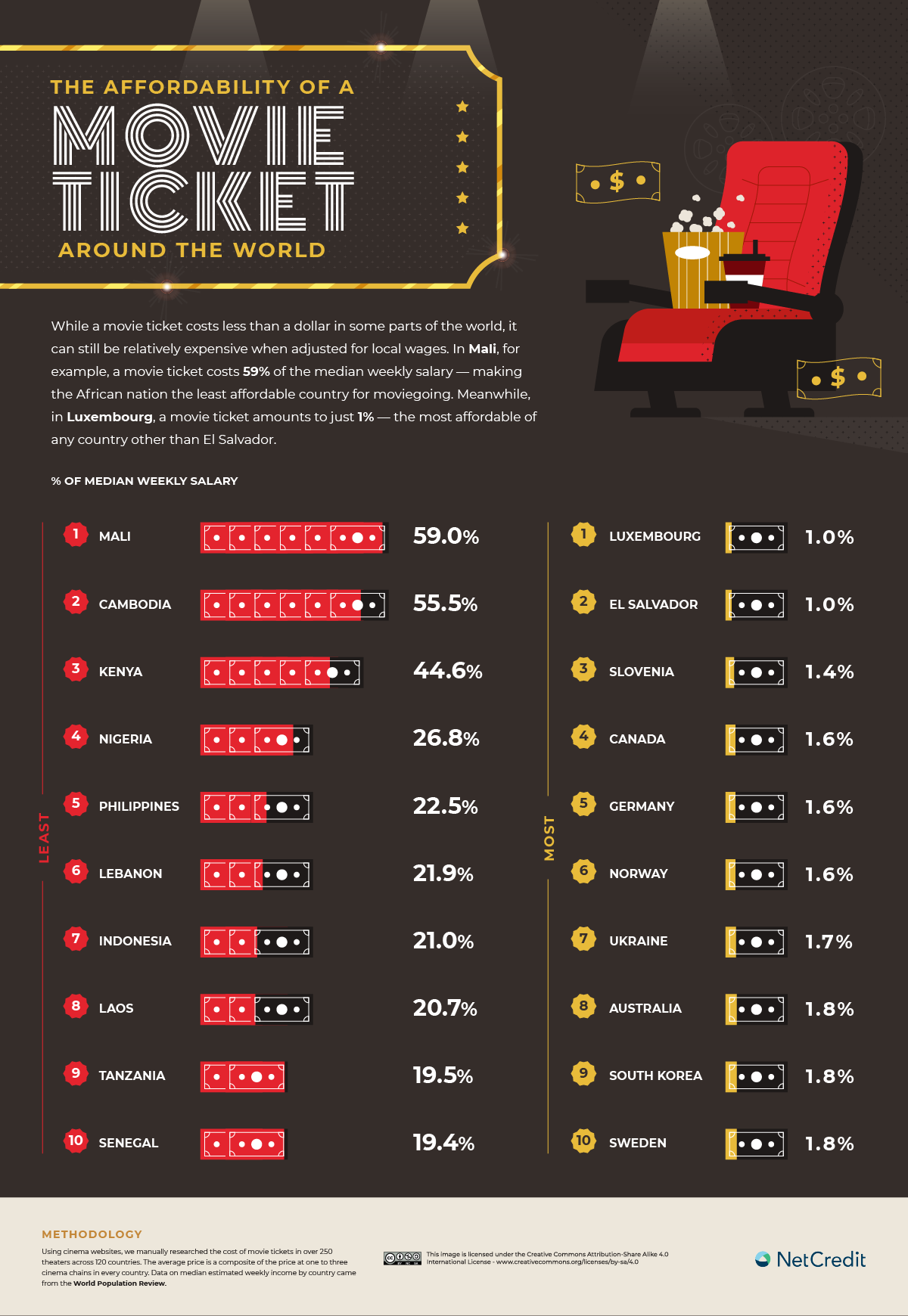
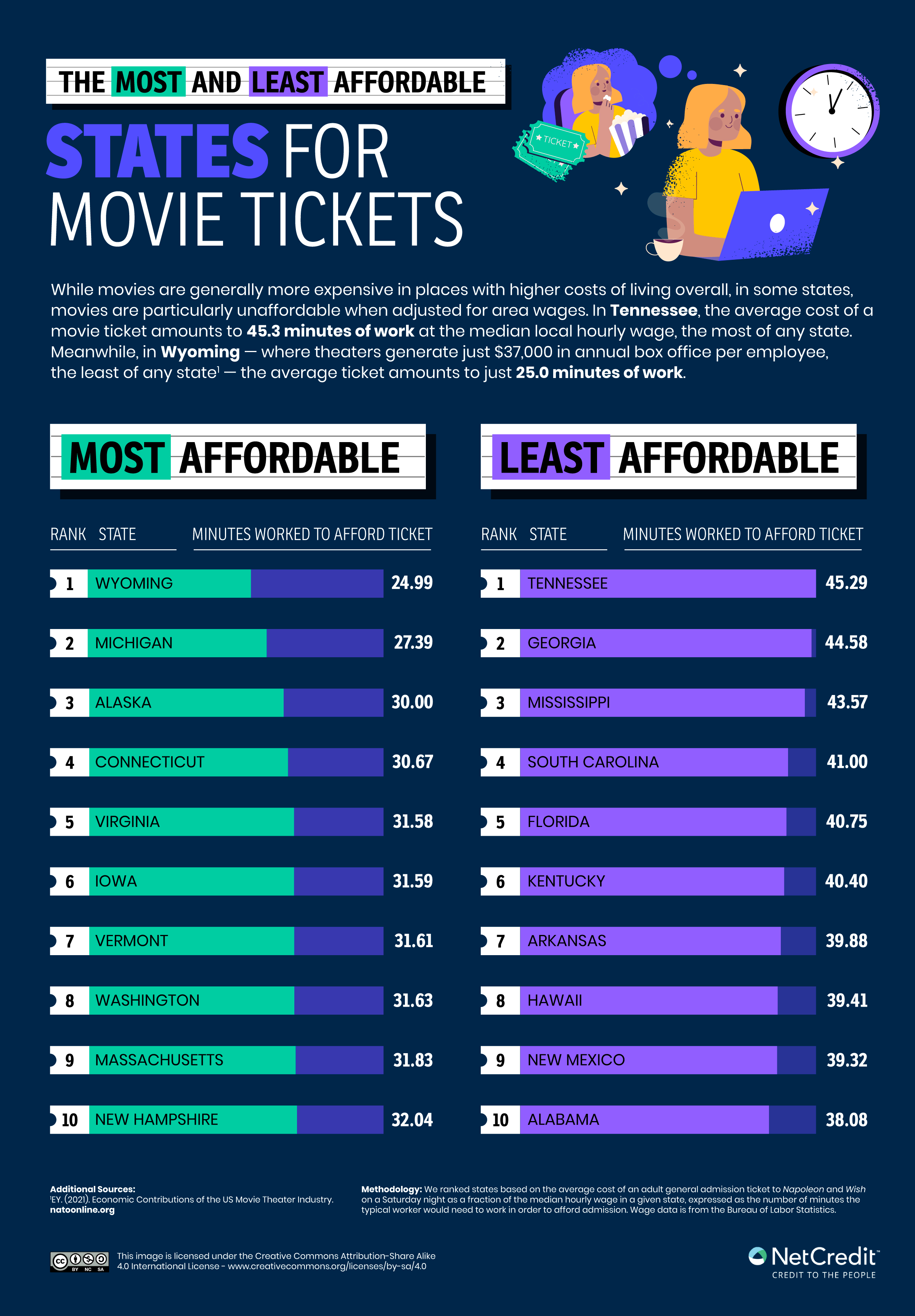
The question of “how much” rarely yields a single, universal answer. Current movie ticket prices exhibit considerable variation based on geographic location, time of day, day of the week, and the specific amenities of the cinema. Major metropolitan areas typically command higher prices due to elevated real estate costs, higher labor expenses, and often a more affluent consumer base willing to pay a premium. Conversely, suburban or rural theaters might offer more budget-friendly options. International markets also present a diverse pricing landscape, influenced by local economic conditions, currency exchange rates, and varying cultural approaches to entertainment spending. Within a single city, a weekday matinee could be significantly cheaper than a Friday night showing of a blockbuster, highlighting dynamic pricing strategies employed by exhibitors.
Factors Driving Price Increases
Several key economic drivers contribute to the upward trend in movie ticket prices. On the film production side, the ever-escalating costs of talent, special effects, and global marketing campaigns for tentpole releases necessitate higher recoupment from box office sales. For exhibitors, significant capital investments are required to maintain state-of-the-art facilities, including comfortable seating, advanced projection and sound systems, and concessions infrastructure. Labor costs, particularly for minimum wage positions, also play a role. Furthermore, the fierce competition from home entertainment options, particularly the proliferation of streaming services, compels theaters to enhance the “out-of-home” experience to justify the price point, often through premium formats and luxurious amenities. This investment, naturally, gets passed on to the consumer.
Beyond the Basic Ticket: Hidden Costs and Upsells
While the advertised ticket price is the most obvious expenditure, a full understanding of the financial commitment involved in a trip to the movies requires looking beyond that initial figure. Cinemas have become adept at generating revenue through various ancillary streams, turning a simple outing into a multi-faceted financial transaction.
Premium Formats and Their Surcharges
The modern cinema experience is no longer a one-size-fits-all proposition. Audiences can choose from a dazzling array of premium formats, each designed to offer an enhanced sensory experience but at a considerable surcharge. IMAX, with its larger screens and immersive sound, commands a premium of several dollars per ticket. 3D screenings, while less prevalent than a decade ago, still add a few dollars to the base price. Dolby Cinema offers superior picture and sound, often coupled with reserved luxury seating, pushing prices even higher. D-Box seats, which move and vibrate in sync with the on-screen action, represent another layer of experiential pricing. For the consumer, these choices mean that the “average” ticket price can quickly become an underestimation of the actual cost if they opt for these enhanced experiences. Understanding the value proposition of each format relative to its added cost is a crucial personal finance decision for moviegoers.
Concessions: The Cinema’s Profit Engine
Perhaps the most significant “hidden cost” of a movie outing lies in the concession stand. Popcorn, soda, and candy are notoriously expensive within a movie theater setting, often sold at markups of 500% or more. This isn’t arbitrary; concessions are widely recognized as the primary profit center for movie theaters. While a theater might earn a relatively small percentage of a blockbuster’s ticket sales (with the bulk going to distributors and studios), they retain nearly all revenue from concessions. For many cinemas, concession sales are what keep the lights on and allow them to offer the theatrical experience at a potentially lower base ticket price than would otherwise be necessary. From a personal finance perspective, a family of four could easily spend more on snacks and drinks than on their tickets, significantly inflating the total cost of their outing. Budgeting for concessions, or deciding to forgo them, is a key strategy for managing entertainment expenses.
Online Fees and Convenience Charges
In an increasingly digital world, purchasing movie tickets online or via mobile apps has become the norm. While convenient, this often comes with an additional cost: online booking fees or convenience charges. These small surcharges, typically $1-$2 per ticket, might seem negligible individually but can add up for groups or frequent moviegoers. For the cinema or ticketing platform, these fees cover the operational costs of maintaining online infrastructure, payment processing, and digital security. For the consumer, it’s an extra line item to consider when calculating the total expense, prompting a decision between the convenience of pre-purchasing and the small saving of buying at the box office.
Strategic Spending: Maximizing Your Movie Budget
Navigating the diverse pricing landscape of movie tickets requires smart financial planning. For those who enjoy the big screen experience but also want to be fiscally responsible, several strategies can help maximize value and minimize expenditure.
Matinee Showings and Off-Peak Discounts
One of the simplest and most effective ways to save money on movie tickets is to opt for matinee showings or visit during off-peak hours. Typically, screenings before 4 or 5 PM on weekdays or even early weekend showings are priced significantly lower than evening prime-time slots. Many theaters also offer discounted pricing on specific days, often Tuesday or Wednesday, to attract audiences during traditionally slower periods. By adjusting one’s schedule, a moviegoer can enjoy the same cinematic experience for a fraction of the cost, freeing up funds for other discretionary spending or savings.
Loyalty Programs and Subscription Services
For frequent moviegoers, loyalty programs and subscription services offered by major cinema chains can offer substantial savings over time. Programs like AMC Stubs A-List, Regal Unlimited, or Cinemark Movie Club provide members with a set number of free tickets per month (or unlimited access to standard showings) for a recurring monthly fee, along with discounts on concessions and other perks. While these require an initial financial commitment, they represent a strong value proposition for individuals or families who see multiple movies annually. A careful cost-benefit analysis, comparing the monthly fee against the number of movies typically seen and potential concession savings, is essential to determine if such a subscription aligns with one’s personal finance goals.
Student, Senior, and Military Discounts
Many theaters recognize the importance of catering to specific demographic groups by offering targeted discounts. Students, seniors, and active military personnel or veterans can often avail themselves of reduced ticket prices upon presenting valid identification. These discounts are not always widely advertised, so it pays to inquire at the box office or check the theater’s website. For eligible individuals, leveraging these savings can significantly reduce the overall entertainment budget, allowing for more frequent visits or greater flexibility in other spending categories.
Leveraging Credit Card Rewards and Gift Cards
Savvy consumers can also utilize financial tools to reduce movie expenses. Some credit cards offer bonus rewards points or cashback on entertainment purchases, effectively providing a small discount on tickets. Accumulating and redeeming these rewards for movie outings can be a smart way to offset costs. Additionally, purchasing movie theater gift cards at a discount through various retailers or loyalty programs (e.g., grocery store fuel points) can provide immediate savings. These strategies, while perhaps incremental, contribute to a holistic approach to managing discretionary spending within a personal finance framework.
The Economic Impact on Cinema Operators
The question of “how much for a movie ticket” is not just about consumer outlay; it’s a critical component of the business finance model for cinema operators. Ticket pricing strategies are meticulously crafted to ensure profitability in a challenging and competitive entertainment landscape.
Balancing Revenue Streams
Cinema operators must skillfully balance multiple revenue streams to sustain their businesses. While ticket sales are foundational, they represent a complex negotiation between studio demands (which take a significant cut, especially for major blockbusters) and the need for the theater to cover its operating costs. As previously noted, concessions are a high-margin business and often contribute disproportionately to net profits. Beyond these, advertising (pre-show commercials, lobby displays), event rentals, and even revenue-sharing agreements with arcades or other attractions within the multiplex contribute to the overall financial health of the business. The price of a movie ticket is thus part of a larger, interconnected financial ecosystem that aims to maximize total revenue while attracting a sufficient volume of patrons.
The Thin Margins of Exhibition
Despite the seemingly high price of tickets and concessions, the exhibition industry often operates on surprisingly thin margins. Operating a modern cinema involves substantial fixed costs: rent or mortgage for prime real estate, utility bills for massive auditoriums, insurance, maintenance of complex projection and sound equipment, and significant labor costs for staff ranging from ushers to managers. Furthermore, the variability of film performance means that a string of underperforming movies can severely impact quarterly earnings, as fixed costs remain constant regardless of attendance. This financial reality explains why theaters are so reliant on strong concession sales and why ticket prices must reflect not just the “show” itself but the entire operational apparatus.
Responding to Market Dynamics
Cinema pricing is not static; it is highly responsive to market dynamics. The rise of streaming services, offering convenience and a vast library of content at home, has put immense pressure on theaters to justify their higher price point with an unparalleled out-of-home experience. This has led to strategic investments in luxury seating, premium formats, and enhanced food and beverage options. Pricing also fluctuates based on demand: higher for opening weekends of major blockbusters, lower for older films or less popular releases. During economic downturns, theaters might adjust pricing or offer more discounts to maintain attendance, demonstrating their adaptability to broader financial conditions and consumer spending habits.
Is the Price Right? Value Perception and Consumer Behavior
Ultimately, the perceived value of a movie ticket is subjective and deeply intertwined with individual financial priorities and lifestyle choices. Understanding this perception is vital for both consumers budgeting for entertainment and for the industry striving to remain relevant.
The Streaming Dilemma
The advent and ubiquity of streaming services have fundamentally altered how consumers evaluate the cost of a movie ticket. For a monthly subscription fee, an entire household can access an extensive library of films and television shows, often including recent releases that would have previously gone straight to theaters. This creates a direct comparison: is a single theatrical experience, even with its superior technical presentation and communal atmosphere, worth the equivalent of several months of a streaming service subscription? For many, especially families, the convenience and cost-effectiveness of home viewing can often tip the scales, making the price of a movie ticket feel less justifiable than it once was.
Experiential Value vs. Commodity Pricing
Despite the streaming challenge, the cinema industry banks on the “experiential value” of going to the movies. It’s not just about watching a film; it’s about the anticipation, the shared laughter or tears in a darkened room, the escape from daily life, and the sheer scale of the big screen and booming sound. For certain blockbusters, event films, or simply for a social outing, consumers are often willing to pay a premium for this experience, viewing it as more than just a commodity. This willingness to pay for an enhanced experience is critical for theaters trying to differentiate themselves from in-home viewing options, especially with high-end formats and amenities.

Budgeting for Entertainment
For individuals and families managing their personal finances, budgeting for entertainment requires careful consideration of movie tickets alongside other discretionary spending. Whether it’s a date night, a family outing, or a solo escape, understanding the full cost – tickets, concessions, potential booking fees – and integrating it into a monthly or annual budget is crucial. Leveraging discounts, loyalty programs, and off-peak times can make the cinematic experience more financially accessible. Ultimately, the question “how much for a movie ticket” leads to a broader discussion about prioritizing entertainment spending within a balanced financial plan, reflecting both individual preferences and the evolving economic realities of a beloved pastime.
aViewFromTheCave is a participant in the Amazon Services LLC Associates Program, an affiliate advertising program designed to provide a means for sites to earn advertising fees by advertising and linking to Amazon.com. Amazon, the Amazon logo, AmazonSupply, and the AmazonSupply logo are trademarks of Amazon.com, Inc. or its affiliates. As an Amazon Associate we earn affiliate commissions from qualifying purchases.