
Planning a seven-day cruise is no longer just a matter of picking a destination and packing a suitcase; it is a complex exercise in personal finance and strategic budgeting. In the current economic climate, the “sticker price” of a cruise is rarely the final amount that hits your bank statement. To accurately answer the question of how much a week-long voyage costs, one must look past the flashy advertisements and dissect the layers of base fares, mandatory fees, variable onboard expenses, and the opportunity costs associated with different booking strategies.
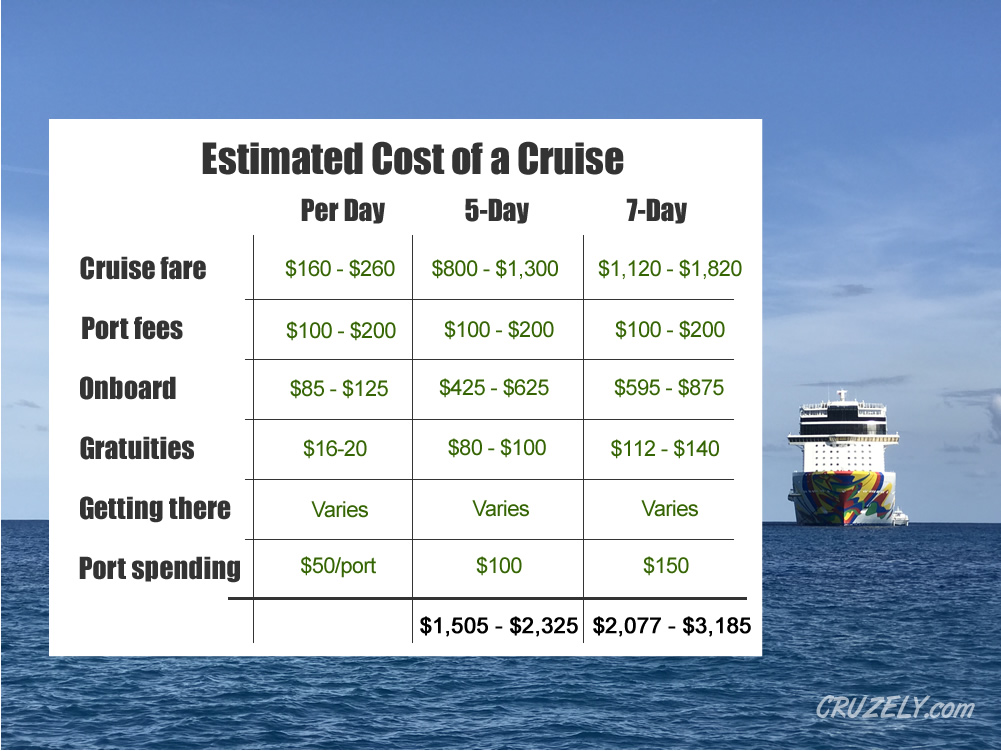
For a standard seven-day itinerary, a traveler can expect to spend anywhere from $700 to $5,000 per person, depending on the level of luxury, the time of year, and the specific cruise line. Understanding where this money goes—and how to optimize the expenditure—is essential for any fiscally responsible traveler looking to maximize their return on investment (ROI) in the form of leisure and experience.
The Anatomy of the Base Fare: What Your Deposit Actually Covers
The first step in financial planning for a cruise is understanding the base fare. This is the amount traditionally advertised on travel websites. In the industry, this is often referred to as the “lead-in” price. While this covers your accommodation, transportation between ports, and basic meals in the buffet and main dining room, it represents only the foundation of the total financial commitment.
Budget vs. Premium vs. Luxury Tiers
The market is divided into three distinct financial categories. Budget lines, such as Carnival or MSC, often offer seven-day sailings for as low as $500 to $800 per person for an interior cabin. These lines utilize a high-volume, low-margin business model where the base fare is intentionally kept low to attract travelers, with the expectation that significant revenue will be generated through onboard spending.
Premium lines, such as Celebrity, Virgin Voyages, or Holland America, typically range from $1,200 to $2,500 for a seven-day trip. These lines often include more “perks” in the base price, such as Wi-Fi or basic beverage packages, which can simplify the budgeting process. Finally, ultra-luxury lines like Silversea or Regent Seven Seas can exceed $5,000 to $10,000 per person. While the initial outlay is high, these are frequently “all-inclusive,” meaning the variance between the initial quote and the final bill is minimal.
Taxes, Fees, and Port Expenses
A common pitfall in cruise budgeting is overlooking government taxes and port fees. These are non-negotiable charges levied by the ports of call and are added to the base fare. For a seven-day Caribbean cruise, these fees typically range from $150 to $250 per person. When calculating the cost for a family of four, this “hidden” fee can add an unexpected $1,000 to the total bill. From a financial management perspective, it is vital to ensure that any price comparison between cruise lines is done on a “taxes-included” basis to avoid skewed data.
The Secondary Economy: Onboard Spending and Hidden Costs
Once the ship departs, the secondary economy of the cruise ship takes over. This is where many travelers experience “budget creep,” where small, daily expenditures accumulate into a significant financial burden by the end of the week.
The Gratuity Factor
Most major cruise lines automatically add a daily service charge or gratuity to the passenger’s account. This usually ranges from $16 to $20 per person, per day. For a seven-day cruise, this adds roughly $112 to $140 per person to the final bill. While some lines allow you to prepay these fees, they are a mandatory part of the financial outlay for most travelers and should be factored into the initial budget rather than treated as a surprise expense at the end of the voyage.
Beverage Packages and Specialty Dining
The “all-you-can-eat” nature of cruising is a primary selling point, but the “all-you-can-drink” aspect is a major profit center for cruise lines. Alcohol packages for a seven-day cruise can cost between $60 and $100 per day, per person, often with a mandatory 18-20% service charge added on top.
To determine the financial viability of a drink package, a traveler must perform a simple break-even analysis. If the average cocktail costs $14, a passenger must consume at least five to seven drinks per day to justify the package cost. For many, paying a la carte results in a lower total expenditure. Similarly, specialty dining—upscale restaurants on board that require a cover charge—can add $40 to $100 per meal, per person.
Connectivity and Shore Excursions
In the modern era, digital connectivity is often a necessity rather than a luxury. However, satellite Wi-Fi is one of the highest-margin products sold on ships. Expect to pay between $20 and $35 per day for a single device. Over seven days, this adds nearly $250 to the cost for a single user.
Furthermore, the cost of shore excursions can vary wildly. While a simple beach transfer might cost $50, a helicopter tour or a private guided expedition can cost upwards of $500. Without a pre-allocated “excursion fund,” these costs can easily double the price of the cruise. A disciplined approach involves researching third-party excursion providers, which often offer the same experiences as the cruise line at a 20% to 30% discount.

Strategic Financial Planning and Value Maximization
To minimize the cost of a seven-day cruise, one must apply the principles of market timing and capital allocation. The price of a cruise is not static; it fluctuates based on supply, demand, and the proximity to the sailing date.
The Timing of the Purchase
There are two primary schools of thought for cruise booking: the “Early Bird” and the “Last Minute” strategies. Booking 12 to 18 months in advance often secures the lowest possible base fare and the best cabin selection. Most cruise lines allow for price adjustments if the fare drops before the final payment date, providing a form of price protection for the consumer.
Conversely, the “Last Minute” strategy involves booking within 30 to 60 days of departure. When ships have unsold inventory, cruise lines aggressively slash prices to ensure the vessel sails at full capacity. While this can result in savings of 40% or more, it requires high flexibility regarding cabin type and travel dates, and often necessitates higher costs for last-minute airfare, which can negate the cruise savings.
Utilizing Sinking Funds and Travel Rewards
From a personal finance standpoint, a cruise should be funded through a “sinking fund”—a dedicated savings account where small amounts are set aside monthly leading up to the trip. This avoids the use of high-interest credit card debt to fund a depreciating asset (the vacation experience).
Additionally, strategic use of credit card rewards can significantly offset costs. Co-branded cruise credit cards offer points that can be redeemed for onboard credit or fare discounts, but general travel cards (such as those offering flexible points) often provide better ROI. By using these points for the “positioning costs”—the flights and hotels required to reach the cruise port—a traveler can reduce the total cash outlay for the trip by 30% or more.
Risk Management: The Financial Role of Travel Insurance
No financial analysis of a seven-day cruise is complete without addressing risk management. Cruises involve significant non-refundable prepayments. If an emergency prevents travel or a medical issue occurs while at sea, the financial loss can be devastating.
Why Insurance is a Financial Necessity
Standard health insurance policies, including Medicare, rarely provide comprehensive coverage outside of one’s home country or in international waters. A medical evacuation from a ship can cost upwards of $50,000. Travel insurance, which typically costs 5% to 10% of the total trip cost, acts as a hedge against this catastrophic risk.
Beyond medical emergencies, insurance covers trip cancellations and delays. In a world of volatile airline schedules and unpredictable weather, the small premium paid for insurance is a rational cost to protect a multi-thousand-dollar investment. When calculating “how much” a cruise costs, the insurance premium should be viewed as a fixed cost rather than an optional add-on.

The Bottom Line: Calculating the Total Cost of Ownership
To arrive at a final figure for a seven-day cruise, one must aggregate all the aforementioned variables. For a mid-range experience for two people on a standard balcony cabin, the budget breakdown often looks like this:
-
Base Fare & Taxes: $2,800
-
Gratuities: $250
-
Onboard Spending (Drinks/Dining/Wi-Fi): $800
-
Shore Excursions: $600
-
Travel Insurance: $250
-
Positioning Costs (Flights/Pre-cruise Hotel): $1,200
Total Financial Commitment: $5,900
While the advertised price might have been “$999 per person,” the reality of a comfortable, well-planned voyage is closer to $3,000 per person. By understanding these financial mechanics, travelers can move from “guessing” the cost to “engineering” a vacation that fits within their broader financial goals. Whether through early booking, disciplined onboard spending, or the use of travel rewards, the cost of a seven-day cruise is a controllable variable for the savvy financier.
aViewFromTheCave is a participant in the Amazon Services LLC Associates Program, an affiliate advertising program designed to provide a means for sites to earn advertising fees by advertising and linking to Amazon.com. Amazon, the Amazon logo, AmazonSupply, and the AmazonSupply logo are trademarks of Amazon.com, Inc. or its affiliates. As an Amazon Associate we earn affiliate commissions from qualifying purchases.