
Navigating tax season can be a daunting task, and for many, the allure of professional assistance is strong. TurboTax Full Service presents a compelling option, promising to handle the entire tax preparation and filing process through a dedicated tax expert. Understanding the financial commitment for such a comprehensive service is crucial for individuals and businesses weighing their options in personal finance management. The cost of TurboTax Full Service is not a single, fixed number; it varies significantly based on individual tax situations, the complexity of one’s financial landscape, and the timing of the purchase.
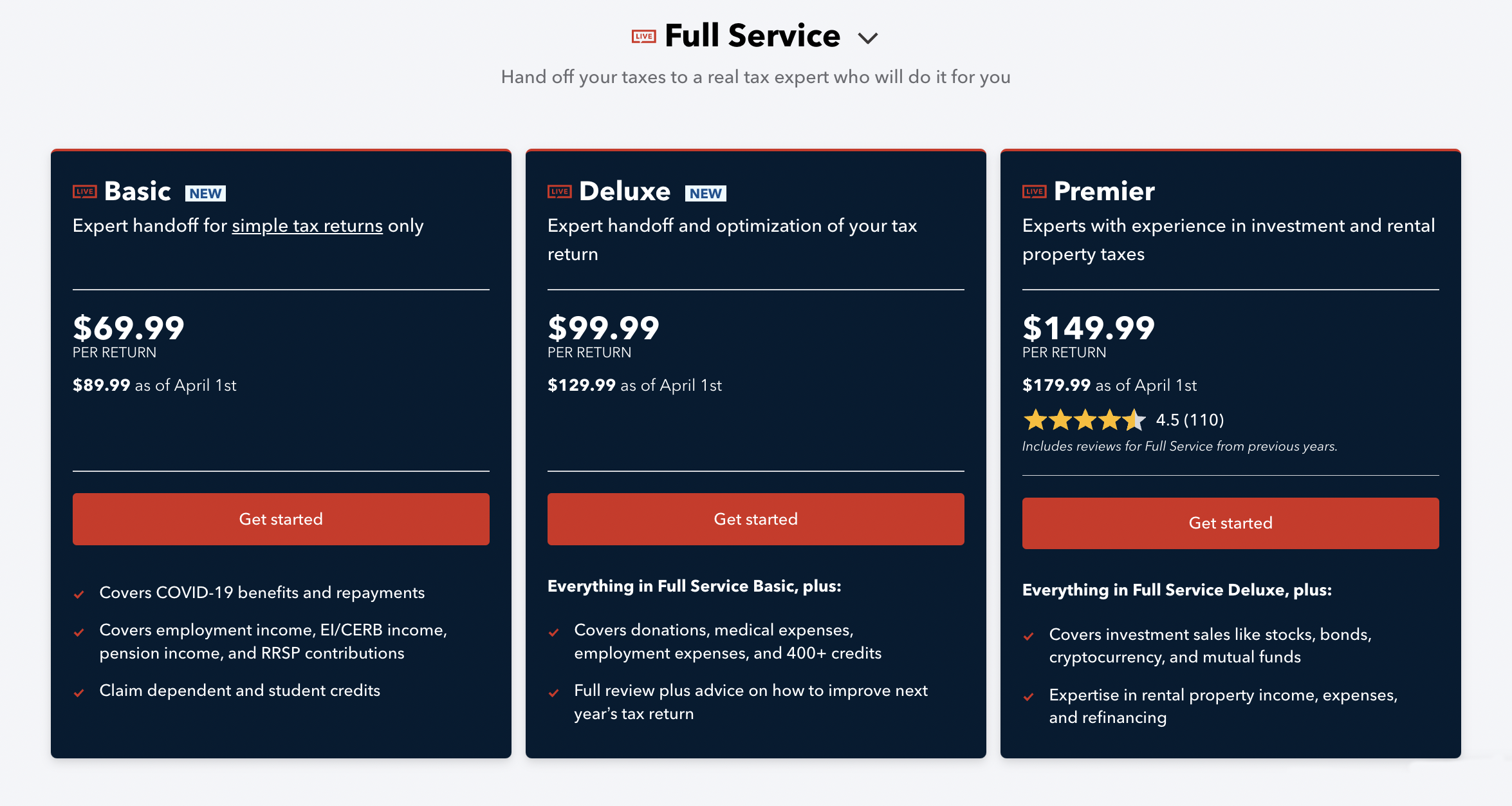
Navigating the Premium Tier of Tax Preparation
TurboTax Full Service stands as a premium offering within Intuit’s suite of tax solutions, designed to alleviate the stress and time commitment associated with tax filing. It represents a significant departure from the do-it-yourself (DIY) models that TurboTax is traditionally known for, providing a hands-off approach for the taxpayer while ensuring professional accuracy.
What TurboTax Full Service Entails
At its core, TurboTax Full Service provides a complete end-to-end tax preparation and filing experience orchestrated by a human tax expert. Upon opting for this service, taxpayers are matched with a credentialed tax professional—an Enrolled Agent (EA) or Certified Public Accountant (CPA)—who takes on the responsibility of preparing and filing their federal and state tax returns. The process typically involves uploading all relevant tax documents through a secure online portal, followed by direct communication with the assigned expert. This expert reviews the provided information, prepares the returns, identifies applicable deductions and credits, and ultimately files on the taxpayer’s behalf, seeking their approval before submission. This level of service aims to blend the convenience of online platforms with the precision and personalized attention of a traditional tax preparer. It effectively removes the burden of understanding complex tax codes, inputting data, and double-checking calculations from the taxpayer’s shoulders, offering a streamlined path to compliance.
Who Benefits Most from This Offering
The premium nature and associated cost of TurboTax Full Service make it particularly appealing to specific segments of the taxpaying population. Individuals with intricate financial situations, such as those who are self-employed, own businesses, manage rental properties, or have significant investment portfolios, often find immense value in this service. The complexities introduced by Schedules C, E, and K-1, as well as capital gains and losses, can be overwhelming for the average taxpayer. An expert can navigate these forms efficiently, potentially uncovering overlooked deductions or credits that a DIY approach might miss.
Furthermore, busy professionals and individuals with limited time appreciate the convenience of outsourcing their tax preparation entirely. The time saved from gathering documents, understanding instructions, and inputting data can be redirected towards other personal or professional priorities. Those seeking peace of mind, knowing their taxes are handled by a qualified professional, also find this service invaluable. It reduces the anxiety of making errors, facing audits, or missing out on potential tax savings, ultimately offering a high degree of confidence in the accuracy and optimization of their tax returns. For individuals who have experienced life changes—such as marriage, divorce, new dependents, or significant asset purchases—that impact their tax situation, the expert guidance can be particularly beneficial in ensuring all new parameters are correctly accounted for.
Dissecting the Financial Structure of Full Service
The cost of TurboTax Full Service is not static; it is a dynamic figure influenced by several factors, primarily the complexity of the taxpayer’s financial situation. Understanding these variables is key to anticipating the potential expenditure.
The Base Price and Its Influencers
While TurboTax does not typically publish a single “base price” for Full Service in the same way it does for its DIY software tiers, the pricing model generally begins with a foundational cost for federal filing, which then escalates based on the intricacy of the tax return. For a relatively simple tax situation, where an individual might only have W-2 income and standard deductions, the cost could be at the lower end of the spectrum, potentially starting in the range of a few hundred dollars.
However, the price quickly increases with the introduction of various income sources, deductions, and credits. Key influencers include:
- Self-Employment Income: Filing Schedule C for business income and expenses significantly adds to complexity and, consequently, cost.
- Investment Income: Capital gains/losses from stocks, bonds, or mutual funds, and dividend income, require detailed reporting.
- Rental Property Income: Managing a rental property involves specific deductions and income reporting on Schedule E.
- Itemized Deductions: While standard deductions simplify tax filing, itemizing deductions (e.g., medical expenses, mortgage interest, state and local taxes, charitable contributions) requires more detailed documentation and calculation.
- Other Complex Scenarios: International income, foreign tax credits, complex trust income, or significant asset sales can all drive up the final price due to the specialized expertise and additional forms required. Each additional form or complex scenario translates into more time and specialized knowledge required from the tax expert, which is reflected in the service fee.
Additional State Filing Fees and Potential Add-ons
Beyond the federal return, state tax filings represent an additional cost. Most states require separate tax returns, and the complexity of these can also vary. While some states have simpler tax codes, others might mirror federal complexity, leading to higher state filing fees. These state fees are typically charged per state filed and are added to the federal service cost.
Furthermore, taxpayers might encounter options for additional services that can impact the total expenditure. For instance, TurboTax often offers an “Audit Defense” service, which provides assistance if the IRS or state tax authorities audit your return. While this provides an extra layer of security, it comes at an additional charge. Another potential add-on could be for filing prior-year returns or amended returns, which fall outside the scope of current-year preparation and therefore incur separate fees. It’s crucial for users to review all proposed services and add-ons before finalizing their purchase to ensure they only pay for what they truly need.
Understanding Tiered Complexity Pricing
Although Full Service itself is a premium offering, its pricing within that premium tier often implicitly reflects the underlying complexity levels mirrored in TurboTax’s DIY software versions (e.g., Basic, Deluxe, Premier, Self-Employed). While you don’t choose a “tier” for Full Service, the tax expert’s assessment of your financial situation will naturally categorize it into one of these complexity levels for pricing purposes.
- Simple Returns: Generally for W-2 income, standard deductions, and basic credits. This will be the least expensive.
- Moderate Complexity (e.g., Deluxe-equivalent): Includes itemized deductions, child tax credits, education credits, or significant deductions.
- Higher Complexity (e.g., Premier-equivalent): Involves investments (stocks, bonds, mutual funds), rental property income, or other specialized income sources.
- Maximum Complexity (e.g., Self-Employed-equivalent): Designed for freelancers, independent contractors, small business owners (Schedule C filers), and those with significant business expenses. This category represents the highest cost due to the detailed income and expense tracking, potential for quarterly payments, and specific business deductions.

The specific amount charged for each “tier” within Full Service is dynamically quoted by the expert based on the documents provided, ensuring a customized price rather than a one-size-fits-all approach. This ensures that taxpayers with simpler needs are not overcharged, while those with highly complex situations receive the necessary expert attention.
The Value Proposition: Justifying the Investment
For many, the decision to opt for a premium service like TurboTax Full Service boils down to a thorough cost-benefit analysis. The expenditure, while higher than DIY alternatives, is often justified by the substantial benefits it provides.
Time Savings and Enhanced Convenience
One of the most immediate and tangible benefits of TurboTax Full Service is the significant time savings it offers. Taxpayers are freed from the hours typically spent gathering documents, understanding intricate tax instructions, inputting data into software, and meticulously reviewing their returns. Instead, they simply upload their documents and communicate with their expert, allowing them to redirect their valuable time towards personal pursuits, family, or work. The convenience of having a professional manage the entire process, coupled with the ability to interact remotely, transforms tax season from a dreaded chore into a streamlined, low-effort task. This convenience alone can be a major financial advantage for individuals whose time is extremely valuable.
The Assurance of Accuracy and Expert Review
Perhaps the most compelling aspect of TurboTax Full Service is the peace of mind derived from having a credentialed tax professional prepare and review your returns. Errors in tax filing, whether accidental or due to misunderstanding complex regulations, can lead to costly penalties, interest charges, or even an audit. An experienced EA or CPA is trained to navigate the nuances of the tax code, ensuring that all information is accurately reported and that the return is compliant with the latest IRS and state regulations. This expert review minimizes the risk of mistakes, providing taxpayers with confidence that their financial obligations are met correctly and efficiently. For those who fear audits or simply want assurance that their taxes are filed perfectly, this accuracy is a significant benefit.
Maximizing Financial Outcomes
Beyond mere compliance, a key objective of professional tax preparation is to optimize the taxpayer’s financial outcome. A dedicated tax expert possesses the knowledge to identify all eligible deductions and credits that a taxpayer might otherwise overlook using a DIY approach. This could include niche deductions specific to certain professions, credits for energy-efficient home improvements, or complex business write-offs. By meticulously reviewing financial data, the expert strives to maximize legitimate tax savings, which could result in a larger refund or a lower tax liability. Over time, these optimized returns can lead to substantial financial benefits, potentially offsetting a significant portion, or even all, of the service fee. The financial return on investment from expert guidance can be a powerful justification for the premium cost.
Strategic Approaches to Managing Your Full Service Spend
While TurboTax Full Service offers unparalleled convenience and expertise, there are several strategies taxpayers can employ to manage and potentially reduce the associated costs. Savvy financial planning and timely action can lead to significant savings.
Capitalizing on Early Bird and Promotional Offers
Like many financial services, TurboTax often offers early bird discounts and promotional pricing for its Full Service option. These typically become available early in the tax season, often starting in December or January, and may extend into February. By committing to the service earlier, taxpayers can often secure a lower rate than those who wait until closer to the April filing deadline. It’s advisable to monitor the TurboTax website and subscribe to their newsletters for announcements regarding these time-sensitive promotions. Employers may also partner with TurboTax to offer discounts or even cover the cost of tax preparation as part of an employee benefits package, so it’s worth checking with human resources departments. Utilizing these promotional periods can represent a direct saving on the overall fee.
Cost-Benefit Analysis: Full Service vs. DIY vs. Traditional Accountant
Before committing to Full Service, a comprehensive cost-benefit analysis comparing it with other tax preparation methods is essential.
- Do-It-Yourself (DIY): This is typically the least expensive option, only requiring the purchase of TurboTax software or using free versions for simple returns. However, it demands a significant investment of time and carries the risk of errors or missed deductions, which could translate into higher taxes or penalties. If your tax situation is simple, the financial savings of DIY might outweigh the effort.
- Traditional Accountant/CPA: Local CPAs or accounting firms offer highly personalized service, often including year-round financial advice and in-depth consultations. Their fees can range widely, from a few hundred dollars for simple returns to thousands for complex business filings. TurboTax Full Service generally falls in a competitive middle ground, offering professional expertise and personalized guidance at a potentially lower price point than many independent CPAs, especially for complex but not extremely unique situations. The convenience of the online platform can also surpass traditional in-person appointments.
The decision hinges on the complexity of your taxes, your comfort level with financial management, the value you place on your time, and the extent of personalized advice you require. For those who need expert preparation but prefer an efficient, digitally-driven process without the higher overhead of a full-service accounting firm, TurboTax Full Service presents a financially sound compromise.

Preparing for a Smooth and Cost-Efficient Process
To ensure the most efficient and potentially cost-effective experience with TurboTax Full Service, proactive preparation is key. Before engaging with an expert, gather all necessary financial documents meticulously. This includes W-2s, 1099s (for investments, freelance income, interest), K-1s, receipts for itemized deductions, records of charitable contributions, mortgage interest statements, property tax records, and any other relevant financial statements. Organizing these documents clearly and completely minimizes the time the tax expert needs to spend sifting through information, which can prevent potential delays and additional charges for extensive document processing.
Being transparent and thorough in your initial submission helps the expert quickly assess the scope of work and provide an accurate quote. Any unforeseen complexities or missing information discovered late in the process could lead to adjustments in the final fee. By streamlining the information-gathering phase, taxpayers not only facilitate a quicker turnaround for their returns but also help manage the overall cost of the premium service, ensuring they receive maximum value for their financial investment.
aViewFromTheCave is a participant in the Amazon Services LLC Associates Program, an affiliate advertising program designed to provide a means for sites to earn advertising fees by advertising and linking to Amazon.com. Amazon, the Amazon logo, AmazonSupply, and the AmazonSupply logo are trademarks of Amazon.com, Inc. or its affiliates. As an Amazon Associate we earn affiliate commissions from qualifying purchases.