
Navigating the complexities of the tax season is a perennial challenge for taxpayers, ranging from the individual filer with a single W-2 to the complex entrepreneur managing multiple revenue streams. In the landscape of personal finance, few tools are as ubiquitous as TurboTax. However, for many users, the primary question isn’t just “Can this tool help me?” but rather, “How much does TurboTax charge, and is it worth the investment?”
As a cornerstone of financial planning and compliance, the cost of tax preparation software is more than a simple transaction; it is a strategic decision that affects your net refund and your overall financial health. Understanding the tiered pricing structure of TurboTax is essential for any savvy consumer looking to balance the cost of professional-grade software against the potential for maximized tax savings.
The Tiered Architecture of TurboTax Pricing
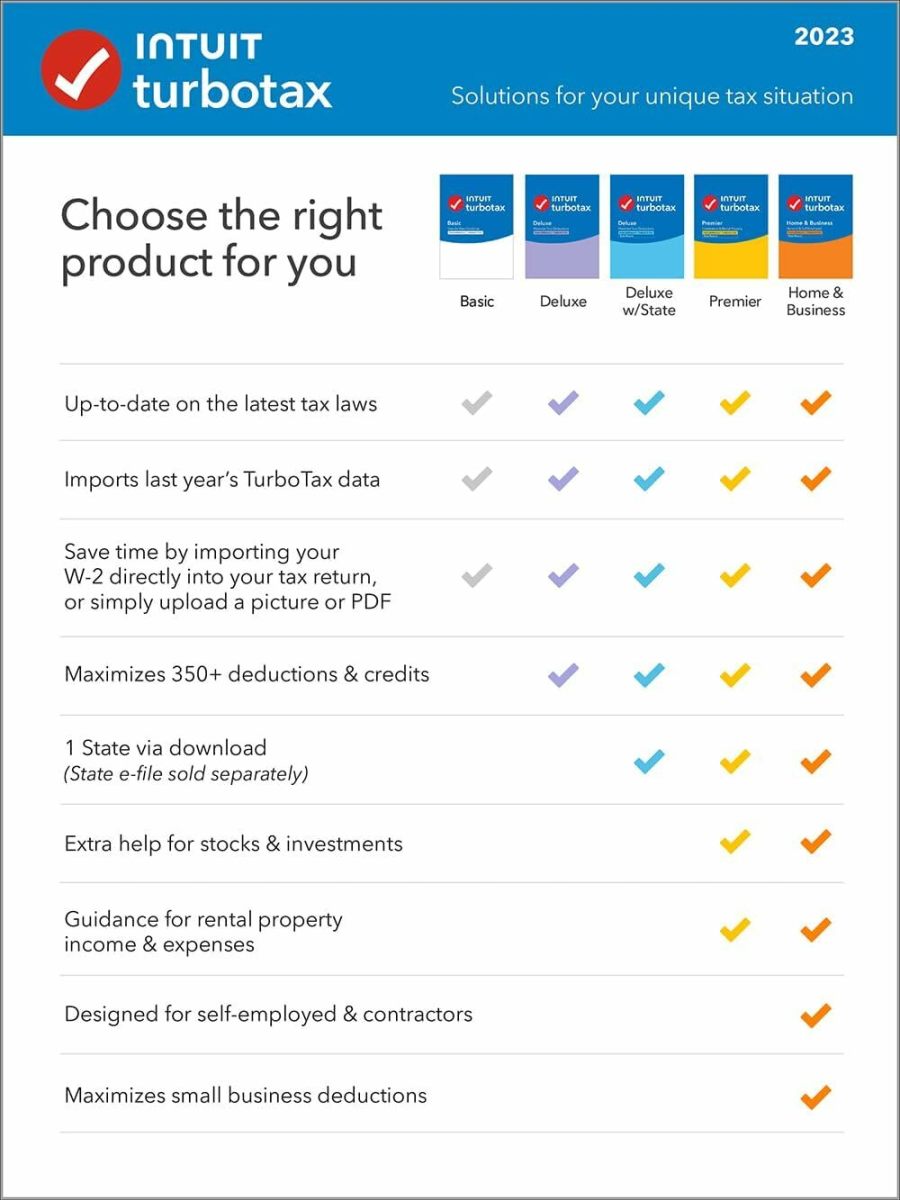
TurboTax does not operate on a one-size-fits-all model. Instead, its pricing is structured into tiers designed to align with the complexity of an individual’s or a business’s financial situation. This “pay-for-what-you-need” approach ensures that simple filers aren’t overcharged for features they don’t use, while complex filers get the robust calculations required for their specific needs.
The Free Edition: For Simple Returns Only
The foundational tier of TurboTax is the “Free Edition.” In the world of personal finance, “free” often comes with caveats. TurboTax Free Edition is specifically designed for simple tax returns—essentially Form 1040 only. This typically covers W-2 income, limited interest and dividend income, and the standard deduction. For many students or young professionals just starting their financial journey, this provides a high-value entry point at zero cost for federal filing.
TurboTax Deluxe: Maximizing Deductions
For many homeowners and those with significant medical expenses or charitable donations, TurboTax Deluxe is the most popular choice. It is designed to search for over 350 tax deductions and credits. From a financial perspective, the cost of the Deluxe version—which often ranges from $39 to $69 depending on the time of year—is frequently offset by the additional tax savings found through itemized deductions that the Free Edition might miss.
TurboTax Premier: Investments and Rental Property
As an individual’s financial portfolio grows to include stocks, bonds, ESPPs, or cryptocurrency, their tax needs evolve. TurboTax Premier is positioned to handle these investment-related complexities. Furthermore, it is the designated tier for those who own rental property. While the price point is higher (typically $69 to $100+), the software’s ability to calculate capital gains and losses accurately is a vital component of investment management and wealth preservation.
TurboTax Self-Employed: Navigating Business Finance
The most robust of the standard online tiers is the Self-Employed version. Aimed at freelancers, independent contractors, and small business owners, this tier focuses on Schedule C income. It assists in identifying industry-specific business expenses, from home office deductions to mileage tracking. In the context of business finance, the cost of this software is often a deductible business expense itself, creating a circular financial benefit.
Hidden Costs and Add-ons: Navigating the Financial Fine Print
While the base price of the software is the most visible cost, a comprehensive financial analysis of TurboTax requires looking at the additional fees that can accumulate during the filing process. For many users, these “add-ons” can significantly change the total bill.
State Filing Fees
While many tiers focus their marketing on federal filing, most taxpayers also have state filing requirements. Unless you are using the absolute base Free Edition (and even then, only under specific conditions), state returns usually carry an additional fee, often ranging from $40 to $60 per state. For those who live in one state and work in another, these costs can double, making it a critical line item in your tax preparation budget.
Refund Processing Fees
One of the most common “financial traps” for the unwary is the option to pay for the software using your tax refund. While this seems convenient because it requires no upfront cash, Intuit typically charges a “Refund Processing Service” fee. This fee—often around $40—is essentially a convenience charge for a short-term deferment of payment. From a strictly financial standpoint, it is almost always more cost-effective to pay for the software upfront with a credit or debit card.
Audit Defense and Identity Protection
TurboTax offers “MAX” bundles or “Audit Defense” add-ons. These provide services such as identity theft monitoring and professional representation in the event of an IRS audit. While these provide peace of mind, they are insurance products. A taxpayer with a very straightforward return may find the financial ROI on these products to be low, whereas a self-employed individual with complex deductions might find the cost a prudent hedge against future financial risk.

TurboTax Live: The Financial Impact of Human Expertise
Recognizing that software alone cannot always replace human judgment, Intuit introduced TurboTax Live. This service bridges the gap between DIY software and a traditional CPA firm.
Assisted vs. Full Service
TurboTax Live offers two main paths. The “Assisted” version allows you to file yourself with the ability to ask a tax professional questions via video. The “Full Service” option allows you to hand over your documents to a pro who does the work for you. From a financial tools perspective, this is a premium offering. Costs for Live Assisted can reach over $150, and Full Service can exceed $300-$400 depending on complexity.
Comparing Costs with Traditional CPAs
When evaluating the cost of TurboTax Live, one must compare it to the market rate for a Certified Public Accountant (CPA). In many metropolitan areas, a CPA might charge $500 to $1,000 for a complex return. Therefore, even at its highest price point, TurboTax Live often remains a financially competitive option for those who want professional oversight without the boutique price tag of a private firm.
Maximizing ROI: Is the Software Cost Justified by Tax Savings?
In the realm of personal finance, the “cost” of a product should always be weighed against its “value.” The true price of TurboTax isn’t just the $100 you might pay at checkout; it’s the difference between what you pay and the tax liability reduction the software provides.
Deduction Discovery and Accuracy
The financial risk of “cheap” tax preparation is the missed opportunity. If a $60 software package finds a $500 credit that a free service missed, the software has a 733% return on investment. TurboTax uses complex algorithms to cross-reference your data against the latest tax codes, which is a powerful financial tool for ensuring you aren’t leaving money on the table.
The Cost of Error
Beyond missing deductions, there is the financial cost of errors. An incorrectly filed return can lead to penalties, interest, and the significant administrative burden of filing an amendment. TurboTax provides a 100% accurate calculations guarantee, promising to pay IRS penalties and interest resulting from a software error. This acts as a form of financial indemnity, protecting your assets from the costs of accidental non-compliance.
Strategic Timing and Discounts: Managing Your Tax Prep Budget
Finally, the price of TurboTax is not static. It is a dynamic figure that changes based on market demand and strategic partnerships.
Early Bird Pricing vs. Last-Minute Surges
Intuit typically employs a “surge pricing” model. In January and February, prices are often at their lowest to encourage early filing. As the April 15th deadline approaches, prices frequently increase. For the budget-conscious taxpayer, filing early isn’t just about getting a refund sooner; it’s about paying less for the tool itself.
Leveraging Partner Discounts
Many financial institutions—such as Chase, Fidelity, or Vanguard—offer their customers discounted or even free versions of TurboTax. Additionally, users of QuickBooks often find integrated pricing models that reduce the friction and cost of moving business data into a tax return. Checking your bank or investment portal for “Partner Offers” is a simple financial move that can save you $20 to $50 on your filing costs.

Conclusion
When asking “How much does TurboTax charge?”, the answer is multifaceted. It is a sliding scale that moves according to the complexity of your financial life and the level of expert assistance you require. While the initial price tag might seem like a hurdle, when viewed as a financial tool designed to optimize your tax position, ensure compliance, and protect against errors, the cost often justifies itself. By understanding the tiers, avoiding unnecessary add-on fees, and timing your purchase strategically, you can ensure that your tax preparation is a high-value investment in your overall financial well-being.
aViewFromTheCave is a participant in the Amazon Services LLC Associates Program, an affiliate advertising program designed to provide a means for sites to earn advertising fees by advertising and linking to Amazon.com. Amazon, the Amazon logo, AmazonSupply, and the AmazonSupply logo are trademarks of Amazon.com, Inc. or its affiliates. As an Amazon Associate we earn affiliate commissions from qualifying purchases.