
The magic of cinema often obscures the formidable financial machinery behind it. From the dazzling special effects to the compelling narratives, every frame on the big screen is the culmination of immense creative effort and, crucially, staggering financial investment. The question “how much does a movie cost?” isn’t simple; it delves into a complex ecosystem of production budgets, marketing expenditures, distribution networks, and an intricate web of revenue streams. For consumers, the cost is a ticket price or a subscription fee, but for studios and financiers, it’s a high-stakes gamble often involving hundreds of millions of dollars, with no guarantee of return. Understanding these costs reveals not just the scale of the entertainment industry, but also the inherent financial risks and the evolving economic models that shape what we watch. This article will dissect the multifaceted financial landscape of filmmaking, from pre-production to box office, and explore the true economic value, and cost, of bringing stories to life.
The Mammoth Budgets Behind Blockbusters: Production Expenses
At the core of any film’s cost lies its production budget – the direct expenses incurred during the actual making of the movie. This is where the visions of directors, writers, and producers begin to take tangible form, requiring significant capital. These figures can range from a few thousand dollars for independent films to well over $300 million for major studio tentpoles, before even factoring in marketing.
Pre-Production: Laying the Financial Foundation
Before a single scene is shot, a substantial portion of the budget is already allocated during pre-production. This phase involves meticulous planning and preparation. Key costs here include script development, which can involve paying multiple writers over several years; securing intellectual property rights, particularly for adaptations; location scouting, including permits and fees for potential filming sites; and casting, where fees for casting directors and initial talent negotiations begin. Storyboarding, concept art, and hiring core crew members like the director of photography, production designer, and unit production manager also contribute to these foundational expenses. Every decision made at this stage has a ripple effect on subsequent costs, making strategic financial planning paramount.
Principal Photography: The Core Cost Drivers
Principal photography, the actual filming period, is typically the most expensive phase of movie production. This is where the majority of the crew is on set, cameras are rolling, and the film’s vision truly comes alive. Salaries for the vast crew – from grips and gaffers to sound mixers and costume designers – represent a significant daily outlay. Equipment rentals, including high-end cameras, lighting setups, and specialized rigs, add up quickly. Location expenses, which involve renting specific venues, setting up temporary infrastructure, and ensuring security, can also be substantial. Special effects, whether practical or computer-generated imagery (CGI), incur massive costs, especially for action sequences, fantastical creatures, or elaborate set pieces. Moreover, catering for hundreds of cast and crew members daily is a persistent expense that adds up over weeks or months of shooting. Every extra day of filming due to unforeseen delays (weather, actor availability, technical issues) directly escalates these daily costs, sometimes by hundreds of thousands or even millions of dollars.
Post-Production: Polishing for the Big Screen
Once filming wraps, the footage moves into post-production, a critical phase that can sometimes stretch for over a year and add tens of millions to the budget. This is where the raw footage is transformed into a cohesive narrative. Editing is a painstaking process, often requiring a team of editors and assistants working long hours. Sound design and mixing are crucial for crafting the sonic landscape of the film, involving foley artists, sound engineers, and mixers. Original musical scores, commissioned from composers and performed by orchestras, are another significant expense, sometimes rivaling the salaries of lead actors. Color grading and visual effects (VFX) represent some of the highest costs in post-production, especially for modern blockbusters. Entire departments are dedicated to creating seamless digital environments, characters, and enhancements that often define a film’s aesthetic and spectacle.
The Human Element: Talent and Crew Compensation
Undeniably, a significant chunk of a movie’s budget is allocated to talent and crew compensation. Star actors and acclaimed directors command exorbitant upfront fees, often in the millions of dollars, sometimes coupled with back-end deals that give them a percentage of the film’s gross revenue. These marquee names are considered vital for attracting audiences and securing financing. Beyond the principal talent, the hundreds of crew members, from experienced cinematographers to entry-level production assistants, are paid industry-standard wages, often union-negotiated, for their specialized skills and labor. Ensuring fair compensation and benefits across the entire production team is a substantial and ongoing financial commitment throughout all phases of filmmaking.
Beyond the Camera: Marketing, Distribution, and Overhead
The costs associated with making a movie are only part of the story. Once production is complete, a completely separate and often equally massive budget is dedicated to ensuring the film actually reaches its audience. These “Prints and Advertising” (P&A) costs are crucial for a film’s commercial success and can sometimes equal or even exceed the production budget itself.
The Price of Exposure: Global Marketing Campaigns
In today’s crowded entertainment landscape, a great film can still flounder without effective marketing. Studios invest heavily in multi-platform global campaigns designed to generate buzz and entice audiences. This includes creating and disseminating trailers, teasers, posters, and other promotional materials across various media. Television advertising slots, especially during major events like the Super Bowl or during popular prime-time shows, are astronomically expensive. Digital marketing, encompassing social media campaigns, influencer collaborations, and online ad buys, also demands significant investment. Public relations efforts, including press junkets, premieres, and celebrity interviews, are vital for generating media coverage. For a major blockbuster, a marketing budget of $100 million is not uncommon, especially for films aiming for a global release.
Getting it to the Audience: Distribution Logistics
After marketing generates interest, the film needs to be physically or digitally distributed to theaters and other platforms. For traditional theatrical releases, this involves the cost of creating thousands of “prints” (digital copies) and sending them to cinemas worldwide. This logistics challenge includes licensing agreements with theater chains, which often involve complex revenue-sharing models. International distribution adds layers of complexity, requiring localization (dubbing, subtitles), compliance with different censorship laws, and navigating diverse market demands. Beyond theaters, distribution costs extend to securing deals with streaming platforms, home video manufacturers (Blu-ray, DVD), and television broadcasters, each involving separate negotiations and fees. These processes are managed by distribution companies, which charge their own fees and take a percentage of the revenue, further adding to the overall cost.
Studio Overhead and Contingencies: The Hidden Costs
Beneath the visible layers of production, marketing, and distribution lie significant “hidden” costs associated with running a major film studio. These overhead expenses include the salaries of executives, legal teams, accounting departments, and development staff who are constantly evaluating new projects. Insurance policies, covering everything from production delays and potential accidents to intellectual property disputes, are mandatory and expensive. Furthermore, every film budget includes a contingency fund – typically 5-15% of the total budget – to cover unforeseen problems, such as reshoots, additional visual effects work, or unexpected logistical challenges. While not directly tied to a specific scene or marketing campaign, these costs are integral to the overall financial burden and operational reality of bringing a film to fruition.
The Revenue Stream Tapestry: How Films Make Money (or Don’t)
Despite the monumental costs, the ultimate goal of filmmaking, from a business perspective, is to generate a profit. The revenue streams for a film are diverse and often extend far beyond its initial theatrical release, forming a complex tapestry of income sources that can take years to fully realize.
The Box Office Bonanza: Initial Returns
The most visible and often most critical revenue stream is the box office gross. This represents the total amount of money paid by moviegoers for tickets. However, studios do not keep all of this money. A significant portion, typically 50% in domestic markets and sometimes higher for international, goes to the theater owners. The studio’s share of the box office is what they ultimately receive. A strong opening weekend and sustained theatrical run are crucial for covering the P&A costs and hopefully starting to recoup the production budget. The global box office performance is increasingly important, with international markets often making up the majority of a film’s total gross.
The Streaming Revolution and Ancillary Markets
In the digital age, streaming platforms have become a primary revenue driver. Studios earn revenue from licensing their films to subscription video-on-demand (SVOD) services (like Netflix, Max, Disney+), transactional video-on-demand (TVOD) where viewers rent or buy individual titles, and advertising-supported video-on-demand (AVOD). Home video sales and rentals (Blu-ray, DVD) still contribute, though their share has diminished. Television broadcast rights, both domestic and international, also provide substantial income over time. These ancillary markets are critical for a film’s long-term profitability, allowing studios to monetize their content long after its theatrical run.
The Global Marketplace: International Rights and Merchandising
Selling international distribution rights to various territories is another key revenue stream, often negotiated early in a film’s lifecycle. These deals can be crucial for securing initial financing. Beyond the screen, merchandising plays a vital role, especially for franchise films. Toys, apparel, video games, books, and other licensed products tied to popular characters or storylines can generate immense profits, sometimes surpassing the film’s theatrical earnings. Theme park attractions and experiences also extend a film’s brand life and provide further income. This diversification of revenue streams is essential for mitigating the inherent financial risks of filmmaking and maximizing the return on investment.
The Consumer’s Share: What We Pay to Watch
While studios grapple with multi-million dollar budgets, the consumer’s cost to experience a movie is a more direct, yet still varied, financial decision. The way we consume films has diversified significantly, offering different price points and value propositions.
Navigating Ticket Prices and Concessions
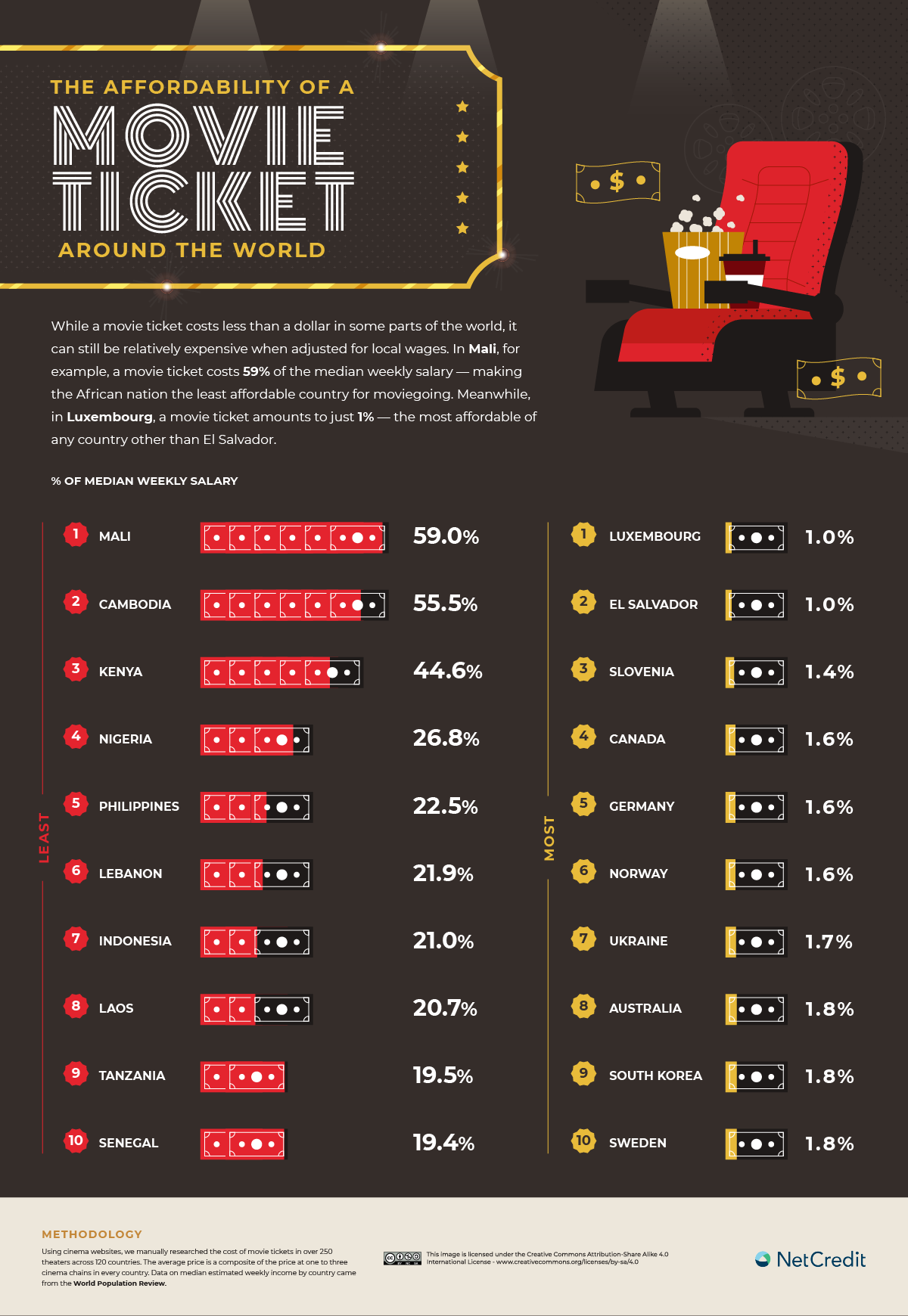
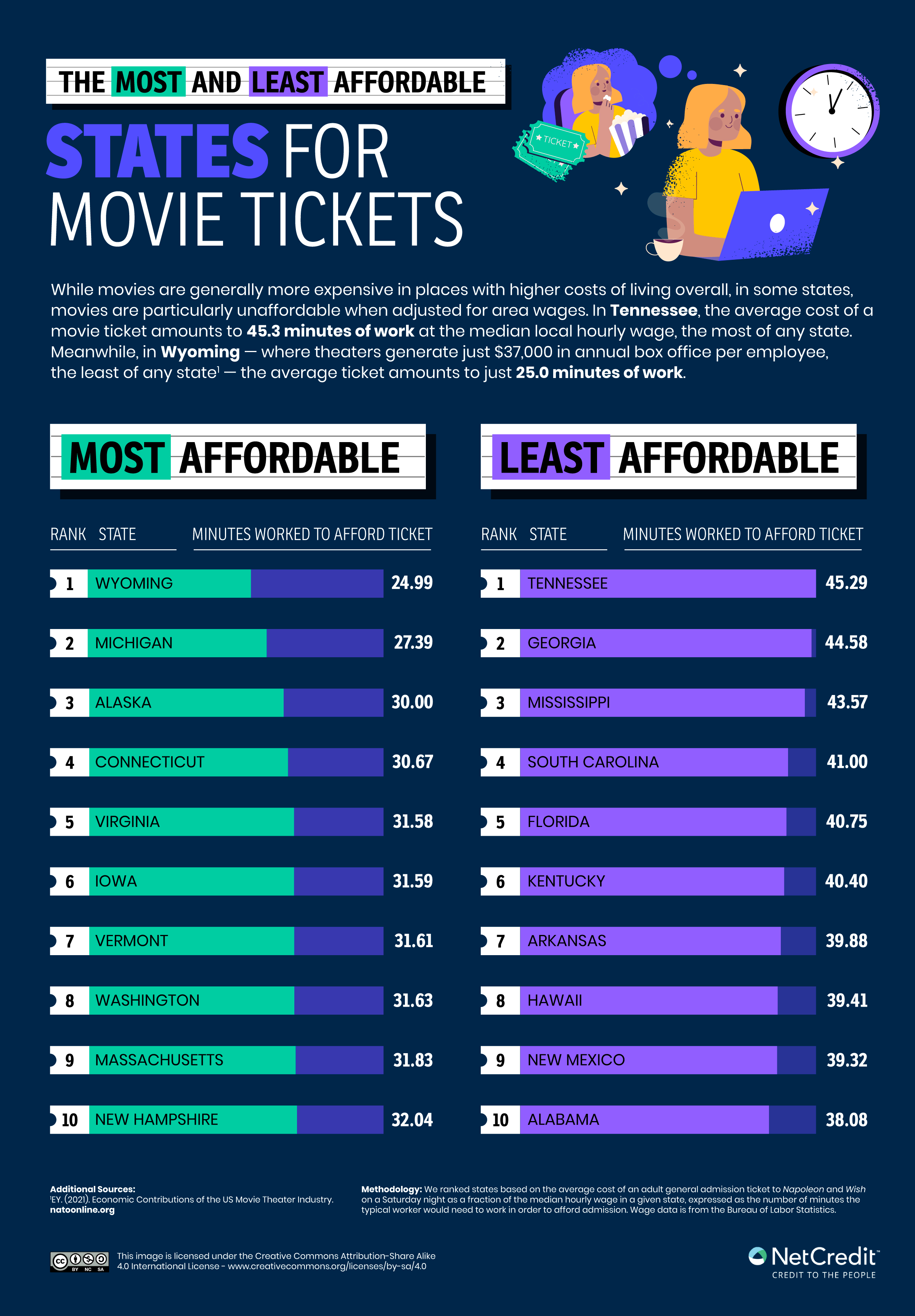
The traditional moviegoing experience comes with a ticket price, which can vary widely based on location (urban centers vs. rural areas), time of day (matinee vs. evening), and format (standard 2D, 3D, IMAX, VIP experiences). Major cities often see ticket prices upwards of $15-$20, especially for premium formats. Beyond the ticket, concessions represent a significant additional cost for many moviegoers. Popcorn, soda, and candy, while seemingly small purchases, are notoriously marked up, offering substantial profit margins for theaters. For a family outing, these combined costs can quickly add up, making a trip to the cinema a considerable entertainment expense.
The Subscription Economy: Streaming Service Costs
The rise of streaming has shifted some of the financial burden from individual ticket purchases to recurring subscription fees. Services like Netflix, Max, Disney+, Hulu, and Amazon Prime Video offer vast libraries of content, including new releases, for a monthly or annual fee. While seemingly more economical per film, the cumulative cost of multiple subscriptions can rival or even exceed the expense of frequent cinema visits. Consumers often subscribe to several services to access specific content, leading to a “subscription fatigue” and an increasing aggregate monthly bill for entertainment. The convenience of home viewing and a wide selection are key drivers for this model, but the cost accumulates steadily.
Value Proposition: Is the Cinematic Experience Worth It?
Ultimately, the consumer evaluates the “cost” of a movie against its “value.” For some, the immersive big-screen experience, with its powerful sound and communal atmosphere, justifies the higher ticket and concession prices. It’s an event, an escape from daily life. For others, the convenience and affordability (per film) of streaming at home outweigh the theatrical grandeur. The decision often boils down to personal preferences, disposable income, and the perceived quality and anticipation of a particular film. As the industry continues to evolve, offering hybrid release strategies and diverse viewing options, consumers are increasingly empowered to choose how and where they spend their entertainment dollars, directly influencing the financial success models of the film industry.
The High-Stakes Game: Financial Risks and Industry Trends
The film industry, despite its glamour, remains one of the riskiest investment landscapes. The sheer scale of capital required, coupled with the subjective nature of audience taste, creates an environment where financial success is far from guaranteed.
The Volatility of Film Investment
Every film project is a speculative venture. Even with bankable stars, proven directors, and compelling scripts, there’s no assurance of critical acclaim or commercial success. A film can bomb at the box office, leading to massive financial losses for studios and investors. The “waterfall” system of film accounting, where various parties (distributors, producers, talent with back-end deals) get paid in a specific order, means that a film might technically “lose money” for the studio even if it generates a substantial gross. The initial investment is monumental, and recouping that, let alone making a profit, requires exceptional performance across multiple revenue streams over several years. This inherent volatility makes film finance a domain for sophisticated investors and large corporations capable of absorbing significant losses.
Impact of Technology and Changing Viewer Habits
Technological advancements and shifts in consumer behavior are continuously reshaping the financial models of Hollywood. The rise of streaming platforms has disrupted traditional theatrical windows, forcing studios to re-evaluate their release strategies. The pandemic accelerated these changes, with many films opting for simultaneous theatrical and streaming releases, or even direct-to-streaming debuts. While this offers new distribution avenues, it also complicates revenue calculations and can dilute box office potential. The increasing cost of visual effects and high production values, driven by audience expectations for spectacle, further inflates budgets, making profitability harder to achieve without massive global appeal.

The Future of Film Finance
Looking ahead, the film industry is adapting to these challenges with innovative financial strategies. Co-production deals, often involving international partners, help spread the financial risk. Independent financing models, utilizing private equity, crowdfunding, and tax incentives from various regions, are becoming more prevalent. Data analytics plays an increasing role in greenlighting decisions, helping studios identify projects with higher commercial viability based on audience demographics and trending content. Furthermore, the emphasis on building interconnected cinematic universes and established franchises is a strategic move to create reliable revenue streams and mitigate risk by leveraging existing intellectual property with built-in fanbases. The question of “how much movies cost” will continue to evolve, reflecting not just the creative ambition of filmmakers, but also the dynamic economic forces and strategic financial maneuvers of an industry constantly striving to balance art and commerce.
aViewFromTheCave is a participant in the Amazon Services LLC Associates Program, an affiliate advertising program designed to provide a means for sites to earn advertising fees by advertising and linking to Amazon.com. Amazon, the Amazon logo, AmazonSupply, and the AmazonSupply logo are trademarks of Amazon.com, Inc. or its affiliates. As an Amazon Associate we earn affiliate commissions from qualifying purchases.