
Determining the true cost of a Carnival cruise requires a transition from looking at a sticker price to understanding a complex financial ecosystem. While Carnival is often positioned as the “Value King” of the cruise industry, the final line item on your bank statement can vary wildly depending on booking strategies, onboard behavior, and external logistical costs. For the financially conscious traveler, a cruise is not a single purchase but a series of financial decisions that begin months before embarkation.
To accurately budget for this type of excursion, one must dissect the layers of the “Fun Ship” economy. This breakdown analyzes the base fare, the inevitable surcharges, and the strategic maneuvers required to maximize your return on investment.
Understanding the Base Fare: The Initial Investment
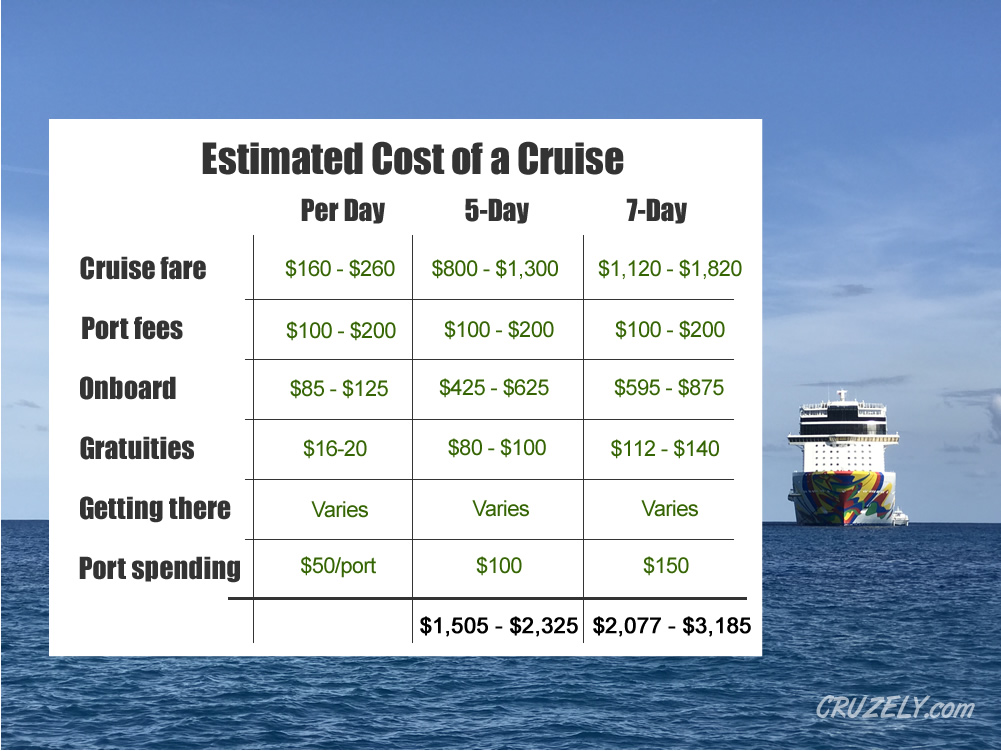
The base fare is the most visible component of your cruise cost, but it is rarely the final price. In the world of personal finance and travel budgeting, the base fare should be viewed as your entry fee into the ecosystem. This fare typically includes your accommodations, basic dining options, most onboard entertainment, and transportation between ports.
Cabin Categories and Their Financial Implications
Your choice of stateroom is the primary driver of the base cost. Carnival generally offers four tiers:
-
Interior Rooms: These are the most budget-friendly options, often serving as the baseline for advertised “from” prices. For those prioritizing activities over amenities, these offer the highest utility per dollar.
-
Oceanview Rooms: A marginal step up in price, these provide natural light through a porthole or window. From a financial perspective, the value proposition here is often the weakest, as the price jump from Interior can be significant without the added functional space of a balcony.
-
Balcony Rooms: This is the most popular category. Expect to pay a 40% to 60% premium over an interior room. For many, the private outdoor space justifies the cost, especially on scenic itineraries like Alaska or the Mediterranean.
-
Suites: These represent the luxury tier. Beyond extra square footage, suites often include perks like priority boarding and dedicated lounge access. Financially, suites are less about value and more about a premium experience, often costing double or triple the price of a standard balcony.
Seasonal Fluctuations and Market Demand
Cruise pricing follows the laws of supply and demand with extreme volatility. Booking a five-day Caribbean cruise in September (during hurricane season and when children are back in school) might cost $350 per person. That same itinerary during the December holiday season or Spring Break can easily soar to $1,200 per person. To optimize your budget, target “shoulder seasons”—the periods immediately before or after peak travel times—to secure the best ratio of price to weather quality.
The “Hidden” Costs: Budgeting for Onboard Expenses
If the base fare is the entry fee, onboard expenses are where the budget often escapes control. Many first-time cruisers fail to account for the “nickel and diming” that characterizes modern mass-market cruising.
Gratuities and Service Charges
One of the most frequent surprises for the uninitiated is the daily gratuity. As of recent updates, Carnival charges a per-person, per-day service fee that is automatically added to your onboard “Sail & Sign” account. For standard staterooms, this typically hovers around $16.00 to $18.00 per day. For a family of four on a seven-day cruise, this adds roughly $450 to $500 to the total cost. While these can technically be adjusted at the guest services desk, they are the primary source of income for the hardworking crew, and savvy budgeters should view them as a non-negotiable fixed cost.
Beverage Packages and the Math of “CHEERS!”
Carnival’s “CHEERS!” beverage program is a significant financial consideration. At roughly $60 to $70 per person, per day (plus an 18% service charge), it represents a major investment.
-
The Breakeven Point: To make the package financially viable, the average guest needs to consume about 6 to 9 alcoholic beverages per day.
-
The Catch: If one adult in a cabin purchases the package, all adults in that cabin must purchase it. This is a common trap for couples where one person drinks and the other does not, doubling the effective cost of the package and destroying its value.
-
Alternatives: For those who prefer non-alcoholic options, the “Bottomless Bubbles” package offers unlimited soda and juice for a fraction of the cost, usually around $9.50 per day for adults.
Specialty Dining and Shore Excursions
While the Main Dining Room and Lido Buffet are included in your fare, Carnival offers several “upcharge” restaurants, such as the Fahrenheit 555 Steakhouse or Bonsai Sushi. These can range from $15 to $50 per person.
Shore excursions are another variable. While you can explore ports for free, organized tours booked through the cruise line often cost between $50 and $200 per person. A family of four booking one excursion at each of three ports can easily add $1,000 to their vacation bill.
Strategies for Financial Efficiency and Maximizing ROI
Professional travelers and personal finance experts look for ways to decrease the “net cost” of a cruise through loyalty programs and strategic booking.
Leveraging Carnival’s VIFP Club and Loyalty Discounts
The “Very Important Fun Person” (VIFP) Club is Carnival’s loyalty program. While the lower tiers offer modest perks like a free bottle of water, higher tiers provide significant financial value, including free laundry services, priority check-in, and complimentary specialty dining. More importantly, being a member puts you on a mailing list for “VIFP-only” rates that are frequently lower than public prices or include significant “Onboard Credit” (OBC). OBC is essentially “cruise cash” that can be used to offset gratuities or drink costs.
Strategic Booking Windows: Last-Minute vs. Early Saver
There are two primary schools of thought for cruise booking:
-
The Early Saver: Booking 6 to 12 months in advance allows you to lock in low rates and benefit from Carnival’s price protection. If the price drops after you book, Carnival will often issue the difference as onboard credit.
-
The Last-Minute Gamble: Within 60 to 90 days of sailing, Carnival may slash prices to fill remaining cabins. While this offers the lowest possible base fare, it often results in higher airfare costs, which can negate the savings.
Utilizing Travel Rewards and Credit Cards
The Carnival World Mastercard offers a sign-up bonus that can often be redeemed for a $200-$250 statement credit toward your cruise. However, seasoned investors often find better value in general travel cards (like the Chase Sapphire Preferred or American Express Gold) that allow for more flexible point redemption across various airlines and hotels associated with the trip.
Ancillary Travel Expenses: The Door-to-Port Budget
The “cost of a cruise” must include the cost of getting to the ship. For those who do not live within driving distance of a port, these “hidden” travel costs can sometimes exceed the cost of the cruise fare itself.
Airfare and Transportation Logistics
Flying into a port city requires careful timing. It is a fundamental rule of cruise budgeting to arrive at least one day before embarkation. A missed flight on the day of sailing means a missed cruise, and the financial loss is usually total unless you have premium insurance. Therefore, you must budget for:
-
Round-trip airfare for all passengers.
-
Rideshare or shuttle services from the airport to the hotel, and the hotel to the port.
Pre-Cruise Accommodations and Insurance
A one-night hotel stay in port cities like Miami, Port Canaveral, or New Orleans can range from $150 to $400 depending on the season.
Additionally, travel insurance is a critical financial tool. While it adds $100 to $300 to the budget, it protects against the total loss of the cruise fare due to medical emergencies, job loss, or travel delays. In the context of risk management, skipping insurance on a high-value vacation is a poor financial move.
Calculating the Total Cost of Ownership (TCO) for Your Vacation
To conclude your financial planning, you should look at the Total Cost of Ownership (TCO). A “cheap” $499 cruise for two people ($998 total) rarely ends at that price.
The Realistic Budget for a 7-Day Cruise (Couple):
-
Base Fare (Balcony): $1,600
-
Taxes and Port Fees: $350
-
Gratuities: $224
-
Drink Package (CHEERS!): $950
-
Shore Excursions (2 ports): $400
-
Airfare and Pre-Cruise Hotel: $800
-
Total Realistic Investment: $4,324
When you break it down, the $499 per person “sticker price” is actually part of a $2,100 per person total experience. By understanding these numbers upfront, you can move away from the stress of unexpected bills and toward a disciplined, high-value vacation strategy.
Ultimately, a Carnival cruise offers exceptional value compared to land-based resorts, provided you treat the booking process with the same analytical rigor you would apply to any other significant financial investment. By controlling the variables—cabin selection, beverage strategy, and booking timing—you can enjoy a premium experience without the premium price tag.
aViewFromTheCave is a participant in the Amazon Services LLC Associates Program, an affiliate advertising program designed to provide a means for sites to earn advertising fees by advertising and linking to Amazon.com. Amazon, the Amazon logo, AmazonSupply, and the AmazonSupply logo are trademarks of Amazon.com, Inc. or its affiliates. As an Amazon Associate we earn affiliate commissions from qualifying purchases.