
Navigating the complexities of tax season can be a daunting task for many individuals and businesses. From deciphering ever-changing tax codes to ensuring every deduction and credit is accurately claimed, the process demands precision and expertise. This is precisely why millions opt for professional tax preparation services, but the burning question often remains: “How much does tax prep cost?”
The answer, unfortunately, is rarely a simple figure. Tax preparation fees are highly variable, influenced by a multitude of factors ranging from the intricacy of your financial situation to the type of professional you engage. Far from being a mere administrative expense, choosing the right tax preparation service is a critical financial decision that can significantly impact your bottom line, offering peace of mind, saving you time, and potentially unlocking substantial tax savings. This article delves into the various facets that determine tax prep costs, helping you understand what to expect and how to make an informed choice that aligns with your financial needs.

Understanding the Factors Influencing Tax Prep Fees
The cost of having your taxes prepared professionally isn’t a one-size-fits-all number. Several key elements converge to shape the final price tag, making it crucial to understand these variables before seeking a quote.
Complexity of Your Tax Situation
At the heart of tax preparation costs lies the complexity of your financial life. A straightforward W-2 filer with no dependents or special circumstances will naturally incur lower fees than a small business owner juggling multiple income streams, investments, and complex deductions.
- Simple Returns: These typically involve a single W-2 form, basic deductions (like the standard deduction), and perhaps a few simple credits. Costs for such returns tend to be on the lower end, often falling within the range of $50 to $200 if handled by a professional, or even free if using basic DIY software.
- Moderately Complex Returns: This category includes individuals with itemized deductions, multiple W-2s, dependents, investment income (Form 1099-B, 1099-DIV, 1099-INT), retirement distributions, or education credits. Each additional form, schedule, or calculation adds to the preparer’s time and effort, driving up the cost. You might expect to pay anywhere from $200 to $500 for these.
- Highly Complex Returns: These are the most expensive to prepare and encompass situations like self-employment (Schedule C), rental property income (Schedule E), significant capital gains/losses, foreign income, K-1 forms from partnerships or S-corporations, stock options, divorce-related tax implications, or those requiring tax planning and specialized advice. For these intricate cases, fees can range from $500 to $1,500 or even higher, depending on the volume of work.
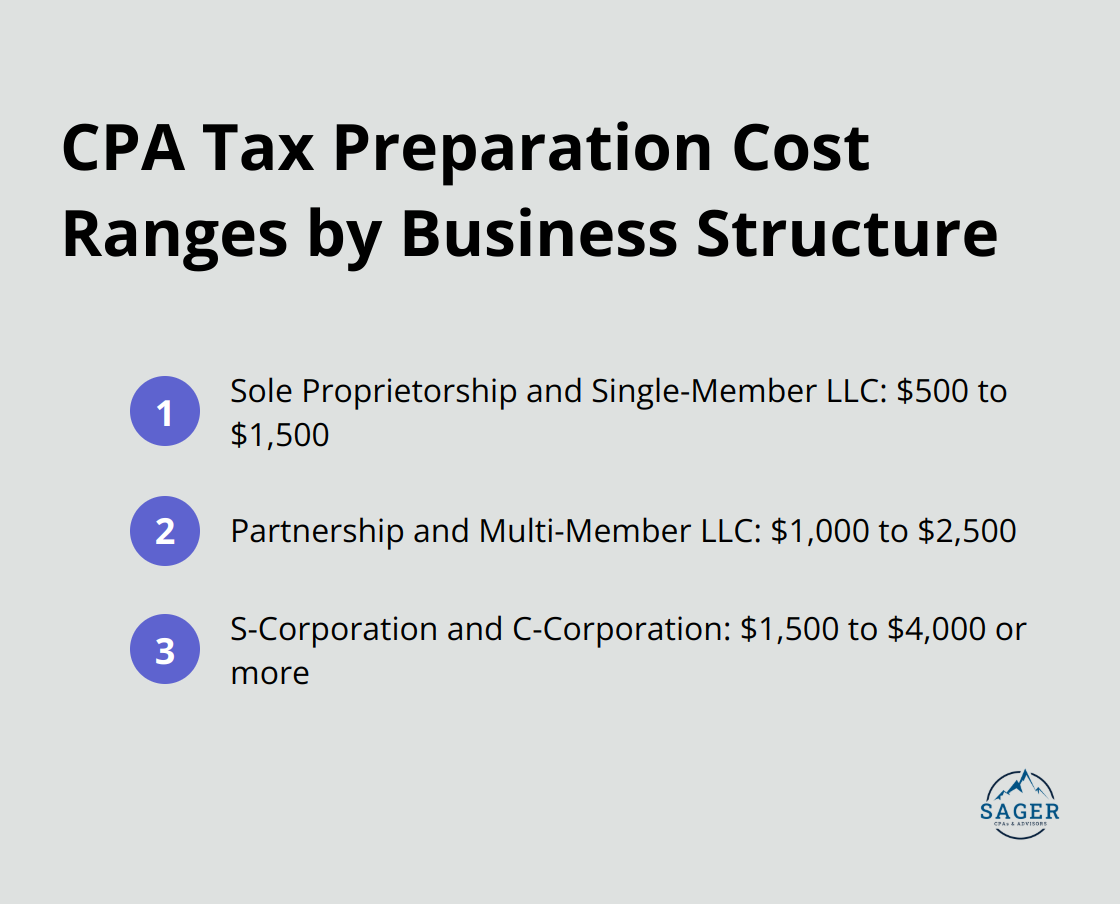
- Business Returns: Filing taxes for a business (sole proprietorship, partnership, S-Corp, C-Corp) is inherently more complex than personal returns, involving detailed balance sheets, profit and loss statements, and specialized business deductions. These costs typically start from $500 for a simple Schedule C and can easily exceed $2,000 for corporate returns requiring extensive bookkeeping and consultation.
Type of Preparer
Just as medical specialists command different fees based on their expertise, so do tax professionals. The qualifications, experience, and scope of services offered by various types of preparers significantly influence their pricing.
- DIY Tax Software: Platforms like TurboTax, H&R Block Online, or TaxAct offer the cheapest solutions, often with free versions for simple federal and state returns. Paid versions, which unlock more features and support for complex situations, can range from $30 to $150. While offering maximum control and privacy, they require the user to have a decent understanding of their tax situation.
- Enrolled Agents (EAs): EAs are federally authorized tax practitioners who specialize in taxation and have unlimited rights to represent taxpayers before the IRS. They are often a cost-effective alternative to CPAs for individuals and small businesses with moderately complex returns. Their fees can range from $100 to $500 per return, depending on complexity.
- Independent Tax Preparers: This broad category includes individuals or small firms who may or may not hold specific certifications like EA or CPA. Their fees vary widely based on experience, reputation, and locality, generally falling between $100 and $700. It’s crucial to verify their credentials and experience.
- Certified Public Accountants (CPAs): CPAs are licensed accounting professionals with extensive training not only in taxation but also in broader financial planning, auditing, and business advisory services. They are typically the most expensive option, often charging $300 to $1,000+ for personal returns and significantly more for business or highly complex situations. Their higher fees often reflect a deeper level of expertise, comprehensive financial advice, and audit representation.
- Tax Attorneys: These professionals specialize in tax law and are usually engaged for highly complex tax issues, IRS audits, appeals, or legal disputes. Their services are typically the most expensive, often charged at hourly rates ranging from $200 to $500+, and are not usually sought for routine tax preparation.
- Volunteer Programs: For low-to-moderate-income individuals, the elderly, or persons with disabilities, programs like Volunteer Income Tax Assistance (VITA) and Tax Counseling for the Elderly (TCE) offer free tax preparation services. These are excellent resources but have income limitations and specific requirements.
Geographic Location and Additional Services
Where you live can play a role in how much you pay, as can any extra services you might need beyond basic filing.
- Geographic Location: Like many professional services, tax preparation fees can vary based on the cost of living and market rates in a particular region. Preparers in major metropolitan areas with higher operating costs typically charge more than those in rural areas.
- Additional Services: The base fee often covers standard federal and state tax filings. However, you might incur extra charges for services such as:
- Tax Planning: Proactive advice throughout the year to minimize future tax liabilities.
- Audit Representation: Assistance if your return is selected for an IRS audit.
- Bookkeeping Services: If your records are disorganized, a preparer may charge extra to compile them or refer you to a bookkeeper.
- Amended Returns: Corrections to previously filed returns.
- Prior Year Filings: Preparing overdue tax returns.
- Consultation: Extensive consultations outside of the actual preparation process.
Average Costs by Preparation Method
To give you a clearer picture, let’s break down typical cost ranges by the primary methods available for tax preparation. These figures are illustrative and can fluctuate based on the factors discussed above.
DIY Tax Software: The Economical Choice
Cost Range: Free to $150 (plus state filing fees)
DIY software represents the most budget-friendly option, empowering individuals to take control of their own tax filing.
- Free Versions: Most major software providers offer free federal filing for simple returns (e.g., W-2 income, standard deduction). This is an excellent choice for individuals with straightforward financial situations.
- Paid Versions: As your tax situation grows in complexity (e.g., itemized deductions, investments, self-employment income, rental properties), you’ll need to upgrade to a paid version. These typically range from $30 to $100 for federal filing, with an additional $20 to $50 per state return. The higher-tier packages often include features like audit support, access to tax experts, and more comprehensive guidance.
- Pros: Lowest cost, maximum control, instant filing, good for learning about your own taxes.
- Cons: Requires time and effort, potential for user errors if you lack understanding, limited support for truly complex situations, no personalized advice beyond the software’s prompts.
Professional Preparers: EAs and Independent Professionals
Cost Range: $100 to $700
This segment of the market caters to those who need more guidance and expertise than DIY software can offer but may not require the extensive services of a CPA.
- Enrolled Agents (EAs): With their specific focus on taxation and IRS representation rights, EAs are a strong choice for individuals and small businesses with moderately complex returns. They offer deep tax knowledge without the broader accounting services that can drive up CPA fees. Expect to pay between $100 and $500 for an individual federal and state return, with business returns costing more.
- Independent Tax Preparers: These individuals or small firms vary widely in their qualifications and pricing. A reputable independent preparer can be an excellent resource for many taxpayers, especially if they specialize in certain areas (e.g., freelancers, specific industries). Costs can range from $100 for a simple return to $700+ for more involved personal or small business returns. It’s vital to vet their experience and ensure they are credentialed (e.g., have an IRS Preparer Tax Identification Number – PTIN).
- Pros: Personalized service, direct access to a human expert, good for moderately complex returns, often more affordable than CPAs.
- Cons: Expertise can vary, may not offer broader financial advice, less comprehensive than a CPA for very complex situations.
Certified Public Accountants (CPAs) and Tax Attorneys: The Premium Tier
Cost Range: $300 to $2,000+
For the most complex tax situations, significant wealth management, or legal tax challenges, CPAs and tax attorneys offer the highest level of expertise and service.
- Certified Public Accountants (CPAs): CPAs are the gold standard for comprehensive financial advice, not just tax preparation. They are ideal for high-net-worth individuals, small to medium-sized businesses, real estate investors, and anyone needing year-round tax planning, financial strategizing, or audit support. For a typical individual return, expect to pay $300 to $1,000. Business returns, especially corporate ones, can easily run from $500 to $2,000+, depending on the number of transactions, employees, and complexity. Many CPAs offer hourly rates ($100-$400/hour) or package deals.
- Tax Attorneys: These specialists are typically reserved for situations involving serious tax law interpretation, legal disputes with the IRS, significant audit representation, tax fraud, or intricate estate planning. Their fees are usually the highest, often hourly rates ranging from $200 to $500+, making them unsuitable for routine tax preparation.
- Pros: Highest level of expertise, comprehensive financial and tax planning, audit representation, broad business advisory services, peace of mind for complex situations.
- Cons: Most expensive option, may be overkill for simple returns.
Getting the Best Value for Your Tax Preparation Investment
Choosing a tax preparer isn’t just about finding the cheapest option; it’s about investing wisely to ensure accuracy, minimize liabilities, and maximize legitimate deductions. Here’s how to get the most value for your money.
Know Your Needs Before You Shop
Before you even begin looking for a preparer, take stock of your financial situation.
- Assess Complexity: Are you a simple W-2 earner, or do you have self-employment income, investments, or rental properties? A clear understanding of your complexity will help you target the right type of preparer.
- List All Income and Deductions: Create a comprehensive list of all your income sources, potential deductions, and credits. The more organized you are, the less time your preparer will need to spend piecing things together, which can lower your cost.
Compare Quotes and Services
Don’t settle for the first quote you receive. Shop around and compare what different preparers offer.
- Get Itemized Quotes: Ask for a breakdown of fees. Does it include federal and state filings? What about e-filing? Are there extra charges for specific forms or schedules?
- Understand What’s Included: Inquire about audit support, follow-up questions throughout the year, or year-round tax planning. A slightly higher fee might be worth it for comprehensive support.
- Beware of “Percentage of Refund” Fees: While some preparers may offer refund advances, charging a percentage of your refund for preparation services is illegal for certain types of preparers (e.g., EAs and CPAs under certain ethical guidelines) and is generally considered an unethical practice.
Organize Your Documents Diligently
The less work your preparer has to do to organize your financial information, the lower your bill will likely be.
- Prepare a Folder: Collect all necessary documents: W-2s, 1099s, K-1s, receipts for deductible expenses, mortgage interest statements, property tax bills, and charitable contribution records.
- Use Checklists: Many preparers provide checklists for necessary documents. Utilize these to ensure you don’t miss anything.
- Digital Organization: Consider scanning and categorizing documents digitally for easy access and sharing.
Ask About Fee Structures
Understanding how a preparer charges can help you budget and compare.
- Hourly Rates: Some preparers charge an hourly rate, which can be beneficial if your situation is complex but your documents are well-organized.
- Flat Fees per Form/Schedule: Many preparers charge a base fee plus additional charges for each form or schedule required. This can be transparent but may add up quickly for complex returns.
- Package Deals: Some professionals offer bundled services for individuals or small businesses, which might include preparation, planning, and consultation at a fixed price.
Consider Year-Round Tax Planning
A good tax preparer isn’t just for tax season; they can be a valuable partner throughout the year.
- Proactive Planning: Engaging a professional for ongoing tax planning can help you make informed financial decisions that minimize your tax liability before April 15th even arrives. This might involve advice on retirement contributions, investment strategies, or business expense management.
- Potential Savings: The money saved through effective tax planning can often far outweigh the cost of the preparer’s services.
The Hidden Costs of Cheap Tax Prep (and the Value of Professionalism)
While it’s tempting to opt for the cheapest tax preparation option, it’s crucial to understand the potential hidden costs associated with inadequate or error-prone tax filing. Sometimes, spending a little more upfront can save you a lot more in the long run.
Missed Deductions and Credits
One of the most significant hidden costs of DIY or subpar tax prep is the potential for overlooking legitimate deductions and credits. The tax code is incredibly complex, with numerous provisions that an average taxpayer might not be aware of.
- Expert Knowledge: A professional preparer, especially a CPA or EA, stays abreast of all current tax laws, identifying opportunities for savings that you might miss. These savings can easily offset their fee, making their service a net gain.
- Common Overlooks: Examples include home office deductions, specific business expenses, educational credits, energy-efficient home improvements, or various investment-related deductions.
Errors and Audit Risk
Mistakes on a tax return can lead to significant headaches and financial penalties.
- Penalties and Interest: Incorrectly reported income, miscalculated deductions, or simple mathematical errors can trigger IRS penalties and interest on underpayments. These can quickly accumulate, far exceeding the cost of professional preparation.
- Audit Risk: While professionals can’t guarantee you won’t be audited, accurately prepared returns with proper documentation reduce the likelihood of flags. If an audit does occur, having a professional preparer (especially one who offers audit representation) on your side can be invaluable, saving you immense stress and potentially securing a more favorable outcome.
- Peace of Mind: Knowing your return was prepared accurately by a knowledgeable professional offers immense peace of mind, allowing you to avoid worrying about potential future IRS correspondence.
Time and Stress Savings
Your time is valuable, and tax season can be a source of significant stress.
- Reclaim Your Time: For individuals with complex finances or busy schedules, the hours spent trying to understand tax rules, gather documents, and input data can be better spent elsewhere. A professional takes this burden off your shoulders.
- Reduced Anxiety: The psychological toll of tax preparation can be substantial. Entrusting your taxes to an expert alleviates this stress, allowing you to focus on other priorities.
Long-Term Financial Planning
A skilled tax preparer often acts as a financial advisor, offering insights that go beyond just filing your current year’s return.
- Future Strategy: They can help you understand the tax implications of major life events (marriage, home purchase, starting a business, retirement) and advise on strategies to optimize your financial future.
- Holistic View: A good professional looks at your entire financial picture, offering advice on everything from investment choices to charitable giving, always with an eye on tax efficiency. This holistic approach is a profound benefit that DIY software simply cannot provide.
Conclusion
The question “How much does tax prep cost?” has no single answer, but rather a spectrum of possibilities determined by the unique contours of your financial life and the level of expertise you seek. From free online software for the simplest returns to high-end CPAs and tax attorneys for intricate financial landscapes, the market offers a solution for every need.
Ultimately, tax preparation is less an expense and more an investment. An investment in accuracy, compliance, peace of mind, and crucially, potential savings. By understanding the factors that influence costs, assessing your personal tax complexity, and diligently comparing services, you can find a tax preparation solution that not only fits your budget but also maximizes your financial well-being. Don’t let the immediate cost deter you from seeking the professional help you need; the hidden costs of errors or missed opportunities can far outweigh the fee of a qualified expert who can guide you through the ever-evolving world of taxation. Choose wisely, and empower yourself with financial confidence.
aViewFromTheCave is a participant in the Amazon Services LLC Associates Program, an affiliate advertising program designed to provide a means for sites to earn advertising fees by advertising and linking to Amazon.com. Amazon, the Amazon logo, AmazonSupply, and the AmazonSupply logo are trademarks of Amazon.com, Inc. or its affiliates. As an Amazon Associate we earn affiliate commissions from qualifying purchases.