
In the modern landscape of automotive technology, the dashboard has transformed from a simple control center into a sophisticated hub of information and entertainment. Among the various services vying for a spot in your monthly budget, SiriusXM stands out not just for its satellite radio, but for its suite of data services collectively known as SiriusXM Infotainment. For many drivers, the primary question isn’t just about the quality of the signal, but the impact on the wallet: How much does SiriusXM navigation cost, and is it a sound financial decision in an era of free smartphone apps?

Understanding the costs of SiriusXM navigation requires a deep dive into its pricing tiers, hidden fees, and the specific value proposition it offers over cellular-based alternatives. Unlike a standard streaming subscription, SiriusXM’s navigation data—comprising NavTraffic and Travel Link—operates on a specialized pricing model that can be purchased individually or as part of a larger audio bundle.
Understanding the Pricing Structure of SiriusXM Infotainment Services
When people ask about the cost of SiriusXM navigation, they are usually referring to two distinct services: NavTraffic and Travel Link. These are not typically included in the basic “Music & Entertainment” audio packages unless specifically bundled. To understand the total cost, one must look at the specific price points for these data-driven features.
SiriusXM NavTraffic
NavTraffic is designed to provide real-time traffic updates, including flow speeds, accident reports, and construction alerts, directly to your vehicle’s built-in navigation system. As of current market rates, NavTraffic typically costs approximately $3.99 per month as a standalone service. For drivers who spend significant time in metropolitan areas where congestion is a daily factor, this investment is often marketed as a time-saving tool that pays for itself in fuel efficiency and reduced vehicle wear.
SiriusXM Travel Link
Travel Link provides a broader array of data, including weather forecasts, fuel prices at nearby stations, movie listings, and sports scores. This service is generally priced at $1.99 per month when purchased on its own. While it may seem like a nominal fee, for the budget-conscious consumer, it represents another recurring “micro-subscription” that can clutter a monthly financial statement.
The Infotainment Bundle
For those who want the full suite of data services, SiriusXM offers a combined Infotainment package. This usually bundles NavTraffic and Travel Link for a combined rate of approximately $5.99 per month. From a financial strategy perspective, the bundle offers a slight discount compared to buying both services individually, though the utility of features like movie listings in an age of smartphones is increasingly scrutinized by savvy consumers.
The Financial Commitment: Monthly vs. Annual Costs
While the monthly figures for SiriusXM navigation services—ranging from $1.99 to $5.99—might seem negligible, a professional financial assessment requires looking at the annualized cost and the total cost of ownership. Over the course of a year, a full Infotainment bundle costs roughly $72. When added to a standard audio subscription, which can range from $13 to $23 per month, a driver could easily be spending upwards of $300 annually on in-car data and entertainment.
The Impact of Fees and Taxes
One of the most overlooked aspects of the SiriusXM cost structure is the “U.S. Music Royalty Fee” and other administrative charges. While navigation-only services are generally exempt from the music royalty fee, they are still subject to state and local taxes. If you bundle your navigation with an audio package, the royalty fee—which often hovers around 21.4% of the subscription price—is applied to the audio portion of the bill. This can significantly inflate the expected monthly payment, moving a “low-cost” add-on into a more substantial financial category.
The Trial Period Trap
Most new vehicles equipped with satellite hardware come with a complimentary trial period, often ranging from three months to a year. From a personal finance perspective, these trials are “freemium” entry points designed to integrate the service into the user’s daily habit. The financial risk occurs when the trial expires and automatically converts into a paid subscription at the standard “rack rate.” For a driver who hasn’t audited their credit card statements, this can lead to months of “ghost expenses” for a service they may no longer be actively using.
Evaluating Value: Is SiriusXM Navigation Worth the Investment?
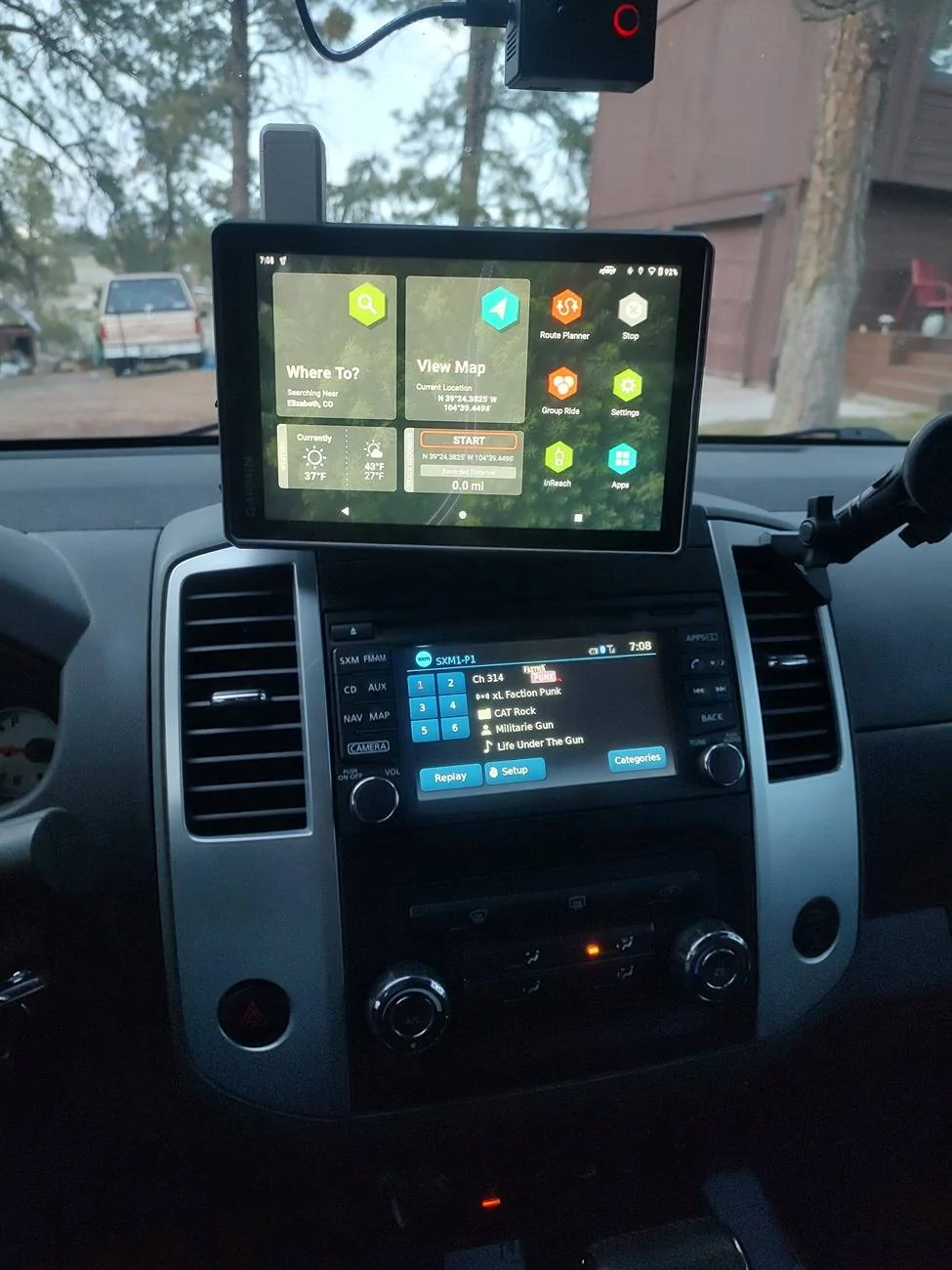
To determine if the cost of SiriusXM navigation is justified, one must perform a cost-benefit analysis against free alternatives like Google Maps, Waze, and Apple Maps. The financial value of SiriusXM navigation lies in its delivery method: satellite technology.
Satellite Reliability vs. Cellular Data
Smartphone-based navigation relies on cellular towers. In rural areas or “dead zones,” these apps can fail or lose real-time updates. SiriusXM, however, broadcasts via satellite, providing consistent data coverage across the vast majority of North America. For professional drivers, long-haul travelers, or those living in geographically remote areas, the $3.99 to $5.99 monthly fee acts as a form of “data insurance.” It ensures that navigation and traffic data are available even when the phone has no bars.
Data Consumption and Battery Longevity
Using a smartphone for navigation is not truly “free.” It consumes cellular data and places a high demand on the phone’s battery and processor, which can lead to faster hardware degradation over time. By offloading these tasks to the vehicle’s native system via SiriusXM, users can preserve their phone’s battery life and data caps. For individuals on limited data plans, the $4 monthly fee for NavTraffic might actually be cheaper than paying for an upgraded cellular data tier.
The Convenience Factor
There is an intangible financial value in seamless integration. Built-in navigation systems that use SiriusXM data are often integrated with the vehicle’s heads-up display (HUD) or instrument cluster. This reduces driver distraction. In a strictly financial sense, reducing the risk of accidents or traffic violations has a significant long-term impact on insurance premiums and legal costs.
Cost-Saving Strategies and Subscription Management
For those who find the service useful but are wary of the standard pricing, there are several strategies to lower the cost of SiriusXM navigation. The subscription economy is built on “retention pricing,” and SiriusXM is well-known for its willingness to negotiate.
Negotiation and Retention Offers
The most effective way to reduce the cost is to call the customer service department to cancel. Most representatives are authorized to offer “retention deals” that can slash the price of navigation and audio services by 50% or more. It is not uncommon for persistent consumers to secure a year of service for a fraction of the standard monthly rate. From a personal finance standpoint, a 15-minute phone call once a year can result in $100 to $150 in savings.
Multi-Year Subscriptions
SiriusXM often offers discounted rates for customers willing to pay for two or three years upfront. While this requires a larger initial outlay of cash, the effective monthly rate is often much lower than the standard month-to-month price. However, this strategy should only be employed by those who plan to keep their current vehicle for the duration of the contract, as transferring services can sometimes incur administrative hurdles.
Bundling with Existing Services
If you are already a SiriusXM audio subscriber, adding NavTraffic or Travel Link is usually cheaper than purchasing it as a standalone service. Always ask for a “family plan” or a multi-radio discount if you have more than one vehicle in your household. Streamlining multiple services under a single account can often unlock tiered discounts that aren’t advertised to the general public.
Future-Proofing Your In-Car Expenses
As we look toward the future of automotive technology, the financial landscape of in-car services is shifting. With the rise of 5G connectivity and integrated “Software as a Service” (SaaS) models from manufacturers like Tesla, GM, and Ford, SiriusXM faces stiff competition. Some manufacturers are moving toward their own proprietary subscription models for navigation and connectivity.
When evaluating the cost of SiriusXM navigation, it is essential to consider the longevity of your vehicle’s hardware. As older satellite constellations are updated or replaced, and as 4G/5G integration becomes standard, the “value” of satellite-delivered traffic data may shift. Currently, for the millions of vehicles on the road that lack robust “always-on” cellular connectivity, SiriusXM remains a primary way to access real-time data.
Financially, the decision to subscribe to SiriusXM navigation should be treated like any other recurring utility. It requires an honest assessment of usage frequency, a comparison of alternatives, and a proactive approach to managing the subscription. By understanding the true costs—including fees, taxes, and the potential for negotiated discounts—drivers can ensure they are not overpaying for the convenience of a smarter dashboard. Whether it’s $1.99 for Travel Link or a full $20+ bundle for audio and data, the key is to ensure that every dollar spent translates into a more efficient, safer, and more informed driving experience.
aViewFromTheCave is a participant in the Amazon Services LLC Associates Program, an affiliate advertising program designed to provide a means for sites to earn advertising fees by advertising and linking to Amazon.com. Amazon, the Amazon logo, AmazonSupply, and the AmazonSupply logo are trademarks of Amazon.com, Inc. or its affiliates. As an Amazon Associate we earn affiliate commissions from qualifying purchases.