
Navigating the landscape of personal health insurance can feel like deciphering a complex financial puzzle. Unlike a simple purchase, the “cost” of health insurance extends far beyond the monthly premium, encompassing a range of out-of-pocket expenses, plan structures, and personal factors. Understanding these elements is crucial for anyone seeking to budget effectively for their healthcare needs and make informed decisions about coverage. This comprehensive guide breaks down the true cost of personal health insurance, the factors that influence it, and strategies for managing your expenses.
Decoding the Core Components of Health Insurance Costs
When evaluating the cost of personal health insurance, it’s crucial to look beyond just the monthly premium. The true expense encompasses several financial elements that dictate what you pay out-of-pocket when you actually use your insurance. Understanding these components is the first step toward accurately budgeting for your healthcare.
Premiums: Your Regular Payment
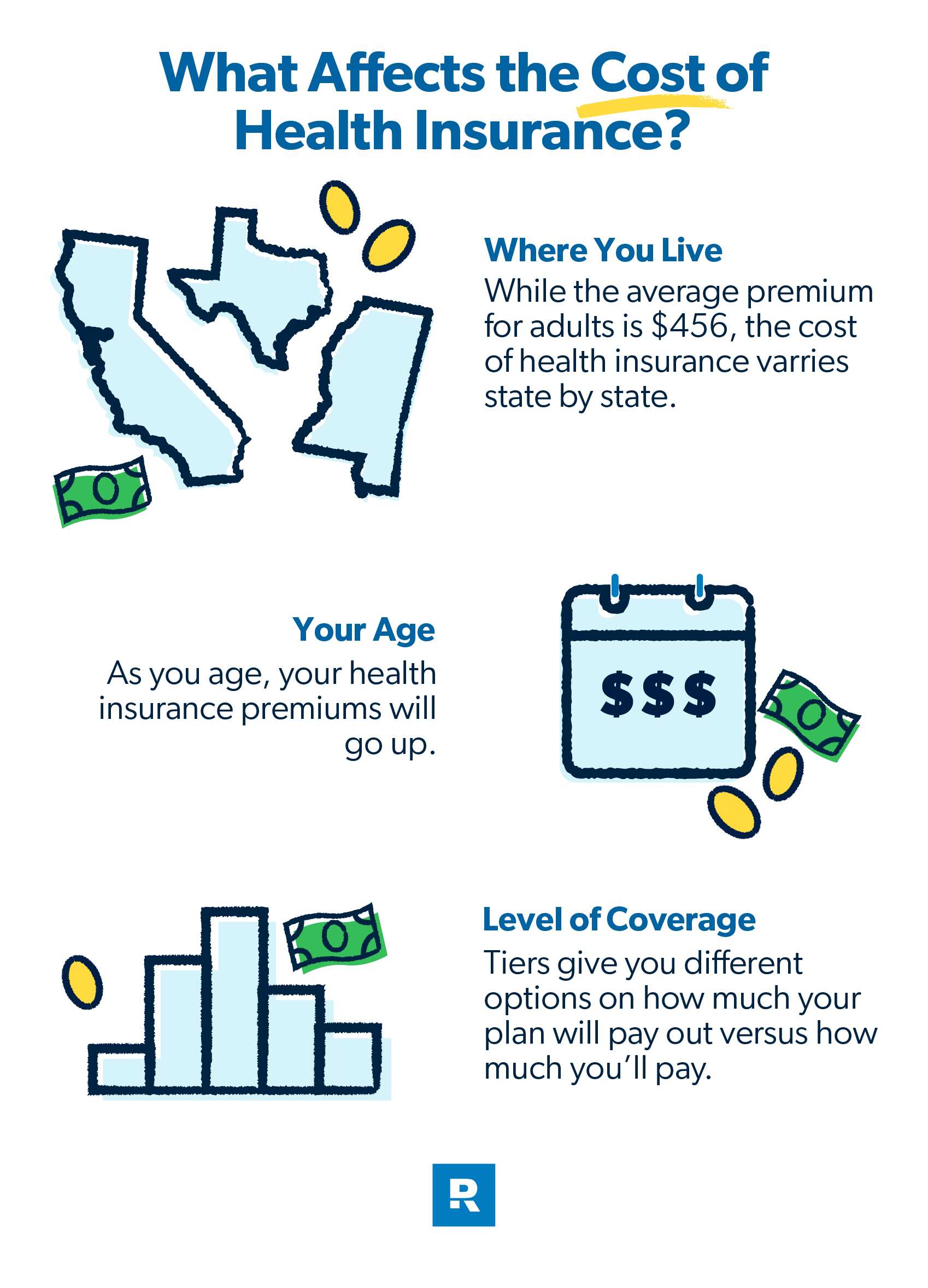
The premium is the most obvious cost associated with health insurance. This is the amount you pay, typically monthly, to maintain your coverage. Think of it as the membership fee for access to the insurance company’s network and benefits. Premiums can vary wildly based on a multitude of factors, from the plan’s metal tier (Bronze, Silver, Gold, Platinum) to your age, location, and even tobacco use. A higher premium often (though not always) correlates with lower out-of-pocket costs when you receive care.
Deductibles: The Initial Hurdle
Your deductible is the amount of money you must pay for covered healthcare services before your insurance company starts to pay. For example, if you have a $5,000 deductible, you would pay the first $5,000 in medical costs (for services subject to the deductible) yourself. Once you meet this amount, your insurance begins to contribute. Plans with lower monthly premiums often come with higher deductibles, and vice-versa. Many preventative services are covered before you meet your deductible, a crucial detail to remember.
Copayments (Copays): Fixed Fees for Services
A copayment, or copay, is a fixed amount you pay for a covered healthcare service after you’ve paid your deductible (though some plans offer copays for certain services even before the deductible is met, especially for primary care visits). For instance, you might pay a $30 copay for a doctor’s visit or a $15 copay for a prescription drug. Copays are designed to discourage overuse of services and ensure you have some financial stake in your care.
Coinsurance: Your Share of the Bill
Coinsurance is your share of the cost of a healthcare service, calculated as a percentage of the allowed amount for the service. This kicks in after you’ve met your deductible. For example, if your plan’s coinsurance is 20%, and the allowed amount for a service is $100, you would pay $20, and your insurance would pay $80. Coinsurance continues until you reach your out-of-pocket maximum.
Out-of-Pocket Maximum: Your Financial Ceiling
The out-of-pocket maximum is the most you’ll have to pay for covered services in a plan year. Once you reach this limit, your health plan pays 100% of the allowed amount for covered benefits for the remainder of the year. This crucial safeguard prevents catastrophic medical bills from bankrupting individuals. It includes deductibles, copayments, and coinsurance but generally does not include your monthly premiums or services not covered by your plan.
Key Determinants of Personal Health Insurance Premiums
The cost of personal health insurance is not uniform; it’s a dynamic figure influenced by a complex interplay of personal circumstances and market factors. Understanding these determinants can help you predict and potentially lower your expenses.
Age: A Primary Indicator
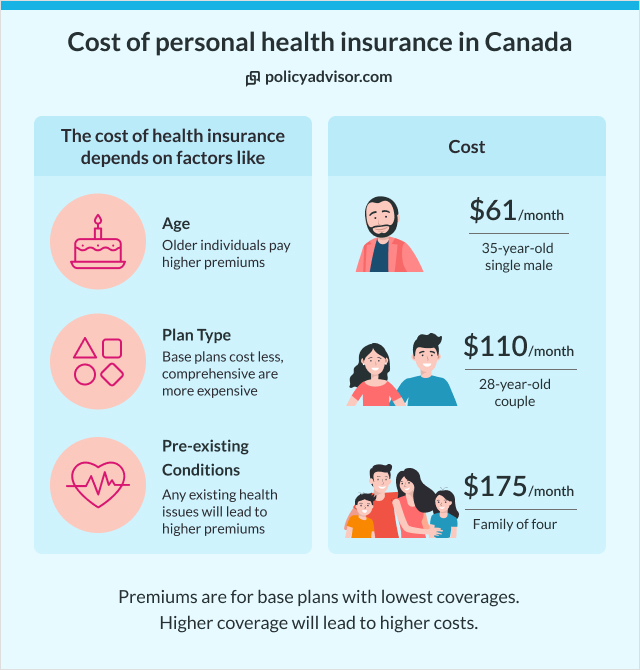
Age is one of the most significant factors influencing premiums. Generally, older individuals pay more for health insurance because they are statistically more likely to require medical care. Insurers are allowed to charge older adults up to three times more than younger individuals for the same plan under the Affordable Care Act (ACA) regulations.
Location: Geography Matters
Where you live plays a substantial role in your premium costs. Health insurance markets are local, meaning costs can vary significantly by state, county, and even ZIP code. Factors contributing to regional differences include the number of competing insurers, the average cost of healthcare services in the area, state regulations, and the overall health of the population.
Plan Type and Metal Tier: Balancing Cost and Coverage
The type of plan you choose (e.g., HMO, PPO, EPO) and its “metal tier” (Bronze, Silver, Gold, Platinum) directly impact premiums.
-
Metal Tiers:
-
Bronze plans have the lowest monthly premiums but the highest deductibles and out-of-pocket costs. They cover about 60% of healthcare costs.
-
Silver plans have moderate premiums and moderate out-of-pocket costs, covering about 70% of costs. These are often the most popular plans, especially as they qualify for cost-sharing reductions for those with lower incomes.
-
Gold plans have higher premiums but lower deductibles and out-of-pocket costs, covering about 80% of costs.
-
Platinum plans have the highest premiums but the lowest deductibles and out-of-pocket costs, covering about 90% of costs.
-
The higher the metal tier, the higher the premium, but the lower your costs when you receive care.
Tobacco Use: A Lifestyle Surcharge
Insurers are permitted to charge individuals who use tobacco products higher premiums—up to 50% more in some states under ACA guidelines. This surcharge reflects the increased health risks and associated healthcare costs linked to tobacco use.

Network Size and Type: Access vs. Cost
Plans with broader networks of doctors and hospitals (like many PPOs) often come with higher premiums than plans with more restricted networks (like many HMOs). The trade-off is often greater flexibility in choosing providers versus a lower monthly cost.
Navigating the Individual Health Insurance Market
For those not covered by an employer, Medicare, or Medicaid, the individual health insurance market is the primary avenue for securing coverage. Understanding how this market functions and what assistance is available is crucial for managing costs.
The Health Insurance Marketplace (Exchange)
Most individuals purchase health insurance through state or federal marketplaces established by the ACA. These marketplaces allow you to compare plans, check eligibility for financial assistance, and enroll in coverage. All plans offered on the marketplace must cover a set of essential health benefits, including prescription drugs, mental health services, maternity care, and preventive services.
Financial Assistance: Subsidies and Tax Credits
One of the most significant aspects of the individual market is the availability of financial assistance to make premiums more affordable.
-
Premium Tax Credits: These are government subsidies that reduce your monthly premium. Eligibility is based on your household income relative to the federal poverty level (FPL). The lower your income (within certain ranges), the higher your tax credit. These credits can be taken in advance to lower your monthly payments or as a lump sum when you file taxes.
-
Cost-Sharing Reductions (CSRs): These subsidies lower your out-of-pocket costs (deductibles, copays, coinsurance) if you enroll in a Silver-tier plan and meet specific income thresholds. CSRs effectively make Silver plans much more valuable for eligible individuals, as they provide better coverage than a standard Silver plan for the same or even lower premium.
Off-Exchange Plans: Direct from Insurers
While most people find the best value through the marketplace due to subsidies, it’s also possible to purchase plans directly from insurance companies (off-exchange). These plans are often identical to those offered on the exchange in terms of benefits but do not allow you to access premium tax credits or cost-sharing reductions. Therefore, off-exchange plans are typically only cost-effective for individuals who do not qualify for subsidies.
Short-Term Health Insurance: A Limited Alternative
Short-term health insurance plans offer temporary coverage, often for a few months up to a year. They typically have much lower premiums than ACA-compliant plans, but they also offer far less comprehensive coverage. They often do not cover essential health benefits, may exclude pre-existing conditions, and do not qualify for subsidies. These plans are generally suited only for individuals in transitional periods (e.g., between jobs) who need immediate, temporary coverage and understand the significant limitations. They are not a substitute for comprehensive major medical insurance.
Strategic Approaches to Reducing Your Health Insurance Costs
While many factors influencing health insurance costs are beyond your immediate control, several strategies can help you find more affordable coverage and manage your overall healthcare expenses effectively.
Shop Around Annually: The Power of Comparison
The health insurance market changes every year, with new plans, adjusted premiums, and revised subsidy amounts. It’s crucial to compare plans annually during the open enrollment period, even if you’re satisfied with your current coverage. A quick check might reveal a comparable plan with a lower premium or a better value plan with enhanced benefits for a similar cost. Utilize the Health Insurance Marketplace to easily compare options.
Leverage Health Savings Accounts (HSAs)
If you enroll in a high-deductible health plan (HDHP), you may be eligible to open a Health Savings Account (HSA). HSAs are powerful tax-advantaged savings accounts that can be used to pay for qualified medical expenses.
-
Tax Benefits: Contributions are tax-deductible, earnings grow tax-free, and withdrawals for qualified medical expenses are tax-free.
-
Flexibility: Funds roll over year to year and are portable, meaning they stay with you even if you change employers or plans.
-
Long-Term Savings: After age 65, you can withdraw funds for any purpose without penalty (though they’ll be taxed as ordinary income if not used for medical expenses), effectively functioning like an additional retirement account.
Using an HSA with an HDHP can significantly lower your overall healthcare costs by providing a tax-efficient way to pay for deductibles and other out-of-pocket expenses.
Optimize Plan Selection Based on Expected Usage
Consider your anticipated healthcare needs for the coming year.
-
Low Usage / Healthy Individuals: If you’re generally healthy and anticipate minimal doctor visits, a Bronze or high-deductible Silver plan with lower premiums might be more cost-effective, especially if coupled with an HSA. You’ll save on monthly payments and only pay a higher amount if a significant medical event occurs.
-
Moderate Usage / Chronic Conditions: If you have chronic conditions, take regular prescription medications, or anticipate frequent doctor visits, a Gold or Platinum plan, or a Silver plan with CSRs, might be a better value. While premiums are higher, lower deductibles, copays, and coinsurance can result in significant overall savings.
Maximize Preventive Care
Most ACA-compliant plans cover a wide range of preventive services at no additional cost, even before you meet your deductible. These include annual physicals, screenings, and immunizations. Utilizing these services can help detect health issues early, potentially preventing more serious and costly conditions down the line.
Understand Provider Networks
Be aware of the provider network associated with your chosen plan. HMOs typically require you to choose a primary care physician (PCP) within their network and get referrals for specialists. PPOs offer more flexibility, allowing you to see out-of-network providers for a higher cost. Staying within your plan’s network will almost always result in lower out-of-pocket costs. Ensure your preferred doctors and hospitals are in-network before enrolling.
The cost of personal health insurance is a multi-faceted expense, extending far beyond the monthly premium. By understanding the various components of cost, the factors that influence them, and the available financial assistance and strategic options, individuals can make informed decisions to secure adequate coverage while effectively managing their personal finances.
aViewFromTheCave is a participant in the Amazon Services LLC Associates Program, an affiliate advertising program designed to provide a means for sites to earn advertising fees by advertising and linking to Amazon.com. Amazon, the Amazon logo, AmazonSupply, and the AmazonSupply logo are trademarks of Amazon.com, Inc. or its affiliates. As an Amazon Associate we earn affiliate commissions from qualifying purchases.