
When investors ask, “How much does Nvidia stock cost?” they are often looking for more than just a ticker symbol’s daily quote. In the world of high-stakes finance, the cost of a stock is a multifaceted concept that encompasses the current market price, the underlying valuation, and the historical context of its growth. As the primary beneficiary of the generative AI boom, Nvidia (NVDA) has become a cornerstone of modern portfolios, making it essential to understand the financial mechanics behind its share price.
This guide explores the various dimensions of Nvidia’s cost, from its nominal share price and market capitalization to the valuation metrics that professional investors use to determine if the stock is a bargain or overvalued.

Analyzing the Current Market Value of Nvidia (NVDA)
The most immediate answer to “how much it costs” is the market price listed on exchanges like the Nasdaq. However, for a company as dynamic as Nvidia, this number is a moving target influenced by global supply chains, quarterly earnings reports, and shifts in investor sentiment regarding artificial intelligence.
The Impact of the 10-for-1 Stock Split
To understand Nvidia’s current price, one must look back at its historical corporate actions—specifically the 10-for-1 stock split implemented in June 2024. Prior to this split, Nvidia shares were trading at over $1,000 each, a price point that created a high barrier to entry for many retail investors.
By executing the split, Nvidia reduced the “cost” of a single share to roughly one-tenth of its previous value without changing the company’s overall market capitalization. This move was designed to make ownership more accessible to employees and individual investors. For the modern investor, the split means that the “cost” of entry is now significantly lower on a per-share basis, even though the total value of the company remains the same.
Market Capitalization vs. Share Price
It is a common pitfall for novice investors to equate a low share price with a “cheap” stock. In finance, the true cost of a company is its market capitalization—the total dollar value of all outstanding shares. Nvidia recently made headlines by joining the elite club of companies with a market cap exceeding $3 trillion.
When you buy a share of Nvidia, you are buying a tiny percentage of that $3 trillion entity. If Nvidia’s share price is $120, and another company’s share price is $500, Nvidia is not necessarily “cheaper.” In fact, because Nvidia has billions of shares outstanding, it is one of the most expensive and valuable companies on the planet. Understanding this distinction is vital for anyone looking to allocate capital effectively within their portfolio.
Beyond the Sticker Price: Valuation Metrics and Ratios
To determine the true financial “cost” of an investment, professionals look at valuation ratios. These metrics tell you how much you are paying for every dollar of profit or revenue the company generates.
Price-to-Earnings (P/E) Ratio Explained
The P/E ratio is the most common tool used to assess stock cost. It is calculated by dividing the current share price by the company’s earnings per share (EPS). For Nvidia, the P/E ratio has historically been high compared to the broader S&P 500. This is because investors are willing to pay a premium for Nvidia’s explosive growth.
However, a more nuanced way to look at Nvidia is through the “Forward P/E,” which uses estimated future earnings. Because Nvidia’s revenue has tripled in recent quarters due to AI chip demand, a high trailing P/E might actually look reasonable when compared to the projected future profits. If you pay $120 for a share today, but the company’s earnings are expected to double next year, the “cost” of that future growth may be lower than it appears on the surface.
Growth Expectations and Forward Guidance
In the semiconductor industry, the stock price is heavily influenced by “forward guidance”—the company’s own predictions for the coming months. When Nvidia provides an optimistic outlook for its Blackwell architecture or data center chips, the stock price often climbs, increasing the immediate cost to buy in.
Investors must weigh the “cost” of the stock against the “cost of missing out.” If the company continues to beat expectations, today’s “expensive” price might be tomorrow’s bargain. Conversely, if growth slows, the stock’s valuation may contract, making the current entry price look steep in hindsight.
Factors Influencing the Price Fluctuations of Nvidia Stock
Nvidia does not trade in a vacuum. Its price is subject to a variety of internal and external pressures that can cause significant daily and monthly volatility.
The AI Revolution and Data Center Revenue
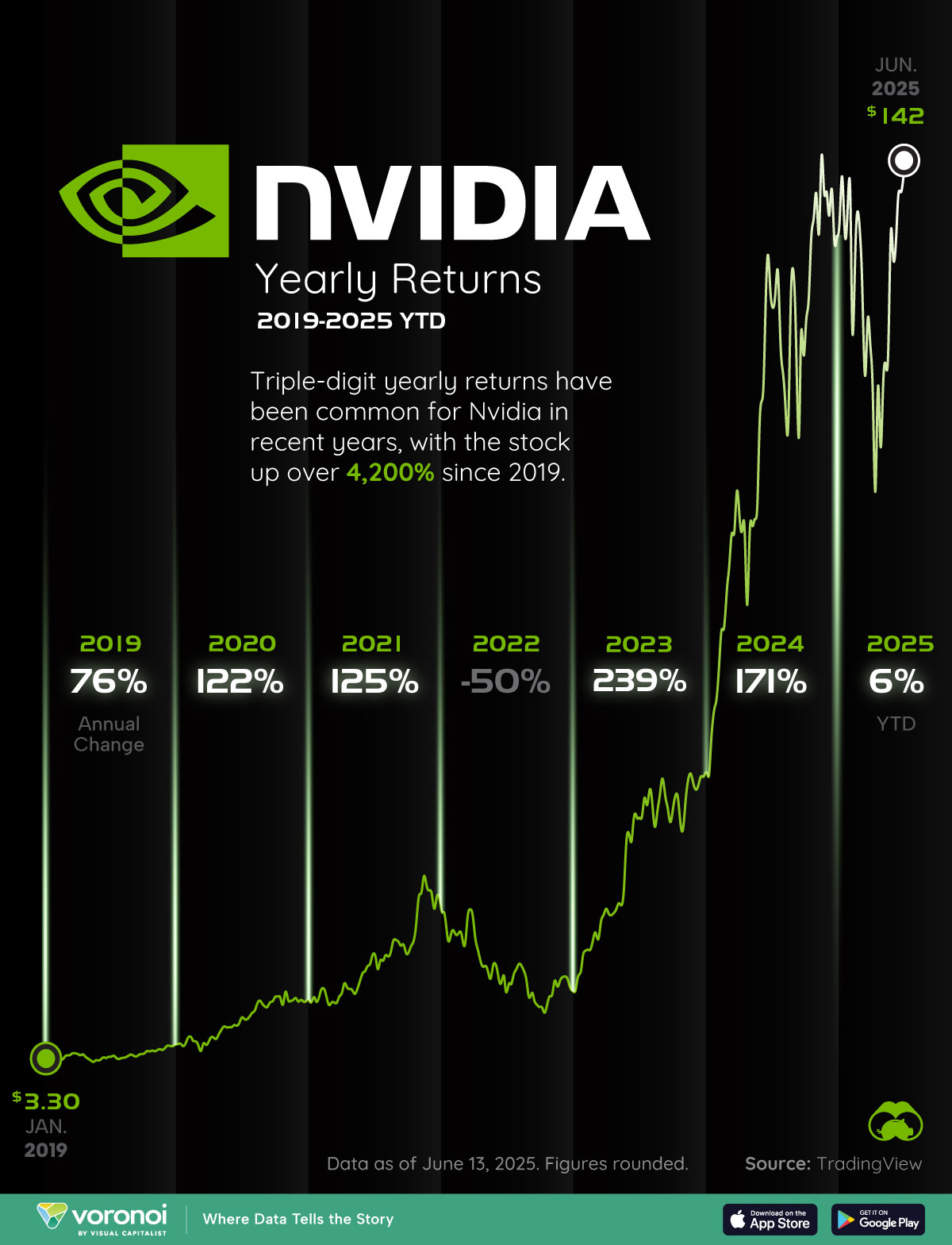
The primary driver of Nvidia’s stock price over the last two years has been the shift toward accelerated computing. Nvidia’s H100 and H200 GPUs have become the “gold standard” for training large language models like GPT-4. Consequently, the company’s Data Center segment now accounts for the lion’s share of its revenue.
When big tech firms like Microsoft, Meta, or Alphabet announce increased capital expenditure on AI infrastructure, Nvidia’s stock price typically rises. The “cost” of the stock is essentially a bet on the continued expansion of the AI ecosystem. If you believe AI is a long-term structural shift in the global economy, the current stock price may be justified by the sheer scale of the addressable market.
Macroeconomic Trends and Interest Rates
Like all high-growth tech stocks, Nvidia is sensitive to macroeconomic conditions, particularly interest rates. When the Federal Reserve raises interest rates, the “cost” of future earnings becomes higher when discounted back to the present. This often leads to a sell-off in growth stocks as investors move toward “safer” assets like bonds.
Furthermore, geopolitical tensions—specifically those involving chip manufacturing in Taiwan—can cause sudden price drops. Since Nvidia relies on TSMC for its chip production, any perceived threat to the supply chain adds a “risk premium” to the stock price. Investors must account for this volatility when deciding how much they are willing to pay for the stock.
Strategic Approaches to Investing in Nvidia
Knowing the price is one thing; knowing how to manage the cost of your investment is another. Successful investing requires a strategy that mitigates the risks of buying at the “wrong” time.
Dollar-Cost Averaging (DCA) Strategies
Because Nvidia is known for its high volatility, many financial advisors recommend Dollar-Cost Averaging (DCA). Instead of trying to time the market and buy a large block of shares at a specific price, you invest a fixed dollar amount at regular intervals (e.g., $500 every month).
This strategy averages out the “cost” of your shares over time. When the price is high, your $500 buys fewer shares; when the price dips, your $500 buys more. Over the long term, DCA can lower your average cost per share and reduce the emotional stress associated with watching daily price swings in the tech sector.
Assessing Risk: Volatility in the Semiconductor Sector
The semiconductor industry is historically cyclical. It often goes through “boom and bust” periods of oversupply and undersupply. While the current AI cycle is unprecedented, investors must be aware that Nvidia’s stock can experience “drawdowns”—periods where the price drops by 20% or more.
Before committing capital, an investor should determine their risk tolerance. If a 15% drop in Nvidia’s share price would cause you to panic-sell, you may need to reconsider the size of your position. The “cost” of investing in Nvidia isn’t just the money; it’s the stomach for volatility required to hold through market corrections.
The Long-Term Financial Outlook for NVDA Shareholders
When evaluating the cost of Nvidia stock, one must also consider the potential returns through various financial mechanisms beyond simple price appreciation.
Dividend Yield and Share Buybacks
While Nvidia is primarily a growth stock, it does pay a small dividend. More importantly, the company frequently engages in massive share buyback programs. When a company buys back its own shares, it reduces the total supply, which can increase the value of the remaining shares.
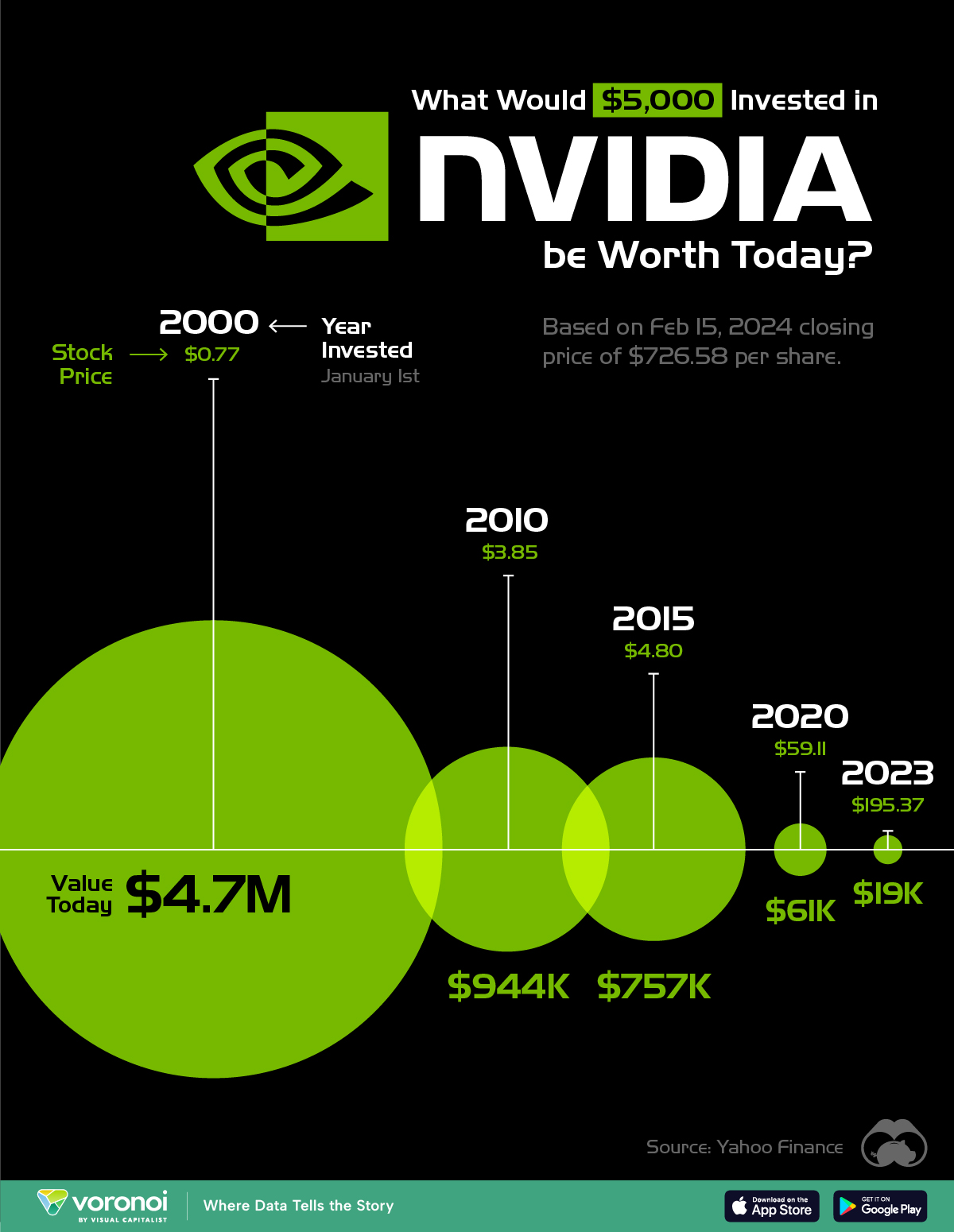
For a long-term investor, these buybacks are a way the company “returns” value. Even if the share price remains flat for a period, the underlying financial health and the reduction in share count can improve the quality of your investment. This adds a layer of “value” that offsets the initial cost of the purchase.
Diversification within a Tech-Heavy Portfolio
Finally, the “cost” of owning Nvidia should be viewed in the context of your entire portfolio. If you already own an S&P 500 index fund or a tech-heavy ETF like the QQQ, you likely already have significant exposure to Nvidia.
Over-concentration in a single stock, regardless of how successful the company is, increases your financial risk. A prudent investor calculates the “weighted cost” of their Nvidia position across all accounts to ensure they are not over-leveraged in the semiconductor space. By maintaining a diversified portfolio, you protect yourself against the specific risks associated with Nvidia’s business model while still participating in its potential upside.
In conclusion, the cost of Nvidia stock is not a static number. It is a reflection of current market demand, future earnings potential, and the broader economic landscape. By looking past the daily ticker price and analyzing valuation metrics, growth drivers, and strategic entry points, investors can make informed decisions that align with their long-term financial goals.
aViewFromTheCave is a participant in the Amazon Services LLC Associates Program, an affiliate advertising program designed to provide a means for sites to earn advertising fees by advertising and linking to Amazon.com. Amazon, the Amazon logo, AmazonSupply, and the AmazonSupply logo are trademarks of Amazon.com, Inc. or its affiliates. As an Amazon Associate we earn affiliate commissions from qualifying purchases.