
Lululemon Athletica Inc. has carved out a unique and enviable position in the activewear market, synonymous with premium quality, innovative design, and a distinctive lifestyle. Yet, alongside its widespread acclaim, a common question echoes among prospective buyers and curious consumers: “How much does Lululemon cost?” It’s a question that goes beyond mere sticker prices, delving into perceived value, investment, and the impact on one’s personal finances.
Understanding Lululemon’s pricing requires a nuanced perspective, moving beyond direct comparisons with fast-fashion alternatives. It necessitates an exploration of the brand’s strategic positioning, its commitment to material innovation, and the holistic experience it offers. For many, Lululemon isn’t just clothing; it’s an investment in comfort, performance, and a particular lifestyle aesthetic. This article will dissect the financial implications of Lululemon’s pricing, helping you determine if their premium cost aligns with your personal finance philosophy and spending priorities.
Understanding Lululemon’s Premium Pricing Strategy
Lululemon’s distinctive pricing strategy isn’t arbitrary; it’s a meticulously crafted approach designed to communicate value, quality, and exclusivity. To truly understand “how much Lululemon costs,” one must first appreciate the underlying reasons for its premium position in the market.
The “Why” Behind the Price Tag: Quality, Innovation, and Materials
At the heart of Lululemon’s cost structure lies its unwavering commitment to proprietary fabrics and rigorous product development. Unlike many competitors who might source generic materials, Lululemon invests heavily in research and development to create textiles like Luon®, Nulu™, Everlux™, and Luxtreme™. These fabrics are engineered for specific performance attributes—whether it’s the buttery softness of Align leggings, the sweat-wicking properties of Wunder Train, or the durability of their outerwear.
The development of these materials involves significant upfront costs in scientific research, testing, and manufacturing processes. Each fabric is designed to offer a unique blend of stretch, breathability, compression, and softness, aimed at enhancing athletic performance and everyday comfort. This focus on material innovation directly translates into higher production costs per garment, which are then reflected in the retail price. Furthermore, Lululemon’s products are often noted for their exceptional craftsmanship, including flatlock seams to prevent chafing, strategic ventilation, and thoughtful pocket placements. These details contribute to a superior user experience and, consequently, a higher manufacturing outlay.
Brand Perception and Market Positioning as a Financial Asset
Beyond the tangible quality of its products, Lululemon’s pricing strategy is heavily influenced by its brand perception and sophisticated market positioning. Lululemon has successfully cultivated an image of aspirational luxury activewear, targeting a demographic that values wellness, fitness, and quality of life. This perception allows the brand to command higher prices. Consumers are often willing to pay a premium for brands that resonate with their identity or symbolize a particular status.
From a financial perspective, Lululemon’s brand equity is a significant asset. It allows the company to maintain healthy profit margins, reinvest in innovation, and expand its global footprint. For the consumer, buying Lululemon isn’t just about the product; it’s about associating with a lifestyle that embodies health, mindfulness, and a commitment to personal well-being. This emotional connection, while intangible, plays a crucial role in justifying the higher price point for many customers. It’s a classic example of how strong brand narrative translates into financial willingness to pay more.
Retail Experience and Customer Service as Value Additions
The Lululemon experience extends far beyond the product itself. Their retail stores are meticulously designed to be inviting, community-focused hubs, often offering complimentary yoga classes, fitness events, and personalized styling advice. The staff, known as “educators,” are highly trained and passionate about the products and the brand’s philosophy, providing a level of customer service that aims to be exceptional.
These experiential elements are not free; they represent significant operational costs for the company, from real estate and store design to staff training and community program funding. However, they are integral to the perceived value of the brand. A positive, engaging, and supportive retail environment enhances the overall purchasing experience, making customers feel more connected to the brand and, in turn, more satisfied with their investment. Moreover, Lululemon’s commitment to product satisfaction, including generous return policies and quality guarantees, further solidifies its value proposition, offering a financial safeguard that many fast-fashion brands do not.
A Breakdown of Lululemon Product Costs
To fully grasp “how much Lululemon costs,” it’s essential to look at the typical price ranges across its diverse product categories. This provides a clearer financial picture for budgeting and comparison.
Core Apparel: Leggings, Bras, and Tops
Lululemon’s most iconic and sought-after items typically fall within its core apparel range.
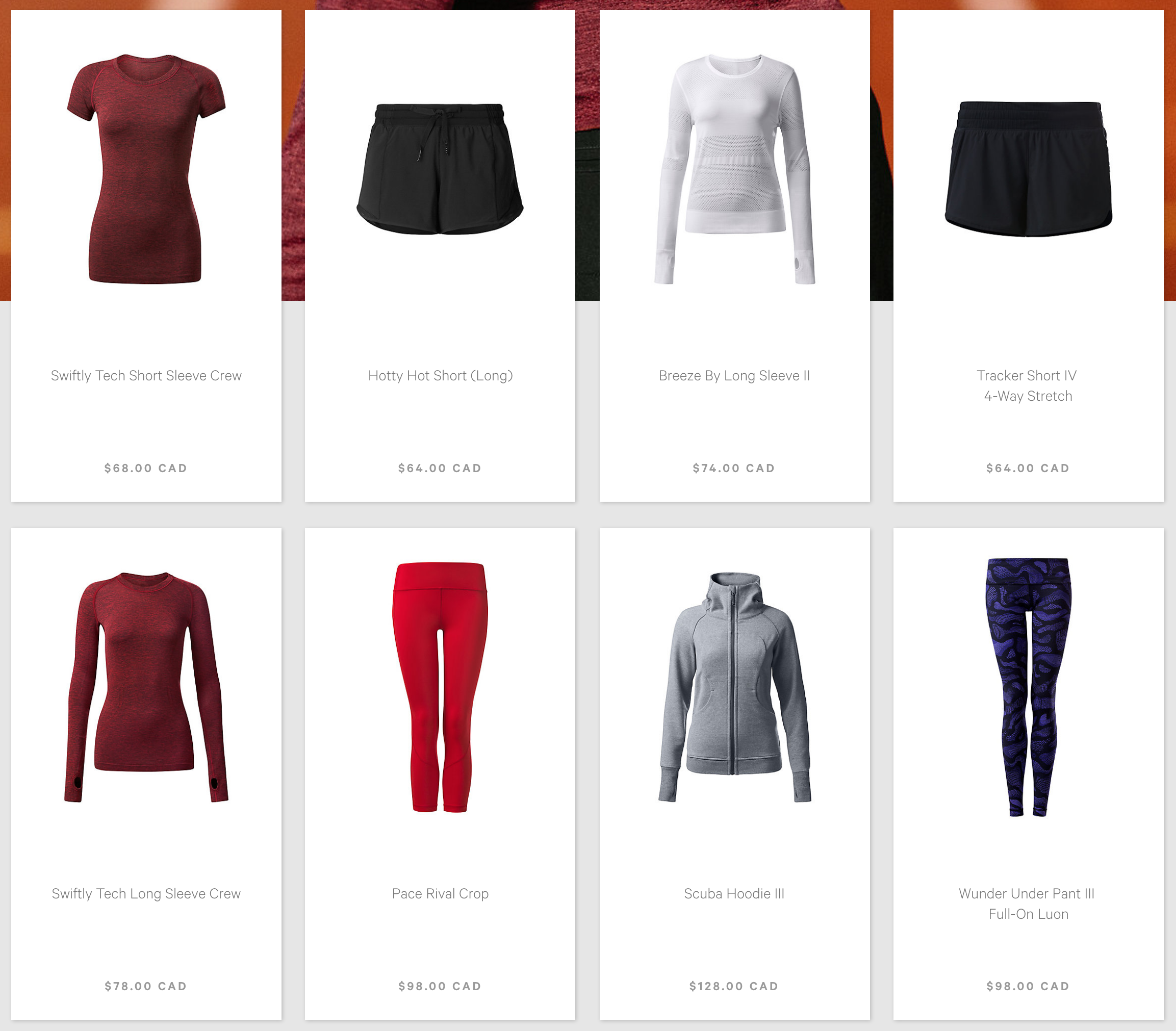
- Leggings: The cornerstone of their collection, leggings like the Align Pant (known for its Nulu fabric) often range from $98 to $128 USD. Other popular styles, such as the Wunder Train or Fast and Free leggings, fall within a similar bracket, sometimes slightly higher or lower depending on features like pockets or specific fabric blends. These prices reflect the advanced fabric technology, ergonomic design, and brand prestige.
- Sports Bras: Essential for any active wardrobe, Lululemon sports bras vary significantly based on support level and style. Low-support bras might start around $48-$58 USD, while medium to high-support options can climb to $68-$78 USD.
- Tops and Tanks: Performance tops and everyday tanks range broadly. Basic tank tops or short-sleeve tees might cost $48-$68 USD, while more technical long-sleeve tops or specialized running shirts can be found between $78-$98 USD.
These figures represent a significant investment compared to many competitors, underscoring the brand’s premium market position.
Outerwear, Accessories, and Specialty Items
Beyond core apparel, Lululemon offers a comprehensive range of products that cater to various athletic and lifestyle needs, often at higher price points.
- Outerwear: Jackets and hoodies are some of Lululemon’s more expensive items. Their popular Scuba hoodies can range from $118 to $128 USD, while more technical running jackets or insulated parkas can easily reach $168 to $298+ USD. The higher cost here is attributed to more complex designs, additional features (like waterproofing or insulation), and larger material usage.
- Accessories: This category includes everything from yoga mats and bags to water bottles and hair accessories. Yoga mats typically cost between $68 and $88 USD, while duffel bags and backpacks can range from $78 to $168 USD. Smaller accessories like headbands or scrunchies might be $12-$28 USD.
- Specialty Items: Limited edition collections, collaborations, or highly technical gear designed for specific sports (e.g., hiking, golf) can sometimes exceed typical price points due to unique features or exclusivity.
Men’s vs. Women’s Collections: Pricing Similarities and Differences
Historically, Lululemon was primarily known for its women’s activewear, but its men’s line has expanded significantly and gained considerable traction. In terms of pricing, there’s often a high degree of parity between comparable items in the men’s and women’s collections.
- Men’s Bottoms: Pants and shorts, such as the ABC Pants or Surge Shorts, typically range from $78 to $128 USD, similar to women’s leggings.
- Men’s Tops: Performance tees and hoodies for men also fall within similar price brackets as their women’s counterparts, often starting from $68 for basic tees and going up to $108-$138 USD for performance hoodies or long-sleeve running shirts.
While there might be minor variations based on specific fabric uses or design complexities, Lululemon generally applies its premium pricing model consistently across both its men’s and women’s offerings, reflecting the same commitment to quality and brand experience.
Is Lululemon Worth the Investment? A Personal Finance Perspective
For many consumers, the question isn’t just “how much does Lululemon cost?” but “is it worth that cost?” From a personal finance standpoint, evaluating the value of a premium purchase like Lululemon involves looking beyond the initial sticker price and considering long-term benefits, budgeting strategies, and potential resale value.
Longevity vs. Fast Fashion: Calculating Cost Per Wear (CPW)
One of the most compelling financial arguments for Lululemon’s higher price point is its perceived longevity and durability. In contrast to fast-fashion brands, where items might degrade after a few washes, Lululemon often boasts a superior lifespan. To assess true financial value, consider the “Cost Per Wear” (CPW).
CPW = Total Cost of Item / Number of Times Worn
A $100 pair of Lululemon leggings worn 100 times has a CPW of $1. A $30 pair of fast-fashion leggings worn 10 times has a CPW of $3. While the initial outlay for Lululemon is higher, if the garment lasts significantly longer and maintains its quality, its CPW can often be lower than cheaper alternatives. This makes Lululemon a more financially savvy choice in the long run for those who wear activewear frequently and prioritize durability.
Budgeting for Lululemon: Tips for Savvy Shoppers
Integrating Lululemon into a personal budget requires strategic planning. For those unwilling or unable to pay full price, several options exist:
- Sales and Promotions: Lululemon periodically holds “We Made Too Much” sales online and in-store, offering discounts on seasonal or overstocked items. Major holidays like Black Friday also see significant markdowns.
- Outlet Stores: Lululemon outlets often carry past-season items or styles with minor imperfections at reduced prices.
- Lululemon Like New: This official trade-in and resale program allows customers to buy pre-owned Lululemon items at a discount and trade in their own items for gift cards, promoting circularity and affordability.
- Gift Cards: Asking for Lululemon gift cards for birthdays or holidays can help offset the cost.
- Financial Planning: Allocating a specific amount in your discretionary spending budget each month or quarter can help save up for desired items without derailing overall financial goals.
The Resale Market and Retained Value
Another unique financial aspect of Lululemon is its strong performance in the resale market. Unlike many clothing brands that rapidly depreciate once purchased, Lululemon items, especially popular styles and good condition pieces, retain a significant portion of their original value. Platforms like Poshmark, eBay, and Vinted are thriving marketplaces for pre-owned Lululemon.
This robust resale market offers a tangible financial benefit:
- Offsetting Costs: If you decide to sell an item you no longer wear, you can recoup a considerable percentage of your initial investment, effectively reducing the net cost of ownership.
- Sustainable Shopping: Buying pre-owned Lululemon is a cost-effective and environmentally friendly way to acquire premium activewear.
- Treating it as a Depreciating Asset: While not an investment in the traditional sense, the higher retained value means your “asset” depreciates slower, making it a more financially sound purchase than items that lose all value upon leaving the store.
Beyond the Sticker Price: The Broader Financial Implications
The financial considerations of Lululemon extend beyond direct purchase costs, influencing broader personal budgeting, psychological impacts, and even perceptions of financial self-care.
The Psychological Cost of Premium Purchases
The act of purchasing a premium item like Lululemon can have various psychological impacts on an individual’s financial well-being. For some, it can be a source of motivation, inspiring them to work out more or pursue fitness goals, potentially leading to long-term health savings. It can also evoke a sense of pride and confidence in their appearance.
However, for others, such purchases might lead to financial guilt, especially if they overspend or go beyond their budget. The pressure to “keep up” with a perceived lifestyle can create financial stress. Understanding your personal relationship with money and consumerism is crucial here. A mindful approach means assessing whether the perceived benefits outweigh the potential for financial strain or psychological discomfort.
Impact on Personal Budgets and Discretionary Spending
Lululemon’s pricing directly impacts personal budgets, particularly the discretionary spending category. Deciding to invest in Lululemon often means making trade-offs with other spending priorities. For example, the funds allocated for a new pair of leggings might mean less money for dining out, entertainment, or saving for other goals.
Effective budgeting involves prioritizing needs versus wants and aligning spending with financial goals. If fitness and high-quality activewear are a high priority, then allocating a portion of discretionary income to Lululemon makes sense. However, it’s vital to ensure these purchases don’t jeopardize essential expenses, savings, or debt repayment plans. A balanced budget acknowledges desired purchases while maintaining financial stability.
Lululemon as a “Lifestyle Investment” – Financial Self-Care?
For many, spending on high-quality fitness gear like Lululemon is seen not just as a clothing purchase but as an investment in a healthy lifestyle. This perspective frames the expense as a form of “financial self-care.” By supporting physical activity and well-being, such purchases can be indirectly linked to long-term health benefits, potentially reducing future healthcare costs.
From this viewpoint, a durable, comfortable, and motivating activewear wardrobe facilitates consistent exercise, which is a cornerstone of preventative health. While difficult to quantify precisely, the financial returns on health and wellness—fewer sick days, increased energy for work, reduced stress—can be significant. Thus, for some, the cost of Lululemon is justified as part of a broader financial strategy that prioritizes health and overall quality of life.
Alternative Strategies for the Budget-Conscious Consumer
While Lululemon’s premium appeal is strong, recognizing its financial implications is key. For those who appreciate the style and quality but operate on a tighter budget, several strategies can help manage costs or find suitable alternatives.
Exploring Comparable Brands at Different Price Points
The activewear market has diversified considerably, offering numerous brands that provide quality and style at various price points.
- Mid-Range Alternatives: Brands like Athleta (Gap Inc.), Zella (Nordstrom’s in-house brand), and CRZ YOGA (Amazon) offer performance apparel with similar aesthetics and functional features to Lululemon, often at 20-50% lower prices. They use quality materials and designs, striking a good balance between cost and performance.
- Budget-Friendly Options: Old Navy Active, H&M Sport, and Target’s All in Motion line provide highly affordable activewear that can be suitable for casual wear or less intensive workouts. While they may not match Lululemon’s proprietary fabrics or longevity, they offer accessible entry points into active lifestyles.
- Specialty Brands: For specific activities, other brands might offer superior technical features at competitive prices. For example, brands focused purely on running or hiking might provide specialized gear that meets unique performance needs without the broad lifestyle premium.
Smart Shopping Habits: Timing Purchases and Leveraging Discounts
Maximizing your budget when shopping for Lululemon (or any premium brand) involves strategic timing and smart consumer habits.
- Seasonal Sales: Pay attention to major retail events like Black Friday, Cyber Monday, End-of-Season sales (e.g., winter clearouts in January, summer sales in July). Lululemon’s “We Made Too Much” section is updated regularly, offering a steady stream of discounted items.
- Warehouse Sales: Occasionally, Lululemon hosts large-scale warehouse sales, offering significant discounts, though these are rare and highly localized.
- Student/Military/First Responder Discounts: Check if you qualify for any special discounts. Lululemon has offered these in the past, providing a percentage off regular-priced items as a token of appreciation.
- Gift Cards from Discount Retailers: Some third-party retailers occasionally sell Lululemon gift cards at a slight discount, offering a small but useful saving.

Extending Product Lifespan: Care and Maintenance for Maximizing Value
The “cost” of Lululemon isn’t just the purchase price; it also includes the longevity of the garment. Proper care and maintenance are crucial for maximizing the financial value of your investment.
- Follow Care Instructions: Always refer to the specific washing and drying instructions on the garment’s tag. Lululemon’s technical fabrics often require cold water washes, gentle cycles, and air drying to preserve their integrity, elasticity, and performance features. Avoid harsh detergents, fabric softeners, and high heat, which can damage specialized fibers like Lycra.
- Prompt Repairs: If a seam loosens or a minor tear occurs, address it promptly. Many Lululemon stores offer complimentary repairs for common issues, extending the life of your garments and preventing the need for costly replacements.
- Storage: Store activewear properly, avoiding cramped spaces that can stretch or snag fabrics.
By treating your Lululemon items with care, you prolong their life, reduce their cost per wear, and protect your initial financial outlay, making them a more sustainable and financially sensible choice in the long run.
In conclusion, “how much does Lululemon cost?” is a multifaceted question with answers that span direct price points, brand philosophy, personal finance strategies, and a broader understanding of value. While the sticker price is undoubtedly premium, a comprehensive financial analysis reveals that the investment can be justified through quality, longevity, strong resale value, and a commitment to a healthy lifestyle. For the budget-conscious, strategic shopping and proper care can further enhance this value proposition, ensuring that Lululemon remains an aspirational yet attainable element of one’s personal finance and wellness journey.
aViewFromTheCave is a participant in the Amazon Services LLC Associates Program, an affiliate advertising program designed to provide a means for sites to earn advertising fees by advertising and linking to Amazon.com. Amazon, the Amazon logo, AmazonSupply, and the AmazonSupply logo are trademarks of Amazon.com, Inc. or its affiliates. As an Amazon Associate we earn affiliate commissions from qualifying purchases.