
The decision to ship a beloved dog across state lines or even internationally is often fraught with emotional considerations. Yet, underlying these feelings is a critical practical concern: the cost. Understanding the financial implications of pet relocation is paramount for responsible pet ownership and effective budgeting. Shipping a dog isn’t a one-size-fits-all expense; it’s a complex mosaic of variables, services, and regulatory requirements, each carrying its own price tag. This guide aims to unravel the intricacies of dog shipping costs, offering a robust financial framework to help you plan, budget, and execute your pet’s journey with confidence and clarity. From basic transport fees to unforeseen veterinary expenses and specialized services, we’ll explore every financial facet, ensuring you’re well-equipped to make informed decisions that prioritize both your wallet and your furry friend’s well-being.
Understanding the Core Costs of Dog Shipping
At the heart of any dog shipping budget lies the fundamental expense of transportation itself. This core cost is shaped by several key factors, each contributing significantly to the final quote you receive. Navigating these initial considerations is the first step towards a realistic financial plan.
Air Cargo vs. Ground Transport: A Price Comparison
The primary determinant of your shipping cost will often be the mode of transport. Air cargo, while typically faster, comes with a different set of expenses and regulations compared to ground transport.
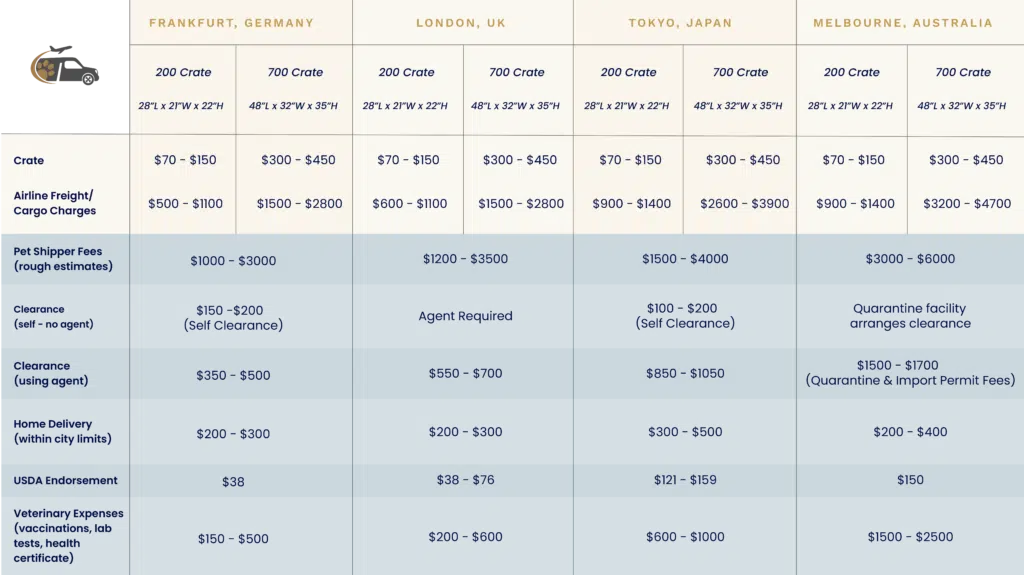
- Air Cargo: Generally, air cargo services can range from $500 to $2,500 for domestic flights and significantly more for international journeys, potentially reaching $3,000 to $8,000 or even higher. The cost is influenced by the airline’s specific pet policies, cargo space availability, layovers, and the directness of the flight path. For instance, direct flights are often more expensive but reduce travel time and potential stress for the animal. Airlines also factor in fuel surcharges, handling fees, and specific climate-controlled cargo requirements. While seemingly more expensive upfront, the speed can sometimes reduce ancillary costs like boarding fees if the dog needs to be held for an extended period.
- Ground Transport: Ground services, whether via dedicated pet transporters or general freight, can offer a more budget-friendly alternative, especially for shorter to moderate distances. Prices for ground transport can vary widely, from $300 to $1,000 for cross-state travel and $1,000 to $3,000 for cross-country trips. Factors influencing ground transport costs include fuel prices, driver wages, vehicle maintenance, and the type of service (e.g., shared transport with other pets vs. private, dedicated transport). Ground transport typically involves longer travel times, which means considering the cost of food, water, and comfort stops, though these are often included in the service fee.
Pet Size and Breed: Direct Impact on Pricing
It might seem obvious, but the physical characteristics of your dog play a critical role in shipping costs. Larger dogs require more space, heavier crates, and sometimes specialized handling, all of which translate into higher fees.
- Weight and Crate Dimensions: Airlines and ground transporters base their pricing on the volume and weight of the crate. A larger, heavier dog necessitates a larger, heavier crate, pushing up the shipping cost. For air travel, there are specific dimensions and weight limits for in-cabin vs. cargo hold transport. If your dog exceeds in-cabin limits (typically under 20-25 lbs including carrier), it must travel as cargo, incurring significantly higher costs.
- Breed-Specific Regulations: Certain brachycephalic (short-nosed) breeds like Bulldogs, Pugs, and Boston Terriers face specific restrictions or outright bans from air travel due to respiratory risks in cargo holds. If permitted, they often require larger, special crates and incur higher fees due to the increased perceived risk. This can sometimes push owners towards more expensive, specialized ground transport options for these breeds.
Distance and Destination: The Geographic Variable
The journey’s length and complexity are fundamental financial drivers. Shipping a dog across town is vastly different from shipping it across continents.
- Domestic vs. International: Domestic shipping is generally more straightforward and less expensive, dealing with a single country’s regulations. International shipping introduces a labyrinth of customs, quarantine laws, import permits, and veterinary requirements for both the origin and destination countries. These complexities can add hundreds to thousands of dollars in fees for documentation, brokerage, and potentially longer quarantine periods.
- Directness of Route and Connectivity: Just like human flights, direct pet flights are often pricier but minimize stress and layovers. If your destination is remote or requires multiple transfers, the cost will climb due to additional handling fees, potential overnight stays, and increased logistical complexity. Some remote locations may also incur additional “last mile” delivery charges.
Unpacking Additional Fees and Hidden Expenses
While the core transport cost forms the largest chunk of your budget, it’s crucial not to overlook a myriad of additional fees and potential “hidden” expenses that can quickly inflate the total. Ignoring these can lead to significant financial surprises.
Veterinary Health Certificates and Vaccinations
Before any journey, your dog must be deemed fit to travel by a veterinarian, and this involves more than just a quick check-up.
- Health Exam and Certificates: A mandatory health examination by a licensed veterinarian is required, often within a short window (e.g., 10 days) of travel. The cost for this can range from $50 to $300, depending on the vet and the complexity of the forms. International travel often requires more extensive and country-specific health certificates, sometimes endorsed by a USDA-accredited veterinarian, adding to the expense.
- Vaccinations and Parasite Treatments: Ensuring your dog is up-to-date on all required vaccinations (Rabies, Distemper, Parvovirus, etc.) is non-negotiable. If any are expired or missing, you’ll incur costs for boosters. International travel might require additional vaccinations (e.g., Lepto, Bordetella) or specific parasite treatments (e.g., tapeworm treatment for certain countries), adding another $50 to $200 per vaccine/treatment. Some countries also require a rabies titre test, which can cost $150 to $300 and has a specific waiting period.
Travel Crates: Compliance and Comfort Costs
The crate is your dog’s personal space during transit, and it must meet stringent safety and comfort standards. This isn’t an area to cut corners financially.
- IATA-Compliant Crates: For air travel, crates must adhere to International Air Transport Association (IATA) regulations, which specify construction materials, ventilation, labeling, and size requirements. Prices for IATA-compliant crates vary significantly by size, from $50 for a small carrier to $500+ for an extra-large, reinforced cargo crate. Custom-made crates for giant breeds can be even more expensive.
- Comfort Accessories: Beyond the basic crate, you’ll need to consider financially for bedding (absorbent and comfortable), water and food dishes (attachable to the crate door), and potentially comfort items like familiar toys or a blanket. These relatively small expenses can add $20 to $100 to your total.
Pet Relocation Services vs. DIY: A Cost-Benefit Analysis
Deciding whether to manage the logistics yourself or hire a professional pet relocation service has significant financial implications.
- DIY Approach: If you choose to handle everything yourself, you save on service fees, but you invest considerable time and effort. Your costs will include transport fees, vet bills, crate purchase, and potentially your own travel expenses if you need to be present at origin/destination. The hidden cost here is the potential for errors or missed requirements, which could lead to delays, additional fees, or even the dog being denied travel. This approach might save $500 to $3,000+ compared to professional services, but carries higher risk and stress.
- Professional Pet Relocation Services: These services handle all aspects, from veterinary appointments and paperwork to booking flights and managing customs. Their fees typically range from $1,000 to $5,000 for domestic moves and $3,000 to $10,000+ for international moves, above and beyond the direct shipping costs. While expensive, they offer expertise, peace of mind, and often have established relationships with airlines and veterinarians, streamlining the process and minimizing the risk of costly errors or delays. For complex international moves, the financial and emotional value of their expertise often outweighs the cost.
Insurance: Protecting Your Investment and Peace of Mind
Just like any valuable asset or loved one, insuring your dog during transport is a wise financial decision, even if it’s an added expense.
- Transit Insurance: Most airlines and pet transporters offer or require some form of transit insurance, covering loss, injury, or death during travel. The cost is usually a percentage of the dog’s declared value or a flat fee, ranging from $50 to $300+. It’s crucial to understand what the policy covers and its limitations. For valuable or purebred dogs, this becomes an even more critical financial consideration.
- Emergency Fund: Beyond formal insurance, it’s financially prudent to set aside an emergency fund of $200 to $500 for unforeseen circumstances such as unexpected overnight stays, last-minute vet visits, or changes to travel plans.
Factors Influencing Price Fluctuations
The cost of shipping a dog isn’t static; it can fluctuate based on external factors and the urgency of your needs. Understanding these variables allows for more strategic financial planning.
Time of Year and Peak Season Surcharges
Just like human travel, pet travel experiences peak seasons and corresponding price adjustments.
- Seasonal Demands: Summer months (June-August) and holidays are typically peak travel times, leading to higher demand for pet cargo space and potentially higher prices. Airlines often impose embargoes on pet travel during extreme temperatures, forcing travel into specific, often pricier, windows.
- Weather-Related Restrictions: Flights during extreme heat or cold might be delayed or rerouted for pet safety, incurring additional costs for boarding or extended transport. Financially, planning your move during off-peak seasons (e.g., spring or fall for temperate climates) can often result in lower fares and less stress.

Urgency and Expedited Shipping Options
Time is money, and this adage holds true for pet shipping. If you need your dog moved quickly, expect to pay a premium.
- Last-Minute Bookings: Booking pet transport with short notice often limits your options and can significantly increase costs, as you might need to opt for more expensive, flexible services or pay rush fees.
- Expedited Services: Some pet relocation companies offer expedited services for urgent situations, but these come with a substantial financial uplift, sometimes 20-50% more than standard rates, due to special handling and priority booking.
Special Needs and Behavioral Considerations
A dog’s individual characteristics can also impact the final price, particularly if they require extra attention.
- Medication Administration: If your dog requires medication during transit, you might incur additional fees for a pet attendant or specific instructions that need to be followed.
- Anxious or Aggressive Dogs: Dogs with severe anxiety or aggression issues may require specialized handling, tranquilizers (with vet approval), or private transport, all of which add to the cost. Some carriers may refuse to transport overly aggressive animals, narrowing your options and potentially increasing the expense of finding a suitable solution.
Strategies for Budgeting and Saving on Dog Shipping
While costs can be substantial, there are proactive financial strategies you can employ to manage expenses and potentially save money without compromising your dog’s safety and comfort.
Getting Multiple Quotes and Comparing Services
This is arguably the most impactful financial strategy. Never settle for the first quote.
- Solicit Detailed Bids: Contact at least 3-5 different pet transporters or airlines and request detailed, itemized quotes. Compare not just the bottom line, but what each service includes (e.g., crate, vet visits, customs clearance, door-to-door delivery).
- Understand What’s Included: Some quotes might seem cheaper but exclude critical services that you’ll end up paying for separately. Ensure you’re comparing apples to apples. This due diligence can potentially save you hundreds, if not thousands, of dollars.
Advanced Planning: The Key to Lower Costs
Procrastination is expensive when it comes to pet shipping.
- Book Early: Booking transport well in advance (3-6 months for international, 1-2 months for domestic) can often secure better rates, ensure availability, and provide ample time to complete all veterinary and documentation requirements without rush fees.
- Staggered Vet Visits: Plan your dog’s vet visits and vaccinations strategically to meet travel timelines without incurring “urgent care” surcharges or needing multiple rushed appointments. This means knowing the exact deadlines for health certificates and specific tests.
Considering Breed-Specific Rescues or Transport Networks
For specific situations, alternative transport methods can offer significant financial relief.
- Rescue Organization Networks: If you’re adopting or fostering, many breed-specific rescues or general animal welfare organizations have volunteer transport networks that can move dogs for little to no cost, especially for shorter distances. This is a non-profit alternative to commercial services.
- Pet Sharing Services: In some communities, platforms connect individuals who are traveling and willing to transport a pet (often smaller dogs in-cabin) for a fee that’s lower than commercial rates. Always vet such services thoroughly for safety and reliability.
DIY Preparations to Reduce Professional Service Fees
Even if you use a professional service, you can reduce their overall fee by handling certain aspects yourself.
- Crate Purchase: Buy your own IATA-compliant crate rather than renting or purchasing one through a pet relocation service, which might mark up the price.
- Initial Vet Visits: Handle your dog’s initial routine vet visits and required vaccinations yourself, only bringing in the professional service for specialized documentation or final health checks if required.
- Paperwork Prep: Pre-fill as much paperwork as possible, making sure you have all your dog’s records organized and readily available. This can reduce the time a professional service spends on administrative tasks, potentially lowering their labor costs.
The Financial Value of Peace of Mind
While the focus has been on monetary costs, it’s crucial to recognize the intangible financial value of choosing reliable, ethical services. A cheaper option isn’t always the most cost-effective in the long run if it compromises your pet’s safety or leads to unforeseen problems.
When to Invest in Premium Services
Sometimes, paying more upfront can prevent larger financial and emotional costs down the line.
- Complex International Moves: For journeys involving multiple countries, stringent regulations, or long quarantines, a reputable pet relocation service is often a worthy investment. Their expertise can prevent costly mistakes, delays, or even denial of entry, which could lead to thousands of dollars in re-routing or boarding fees.
- Senior, Anxious, or Medically Complex Dogs: Investing in specialized care, private ground transport, or premium air services with direct flights and dedicated attendants can be financially justified for dogs with specific health or behavioral needs. The cost of increased stress or medical emergencies due to inadequate transport can far outweigh the savings from a cheaper option.
Avoiding Scams and Unlicensed Transporters
The pet shipping industry, unfortunately, has its share of unscrupulous operators. Being financially vigilant is key.
- Red Flags: Be wary of unusually low prices, requests for immediate payment via untraceable methods (wire transfers, gift cards), or transporters who lack proper licensing, insurance, or verifiable references. A legitimate service will always provide clear contracts and transparent pricing.
- Due Diligence: Always check reviews, verify licenses (USDA for interstate ground transport in the US), and speak to multiple references. A “too good to be true” price is often a strong indicator of a potential scam that could cost you much more than just money – potentially your pet’s well-being.

Long-Term Health and Well-being Considerations
The financial impact of a stressful or poorly executed move can extend far beyond the initial shipping costs.
- Vet Bills for Stress-Related Issues: A traumatic journey can lead to stress-related illnesses, behavioral problems, or exacerbated existing conditions, resulting in unexpected veterinary bills. Investing in comfortable, safe transport can mitigate these risks.
- Emotional Cost: While not directly financial, the emotional toll of a pet’s difficult journey or, worst-case, loss, is immeasurable. Responsible financial planning for pet shipping is not just about moving an animal; it’s about safeguarding a cherished family member.
In conclusion, shipping a dog is a significant financial undertaking that requires careful planning and a comprehensive understanding of all potential costs. By meticulously budgeting for core transport fees, anticipating additional expenses, strategically planning your move, and prioritizing reputable services, you can ensure your dog’s journey is as safe, comfortable, and financially manageable as possible. Your investment in a well-planned move is an investment in your dog’s long-term health and your own peace of mind.
aViewFromTheCave is a participant in the Amazon Services LLC Associates Program, an affiliate advertising program designed to provide a means for sites to earn advertising fees by advertising and linking to Amazon.com. Amazon, the Amazon logo, AmazonSupply, and the AmazonSupply logo are trademarks of Amazon.com, Inc. or its affiliates. As an Amazon Associate we earn affiliate commissions from qualifying purchases.