
Renting a van can be an indispensable solution for a myriad of tasks, from moving homes and transporting large items to supporting a burgeoning small business or even facilitating a group trip. However, beneath the seemingly straightforward act of booking lies a complex web of costs that, if not carefully understood, can quickly inflate your budget. In the realm of personal finance and strategic money management, comprehending the true cost of a van rental is paramount. This guide delves into the financial intricacies of van rentals, equipping you with the knowledge to budget effectively, identify potential hidden fees, and ultimately secure the best value for your money. For anyone looking to make fiscally sound decisions, a detailed breakdown of van rental expenses is not just helpful; it’s essential for smart financial planning.

Understanding the Core Factors Driving Van Rental Prices
The advertised daily rate for a van rental often represents just a baseline. The final expenditure is a dynamic figure, heavily influenced by several key variables. Being aware of these foundational elements allows for more accurate budgeting and strategic decision-making within a personal or business financial framework.
Van Type and Size: Matching Your Needs to Your Budget
The size and type of van you choose directly correlate with its rental cost, reflecting the vehicle’s utility, fuel efficiency, and initial acquisition price for the rental company. From a financial perspective, oversizing can lead to unnecessary expenditure, both in terms of the rental fee and increased fuel consumption.
- Small Cargo Vans (e.g., Ford Transit Connect, Ram ProMaster City): These are typically the most budget-friendly option. Ideal for local moves, small business deliveries, or transporting bulky items that won’t fit in a standard car. Their compact size often translates to better fuel economy, further reducing overall costs. Expect daily rates to start from around $20-$40, though this can vary significantly.
- Medium Cargo Vans (e.g., Ford Transit 150/250, Mercedes-Benz Sprinter 2500): Offering more cargo space and often higher payload capacities, these vans are suitable for apartment moves, larger equipment transport, or frequent business use. Their increased utility comes with a higher price tag. Daily rates typically range from $40-$80.
- Large Cargo Vans (e.g., Ford Transit 350, Nissan NV Cargo): These are the workhorses for substantial moves or heavy commercial use. They provide maximum cargo volume but also incur the highest rental and fuel costs. Daily rates can begin at $60 and easily exceed $100, especially in high-demand areas.
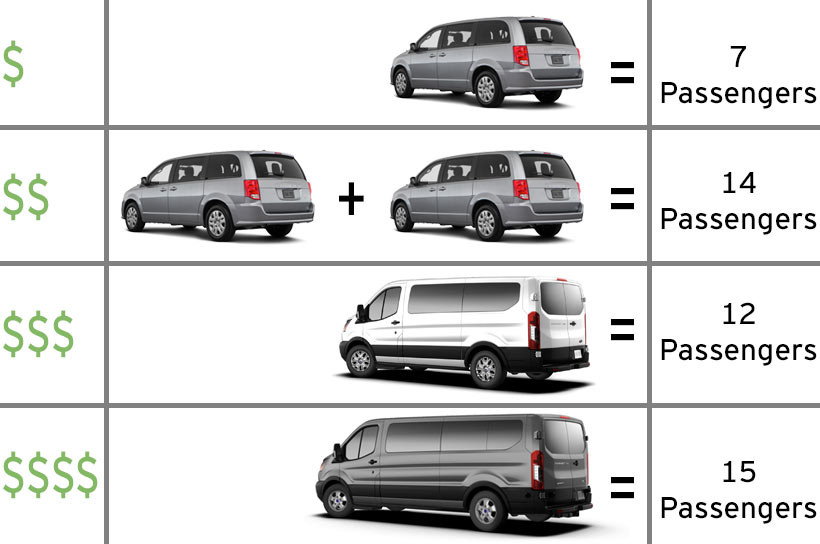
- Passenger Vans (e.g., Ford Transit 15-passenger, Nissan NV 12-passenger): Designed for group transportation, these vans carry a premium due to their specialized seating and safety features. Rental costs are generally higher than cargo vans of comparable size, reflecting their distinct market and higher insurance liabilities. Daily rates can be $70-$150 or more.
Selecting the right van size is a crucial financial decision. Evaluate your cargo volume or passenger needs precisely to avoid paying for unused space or, conversely, needing to make multiple trips.
Rental Duration and Location: The Time and Place Equation
The length of your rental period and where you pick up and drop off the van are significant determinants of cost. These factors often reflect the rental company’s operational expenses and local market dynamics.
- Duration Discounts: Most rental companies offer tiered pricing, where the daily rate decreases with longer rental periods. A week-long rental typically has a lower effective daily cost than seven individual day rentals. Monthly rentals often provide the most significant per-day savings, appealing to businesses or individuals with extended needs. Strategically calculating your required duration can yield substantial savings.
- Geographic Variations: Rental prices fluctuate based on location. Major metropolitan areas or popular tourist destinations often have higher demand and, consequently, higher prices than rural or suburban locales. Picking up a van at an airport location, while convenient, almost always carries an additional surcharge or higher base rate compared to an downtown or neighborhood branch, due to concession fees and operational costs.
- Supply and Demand: During peak seasons (e.g., summer for moving, holidays for travel) or periods of high demand (e.g., after a natural disaster), prices can surge. Booking well in advance can help lock in lower rates, mitigating the impact of demand-driven price hikes.
A proactive approach to booking, considering off-peak times and less expensive pick-up locations, can lead to considerable financial advantages.
Rental Company and Demand: Supplier Influence on Your Wallet
The choice of rental provider also plays a critical role in the overall cost equation. The market for van rentals is diverse, with various players offering different price points, service levels, and fleet options.
- Major National Chains (e.g., Enterprise, Budget, Hertz): These companies generally offer reliable service, well-maintained fleets, and widespread locations. Their pricing might be slightly higher due to brand recognition and comprehensive support, but they often have more flexible terms and better insurance options. They are a good choice for those prioritizing reliability and convenience.
- Specialized Moving Truck Companies (e.g., U-Haul, Penske, Budget Truck Rental): While primarily known for moving trucks, some of these companies also offer cargo vans. Their pricing models can be very competitive, especially for one-way rentals, but their primary focus is often on do-it-yourself moving.
- Local Independent Agencies: Smaller, independent rental companies might offer lower base rates to compete with larger chains. However, it’s crucial to scrutinize their terms, fleet condition, and insurance offerings, as these can vary widely. While potentially saving money, ensure you’re not compromising on safety or customer service.
- Peer-to-Peer Rental Platforms (e.g., Turo, Fat Llama for specialized vans): These platforms allow individuals to rent out their personal vehicles, including vans. Prices can be highly competitive and offer a wider variety of specialized vehicles. However, insurance coverage and terms can differ significantly from traditional rental companies, requiring careful review.
Researching and comparing quotes from multiple providers is a fundamental step in optimizing your rental expenditure. Focus not just on the lowest base rate but on the total estimated cost, including all potential fees.
Deconstructing the Cost: Beyond the Advertised Rate
A common financial pitfall in van rental is focusing solely on the quoted daily rate, only to be surprised by an accumulation of additional charges. A thorough understanding of these “hidden” or ancillary costs is vital for accurate financial planning and avoiding budget overruns.
Essential Coverages: Insurance Options and Their Financial Impact
Insurance is often the most significant add-on expense, and navigating its complexities is crucial for financial protection. Rental companies offer various types of coverage, each with its own cost and implications.
- Loss Damage Waiver (LDW) or Collision Damage Waiver (CDW): This waives your financial responsibility for damage to the rental van (often excluding theft, loss of use, or damage due to negligence). It can be expensive, adding $15-$30 or more per day.
- Supplemental Liability Insurance (SLI): Provides additional liability coverage beyond the state-mandated minimums, protecting you from claims for damage or injury to third parties. This can cost $10-$15 per day.
- Personal Accident Insurance (PAI) and Personal Effects Coverage (PEC): PAI covers medical costs for you and your passengers in an accident, while PEC covers loss or damage to personal belongings. These are often elective and can add $5-$10 per day each.
Financial Tip: Before purchasing these from the rental company, check if your personal auto insurance policy extends coverage to rental vans. Many comprehensive auto policies offer some level of rental car coverage. Also, certain credit cards provide secondary CDW/LDW coverage when you pay for the rental with their card. Leveraging existing coverage can lead to substantial savings. However, always confirm the specifics of your policy and credit card benefits, especially for commercial vehicles like vans, as coverage can sometimes be excluded.
Mileage, Fuel, and Ancillary Charges: The Hidden Costs
These charges can accumulate quickly, turning an inexpensive rental into a budget buster if not anticipated.

- Mileage Limits: Many van rentals come with a daily mileage limit (e.g., 100-150 miles per day). Exceeding this limit incurs an extra charge per mile (e.g., $0.20-$0.75 per mile). For longer trips, unlimited mileage options might be available at a higher daily rate, which could be more cost-effective than paying per-mile overages.
- Fuel Policy: Rental companies typically offer three options:
- Return Full: The most cost-effective. You pick up the van with a full tank and return it full. Failure to do so results in a refueling charge plus a significantly inflated per-gallon price.
- Prepaid Fuel: You pay for a full tank upfront at a competitive rate. Only advisable if you are certain you will use a full tank; otherwise, you’re paying for unused fuel.
- Rental Company Refuels: The most expensive option. You return the van without refueling, and the company charges you a premium rate per gallon plus a service fee.
- Additional Equipment: Dollies, moving blankets, GPS units, and other accessories come at an extra daily cost. While useful, evaluate if you truly need them or if cheaper alternatives (e.g., borrowing from friends, using your smartphone for GPS) exist.
- Cleaning Fees: If the van is returned excessively dirty, you might incur a cleaning fee.
- Late Return Fees: Returning the van even an hour late can often trigger an extra day’s rental charge or a hefty late fee. Always return on time to avoid these penalties.
Driver-Specific Fees and One-Way Rentals: Personalizing Your Expense
Certain personal circumstances or specific rental needs can introduce additional costs.
- Underage Driver Surcharge: If the primary driver is under 25 (typically 21-24), most rental companies impose a daily surcharge, which can add $25-$50 per day to the rental cost. This reflects the higher perceived risk associated with younger drivers.
- Additional Driver Fees: Naming an additional driver often incurs a daily fee (e.g., $10-$15 per day per driver). Some rental companies waive this for spouses or domestic partners, so always inquire.
- One-Way Rentals: Picking up a van in one location and dropping it off in another (a one-way rental) is almost always more expensive than a round-trip rental. This is because the rental company incurs costs to reposition the vehicle. The one-way fee can be a flat rate (hundreds of dollars) or a significantly higher daily rate. Evaluate if the convenience outweighs the substantial additional financial burden.
Strategies for Optimizing Your Van Rental Budget
With a clear understanding of the various cost components, individuals and businesses can employ several strategies to minimize their financial outlay without compromising on their needs. Smart money management extends to every aspect of expenditure, including temporary vehicle rentals.
Smart Booking and Comparison Shopping: Proactive Savings
The groundwork for a cost-effective rental begins long before you pick up the keys.
- Book in Advance: Especially during peak seasons or for specialized vans, booking several weeks or even months ahead can secure better rates. Last-minute rentals are often subject to higher prices due to limited availability.
- Compare Across Platforms: Don’t just check one rental company. Use aggregator websites (like Kayak, Expedia, Skyscanner) but also visit individual rental company websites directly, as they sometimes offer exclusive deals. Don’t forget to compare quotes from specialized truck/van rental companies too.
- Leverage Discounts and Promotions: Look for coupon codes, seasonal promotions, loyalty program discounts, or corporate rates. Many organizations (AAA, AARP, credit card companies, employer affiliations) offer rental car discounts. Always ask about available discounts when booking.
- Flexibility with Dates and Locations: If your schedule allows, consider renting during off-peak days (mid-week is often cheaper than weekends) or during less busy seasons. Exploring different pick-up and drop-off locations beyond airports can also yield significant savings.
Navigating Insurance Choices: When to Buy, When to Decline
Making informed decisions about insurance can shave a considerable amount off your total bill.
- Verify Existing Coverage: Before you even look at rental company insurance, call your personal auto insurance provider and credit card company. Understand exactly what coverage they offer for rental vans, including deductibles and any exclusions. Confirm if cargo vans or specific passenger van sizes are covered.
- Understand the Risks: While foregoing rental company insurance saves money, it means you’re assuming the financial risk of damage or theft. Evaluate your comfort level with this risk versus the cost of protection.
- Prioritize Liability: If your personal auto insurance doesn’t offer robust liability coverage for rentals, consider purchasing SLI from the rental company, as third-party claims can be financially devastating.
- CDW/LDW Through Credit Cards: Many premium credit cards offer secondary CDW/LDW coverage if you use their card to pay for the rental. This means they cover what your primary insurance doesn’t, or act as your primary if you don’t file a claim with your personal insurance. This is a significant potential saving.
Avoiding Unnecessary Extras: Focusing on Value
Every add-on, no matter how small, contributes to the final cost. Be discerning about what you genuinely need.
- Bring Your Own GPS/Navigation: Most smartphones now offer excellent navigation apps, rendering rental GPS units obsolete for many and saving you $10-$15 per day.
- Provide Your Own Moving Supplies: Purchasing moving blankets, dollies, and straps from a hardware store or borrowing them can often be cheaper than renting them daily from the van company, especially for longer rentals.
- Strict Adherence to Fuel Policy: Always return the van with a full tank if that’s the agreement. The cost of refueling yourself at a local gas station is invariably lower than the rental company’s per-gallon charge.
- Return On Time: Avoid late fees by planning your schedule carefully and allowing ample time for traffic and refueling.
Budgeting and Financial Planning for Your Rental
A well-structured financial approach to van rental ensures transparency and control over your expenditure. It’s not just about finding the cheapest option, but about making a financially sound decision that aligns with your overall budget and risk tolerance.
Creating a Comprehensive Rental Budget
A detailed budget is your best defense against unexpected costs.
- Base Rate Estimation: Start with the initial daily/weekly/monthly rate from your chosen provider.
- Add Estimated Mileage Costs: Based on your anticipated travel distance, factor in potential mileage overage fees or the cost of an unlimited mileage option.
- Fuel Costs: Estimate fuel consumption based on the van type’s MPG and your expected mileage. Add a buffer for fluctuating fuel prices.
- Insurance Costs: Decide on your insurance strategy (personal policy, credit card, or rental company coverage) and factor in the associated costs, if any.
- Taxes and Fees: Factor in local sales tax, state taxes, airport surcharges, and any environmental fees. These can add 10-25% to the base rate.
- Driver-Related Fees: Include costs for underage drivers or additional drivers.
- Optional Equipment: Only include costs for essential extras you’ve decided to rent.
- Contingency Fund: Always allocate a small buffer (e.g., 10-15% of the estimated total) for unforeseen circumstances like tolls, parking fees, or minor cleaning charges.
This comprehensive approach provides a realistic financial picture, allowing you to compare options on a true “all-in” cost basis.
Exploring Alternatives to Traditional Rentals
While this article focuses on traditional van rentals, a savvy financial planner might consider alternatives for specific situations.
- Task-Specific Services: For small deliveries or single bulky items, local moving services or courier companies might offer a more cost-effective solution than renting and driving a van yourself, especially if you factor in your time and effort.
- Peer-to-Peer Platforms (with caution): As mentioned, platforms like Turo can offer lower rates for shorter durations or unique vehicles. However, meticulously review their insurance policies and terms, as they differ from traditional agencies and might require additional research to ensure financial protection.
- Friends/Family: The most budget-friendly option, if available, is to borrow a van from a trusted friend or family member. Be sure to offer to cover fuel and any potential wear-and-tear, and clarify insurance responsibilities beforehand to avoid financial misunderstandings.
In conclusion, understanding “how much does it cost to rent a van” goes far beyond merely looking at a daily rate. It requires a diligent financial approach that considers all variables, from the type of vehicle and rental duration to insurance choices and ancillary fees. By meticulously budgeting, comparing options, and strategically managing add-ons, you can ensure your van rental remains a financially savvy decision, serving its purpose efficiently without derailing your financial plans.
aViewFromTheCave is a participant in the Amazon Services LLC Associates Program, an affiliate advertising program designed to provide a means for sites to earn advertising fees by advertising and linking to Amazon.com. Amazon, the Amazon logo, AmazonSupply, and the AmazonSupply logo are trademarks of Amazon.com, Inc. or its affiliates. As an Amazon Associate we earn affiliate commissions from qualifying purchases.