
For many travelers, the allure of a cruise lies in its promise of an “all-inclusive” escape. However, from a personal finance perspective, the true cost of a cruise is often far more complex than the initial sticker price suggests. Navigating the financial waters of the cruise industry requires a keen eye for detail, a robust budgeting strategy, and an understanding of how cruise lines structure their pricing models.
Whether you are planning a budget-friendly getaway or a high-end luxury expedition, understanding the total cost of ownership for your vacation is essential to maintaining your financial health. This guide breaks down the multi-layered expenses associated with cruising, from base fares to hidden surcharges, and provides strategic insights into managing your vacation capital effectively.
1. The Foundation of Your Cruise Budget: Base Fares and Structural Expenses
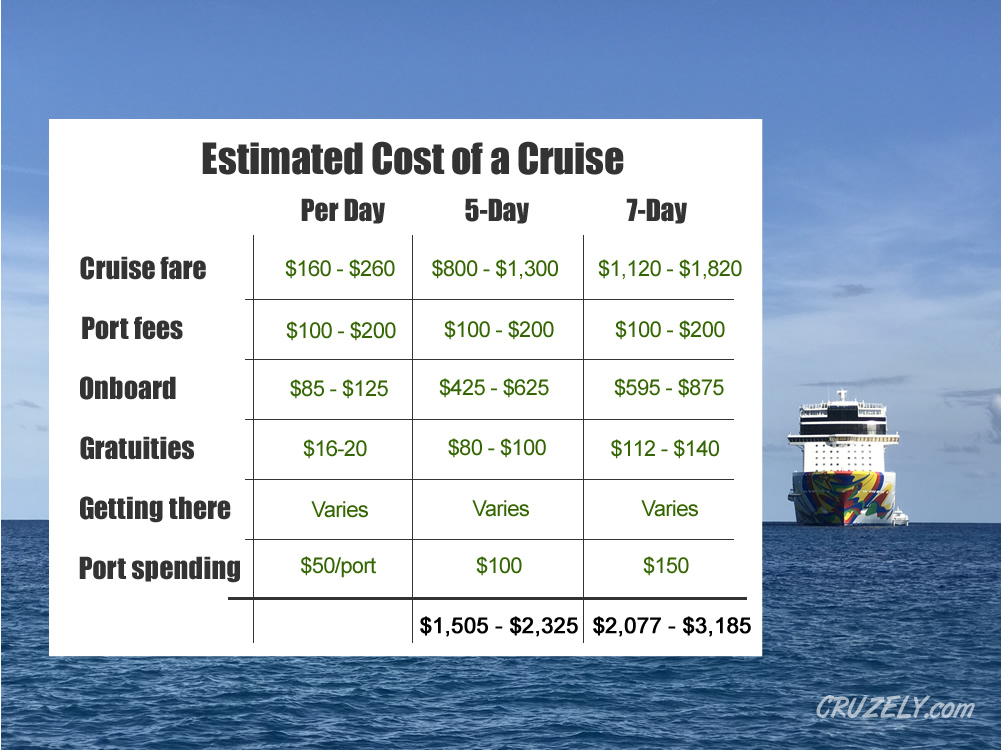
The initial price you see on a booking website is rarely the amount that eventually leaves your bank account. In the world of cruise finance, the base fare is merely the entry point. To build an accurate financial plan, you must account for the structural costs that are often omitted from the headline price.
Understanding Per-Person Pricing and Double Occupancy
The most common mistake in cruise budgeting is failing to account for the “double occupancy” rule. Most cruise lines price their cabins based on two people sharing a room. If you are traveling solo, you will often be hit with a “single supplement” fee, which can range from 50% to 100% of the second person’s fare. This effectively doubles your base cost. Conversely, adding a third or fourth person to a cabin—often at a discounted rate—can lower the average per-person cost, representing a strategic way to maximize value for families.
The Impact of Seasonality on Your Wallet
Market dynamics play a significant role in cruise pricing. The same itinerary can fluctuate in price by thousands of dollars depending on the time of year. Financial experts recommend “shoulder season” travel—the periods just before or after peak season—to find the best ROI. For example, an Alaskan cruise in May or September is significantly cheaper than one in July. By timing your purchase to align with lower demand, you can secure a premium experience for a fraction of the peak-market price.
Port Fees, Taxes, and Mandatory Gratuities
When calculating your total investment, you must add port fees and government taxes, which are generally not included in the advertised price. These can range from $100 to $500 per person depending on the number of stops and the specific ports. Furthermore, most lines automatically charge a daily gratuity (often labeled as a “service charge”) to your onboard account. In the current market, these fees typically range from $16 to $20 per person, per day. For a family of four on a seven-night cruise, this adds an unavoidable $500+ to the final bill.
2. Onboard Spending: Managing Your Discretionary Income
Once you are on the ship, the cruise line’s business model shifts from ticket sales to onboard revenue. This is where many travelers experience “budget creep.” Managing your discretionary spending is the difference between a fiscally responsible trip and a post-vacation financial hangover.
Specialty Dining vs. Main Dining Rooms
While the main dining room and buffet are included in your fare, modern ships are designed with “specialty” restaurants—steakhouses, sushi bars, and celebrity-chef venues—that carry a per-person cover charge or a la carte pricing. From a financial standpoint, these are “upsells.” To manage these costs, evaluate whether the culinary upgrade justifies the $40 to $100 per-person premium. Many savvy travelers budget for one “splurge” night while utilizing the included dining options for the remainder of the trip to keep costs in check.
Beverage Packages: Financial Asset or Liability?
The “Drink Package” is one of the most debated financial decisions in cruising. These packages can cost anywhere from $60 to $110 per person, per day. To determine if this is a sound investment, you must perform a break-even analysis. If the average cocktail costs $14, you generally need to consume 6 to 9 alcoholic beverages every single day to make the package profitable. If you are a light drinker or spend significant time off the ship in port, paying a la carte is almost always the more financially prudent choice.
Connectivity and Communication Costs
In the modern economy, staying connected is often a necessity, but maritime internet is notoriously expensive. Most lines now offer tiered Wi-Fi packages, often powered by satellite providers like Starlink. Costs can range from $20 to $35 per day. If you are working remotely or managing investments while at sea, this is a fixed business expense. However, for casual users, purchasing a single-device plan and sharing it among family members or relying on local e-SIMs while in port can drastically reduce this line item.
3. Port Excursions and Shore-Side Financial Planning
The cost of the cruise doesn’t stop at the gangway. What you do in port can easily double the cost of your vacation if not planned with financial rigor.
Cruise-Led Tours vs. Independent Exploration
Cruise lines market their own shore excursions as the safest and most convenient option. However, they carry a significant markup—often 30% to 50% higher than booking the same activity independently. From a value-investing perspective, booking through a reputable third-party local operator often yields a better experience at a lower price point. The trade-off is the “all-aboard” guarantee; if a ship-sponsored tour is late, the ship will wait. If your private tour is late, you are responsible for the financial burden of catching up to the ship.
Transportation and Local Currency Management
Navigating a foreign port involves hidden costs like taxis, shuttles, and entrance fees. Budgeting for these in advance prevents the “convenience tax” of paying for overpriced ship shuttles. Additionally, being mindful of currency exchange rates and using credit cards with no foreign transaction fees is a fundamental move for the financially literate traveler. Avoiding the currency exchange kiosks at cruise terminals—which offer notoriously poor rates—can save you a significant percentage on every transaction.
4. Strategic Financial Decisions for the Savvy Cruiser
To truly master the cost of a cruise, one must look beyond the immediate expenses and consider the broader financial strategy, including risk management and capital optimization.
Travel Insurance: A Necessary Financial Safeguard
In the context of a cruise, travel insurance is not an optional “add-on” but a critical risk-mitigation tool. A medical evacuation at sea can cost upwards of $50,000—an expense that can derail a lifetime of financial planning. When evaluating insurance, look for “Cancel for Any Reason” (CFAR) policies and ensure the medical coverage is primary rather than secondary. Spending 5% to 10% of your trip cost on insurance protects the other 90% of your investment.
Utilizing Credit Card Rewards and Loyalty Programs
For those who cruise frequently, loyalty programs offer a form of “internal currency” that can provide significant rebates. Benefits like free laundry, complimentary internet, or even free cruises for high-tier members represent a tangible return on investment. Furthermore, using a high-yield travel rewards credit card to pay for the cruise can generate enough points for free flights to the embarkation port, effectively lowering the “all-in” cost of the trip.
The Pros and Cons of Last-Minute Booking
The cruise industry uses a dynamic pricing model similar to airlines. If a ship is not reaching its occupancy targets 60 to 90 days before sailing, prices may drop significantly. This “last-minute” strategy can result in massive savings for those with flexible schedules. However, from a total cost perspective, this can be offset by high last-minute airfare prices. A truly optimized budget looks at the total cost of the trip—flight + cruise + hotel—rather than just the cabin price in isolation.

Conclusion: Balancing Value and Expenditure
Ultimately, the cost of a cruise is highly variable, ranging from a budget-conscious $100 per day to a luxury-tier $1,000+ per day. The key to successful financial management in this space is transparency. By deconstructing the costs—separating the fixed base fares from the variable onboard spending and port expenses—you can create a realistic financial roadmap.
A well-planned cruise is an exercise in asset allocation. By choosing where to spend (perhaps on a high-value excursion that offers a unique life experience) and where to save (perhaps by opting for an inside cabin or skipping the drink package), you ensure that your vacation provides the maximum “happiness ROI” without compromising your long-term financial goals. In the world of personal finance, knowledge is the best currency, and being an informed cruiser is the most effective way to ensure your bank account stays afloat while you are at sea.
aViewFromTheCave is a participant in the Amazon Services LLC Associates Program, an affiliate advertising program designed to provide a means for sites to earn advertising fees by advertising and linking to Amazon.com. Amazon, the Amazon logo, AmazonSupply, and the AmazonSupply logo are trademarks of Amazon.com, Inc. or its affiliates. As an Amazon Associate we earn affiliate commissions from qualifying purchases.