
In the modern automotive landscape, convenience and comfort features are no longer just luxuries but increasingly expected components of a pleasant driving experience. Among these, the remote car starter stands out as a highly sought-after upgrade, promising the luxury of a pre-warmed or pre-cooled vehicle at the touch of a button. Whether battling a freezing winter morning or seeking refuge from a scorching summer afternoon, the ability to start your car remotely can significantly enhance your daily routine. However, for many prospective buyers, the primary question isn’t about the “why,” but the “how much.” Understanding the costs involved in getting an auto start system installed requires a look into the technology, the labor, and the specific choices that influence your final investment.
This article delves deep into the financial aspects of remote start installation, breaking down average costs, exploring the numerous factors that drive prices up or down, and guiding you through the different types of systems available. We’ll also examine the trade-offs between DIY and professional installation, helping you make an informed decision that balances your budget with your desire for reliability and advanced functionality.
The Appeal of Remote Car Starters: Beyond Just Comfort
A remote start system is more than just a gadget; it’s an investment in comfort, safety, and potentially even your vehicle’s longevity. For many, it transforms the driving experience from an immediate chore into a more welcoming transition.
Why Invest in a Remote Start System?
The benefits of installing an auto start system extend far beyond simply starting your engine from a distance:
- Unparalleled Comfort and Convenience: This is the most obvious advantage. Imagine stepping into a vehicle that’s already at your preferred temperature, with windows defrosted or air conditioning running. It eliminates the unpleasant shock of extreme weather and makes your commute instantly more enjoyable. For parents, it means a more comfortable ride for children, and for anyone rushing out the door, it saves precious minutes.
- Engine Warm-up and Cool-down: Beyond cabin comfort, remote starters play a role in engine health. In cold climates, allowing your engine to warm up for a few minutes before driving ensures proper lubrication and can reduce wear and tear over time. Conversely, in hot conditions, cooling down the interior before you get in is a major relief, protecting electronics and interior materials from prolonged exposure to extreme heat. From a Tech perspective, modern vehicles manage engine warm-up efficiently, but a few minutes of idle can still contribute to overall system stability before heavy load.
- Enhanced Vehicle Security (with certain systems): Some advanced remote start systems integrate with or include additional security features such as car alarms, shock sensors, and even GPS tracking. While not their primary function, these systems can provide an added layer of protection against theft or vandalism, offering peace of mind.
- Potential Resale Value: While a remote start system might not drastically increase your car’s market value, it certainly makes it a more attractive option to potential buyers, particularly in regions with significant seasonal temperature variations. It’s a desirable feature that can help your vehicle stand out in a competitive market. From a Brand perspective, a well-installed, high-quality remote start system can subtly enhance the perceived value and modern appeal of your car, distinguishing it from otherwise similar models.
Deconstructing the Cost: What Influences Your Remote Start Investment?
The cost to get an auto start installed can vary widely, ranging from a few hundred dollars to well over a thousand. This fluctuation is due to a complex interplay of factors, from the specific components you choose to the vehicle you drive and the professional you hire. Understanding these elements is crucial for budgeting accurately.
Understanding the Average Price Range
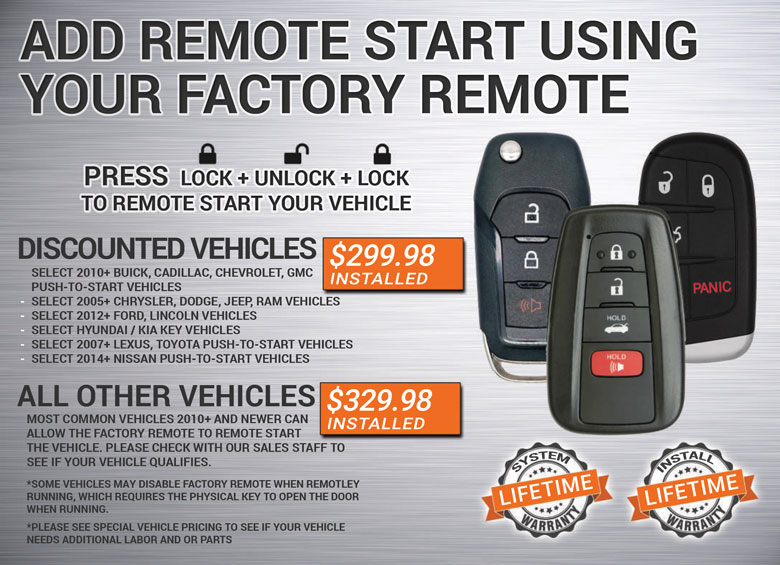
Broadly speaking, you can expect the total cost for parts and professional installation of a remote start system to fall within the range of $250 to $800. However, high-end systems, particularly those for luxury vehicles or with extensive features like smartphone integration, can push this figure towards $1,200 or even $1,500+.
- Parts Cost: The remote start unit itself typically costs anywhere from $150 for a basic, 1-way system to $500 or more for advanced 2-way or smartphone-integrated units. This price often includes the main module, key fobs, and basic wiring harnesses.
- Labor Cost: Professional installation charges usually range from $100 to $300, but can be higher for more complex vehicles or specialized labor. This covers the technician’s time, expertise, and any additional components needed for seamless integration.
Key Factors Driving Installation Costs
Several specific factors significantly influence the final bill for your remote start installation. Recognizing these can help you anticipate costs and choose the right system for your needs.
- Vehicle Specifics: Make, Model, Year, and Transmission Type
- Complexity of Wiring and Electronics: Newer vehicles, especially those from premium brands, often feature highly sophisticated onboard computer systems and digital networks (like CAN-Bus). Integrating an aftermarket remote start system into these vehicles requires specialized modules and interfaces (like immobilizer bypass modules) to communicate correctly without triggering error codes or security systems. These modules add to the parts cost.
- Manual vs. Automatic Transmission: Installing a remote start on a manual transmission vehicle is considerably more complex and costly due to safety protocols. A professional installer must ensure the car is absolutely in neutral and the parking brake is engaged before remote starting, often requiring additional sensors and circuits to prevent accidental lurches. This specialized labor and extra components increase the installation price, usually by $50 to $150.
- System Type and Features
- 1-Way vs. 2-Way Systems: Basic 1-way systems are the most affordable. 2-way systems, which offer feedback (like confirmation that the car started or doors are locked), are more expensive due to their advanced technology and usually longer range.
- Smartphone Integration: These systems, which allow you to control your car via an app, often represent the highest upfront cost for the unit itself. Furthermore, many require an ongoing subscription fee for cellular connectivity, turning a one-time purchase into a recurring Money outlay.
- Added Luxuries: Beyond starting the engine, some systems can activate heated seats, rear defrost, or specific climate control settings. Integrating these features adds complexity and cost to both the unit and the installation labor.
- Range: The distance over which you can start your car is a major cost driver. Basic systems might offer 500-1,000 feet, while premium 2-way systems can extend to a mile or more. Smartphone systems offer virtually unlimited range (where there’s cellular service).
- Installer Choice
- Dealerships: Often the most expensive option, dealerships typically charge premium rates for parts and labor. However, they offer specialized knowledge of your specific vehicle make and model, and their installation may provide peace of mind regarding warranty integrity.
- Independent Car Audio/Accessory Shops: These shops usually offer more competitive pricing. They specialize in aftermarket installations and often have extensive experience with a wide range of vehicles and remote start brands. Choosing a reputable shop with good reviews is critical.
- Mobile Installers: These services offer convenience by coming to your location. Their pricing can vary, and it’s essential to vet their credentials and experience carefully.
- Geographic Location: Like most services, installation costs can vary by region. Areas with higher costs of living or higher average labor rates will typically see higher installation prices.
- Brand Reputation and Warranty: Opting for a reputable Brand like Viper, Compustar, or AstroStart might mean a slightly higher upfront cost for the unit. However, these brands generally offer superior reliability, better performance, more advanced features, and robust warranties. Investing in a well-known brand can save you money in the long run by preventing costly repairs or replacements, aligning with a smart Money strategy. A strong warranty on both parts and labor is a significant factor in evaluating the overall value.
Navigating the Technology: Types of Remote Start Systems
The rapid evolution of automotive Tech has brought forth a variety of remote start systems, each offering different levels of convenience, range, and functionality. Understanding these types is key to choosing the right one for your lifestyle and budget.
1-Way Systems: Simplicity and Affordability
1-way remote start systems are the most basic and typically the most affordable option. When you press the start button on your key fob, it sends a signal to your car. That’s it – you send the command, but you don’t receive any feedback from the vehicle.
- Description: These systems use a dedicated key fob that looks similar to your car’s standard remote. You press a button, and if the car is within range and the signal is received, it will start.
- Range: Standard 1-way systems usually offer a range of 500 to 1,500 feet, which is sufficient for starting your car from within your home or office, provided there aren’t too many obstructions.
- Functionality: Beyond remote start, many 1-way systems can also control door locks and trunk release. Their simplicity makes them reliable and easy to use.
2-Way Systems: Enhanced Feedback and Control

2-way systems represent a significant upgrade from 1-way options, offering enhanced communication between you and your vehicle.
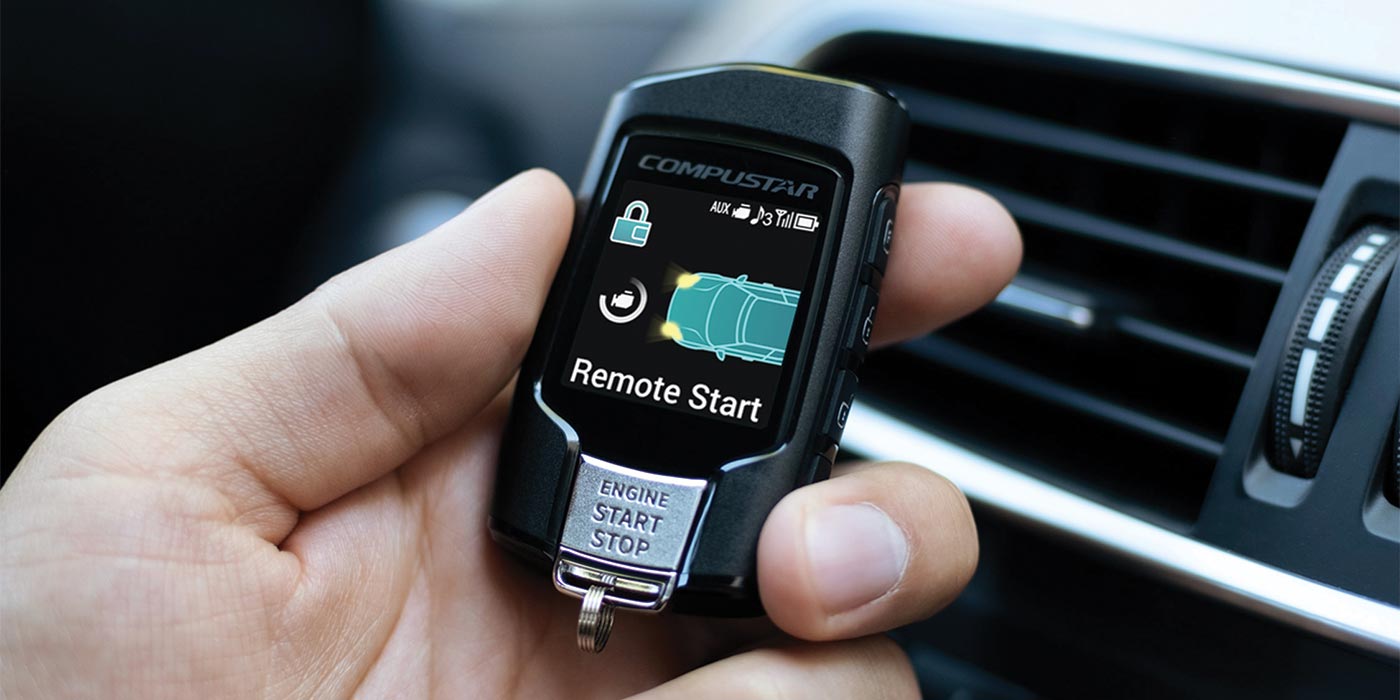
- Description: With a 2-way system, when you send a command (e.g., to start the engine or lock the doors), your key fob receives a confirmation signal back from the car. This feedback is typically indicated through LED lights, an audible beep, or a small LCD screen on the fob.
- Range: 2-way systems generally boast a longer range than 1-way, often extending from 1,500 feet to a mile or more, making them ideal for larger parking lots or buildings.
- Confirmation Features: The primary benefit is peace of mind. You’ll know for sure if your car started, if the doors are locked, or if the alarm has been triggered. This “dialogue” between car and remote significantly enhances user experience and security awareness.
Smartphone-Integrated Systems: The Future of Convenience
For those who embrace cutting-edge Tech, smartphone-integrated remote start systems offer the ultimate in convenience and control, essentially turning your phone into your car’s command center.
- Description: These systems require a cellular module installed in your vehicle, which communicates with a dedicated app on your smartphone. This allows you to control various functions from virtually anywhere with cell service.
- Unlimited Range: The biggest advantage is the “unlimited” range, as long as both your phone and your car have a cellular signal. You can start your car from another city, or even another country, given the right network coverage.
- Advanced Features: Smartphone apps often provide a rich interface with additional features:
- GPS Tracking: Locate your vehicle in a parking lot or monitor its whereabouts (ideal for family cars or fleet management).
- Vehicle Diagnostics: Receive alerts about low battery, open doors, or check fuel levels.
- Customizable Settings: Schedule remote starts, set climate control preferences, or manage security alerts.
- Subscription Models: It’s important to note that most smartphone-integrated systems come with a recurring subscription fee for the cellular service, typically ranging from $50-$100 per year. This recurring Money cost is a crucial factor to consider in your overall budget.
DIY vs. Professional Installation: Weighing the Options
Once you’ve decided on a system, the next critical decision is whether to attempt installation yourself or entrust it to professionals. This choice significantly impacts both the cost and the reliability of your remote start system.
The Allure and Risks of DIY Installation
For the mechanically inclined, the idea of saving on labor costs by installing a remote start system yourself can be appealing.
- Potential Cost Savings: If you’re confident in your abilities, the primary financial benefit is avoiding the $100-$300 (or more) in professional labor charges.
- Required Tools and Technical Knowledge: A successful DIY installation requires more than just basic tools. You’ll need multimeters, soldering irons, wire crimpers, and a deep understanding of automotive electrical systems. Modern cars are complex, with sensitive electronics.
- Significant Risks:
- Voiding Your Vehicle Warranty: Many car manufacturers explicitly state that improper installation of aftermarket electronics can void parts of your vehicle’s electrical or engine warranty.
- Electrical Issues: Incorrect wiring can lead to blown fuses, drain your battery, or even cause short circuits that damage critical vehicle components.
- Damage to Vehicle: Incorrectly connecting to a data bus or security system can permanently damage your car’s computer, leading to expensive repairs.
- Safety Concerns: For manual transmission vehicles, a botched DIY job can lead to the car starting in gear, posing a serious safety hazard.
- Time Commitment: Even with clear instructions, a DIY installation can take many hours, especially for beginners.
The Value of Professional Installation
For most vehicle owners, professional installation is the recommended route. The upfront cost is an investment in expertise and peace of mind.
- Expertise and Experience: Professional installers are trained to work with complex automotive electronics. They understand wiring diagrams, data bus systems, and security protocols specific to various makes and models. Their experience ensures correct integration and optimal performance.
- Warranty on Parts and Labor: Reputable shops will offer a warranty on both the remote start system (if purchased from them) and their installation work. This protects you from defects or issues that might arise after installation, providing significant Money security.
- Correct Integration with Vehicle’s Electronics: Professionals use specialized tools and bypass modules to seamlessly integrate the remote start without interfering with the car’s existing systems (like the immobilizer or keyless entry), preventing error codes or malfunctions.
- Peace of Mind: Knowing that your system has been installed correctly by a certified technician eliminates worries about potential damage, safety hazards, or functionality issues.
- Choosing a Reputable Installer: When seeking professional help, look for shops with positive online reviews, certifications (e.g., MECP certification), and a history of quality work. Ask about their experience with your specific vehicle make and model, and inquire about their warranty policies. A strong Brand reputation in the installation industry is a good indicator of quality service.
Smart Investment: Making the Right Choice for Your Vehicle
Beyond the initial cost, a remote start system is a long-term investment in your driving experience. Making an informed decision involves considering several crucial factors to ensure you get the most value for your money.
Essential Considerations Before You Buy
- Vehicle Compatibility: Always confirm that the remote start system you’re considering is fully compatible with your specific vehicle make, model, and year. Modern cars have complex security systems that require specific bypass modules. A reputable installer can confirm compatibility.
- Manual Transmission Considerations: If you drive a manual, be aware of the increased complexity and cost. Ensure the system includes comprehensive safety features (e.g., “pit stop mode” or “reservation mode”) to prevent the car from starting in gear.
- Warranty: Don’t just look at the system’s warranty; inquire about the installation warranty provided by the shop. A good installer stands behind their work. A strong warranty protects your Money by covering potential issues down the line.
- Insurance Implications: While rare, some insurance providers might offer discounts for vehicles with enhanced security features, or conversely, might have specific requirements if an aftermarket system is installed. It’s wise to check with your insurer.
- Local Regulations: Be mindful of local idling laws. Some municipalities have ordinances restricting how long a vehicle can idle, even with a remote start.
Maximizing Your Investment: Beyond the Initial Cost
To ensure your remote start system delivers lasting value, consider these aspects:
- Long-Term Reliability (Brand): Opt for systems from established and reputable Brands known for their quality and durability. While they might cost a bit more upfront, they are less likely to malfunction or require costly repairs, making them a better long-term Money investment.
- User Experience and Features that Truly Add Value: Don’t just chase the cheapest option. Think about which features genuinely enhance your daily life. Do you need a mile-long range, or is basic functionality sufficient? Is smartphone integration worth the recurring subscription for your usage patterns? Invest in features that you will actually use and appreciate.
- Potential for Increased Resale Value: While a remote start might not net you a huge profit, it can be a decisive factor for buyers, especially in colder climates. A professionally installed, reliable system adds to your car’s overall appeal and can facilitate a quicker sale at a good price.
Conclusion: A Worthwhile Upgrade for Modern Drivers
Installing an auto start system is a significant upgrade that offers a blend of comfort, convenience, and modern Tech. While the cost can vary widely, understanding the factors that influence pricing—from vehicle complexity and system type to installation method and geographic location—empowers you to make a smart, informed decision.
Whether you opt for a straightforward 1-way system or a feature-rich smartphone-integrated solution, the investment often pays off in daily satisfaction and enhanced driving experience. By choosing a reputable Brand for your system and entrusting the installation to a certified professional, you ensure both reliability and peace of mind. In the end, the price of convenience is a variable one, but for many drivers, the ability to step into a perfectly conditioned vehicle, regardless of the weather outside, makes it a truly invaluable addition to their automotive life.
aViewFromTheCave is a participant in the Amazon Services LLC Associates Program, an affiliate advertising program designed to provide a means for sites to earn advertising fees by advertising and linking to Amazon.com. Amazon, the Amazon logo, AmazonSupply, and the AmazonSupply logo are trademarks of Amazon.com, Inc. or its affiliates. As an Amazon Associate we earn affiliate commissions from qualifying purchases.