
Traveling with our beloved canine companions can be an incredibly rewarding experience, bridging the gap between our desire for adventure and the comfort of having our furry family members by our side. However, the decision to fly with a dog is not one to be taken lightly, particularly when it comes to the financial implications. Beyond the emotional preparation and logistical planning, understanding the comprehensive costs involved is paramount for any pet owner considering air travel. This article will meticulously break down the various expenses associated with flying your dog, providing a clear financial roadmap to help you budget effectively and avoid unexpected outlays.

Understanding the Core Costs of Pet Air Travel
The primary costs of flying your dog are typically dictated by airline policies, the size of your dog, and whether they can travel in the cabin or must fly as cargo. These initial fees form the foundation of your travel budget.
Airline Pet Fees: In-Cabin vs. Cargo
Airline pet fees are perhaps the most significant and immediate expense you will encounter. These fees vary wildly between airlines and are heavily dependent on whether your dog is small enough to travel in the aircraft cabin or large enough to require passage in the cargo hold.
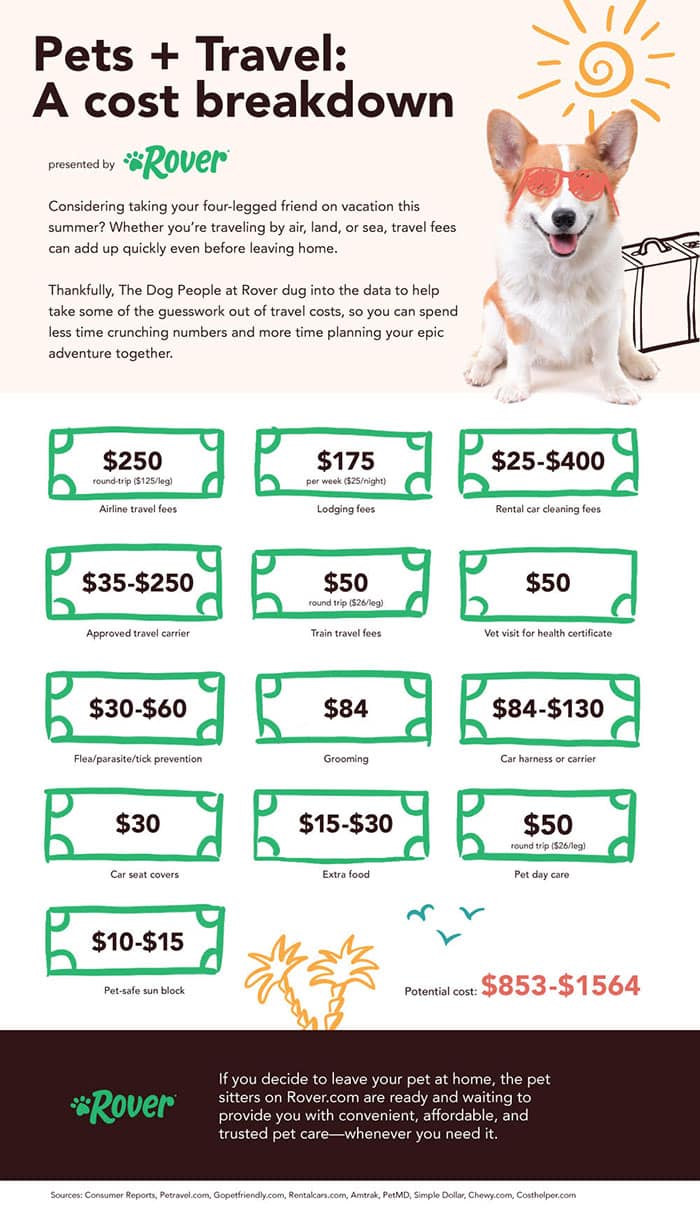
- In-Cabin Fees: For small dogs that can fit comfortably in a carrier under the seat in front of you, airlines typically charge a fixed fee per one-way trip. These fees commonly range from $125 to $250 for domestic flights within North America. International in-cabin fees can be slightly higher. There are strict size and weight limits (including the carrier) for in-cabin pets, often around 20-25 pounds. Airlines like Southwest, Delta, United, and American all have specific policies and varying fee structures. This option is generally preferred as it allows owners to keep their pets close, reducing anxiety for both.
- Cargo Fees: Larger dogs, or those exceeding in-cabin size/weight restrictions, must travel in the climate-controlled cargo hold. The costs for cargo travel are significantly higher due to the increased logistical complexity, space requirements, and often, specialized handling. Cargo fees can range from $200 to over $1,000 for domestic flights, and potentially $1,500 to $4,000+ for international routes, depending on the distance, the size/weight of the animal and its crate, and the specific airline. Some airlines operate dedicated pet shipping services, which can be even more expensive but offer specialized care. It’s crucial to understand that not all airlines offer cargo service for pets, especially during extreme weather conditions, and many have breed restrictions, particularly for brachycephalic (snub-nosed) breeds due to respiratory risks.
Breed and Size Restrictions
Beyond the general distinction between in-cabin and cargo, individual airline policies often include specific breed and size restrictions that directly impact cost and feasibility.
- Brachycephalic Breeds: Many airlines have outright bans or severe restrictions on flying brachycephalic breeds (e.g., Pugs, Bulldogs, Persian cats) in cargo due to their susceptibility to respiratory issues in fluctuating temperatures and pressures. If these breeds can fly, they are often limited to in-cabin travel only, provided they meet size requirements, or specialized pet transport services might be the only option, which come at a premium.
- Maximum Weight and Crate Dimensions: Each airline enforces maximum weight limits for both in-cabin and cargo pets. For in-cabin, this typically includes the combined weight of the pet and carrier. For cargo, the cost is often calculated based on the combined weight of the pet and its IATA-compliant crate, and the dimensions of the crate. Exceeding these limits can lead to higher fees or outright refusal.
Carrier Requirements and Costs
The carrier itself is not merely a container; it’s a critical safety device with specific requirements that can add a substantial cost to your budget.
- In-Cabin Carriers: These must be soft-sided and able to fit under the seat in front of you. While many pet owners already own such carriers, ensure it meets the airline’s specific dimensions (length, width, height) before travel. A suitable in-cabin carrier can cost anywhere from $30 to $100.
- Cargo Crates (IATA Compliant): For cargo travel, the requirements are much stricter. Crates must be rigid, IATA (International Air Transport Association) compliant, well-ventilated, properly sized (allowing the dog to stand, turn around, and lie down naturally), and clearly labeled. These specialized crates are significantly more expensive, ranging from $100 to $400+ depending on size and material. Investing in a high-quality, sturdy crate is non-negotiable for your dog’s safety and comfort.
Essential Preparatory Expenses
Flying a dog isn’t just about the flight ticket; there are several mandatory and highly recommended preparatory costs, particularly health and documentation-related expenses.
Veterinary Examinations and Health Certificates
Before any flight, especially international ones, a comprehensive veterinary check-up and an official health certificate are almost always required.
- Veterinary Examination: A general check-up to ensure your dog is fit for travel can cost between $50 and $150. The vet will assess their overall health, temperament, and ability to handle the stress of travel.
- Health Certificate: This is a crucial document issued by a licensed veterinarian, typically within 10 days of travel (sometimes 30 days for international, but specific to destination and airline). It certifies your dog is healthy and free of contagious diseases. The cost for a health certificate can range from $75 to $200, depending on your vet and the complexity of the forms (especially for international travel requiring USDA endorsement).
- USDA Endorsement: For international travel, the health certificate often requires endorsement by the USDA (United States Department of Agriculture) APHIS (Animal and Plant Health Inspection Service). This adds another layer of cost, typically $38 for electronic submissions or more for physical document processing and expedited services.
Vaccinations and Microchipping
Ensuring your dog is up-to-date on vaccinations and permanently identified is a prerequisite for air travel, especially internationally.
- Required Vaccinations: The most universally required vaccination is rabies, which must be current and administered according to specific timelines (e.g., at least 21 days before travel, but not expired). Other vaccinations like distemper, parvovirus, and adenovirus might also be required depending on the destination. Vaccination costs vary but generally range from $20 to $50 per vaccine.
- Microchipping: An ISO-compliant microchip is mandatory for international travel and highly recommended for domestic flights. This permanent identification helps reunite you with your dog if lost. Microchipping typically costs $30 to $70.
Sedation and Calming Aids (and why caution is advised)
While it might seem intuitive to sedate an anxious dog for travel, most veterinarians and airlines strongly advise against it due to potential respiratory and cardiovascular problems at altitude.
- Veterinary Consultation: If you are considering any calming aids, discuss them thoroughly with your vet. They might recommend pheromone sprays, calming supplements, or mild anti-anxiety medications. The consultation itself would be part of your vet visit costs.
- Cost of Aids: If prescribed or recommended, calming supplements or sprays might cost $10 to $50. However, the risks associated with sedation often outweigh the perceived benefits, potentially leading to medical emergencies in the air. Prioritize crate training and familiarization instead.
Destination-Specific and Ancillary Costs
The journey doesn’t always end upon landing. Depending on your destination, particularly for international travel, additional costs can arise post-flight.
Quarantine Fees (International Travel)
Certain countries, notably Australia, New Zealand, and Hawaii (though Hawaii’s program is often managed to avoid direct quarantine if protocols are followed strictly), have mandatory quarantine periods for arriving pets to prevent the introduction of diseases.
- Quarantine Expenses: These fees can be substantial, ranging from hundreds to thousands of dollars, depending on the length of stay (which can be several days to several months) and the specific facility. It’s a critical cost to research thoroughly for your destination.
Customs and Import Fees
Bringing an animal into a foreign country can incur customs or import duties, similar to other goods.
- Import Permits and Taxes: Some countries require an import permit, which carries a fee, before your dog can even board the plane. Additionally, VAT (Value Added Tax) or other import taxes might be levied based on the declared value of your dog, potentially adding hundreds of dollars to your total expenses. These vary greatly by country.
Pet Relocation Services
For complex international moves or for owners who prefer professional assistance, pet relocation services can handle all the logistics, from vet appointments and paperwork to booking flights and managing customs.
- Cost of Service: While convenient, these services are a significant expense. They can range from $1,000 for domestic door-to-door services to $3,000 – $7,000+ for international relocations, depending on the origin, destination, and level of service required. This option is often chosen for owners moving long-term or those with very complex travel requirements.
Pet Insurance for Travel
While not always mandatory, travel-specific pet insurance can be a wise financial investment, mitigating risks of unforeseen medical emergencies during transit.
- Premium Costs: Depending on the coverage, your dog’s age, and breed, travel pet insurance premiums can range from $30 to $100+ for short trips or be integrated into broader annual policies. It’s a safeguard against emergency vet bills incurred due to travel stress, injury, or illness.
Potential Layover Accommodation
If your journey includes a long layover or an overnight stay, you might need to budget for pet-friendly accommodation.
- Hotel Fees: Pet-friendly hotels often charge an additional fee per pet, ranging from $25 to $100 per night. Factor this into your budget if your itinerary demands it.
Strategies for Budgeting and Saving
While the costs can be substantial, proactive planning and strategic choices can help manage your expenses.
Researching Airline Pet Policies Extensively
This is the single most important step. Don’t assume. Each airline has unique rules, fees, and restrictions.
- Detailed Comparison: Create a spreadsheet comparing several airlines for their pet fees, crate requirements, and specific breed/temperature restrictions for your route. This can reveal significant cost differences.
- Direct Communication: Always call the airline directly to confirm current policies, especially regarding availability of in-cabin or cargo space, as these are often limited.
Booking in Advance
Pet spaces on flights are limited, particularly for in-cabin travel. Booking well in advance can secure a spot and potentially avoid last-minute, more expensive options or the need for alternative travel arrangements.
- Early Reservation: As soon as your travel dates are firm, book your pet’s reservation. Some airlines require separate bookings for pets, even if they’re linked to your passenger reservation.
Considering Alternatives
Is flying truly necessary? Sometimes, alternative modes of transport or arrangements are more cost-effective and less stressful for your dog.
- Road Trips: For shorter distances, driving can eliminate airline fees, veterinary certificate requirements (for domestic travel), and cargo risks.
- Pet Sitter/Boarding: If the trip is short or purely for human-centric reasons, consider leaving your dog with a trusted pet sitter or at a reputable boarding facility. This might be cheaper and less stressful than flying them, with costs typically ranging from $25 to $75 per day.
Utilizing Airline Rewards Programs (If Applicable)
Some frequent flyer programs or airline credit cards might offer benefits that could indirectly save you money.
- Points Redemptions: While rare for direct pet fee redemption, points could be used to offset passenger ticket costs, freeing up cash for pet expenses. Check with your specific loyalty program.
The True Value: Beyond the Dollars
Ultimately, the decision to fly with your dog extends beyond a mere financial calculation. While the monetary investment can be significant, the “cost” is also measured in emotional value and the well-being of your pet.
Weighing the Emotional Cost vs. Financial Investment
For many pet owners, the companionship and joy of having their dog by their side far outweigh the financial burden. However, it’s crucial to honestly assess if the travel experience itself will be positive for your dog. A highly anxious dog might be better off staying home, regardless of cost.
Ensuring Your Pet’s Safety and Well-being
The highest “cost” you can incur is jeopardizing your pet’s health or safety. Every financial decision, from crate choice to vet visits, should prioritize their well-being. Skimping on quality or required health checks can lead to far greater costs, both emotional and financial, down the line.

Conclusion
Flying with your dog is a significant financial undertaking that requires meticulous planning and a detailed understanding of a multitude of costs. From airline pet fees and IATA-compliant crates to veterinary health certificates, potential quarantine fees, and specialized relocation services, the expenses can quickly accumulate. A domestic in-cabin trip might cost a few hundred dollars, while a complex international cargo journey could easily run into several thousands. By thoroughly researching airline policies, budgeting for all preparatory and ancillary costs, and making informed decisions that prioritize your dog’s safety and comfort, you can ensure that the financial investment is well-placed, allowing you and your canine companion to embark on your travels with peace of mind. Remember, the true value isn’t just in the dollars spent, but in the cherished memories created with your furry family member.
aViewFromTheCave is a participant in the Amazon Services LLC Associates Program, an affiliate advertising program designed to provide a means for sites to earn advertising fees by advertising and linking to Amazon.com. Amazon, the Amazon logo, AmazonSupply, and the AmazonSupply logo are trademarks of Amazon.com, Inc. or its affiliates. As an Amazon Associate we earn affiliate commissions from qualifying purchases.