
Tax season is an inevitable fixture of the financial calendar, bringing with it a mixture of anticipation for potential refunds and anxiety over the complexity of the filing process. For decades, TurboTax has stood as the titan of the tax preparation industry, commanding a massive share of the market by promising a user-friendly, interview-style interface that demystifies the tax code. However, for the financially conscious consumer, the primary question remains: what is the actual bottom line? Understanding the cost of filing on TurboTax requires navigating a multi-layered pricing structure that shifts based on your financial complexity, the level of professional assistance you require, and the timing of your filing.
In the realm of personal finance, tax preparation is often one of the most significant annual “administrative” expenses. To manage your budget effectively, it is essential to look beyond the initial marketing and dissect the specific tiers, add-ons, and service fees that can quickly escalate a “free” or low-cost filing into a multi-hundred-dollar expenditure.
Understanding the TurboTax Pricing Tiers
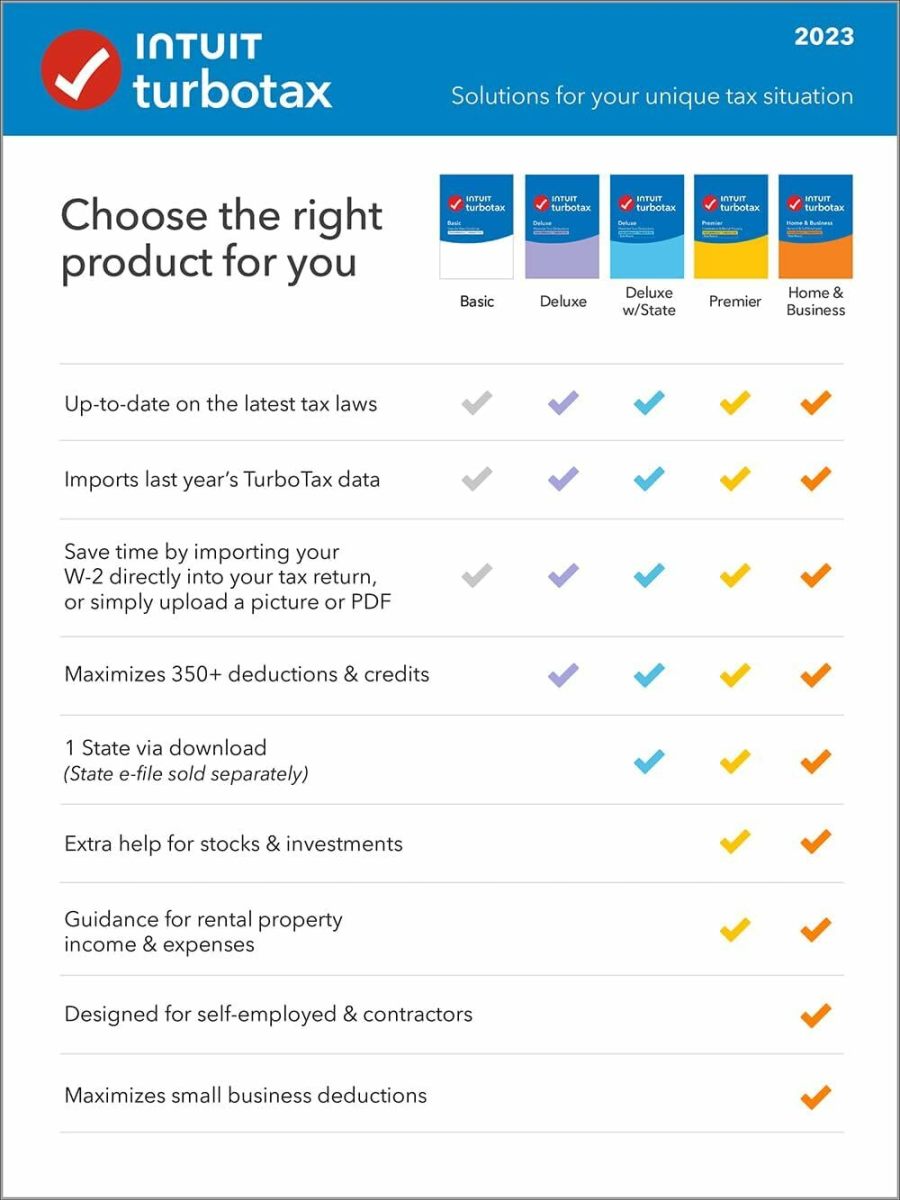
The core of the TurboTax pricing model is built around four primary software tiers. These tiers are designed to scale with the complexity of your financial life. It is important to note that these prices are fluid; Intuit, the parent company of TurboTax, frequently adjusts prices as the April 15th deadline approaches.
TurboTax Free Edition
The Free Edition is the entry point for the software, but it is strictly limited. It is designed for “simple tax returns only,” which generally means a Form 1040 without any additional schedules. This typically covers W-2 income, limited interest and dividend income (1099-INT or 1099-DIV), the standard deduction, the Earned Income Tax Credit (EITC), and child tax credits. However, if you have student loan interest deductions, mortgage interest, or any form of self-employment income, you will likely be prompted to upgrade.
TurboTax Deluxe
TurboTax Deluxe is the most popular tier for the average homeowner and middle-income taxpayer. At a base price that usually starts around $60 (excluding state filing), this version allows users to itemize deductions. If you own a home, have significant charitable donations, or have high medical expenses, the Deluxe version is the minimum requirement to ensure you are maximizing your deductions. Financially, the goal here is to ensure that the cost of the software is offset by the tax savings found through itemization.
TurboTax Premium
The Premium tier is designed for individuals with more complex financial portfolios. This includes those who own rental property, freelancers, independent contractors, and investors who have sold stocks, bonds, or cryptocurrency. Starting at approximately $120, this tier provides the necessary forms (such as Schedule C and Schedule E) and guidance for reporting capital gains and losses. From a wealth-management perspective, this tier is necessary for ensuring compliance with IRS regulations regarding investment income and business expenses.
The Impact of TurboTax Live and Full Service
In recent years, TurboTax has pivoted toward a service-based model, offering varying levels of human interaction. This is where the costs can rise significantly, moving from a DIY software price point to a professional services price point.
TurboTax Live Assisted
The “Live Assisted” option can be added to any of the aforementioned tiers. This service allows you to connect with a tax professional—either a CPA or an Enrolled Agent—via one-way video to ask questions as you go. They can also perform a final review of your return before you file. The price for Live Assisted typically adds an additional $100 to $150 to the base price of the software. For many, this provides a “financial insurance policy,” offering peace of mind that the return is accurate without the full cost of a private CPA.
TurboTax Live Full Service
For those who want to outsource their taxes entirely, TurboTax Live Full Service is the highest-cost option. You upload your documents, and a tax pro does the rest. Pricing for this service is dynamic and based on the complexity of your situation, often starting at $200 and climbing well above $500 for complex business filings. While expensive, it is a competitive alternative to local accounting firms, offering the convenience of a digital interface with the expertise of a certified professional.
Navigating the “Hidden” Costs of Tax Preparation
The base price of the software is rarely the total amount debited from your bank account. There are several ancillary costs and service fees that users must account for when calculating their total tax preparation budget.
State Filing Fees
One of the most common surprises for first-time users is the cost of filing a state tax return. While some versions of TurboTax include one state download, the actual “e-file” fee for that state return is often an additional charge, typically ranging from $40 to $60. If you lived or worked in multiple states during the year, these fees can multiply quickly. From a personal finance standpoint, it is worth checking if your state offers a free direct-file portal, which could save you these per-state fees.
Refund Processing and Service Fees
A significant “convenience” fee that many users fall for is the Refund Processing Service. TurboTax offers the option to deduct your filing fees directly from your federal tax refund rather than paying upfront with a credit card. While this sounds convenient, it usually comes with a service fee of approximately $40 to $50. In terms of interest rates, paying $40 to “borrow” your own filing fee for a few weeks is an incredibly high-interest proposition. It is almost always more financially sound to pay the filing fees upfront with a credit or debit card.
Audit Defense and Identity Protection
During the checkout process, you will be offered “MAX Rewards” or similar audit defense packages. These packages, often costing around $60, provide identity theft monitoring and professional representation in the event of an IRS audit. While the protection is valuable, many taxpayers already have identity theft protection through their homeowners’ insurance or credit cards. Furthermore, if you have a simple return, the statistical likelihood of an audit is low, making this an optional expense that may not provide a high return on investment.
Financial Strategies to Reduce Your Tax Preparation Expenses
Smart financial management involves minimizing expenses while maximizing value. There are several ways to reduce the cost of filing on TurboTax if you are proactive.
Timing and Early Bird Discounts
Intuit employs a dynamic pricing strategy. Prices are typically at their lowest in December and January. As the “early bird” window closes in mid-February, prices often jump by $10 to $30 per tier. By March and April, you are likely to pay the “MSRP” or peak price. To save money, it is best to purchase the software or start your return as early as possible, even if you are still waiting on one or two forms to arrive.
Leveraging Financial Institution Partnerships
Many banks and brokerage firms, such as Chase, Fidelity, and Vanguard, offer their clients discounted or even free versions of TurboTax. If you have a high-balance account or are a frequent trader, check your “Benefits” or “Offers” tab on your financial institution’s website before buying the software directly. These discounts can often save you up to 20% or 30% off the retail price.
IRS Free File: The Zero-Cost Alternative
Perhaps the most overlooked way to file for free is through the IRS Free File program. If your Adjusted Gross Income (AGI) is $79,000 or less, you are eligible to use brand-name tax software—including versions of TurboTax in some years, or their competitors—at no cost. This is a federal mandate designed to ensure that lower-to-middle-income taxpayers are not burdened by the cost of compliance. Always check the IRS.gov website to see which software providers are participating in the Free File program for the current year.

Is TurboTax Worth the Investment?
When analyzing the cost of TurboTax, one must consider the opportunity cost and the potential for error. Filing manually is free, but the risk of missing a deduction or making a mathematical error is high. A private CPA might cost $300 to $1,000, which is significantly more than TurboTax but offers year-round tax planning advice.
For most individuals, TurboTax sits in the “Goldilocks” zone of financial tools: more expensive than a DIY paper return, but cheaper and faster than a traditional accountant. By understanding the tiered pricing, avoiding unnecessary add-on fees, and taking advantage of early-season discounts, you can ensure that the cost of filing your taxes remains a manageable part of your annual financial plan. Ultimately, the “cost” of TurboTax is not just the price tag on the screen; it is the balance between the fee paid and the time, accuracy, and peace of mind gained in return.
aViewFromTheCave is a participant in the Amazon Services LLC Associates Program, an affiliate advertising program designed to provide a means for sites to earn advertising fees by advertising and linking to Amazon.com. Amazon, the Amazon logo, AmazonSupply, and the AmazonSupply logo are trademarks of Amazon.com, Inc. or its affiliates. As an Amazon Associate we earn affiliate commissions from qualifying purchases.