
For most individuals and businesses, filing taxes is an annual obligation that brings with it a variety of financial considerations, not least of which is the cost of preparation. While some might assume tax preparation is a straightforward expense, the reality is far more nuanced. The cost to “do taxes” can range from absolutely nothing to several thousand dollars, depending on a multitude of factors related to the complexity of your financial situation, the method of preparation you choose, and the expertise you seek. Understanding these variables is crucial for making informed decisions that balance accuracy, compliance, and your budget. This article will delve into the various costs associated with tax preparation, offering insights into what you can expect and how to manage these expenses effectively within the realm of personal and business finance.
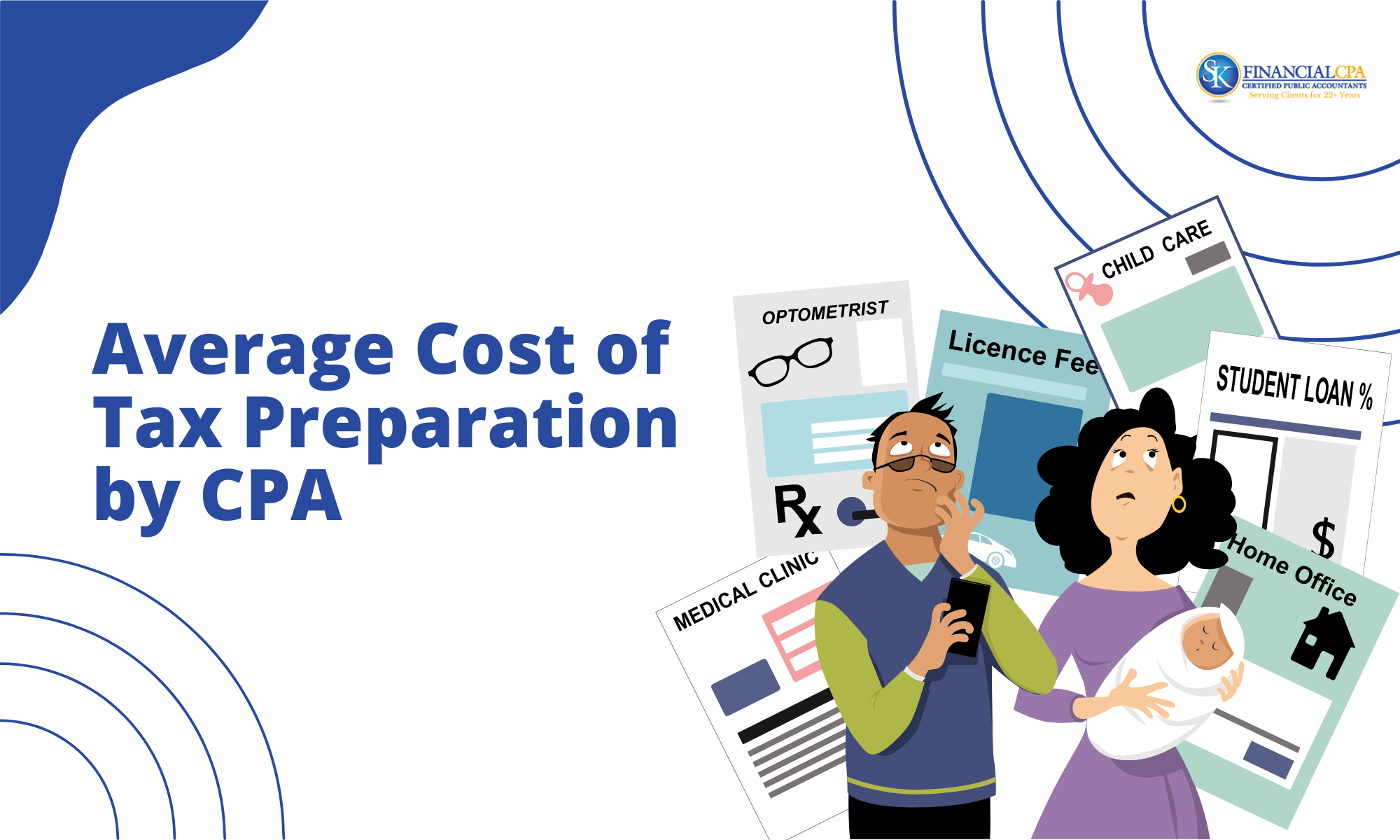
Understanding the Variables That Drive Tax Preparation Costs
The cost of tax preparation is rarely a fixed figure. Instead, it’s a dynamic sum influenced by several key factors that reflect the intricacy of your financial life and the resources required to accurately complete your return. Recognizing these variables is the first step in anticipating your potential expenses.
The Complexity of Your Tax Situation
The most significant determinant of tax preparation cost is the inherent complexity of your financial circumstances. A simple W-2 employee with no deductions beyond the standard deduction will naturally incur lower costs than someone with a diverse portfolio of income sources, investments, and business activities.
- Income Sources: Multiple W-2s, 1099 income from freelancing or contract work, rental income, or foreign income streams significantly increase complexity. Each additional income source often requires specific forms and calculations.
- Deductions and Credits: While deductions can reduce your tax liability, itemizing deductions (e.g., mortgage interest, medical expenses, charitable contributions) requires meticulous record-keeping and potentially more time for data entry and calculation than simply claiming the standard deduction. Similarly, various tax credits, though beneficial, often necessitate specific eligibility checks and documentation.
- Investments: Gains or losses from stocks, bonds, mutual funds, cryptocurrency, or other investments reported on Schedule D (Capital Gains and Losses) or other forms add layers of complexity. This includes tracking cost basis, wash sales, and various types of distributions.
- Business Ownership: Sole proprietorships, partnerships, S-corporations, or C-corporations involve substantial additional forms (e.g., Schedule C for self-employment income, Form 1120-S, Form 1065). These often require detailed accounting of income, expenses, assets, and liabilities, driving up preparation time and cost.
- Life Events: Major life changes such as marriage, divorce, purchasing a home, having children, starting a business, or inheriting assets can drastically alter your tax profile, necessitating more involved preparation.
The Method of Preparation You Choose
How you choose to prepare and file your taxes has a direct correlation with the associated costs. The spectrum ranges from completely self-managed options to full-service professional assistance.
- Do-It-Yourself (DIY) Software: This method involves using commercial tax software programs (e.g., TurboTax, H&R Block, TaxAct) to guide you through the process. Costs here typically relate to the software’s purchase price or subscription fee.
- Professional Tax Preparers: This category includes a range of experts, from independent tax preparers to Enrolled Agents (EAs), Certified Public Accountants (CPAs), and large tax service chains. Their fees are typically based on the complexity of the return, the time spent, and their level of expertise and credentials.
- Free Tax Resources: For those with very simple tax situations or incomes below a certain threshold, options like IRS Free File and volunteer tax assistance programs (VITA/TCE) offer a no-cost solution.
Your Geographic Location
While less impactful than complexity or method, geographic location can still play a role, particularly when hiring professional preparers. Just like many other services, the cost of living in a particular region often influences the fees charged by tax professionals. A CPA in a major metropolitan area with high overheads is likely to charge more than one in a rural town. This economic principle extends to professional services, making it a subtle yet relevant factor in your overall tax preparation expense.
Deconstructing the Costs by Preparation Method
Understanding the cost structure of each preparation method allows you to evaluate which option best aligns with your financial comfort, time availability, and tolerance for complexity.
DIY Tax Software: The Economical Choice
For many taxpayers, especially those with straightforward finances, do-it-yourself tax software presents the most budget-friendly option. This method empowers individuals to take control of their tax filing process, guided by intuitive interfaces and built-in checks.
- Free Versions: Many popular tax software providers offer free versions, often through partnerships with the IRS Free File program, for taxpayers whose Adjusted Gross Income (AGI) falls below a certain threshold (which varies annually). These free options are typically suitable for filing simple federal and sometimes state returns, usually for W-2 income earners who claim the standard deduction.
- Paid Versions: As your tax situation becomes more complex, you’ll likely need to upgrade to a paid version of the software. These typically come in tiered pricing structures:
- Deluxe/Premier: For those with itemized deductions, investment income (stocks, bonds, mutual funds), or rental properties. These versions provide guidance on optimizing deductions and reporting various income types.
- Self-Employed/Business: Specifically designed for freelancers, independent contractors, small business owners, or those with K-1 income. These editions include comprehensive support for Schedule C (Profit or Loss from Business), business expenses, and depreciation calculations.
- Pros: Low cost, often user-friendly interfaces, ability to file from anywhere, immediate electronic filing confirmation.
- Cons: Requires personal time and effort, relies on the user’s understanding to input information correctly, limited personalized support (though some offer paid expert help), potential for errors if not careful.
Professional Tax Preparers: When Expertise Pays Off
When tax situations grow beyond basic W-2 income and standard deductions, or when peace of mind and expert advice are paramount, engaging a professional tax preparer becomes an invaluable investment. The landscape of professional preparers is diverse, offering various levels of service and expertise.
- Enrolled Agents (EAs): Federally authorized tax practitioners who specialize in taxation and have unlimited rights to represent taxpayers before the IRS. They are often more affordable than CPAs for tax-specific services.
- Certified Public Accountants (CPAs): Licensed accounting professionals who not only prepare taxes but also offer a broader range of financial services, including auditing, financial planning, and business consulting. Their fees are generally higher due to their extensive training and broader scope of practice.
- National Tax Service Chains: Companies like H&R Block or Jackson Hewitt offer readily accessible, walk-in services. They often have standardized pricing models and can handle a wide range of tax situations, though fees can vary by location and complexity.
- Average Costs:
- Simple W-2 Return (Standard Deduction): $150 – $300
- Itemized Deductions, Investments (Schedule A, B, D): $300 – $700
- Small Business/Self-Employed (Schedule C, E): $400 – $1,000+ (can go significantly higher for complex businesses with multiple employees, assets, or substantial revenue)
- Factors Influencing Professional Fees:
- Hourly vs. Flat Fee: Some preparers charge an hourly rate, while others offer flat fees based on the forms required.
- Experience and Credentials: More experienced EAs or CPAs with specialized knowledge (e.g., international tax, real estate tax) will command higher fees.
- Geographic Location: As mentioned, costs vary by region.
- Pros: Accuracy, reduced risk of errors, potential for maximizing deductions and credits you might miss, audit support, tax planning advice, significant time savings, peace of mind.
- Cons: Higher cost, requires trust in the preparer, may need to provide extensive documentation.
Average Costs: What to Expect
To provide a more concrete idea of costs, let’s look at some general price ranges based on typical scenarios. These figures are illustrative and can fluctuate based on the factors discussed above.
General Price Ranges for Different Scenarios
- Basic Federal Return (W-2, Standard Deduction, No Dependents):
- DIY Software: Free to $60
- Professional Preparer: $150 – $300
- Mid-Complexity Federal Return (W-2s, Itemized Deductions, Investment Income, Dependents):
- DIY Software: $60 – $120
- Professional Preparer: $300 – $700
- High-Complexity Federal Return (Self-Employment Income, Rental Property, Multiple Investments, Business Schedules):
- DIY Software: $90 – $150 (often requires the highest-tier software)
- Professional Preparer: $400 – $1,500+ (can easily exceed this for very complex business or high-net-worth individuals).
It’s important to remember that these averages typically refer to federal tax returns. State tax returns, if applicable, are often an additional cost, though usually less than the federal return.
Potential Additional Fees
Beyond the base cost of preparation, several services or situations can incur additional fees:
- State Returns: Most tax software and professionals charge extra for preparing state returns, typically ranging from $20 to $100 per state.
- Audit Protection/Assistance: Some preparers or software providers offer optional audit protection plans or charge an hourly rate for audit representation.
- Prior Year Amendments: If you need to amend a previously filed return, this is a separate service with its own fee.
- Complex Schedules and Forms: Returns requiring obscure or particularly intricate forms (e.g., foreign tax credits, specialized business deductions) will almost certainly cost more.
- Bookkeeping Services: If your financial records are not organized, a professional preparer may charge extra to sort through receipts and statements, or refer you to a bookkeeper.
The Value Proposition: Is a Higher Cost Justified?
The decision of how much to spend on tax preparation ultimately boils down to a value assessment. Is paying more worth the potential benefits? For many, the answer is a resounding yes, especially when considering the long-term financial implications.
Weighing Cost Against Accuracy and Time Savings
- Preventing Errors: Errors on tax returns can lead to penalties, interest, and even audits. A professional’s expertise significantly reduces this risk, potentially saving you more than their fee in avoided penalties. DIY software also has error-checking mechanisms, but these rely on correct data input from the user.
- Maximizing Deductions and Credits: Professionals are adept at identifying every eligible deduction and credit, ensuring you don’t overpay taxes. They stay current with ever-changing tax laws, often finding savings that an individual using software might overlook. The money saved through these optimizations can often offset, or even exceed, the professional’s fee.
- Time Efficiency: For individuals with busy schedules or complex finances, the time saved by outsourcing tax preparation can be substantial. Instead of spending hours or days grappling with forms and instructions, you can focus on other priorities.
When to Invest in Professional Help
Certain circumstances strongly suggest that the investment in a professional preparer is justified:
- Complex Financial Situations: If you own a business, have significant investments, rental properties, foreign income, or multiple income streams, a professional can navigate the intricacies and ensure compliance.
- Major Life Changes: Events like marriage, divorce, purchasing or selling a home, inheritance, or significant medical expenses can drastically alter your tax picture. A professional can advise on the tax implications and help optimize your return.
- Audit Concerns: If you’ve been audited before or have a situation that makes you concerned about an audit, a professional can provide peace of mind and, in many cases, represent you before the IRS.
- Tax Planning Needs: Professionals don’t just prepare taxes for the current year; they can offer forward-looking tax planning advice to minimize future tax liabilities, which is a key component of sound financial management.
Beyond Compliance: Tax Planning and Financial Strategy
The value of a good tax professional extends beyond mere compliance. They can become a trusted financial advisor, offering insights into:
- Retirement Planning: How current financial decisions impact future tax burdens in retirement.
- Investment Strategies: Tax-efficient ways to invest and manage your portfolio.
- Business Growth: Advising on business structures, deductions, and strategies to minimize tax liability as your business evolves.
- Estate Planning: How to structure your assets to minimize estate taxes.
These strategic services, while potentially adding to the cost, offer substantial long-term financial benefits that far outweigh a simple transaction fee for filing.
Strategies to Manage and Reduce Your Tax Preparation Expenses
Even if you opt for professional help, there are ways to manage and potentially reduce your tax preparation expenses without compromising accuracy or expertise.
Maintaining Organized Records
This is perhaps the most impactful step you can take. Whether using software or a professional, having all your income statements (W-2s, 1099s), deduction receipts, investment statements, and other relevant documents meticulously organized saves time.
- For professionals, less time spent sifting through disorganized papers means a lower bill if they charge hourly. Even for flat fees, a well-organized client makes their job easier and fosters a better working relationship.
- For DIY software, organized records simplify data entry and reduce the likelihood of overlooking important information.
Leveraging Free Resources
Don’t overlook the free options available, especially if your income is moderate or your tax situation is simple.
- IRS Free File: A partnership between the IRS and leading tax software companies, offering free federal tax preparation and e-filing for eligible taxpayers (typically based on AGI).
- VITA (Volunteer Income Tax Assistance) and TCE (Tax Counseling for the Elderly): These IRS-sponsored programs offer free tax help to qualified individuals, including those with low to moderate income, the elderly, persons with disabilities, and limited English-speaking taxpayers. Certified volunteers provide basic income tax return preparation.
Comparing Preparers and Software
Don’t settle for the first option you encounter.
- Shop Around for Professionals: Get quotes from a few different tax preparers. Ask about their fee structure (hourly vs. flat fee), what services are included, and what their experience is with situations similar to yours.
- Evaluate Software Tiers: If going the DIY route, carefully assess the features offered by different software tiers. Don’t pay for features you don’t need, but also don’t skimp if your situation requires more robust support.
Understanding Your Tax Situation
A basic understanding of your own tax situation can empower you to make better decisions about preparation. Knowing what forms you typically receive, which deductions you usually claim, and whether you have any complex income sources helps you:
- Choose the appropriate software tier or professional.
- Ask informed questions to a preparer.
- Identify potential errors in your return.
In conclusion, the cost of doing taxes is a flexible expense, shaped by individual circumstances and choices. From free online tools to comprehensive CPA services, the market offers solutions for every financial situation. The optimal approach involves a thoughtful consideration of your budget, the complexity of your finances, and your comfort level with managing tax intricacies. By understanding the variables, deconstructing the costs, assessing the value proposition, and employing smart management strategies, you can navigate the annual tax season with financial confidence and ensure your tax preparation aligns perfectly with your overall financial well-being.
aViewFromTheCave is a participant in the Amazon Services LLC Associates Program, an affiliate advertising program designed to provide a means for sites to earn advertising fees by advertising and linking to Amazon.com. Amazon, the Amazon logo, AmazonSupply, and the AmazonSupply logo are trademarks of Amazon.com, Inc. or its affiliates. As an Amazon Associate we earn affiliate commissions from qualifying purchases.