
Investing in Microsoft (NASDAQ: MSFT) represents more than just purchasing a piece of a software company; it is an entry into one of the most resilient and expansive ecosystems in the global economy. For many individual investors, the question “how much does it cost to buy Microsoft stock?” is the starting point of a larger journey into wealth building. However, the answer involves more than a simple ticker price. To truly understand the cost of acquisition, one must look at share prices, brokerage mechanics, the concept of fractional ownership, and the underlying value that justifies the investment.
Understanding the Current Price Point and Market Valuation
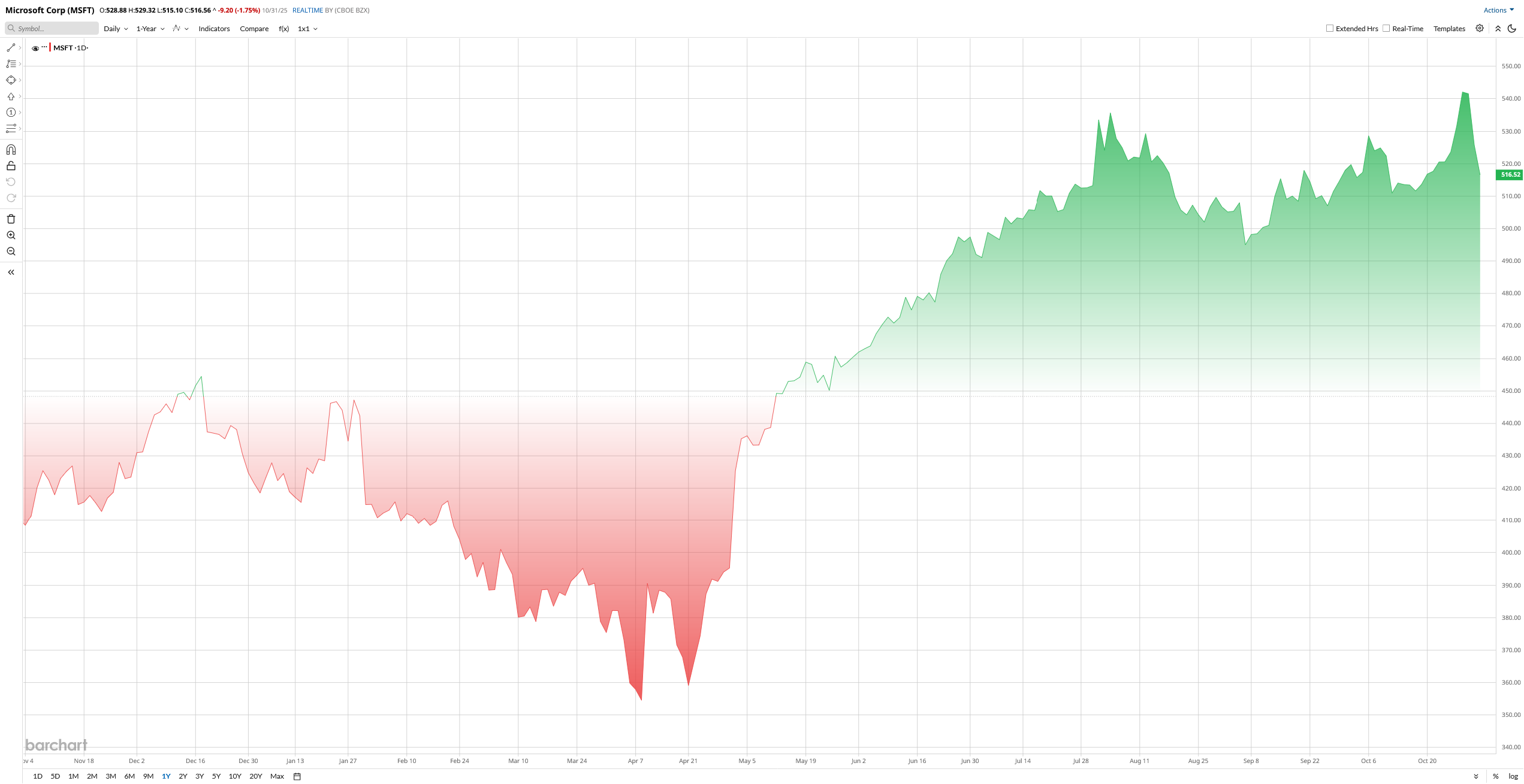
The most direct answer to the cost of Microsoft stock is the current market price of a single share. As a publicly traded company on the NASDAQ, Microsoft’s stock price fluctuates throughout the trading day based on supply and demand, investor sentiment, and broader economic indicators. To find the real-time cost, an investor simply needs to check a financial news portal or their brokerage app for the “Last Price” or “Mark.”
The Role of Share Price vs. Market Capitalization
While the price of a single share might be several hundred dollars, it is essential to distinguish between the nominal share price and the company’s total valuation, known as market capitalization. Market cap is calculated by multiplying the total number of outstanding shares by the current share price. Microsoft consistently sits in the “trillion-dollar club,” often vying for the spot of the world’s most valuable company.
For an investor, the share price is the “entry fee,” but the market cap tells you how much the market thinks the entire business is worth. A high share price does not necessarily mean a stock is “expensive” in financial terms; it simply reflects the division of the company’s total value into a specific number of units. Conversely, a lower share price does not always mean a “bargain” if the company has billions of shares outstanding and weak earnings.
Historical Context: From Growth to Stability
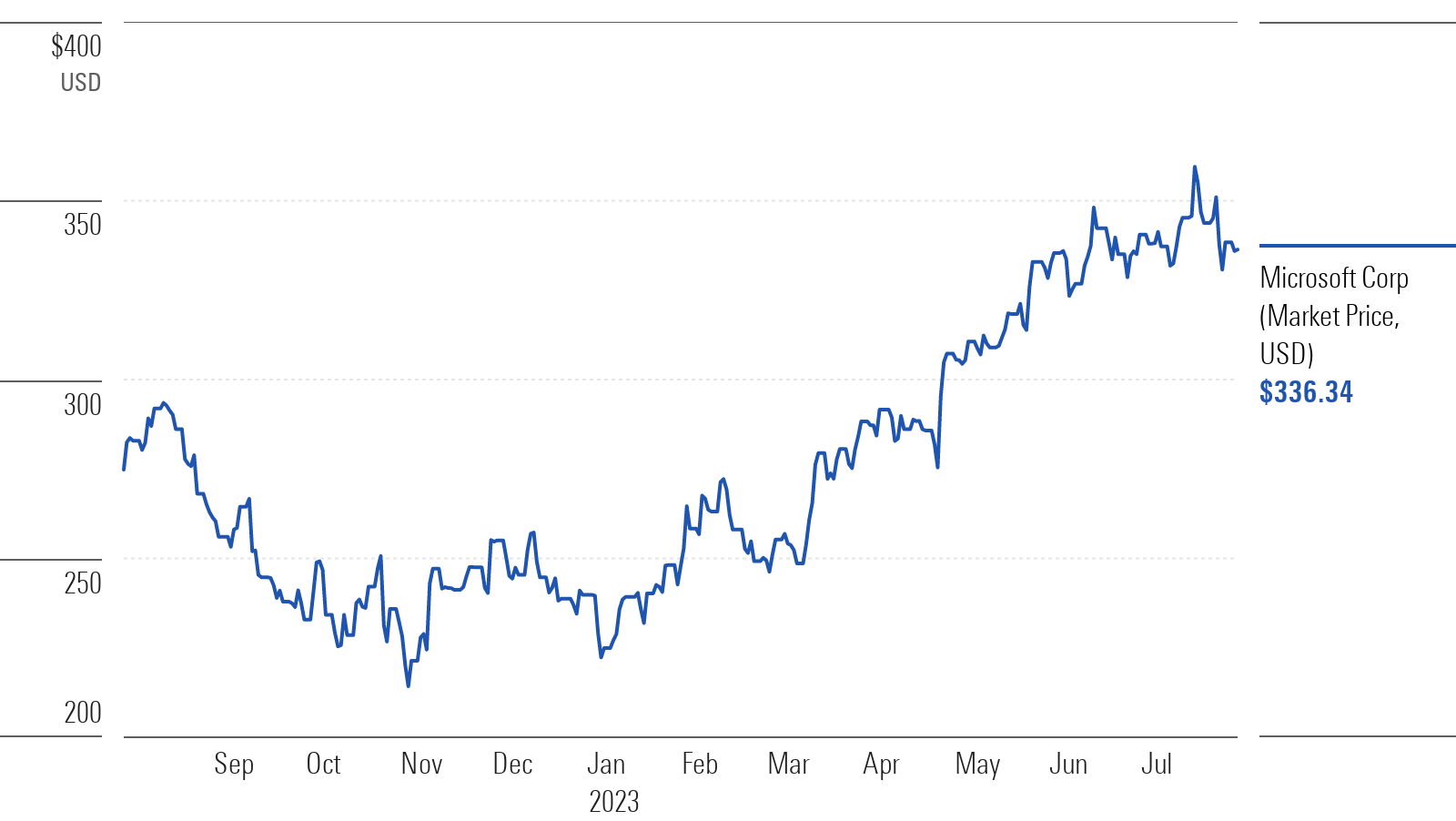
Looking at the historical trajectory of Microsoft’s stock provides context for its current cost. In the early 2000s, the stock remained relatively stagnant as the company navigated antitrust issues and a transition from the PC-centric era. However, under the leadership of Satya Nadella and a pivot toward cloud computing (Azure), the stock has seen exponential growth. Investors who ask about the cost today are looking at a premium valuation that reflects decades of proven stability and a dominant position in the future of artificial intelligence and enterprise software.
Factors That Influence the Cost of Microsoft Shares
The price you pay for Microsoft stock today is rarely the same price you would have paid a week ago. Several fundamental and technical factors drive these fluctuations, and understanding them can help investors time their entries or manage their expectations.
Quarterly Earnings and Financial Performance
Four times a year, Microsoft releases its earnings reports. These documents provide a transparent look at the company’s revenue, net income, and future guidance. If Microsoft beats analyst expectations—particularly in high-growth areas like the Intelligent Cloud segment—the stock price often jumps, increasing the cost of entry for new investors. Conversely, if growth in Windows or Surface hardware lags, the stock may see a temporary pullback, offering a lower cost basis.
Strategic Acquisitions and Product Innovation
Microsoft is known for its massive acquisitions, such as LinkedIn, GitHub, and more recently, Activision Blizzard. The market reacts to these deals by pricing in the potential for long-term revenue growth against the immediate capital expenditure. Furthermore, Microsoft’s heavy investment in OpenAI and the integration of “Copilot” across its software suite have made it a primary vehicle for AI exposure. Whenever Microsoft announces a breakthrough in AI or a major enterprise partnership, the “cost” of the stock typically rises to reflect this increased future potential.
Macroeconomic Trends and Interest Rates
Like all equities, Microsoft does not operate in a vacuum. Broader economic factors, such as the Federal Reserve’s decisions on interest rates, play a significant role. When interest rates rise, the present value of future earnings for growth-oriented tech companies is often discounted, which can lead to a decrease in share price. Inflation, global supply chain health (affecting hardware), and geopolitical stability also contribute to the daily volatility that determines the literal cost of a share at any given moment.
Hidden Costs and Transactional Fees of Buying Stock
Beyond the sticker price of the share itself, there are several “hidden” costs or administrative factors that investors must account for when calculating their total investment outlay.
Brokerage Commissions and Platform Fees
In the current financial landscape, many major US-based brokerages (such as Fidelity, Charles Schwab, and Vanguard) and fintech apps (like Robinhood or E*TRADE) offer zero-commission trading for stocks and ETFs. This means that if Microsoft is trading at $400, you pay exactly $400 for one share. However, some international brokers or full-service wealth management firms may still charge a flat fee per trade or a percentage of the total trade value. Always verify your broker’s fee schedule to ensure you aren’t losing a portion of your capital to transaction costs.
The Bid-Ask Spread Explained
When you go to buy Microsoft stock, you will see two prices: the “Bid” and the “Ask.” The “Bid” is what buyers are willing to pay, and the “Ask” is what sellers are willing to accept. The difference between the two is the “spread.” For a highly liquid stock like Microsoft, the spread is usually only a few cents. However, if you are placing a large order or trading during periods of high volatility, this spread represents a small but real cost of doing business. Using “Limit Orders” instead of “Market Orders” can help you control the exact price you are willing to pay.
Tax Implications and Capital Gains
While not an upfront cost, taxes are a significant “delayed” cost of owning Microsoft stock. If you buy the stock and sell it later for a profit, you will owe capital gains tax. If you hold the stock for more than a year, you typically qualify for the lower long-term capital gains rate. Additionally, Microsoft pays a quarterly dividend. These dividends are generally taxable in the year they are received, unless the stock is held within a tax-advantaged account like an IRA or 401(k).
How to Get Started with Less Capital: Fractional Shares
One of the biggest hurdles for new investors is the high nominal price of a single share of a “Magnificent Seven” tech company. If Microsoft is trading at a high price point, a student or a young professional might feel they cannot afford to invest. This is where fractional shares change the equation.
Breaking Down the Barrier to Entry
Many modern brokerages now allow investors to purchase “fractional shares,” which means you can buy stock based on a dollar amount rather than a share count. If you have $10, $50, or $100, you can buy that specific dollar amount of Microsoft stock. You will own a percentage of a single share (e.g., 0.25 shares), and you will even receive a proportional amount of any dividends paid. This eliminates the “cost” barrier and allows anyone with any amount of capital to become a Microsoft shareholder.
Diversification Through Small Investments
Fractional shares also allow for better portfolio construction. Instead of spending all your available cash on one full share of Microsoft, you can split your investment across multiple companies. For example, with $500, you could buy $250 of Microsoft and $250 of an S&P 500 index fund. This strategy reduces your risk by ensuring you aren’t over-leveraged in a single security, regardless of how strong that company’s financials appear to be.
Building a Long-Term Strategy for Microsoft Ownership
Once you understand the costs, the focus shifts to strategy. Buying Microsoft stock is rarely about timing the market perfectly for a quick gain; it is usually about participating in the long-term compounding of a tech titan.
Dollar-Cost Averaging (DCA)
Because the price of Microsoft stock changes daily, many investors use a strategy called Dollar-Cost Averaging. Instead of trying to guess when the price is at its lowest, you invest a fixed amount of money at regular intervals (e.g., $200 every month). When the price is high, your $200 buys fewer shares; when the price is low, your $200 buys more shares. Over time, this lowers your average cost per share and removes the emotional stress of market volatility.

Evaluating Dividend Yields and Total Return
Microsoft is unique among many high-growth tech companies because it pays a consistent dividend. When calculating the “cost” and eventual return on your investment, you must factor in the dividend yield. Reinvesting these dividends through a Dividend Reinvestment Plan (DRIP) allows you to use the company’s own payouts to buy more shares, effectively lowering your out-of-pocket cost for increasing your position over time.
In conclusion, the cost to buy Microsoft stock is a combination of the current market price, the chosen brokerage’s fee structure, and the investor’s own strategic approach. Whether you are buying a single share, a thousand shares, or a $10 fractional slice, the most important cost to consider is the “opportunity cost” of not being invested in a company that continues to define the landscape of modern enterprise and consumer technology. By focusing on fundamental value and utilizing modern investing tools, the entry point into Microsoft remains accessible to investors of all financial backgrounds.
aViewFromTheCave is a participant in the Amazon Services LLC Associates Program, an affiliate advertising program designed to provide a means for sites to earn advertising fees by advertising and linking to Amazon.com. Amazon, the Amazon logo, AmazonSupply, and the AmazonSupply logo are trademarks of Amazon.com, Inc. or its affiliates. As an Amazon Associate we earn affiliate commissions from qualifying purchases.