
In an increasingly digital world, understanding the true cost of our entertainment subscriptions is paramount to sound personal financial management. YouTube TV has emerged as a formidable alternative to traditional cable, promising flexibility and a diverse channel lineup. However, for the financially savvy consumer, the primary question isn’t just about what’s offered, but precisely how much does it cost for YouTube TV and how does this expenditure fit into a broader household budget and financial strategy? This article delves deep into the financial architecture of YouTube TV, exploring its base costs, potential add-ons, comparative value, and how to effectively integrate it into your personal finance planning.
Deconstructing the Base YouTube TV Subscription Fee
The foundation of any YouTube TV subscription is its base plan, which represents the primary financial outlay for users. Understanding this core cost is the first step in assessing its value and impact on your monthly budget.
The Core Financial Outlay
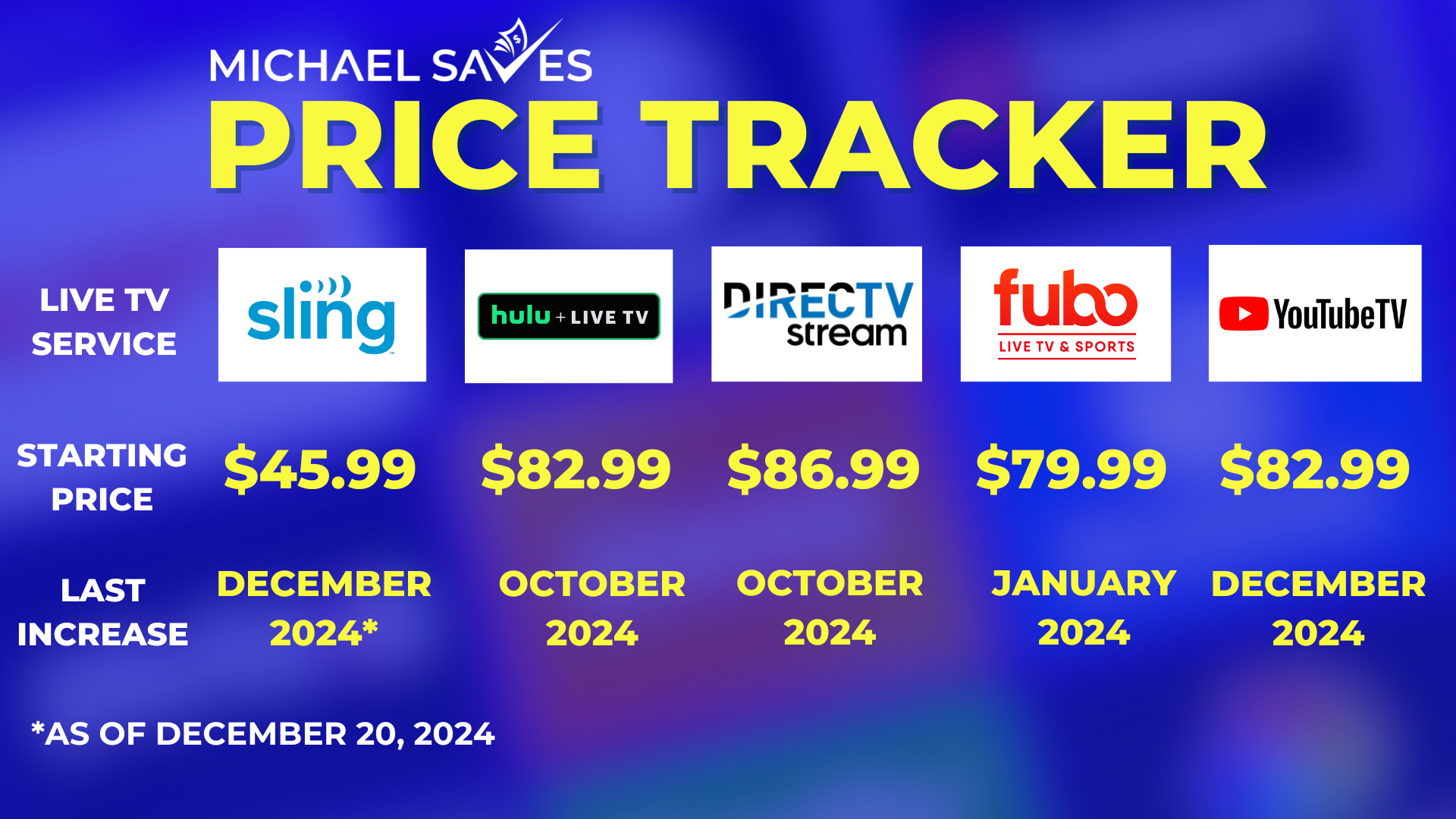
Currently, the standard base subscription for YouTube TV typically hovers around $72.99 per month. This figure is subject to change, as streaming services, much like traditional utilities, occasionally adjust their pricing to reflect market conditions, content acquisition costs, and service enhancements. It’s crucial for consumers to be aware that this is a recurring monthly expense, directly impacting their discretionary spending budget. Unlike one-time purchases, subscription services necessitate continuous financial commitment, making careful budgeting essential. This base fee provides access to over 100 channels, unlimited cloud DVR storage, and allows up to three simultaneous streams. From a financial perspective, these features contribute to the overall value proposition, but the fixed monthly cost remains the critical anchor for financial planning.
What’s Included for the Price Point?
For the aforementioned monthly fee, subscribers gain access to a comprehensive suite of features and content. The channel lineup typically includes major broadcast networks (ABC, CBS, FOX, NBC), popular cable channels across various genres (sports, news, entertainment), and a robust on-demand library. The unlimited cloud DVR is a significant financial differentiator, as similar features on traditional cable often come with additional rental fees for hardware or limited storage capacities. Furthermore, the ability to stream on multiple devices simultaneously means a single subscription can serve an entire household, potentially reducing the need for multiple, individual entertainment subscriptions. Evaluating these inclusions against the monthly fee helps a consumer determine the financial efficiency and utility of the service for their specific household needs. For families or individuals with diverse viewing habits, the breadth of content and features can represent a strong financial value, consolidating entertainment spending into a single, manageable bill.
Understanding Promotional Offers and Their Financial Lure
YouTube TV, like many subscription services, frequently employs promotional offers to attract new subscribers. These can include discounted introductory rates for the first few months, free trial periods, or bundled deals with other Google services. While these offers present an attractive initial financial saving, it is imperative for consumers to approach them with a clear financial strategy. A “free trial” is only financially beneficial if one intends to cancel before the billing cycle begins or if the subsequent full price aligns with their long-term budget. Similarly, discounted rates revert to the standard monthly fee after the promotional period expires. Financial prudence dictates that budgeting should always be based on the full, non-promotional cost to avoid unexpected increases in monthly expenditure once the introductory period concludes. These promotions are marketing tools designed to lower the barrier to entry, but a disciplined financial mindset focuses on the sustainable, long-term cost.
Navigating Additional Costs and Premium Add-ons
While the base YouTube TV subscription offers substantial content, many users find themselves drawn to additional features and premium channels that can significantly escalate the monthly financial outlay. Understanding these potential additions is crucial for an accurate assessment of the total cost.
Expanding Your Channels: Premium Network Subscriptions
YouTube TV provides the flexibility to augment its base channel lineup with various premium networks. These can include channels like Max (formerly HBO Max), Showtime, STARZ, and EPIX, among others. Each of these add-ons comes with its own separate monthly fee, ranging from a few dollars to upwards of $15-$20 per service. For a financially conscious individual, it’s vital to assess the incremental value these premium channels bring against their additional cost. Adding just a couple of these can easily push the total monthly bill well above $100, nearing or even surpassing the cost of some traditional cable packages. Before subscribing, consider if you truly utilize enough content from these networks to justify the recurring expenditure. A common financial pitfall is subscribing to multiple premium services and underutilizing them, leading to wasted spending.
Enhancing Your Experience: Feature-Based Add-ons
Beyond premium content, YouTube TV also offers specific feature-based add-ons that can impact the total cost. Examples might include 4K Plus, which provides access to 4K resolution content, offline downloads, and unlimited streams at home. While offering enhanced viewing experiences, these features come at an additional monthly charge, typically around $10-$20. For budget-minded consumers, evaluating whether the visual upgrade or additional streaming flexibility is worth the extra financial commitment is key. If your internet connection or TV hardware doesn’t fully support 4K, or if your household rarely requires more than three simultaneous streams, this particular add-on might represent an unnecessary financial luxury rather than a pragmatic investment. Every dollar spent on an add-on should be justified by tangible usage and benefit relative to your financial priorities.
The Cumulative Impact on Your Monthly Budget
The real financial challenge with add-ons lies in their cumulative effect. Individually, each additional charge might seem minor. However, when multiple premium channels and feature upgrades are stacked, the total monthly cost for YouTube TV can quickly inflate. For instance, a base plan at $72.99, plus Max ($15.99), Showtime ($10.99), and 4K Plus ($19.99), quickly sums up to over $119 per month. This total needs to be rigorously compared against your allocated entertainment budget. Without careful tracking, these incremental additions can lead to “subscription creep,” where the total monthly expenditure for streaming services quietly grows, potentially derailing personal financial goals. Regular audits of your subscriptions and their associated costs are a healthy financial habit to maintain control over your spending.
YouTube TV’s Financial Proposition Against Traditional Cable
The primary motivation for many in considering YouTube TV is the promise of “cord-cutting” and the perceived financial savings compared to traditional cable television. A detailed financial comparison reveals both the potential for savings and areas where costs can converge.
A Head-to-Head Cost Comparison
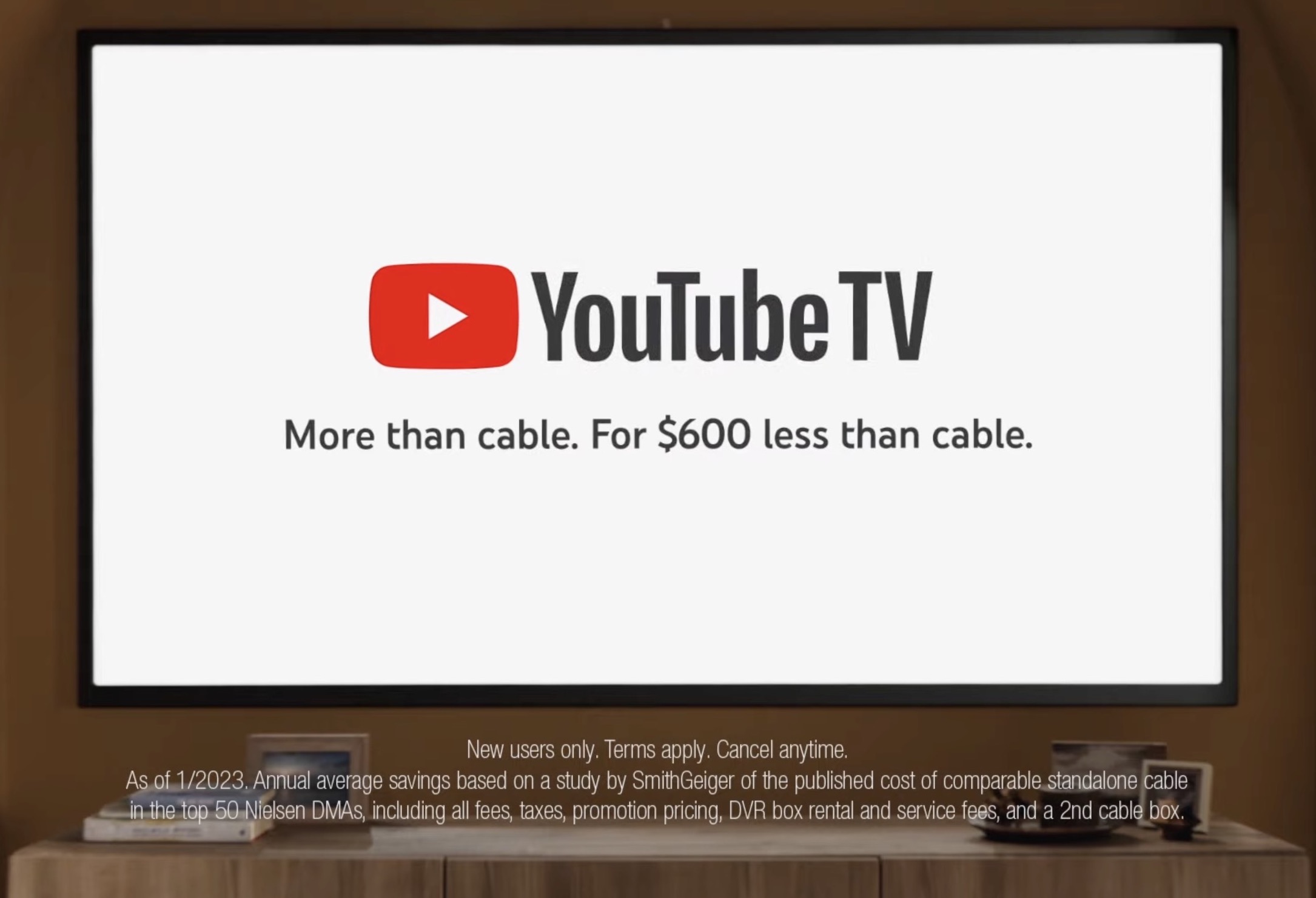
Traditional cable television packages often start at a lower advertised price, but these figures are frequently introductory and don’t include hidden fees. Once installation fees, equipment rental charges (modems, set-top boxes), broadcasting fees, regional sports network fees, and taxes are factored in, the monthly bill can easily climb to $150-$200 or more, especially for bundles that include internet and phone services. In contrast, YouTube TV’s transparent pricing, typically $72.99 for its base plan, often presents a clear initial financial advantage. While adding premium channels to YouTube TV can push its cost upwards, it’s still less common for it to reach the upper echelons of a fully loaded cable bill. The fundamental difference lies in the clarity and often lower baseline cost of YouTube TV.
The Hidden Fees and Long-Term Savings Potential
One of the most appealing financial aspects of YouTube TV is the absence of many “hidden” fees prevalent in traditional cable. There are no equipment rental fees, no installation costs, and often fewer obscure surcharges. This transparency makes budgeting much simpler and more predictable. Over the long term, these avoided fees can translate into significant savings. For example, if cable equipment rental costs $10-$20 per month, over a year, that’s $120-$240 saved. Coupled with the potentially lower base subscription, the annual financial benefit of YouTube TV can be substantial, freeing up hundreds of dollars that can be redirected towards savings, debt repayment, or other financial goals. The flexibility to cancel anytime without long-term contracts also eliminates early termination fees, offering another layer of financial security.
Assessing Value Beyond the Price Tag
While price is a crucial factor, a comprehensive financial assessment also considers the “value” derived from the expenditure. For many, YouTube TV offers superior value for money due to its modern features, such as unlimited cloud DVR, intuitive user interface, and multi-device streaming capabilities. The ability to watch TV anywhere with an internet connection also adds to its utility, making it a more versatile and lifestyle-friendly option. From a financial perspective, if these features enhance your enjoyment and convenience without disproportionately increasing the cost, they contribute positively to the return on investment for your entertainment dollar. Conversely, if a household primarily watches only a handful of channels, even YouTube TV might be considered overspending, prompting a financial review of more minimalist streaming options.
Strategizing Your Entertainment Budget with YouTube TV
Integrating YouTube TV into your financial plan requires more than just knowing the cost; it demands a strategic approach to budgeting, cost control, and maximizing financial value.
Monthly Financial Planning and Cost Control
Effective financial planning starts with allocating a specific budget for entertainment expenses. Once this budget is established, YouTube TV’s cost, along with any chosen add-ons, should be factored in. It’s crucial to treat this subscription as a fixed monthly expense and ensure it doesn’t push your overall spending beyond your means. A proactive approach involves monitoring your bank statements or using budgeting apps to track the actual amount charged each month. If your total entertainment spending (including other streaming services, movies, etc.) exceeds your budget, then a financial decision must be made: either reduce other discretionary spending or scale back on YouTube TV add-ons or even the service itself. Financial discipline in this area prevents entertainment from becoming a silent budget killer.
The Importance of Regular Subscription Audits
Subscription creep is a common financial challenge in the digital age. A regular “subscription audit” – perhaps quarterly or semi-annually – is an invaluable financial habit. During this audit, review all your streaming services, including YouTube TV and its add-ons. Ask yourself: “Am I still actively using this service?”, “Does this add-on still provide sufficient value for its cost?”, and “Could I temporarily pause this service to save money?” For example, if you only watch a particular premium channel for one show a year, it makes financial sense to subscribe only for that month and then cancel, rather than paying year-round. This proactive financial management ensures that every dollar spent on entertainment is justified and aligned with current usage patterns and financial priorities.
Maximizing Financial Value from Your Streaming Choices
To truly maximize financial value, consider alternatives or complementary strategies. For example, if you frequently watch content available on free over-the-air (OTA) channels, investing in an antenna could allow you to reduce your reliance on YouTube TV’s base package, or even forgo it for a period. For sports enthusiasts, evaluating the cost of specific sports packages on YouTube TV versus standalone sports streaming services is another avenue for financial optimization. Additionally, leverage the unlimited cloud DVR feature to its fullest; recording shows means you won’t miss content, potentially reducing the temptation to subscribe to additional on-demand services for missed episodes. Smart financial choices mean getting the most out of your current subscriptions before adding new ones.
The Broader Financial Implications of Cord-Cutting
Opting for YouTube TV and other streaming services as a replacement for traditional cable is often part of a larger financial strategy: cord-cutting. This decision has significant broader financial implications, extending beyond just the monthly bill.
Reallocating Savings to Other Financial Goals
One of the most powerful financial benefits of cord-cutting with YouTube TV is the potential to generate substantial savings, which can then be strategically reallocated. If switching from a $150/month cable bill to a $73/month YouTube TV subscription saves you $77 per month, that’s over $900 per year. This money can be directed towards accelerating debt repayment (e.g., student loans, credit card balances), boosting your emergency fund, contributing to retirement savings, or investing in other financial assets. For individuals committed to improving their financial health, this liberated capital represents a tangible opportunity to make significant progress towards their long-term financial goals, illustrating the profound impact of seemingly small monthly financial decisions.
The Flexibility of Subscription-Based Living
From a financial planning perspective, streaming services like YouTube TV offer unparalleled flexibility compared to traditional cable contracts. The ability to start, pause, or cancel subscriptions at any time without penalty means consumers are not locked into long-term financial commitments. This agility is incredibly valuable, especially during periods of financial uncertainty or when personal circumstances change. If income temporarily decreases, reducing entertainment expenses is straightforward. This financial adaptability makes managing a household budget more dynamic and resilient, empowering consumers to exert greater control over their discretionary spending without being tied down by restrictive contracts that carry punitive cancellation fees.
Long-Term Financial Health and Entertainment Choices
Ultimately, the choice of YouTube TV and its associated costs is an integral part of an individual’s long-term financial health. By making informed decisions about entertainment spending, budgeting effectively, and regularly auditing subscriptions, consumers can ensure that their pursuit of enjoyment doesn’t compromise their financial well-being. The shift from traditional cable to services like YouTube TV represents more than just a change in how we consume media; it’s a fundamental change in how we manage a significant portion of our household budget. Approaching this decision with a strong financial mindset—focused on value, sustainability, and alignment with broader financial goals—is key to achieving both entertainment satisfaction and robust financial security.
aViewFromTheCave is a participant in the Amazon Services LLC Associates Program, an affiliate advertising program designed to provide a means for sites to earn advertising fees by advertising and linking to Amazon.com. Amazon, the Amazon logo, AmazonSupply, and the AmazonSupply logo are trademarks of Amazon.com, Inc. or its affiliates. As an Amazon Associate we earn affiliate commissions from qualifying purchases.