
Understanding the cost of health insurance is one of the most critical components of personal financial planning. For many, it represents a significant monthly expenditure, yet it’s also a vital safeguard against unforeseen medical crises that could otherwise lead to financial ruin. The question, “how much does it cost for health insurance?” is deceptively simple, as the answer is multifaceted, influenced by a complex interplay of personal circumstances, policy choices, and market dynamics. This article will delve deep into the various elements that constitute health insurance costs, explore the factors that drive these expenses, and outline strategies for managing and potentially reducing this essential financial outlay, all firmly within the realm of personal finance.

Understanding the Core Components of Health Insurance Costs
When you consider the “cost” of health insurance, it’s not just a single number. Instead, it’s a combination of several financial components that contribute to your overall healthcare expenditure throughout the year. Grasping each of these is fundamental to making informed decisions and budgeting effectively.
Premiums: Your Monthly Payment
The most straightforward cost is the premium. This is the regular payment—typically monthly—you make to your insurance provider to maintain your coverage. Think of it as the entry fee to access the network of doctors, hospitals, and services that your plan covers. Premiums can vary dramatically based on the type of plan, the provider, your location, age, and other factors we’ll explore shortly. For individuals, premiums can range from a few hundred dollars to over a thousand dollars per month, while family plans naturally incur higher costs. These premiums are paid regardless of whether you use medical services or not.
Deductibles: The Out-of-Pocket Threshold
A deductible is the amount of money you must pay out-of-pocket for covered medical services before your insurance company begins to pay. For example, if your plan has a $5,000 deductible, you are responsible for the first $5,000 in covered medical expenses in a given year. After you’ve met your deductible, your insurance company starts to pay for a portion of your medical costs, typically through coinsurance. It’s important to note that many plans cover certain preventive services (like annual check-ups) even before you meet your deductible. Plans with lower monthly premiums often come with higher deductibles, and vice-versa, presenting a critical trade-off in personal finance planning.
Copayments and Coinsurance: Shared Costs
Even after you’ve met your deductible, you’ll likely still share some of the cost with your insurer.
- Copayment (Copay): This is a fixed amount you pay for a covered healthcare service after you’ve paid your deductible. For instance, you might have a $30 copay for a doctor’s visit or a $50 copay for an emergency room visit. Copays do not usually count towards your deductible but do count towards your out-of-pocket maximum.
- Coinsurance: This is your share of the cost of a covered healthcare service, calculated as a percentage of the allowed amount for the service. For example, if your plan pays 80% of costs after the deductible, you pay the remaining 20%. If a service costs $100 and your coinsurance is 20%, you’d pay $20, and your insurer would pay $80.
Understanding the interplay between deductibles, copays, and coinsurance is crucial for accurately forecasting your potential healthcare expenditures beyond just the premium.
Out-of-Pocket Maximum: Your Financial Safety Net
The out-of-pocket maximum (or limit) is the most you will have to pay for covered services in a policy year. Once you reach this limit, your health insurance plan will pay 100% of the cost of covered benefits for the remainder of the year. This maximum includes your deductible, copayments, and coinsurance payments. It acts as a vital financial safety net, protecting you from catastrophic medical bills in the event of a serious illness or injury. For those with chronic conditions or a higher likelihood of significant medical expenses, a lower out-of-pocket maximum can offer invaluable peace of mind and financial predictability, despite potentially higher premiums.
Factors Influencing Your Health Insurance Premiums
Several key demographic and policy-specific factors significantly impact the premium you pay for health insurance. Recognizing these influences empowers consumers to anticipate costs and explore options that best fit their financial situation.
Age: A Primary Driver
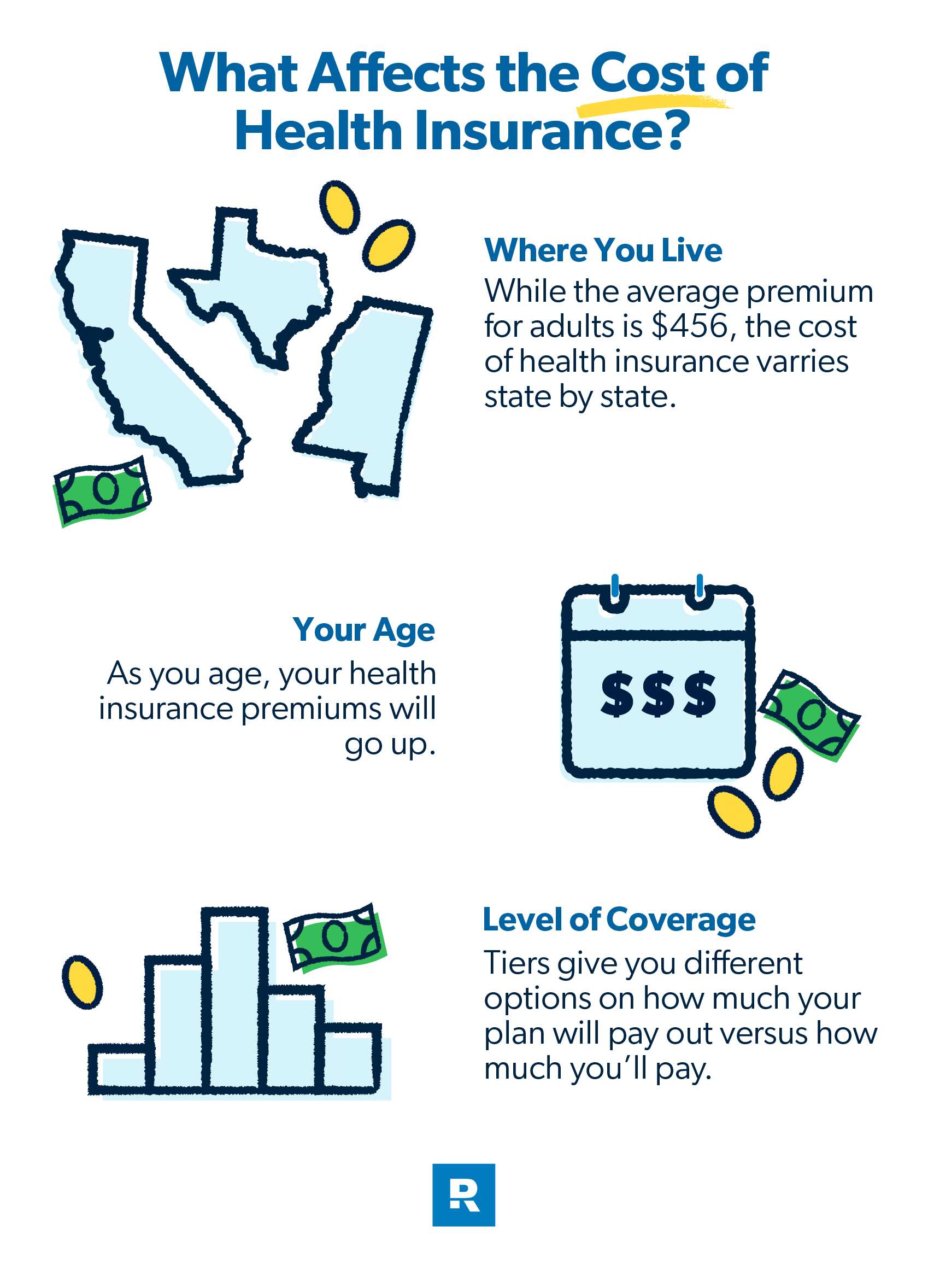
Age is one of the most substantial determinants of health insurance premiums. Generally, older individuals pay significantly higher premiums than younger individuals because they are statistically more likely to need medical care. Under the Affordable Care Act (ACA), insurers can only charge older adults up to three times more than what they charge younger adults for the same plan, but this multiplier still results in a considerable difference in cost.
Location: Where You Live Matters
Health insurance costs can vary widely depending on your geographic location, even within the same state. Factors such as the cost of healthcare services in a particular area, the number of competing insurance providers, state regulations, and local healthcare utilization rates all play a role. Urban areas with a high cost of living often correlate with higher healthcare expenses and, consequently, higher premiums.
Plan Type: HMO, PPO, EPO, POS, HDHP
The type of health insurance plan you choose profoundly affects both your premiums and how you access care.
- HMO (Health Maintenance Organization): Typically has lower premiums but requires you to choose a primary care physician (PCP) and get referrals to see specialists.
- PPO (Preferred Provider Organization): Offers more flexibility, allowing you to see specialists without referrals and go out-of-network (though at a higher cost). Premiums are generally higher than HMOs.
- EPO (Exclusive Provider Organization): Similar to PPOs in flexibility, but usually only covers in-network providers, except in emergencies.
- POS (Point of Service): A hybrid of HMO and PPO, requiring a PCP and referrals for in-network care, but allowing out-of-network care at a higher cost.
- HDHP (High-Deductible Health Plan): Features higher deductibles but lower monthly premiums. Often paired with a Health Savings Account (HSA), which offers significant tax advantages.
Your choice of plan type should align with your anticipated medical needs and your comfort with different levels of financial exposure and network restrictions.
Tobacco Use: A Lifestyle Surcharge
In most states, health insurers are permitted to charge tobacco users higher premiums. This surcharge, often referred to as a “tobacco surcharge,” can increase premiums by up to 50%. This is a direct reflection of the increased health risks and associated medical costs linked to tobacco use. It serves as a tangible financial incentive for individuals to quit smoking.
Family Size: Covering More People
It logically follows that covering more individuals under a single policy will increase the overall premium. A plan for an individual will be less expensive than a plan covering an individual and a spouse, or a family with multiple children. The costs typically scale with the number of dependents, with some plans capping the premium for children after a certain number (e.g., three children).
Metal Tiers (Marketplace Plans): Bronze, Silver, Gold, Platinum
For plans purchased through the Affordable Care Act (ACA) marketplace, plans are categorized into “metal tiers” based on how they split costs with you:
- Bronze: Has the lowest monthly premiums but the highest deductibles and out-of-pocket costs (insurer pays 60%, you pay 40%).
- Silver: Moderate premiums and moderate deductibles (insurer pays 70%, you pay 30%). This tier is crucial because cost-sharing reductions (subsidies that lower your out-of-pocket costs) are only available with Silver plans.
- Gold: High monthly premiums but lower deductibles and out-of-pocket costs (insurer pays 80%, you pay 20%).
- Platinum: The highest monthly premiums but the lowest deductibles and out-of-pocket costs (insurer pays 90%, you pay 10%).
The choice of metal tier directly impacts your financial exposure: lower premiums mean higher potential out-of-pocket costs, and vice versa.
Navigating the Health Insurance Marketplace and Other Avenues
The avenues through which individuals and families obtain health insurance are diverse, each with its own cost implications, eligibility criteria, and benefits. Understanding these pathways is key to securing affordable and appropriate coverage.
Employer-Sponsored Plans: The Most Common Route
The majority of Americans obtain health insurance through their employer. These plans are often the most affordable option because employers typically subsidize a significant portion of the premium. Many employers also offer a choice of different plans (e.g., an HMO and a PPO) allowing employees to select one that fits their needs and budget. The employer’s contribution reduces the employee’s direct financial burden, making these plans highly desirable from a personal finance perspective.
The Affordable Care Act (ACA) Marketplace: Subsidies and Choices
For those not covered by an employer, Medicaid, or Medicare, the ACA marketplace (HealthCare.gov or state-specific exchanges) provides a platform to compare and purchase individual health insurance plans. A significant feature of the ACA marketplace is the availability of subsidies, known as “premium tax credits” and “cost-sharing reductions.”
- Premium Tax Credits: These reduce your monthly premium, based on your income level. Many individuals and families qualify for substantial tax credits, making plans significantly more affordable.
- Cost-Sharing Reductions: These lower your deductibles, copayments, and out-of-pocket maximums, making healthcare more accessible. To qualify for cost-sharing reductions, you must enroll in a Silver-tier plan and meet specific income thresholds.
These subsidies are a critical financial tool for millions, making otherwise unaffordable coverage accessible.
Medicaid and CHIP: Government Assistance Programs
Medicaid is a joint federal and state program that provides health coverage to millions of low-income Americans, including children, pregnant women, elderly adults, and people with disabilities. Eligibility is based primarily on income and household size, and the specific criteria can vary by state, particularly whether a state has expanded its Medicaid program under the ACA. Children’s Health Insurance Program (CHIP) provides low-cost health coverage for children in families who earn too much to qualify for Medicaid but cannot afford private insurance. These programs offer essential health coverage with minimal or no cost to eligible individuals, serving as a vital safety net.
Medicare: For Seniors and Certain Disabilities
Medicare is a federal health insurance program primarily for people aged 65 or older, certain younger people with disabilities, and people with End-Stage Renal Disease (permanent kidney failure requiring dialysis or a transplant). It is divided into several parts:
- Part A (Hospital Insurance): Covers inpatient hospital stays, skilled nursing facility care, hospice care, and some home health care. Most people don’t pay a premium for Part A.
- Part B (Medical Insurance): Covers certain doctors’ services, outpatient care, medical supplies, and preventive services. Most people pay a monthly premium for Part B, which can be income-adjusted.
- Part D (Prescription Drug Coverage): An optional benefit for prescription drugs, offered by private companies approved by Medicare. There is a monthly premium for Part D.
- Medicare Advantage (Part C): An alternative to Original Medicare (Parts A & B) offered by private companies approved by Medicare. These plans often include Part D and may offer additional benefits.
While Medicare provides extensive coverage, individuals often face deductibles, copayments, and premiums, necessitating careful financial planning, sometimes involving supplemental Medigap policies or Medicare Advantage plans.
Strategies to Manage and Reduce Health Insurance Expenses
Managing health insurance costs requires proactive financial planning and an understanding of the available tools and options. It’s about optimizing value and minimizing unnecessary expenditure within your personal financial landscape.
Comparing Plans and Providers
One of the most effective ways to manage costs is to diligently compare plans annually. Do not simply renew your existing plan without reviewing alternatives. Use online marketplaces (like HealthCare.gov) or work with an insurance broker to compare premiums, deductibles, copays, coinsurance, and out-of-pocket maximums across different providers and plan types. Consider your expected healthcare usage for the coming year: if you anticipate minimal needs, a higher deductible, lower premium plan might save money. If you expect significant medical care, a higher premium, lower deductible plan might be more cost-effective in the long run.
Utilizing Health Savings Accounts (HSAs) and Flexible Spending Accounts (FSAs)
For those enrolled in a High-Deductible Health Plan (HDHP), a Health Savings Account (HSA) is an invaluable financial tool. HSAs offer triple tax advantages: contributions are tax-deductible, earnings grow tax-free, and withdrawals for qualified medical expenses are tax-free. Funds in an HSA roll over year to year and are portable, making them a powerful long-term savings and investment vehicle for healthcare costs.
Flexible Spending Accounts (FSAs), typically offered through employers, allow you to set aside pre-tax money for qualified medical expenses. While funds generally must be used within the plan year (though some allow a grace period or limited carryover), an FSA can significantly reduce your taxable income and cover out-of-pocket medical, dental, and vision costs. Both HSAs and FSAs are excellent ways to leverage tax benefits to mitigate healthcare expenses.
Leveraging Subsidies and Tax Credits
If you purchase insurance through the ACA marketplace, always check your eligibility for premium tax credits and cost-sharing reductions. Even if you didn’t qualify in previous years, changes in income or family size might make you eligible now. These subsidies can dramatically lower your monthly premiums and reduce your out-of-pocket expenses, making comprehensive coverage genuinely affordable. Many people overestimate their income or underestimate the available assistance, missing out on significant savings.
Maintaining a Healthy Lifestyle (Indirect Cost Savings)
While not a direct reduction in premium costs (unless it pertains to tobacco use), investing in a healthy lifestyle can indirectly lead to substantial savings on healthcare. Regular exercise, a balanced diet, and preventive care (like vaccinations and screenings covered by most plans at no extra cost) can reduce the likelihood of developing chronic conditions or experiencing acute health crises that necessitate costly medical interventions. A healthier you means fewer doctor visits, fewer prescriptions, and a lower chance of hitting your deductible or out-of-pocket maximum.
Understanding Your Benefits and Avoiding Unnecessary Services
Familiarize yourself with your plan’s Summary of Benefits and Coverage (SBC). Know what’s covered, what requires prior authorization, and which providers are in-network. Going out-of-network for non-emergency care can lead to significantly higher costs. Also, discuss treatment options with your doctor and question unnecessary tests or procedures. Being an informed patient can prevent unexpected bills and ensure you’re only paying for medically necessary services.
The True Cost: Beyond Premiums and Deductibles
The financial investment in health insurance extends beyond the tangible figures of premiums, deductibles, and copayments. There are intangible yet profoundly significant costs and benefits that often get overlooked but are crucial for a holistic financial perspective.
Opportunity Cost of Health Choices
Every dollar spent on healthcare, whether through premiums or out-of-pocket expenses, is a dollar that cannot be allocated elsewhere—be it savings, investments, education, or leisure. This concept of opportunity cost is vital in personal finance. Choosing a higher-premium, lower-deductible plan, for instance, might mean less money available for your retirement fund in the short term, but it could also prevent a much larger financial drain if a major medical event occurs. Conversely, opting for a bare-bones plan to save on premiums means you’re taking on a greater financial risk, which could have devastating consequences if your health falters.
Peace of Mind: An Intangible Value
Perhaps the most significant, yet unquantifiable, benefit of adequate health insurance is the peace of mind it provides. Knowing that you and your family are protected from the crippling financial burden of serious illness or injury allows you to live with greater security and less anxiety. This emotional and psychological benefit, while not appearing on a balance sheet, is an invaluable return on your investment in health coverage. It empowers you to seek necessary medical care without fear of bankruptcy, contributing to overall well-being and productivity.

The Risk of Being Uninsured: A Catastrophic Financial Burden
While paying for health insurance might feel like a burden, the cost of being uninsured can be catastrophic. A single emergency room visit, a hospital stay for an illness, or a complex surgery can quickly accumulate bills running into tens or even hundreds of thousands of dollars. Without insurance, these costs fall entirely on your shoulders, potentially leading to medical debt, bankruptcy, and long-term financial instability. From a financial risk management perspective, health insurance is not merely an expense; it is an essential asset that protects your existing savings, investments, and future earning potential. The financial implications of an unexpected health crisis without coverage far outweigh the consistent, planned expenditure of premiums.
In conclusion, the cost of health insurance is a dynamic and essential element of personal finance. It requires careful consideration of various financial components, an understanding of the factors influencing prices, and strategic navigation of available options. By taking a proactive approach, leveraging available tools and subsidies, and regularly evaluating your choices, you can effectively manage this critical expenditure, ensuring both your health and your financial stability are well-protected.
aViewFromTheCave is a participant in the Amazon Services LLC Associates Program, an affiliate advertising program designed to provide a means for sites to earn advertising fees by advertising and linking to Amazon.com. Amazon, the Amazon logo, AmazonSupply, and the AmazonSupply logo are trademarks of Amazon.com, Inc. or its affiliates. As an Amazon Associate we earn affiliate commissions from qualifying purchases.